
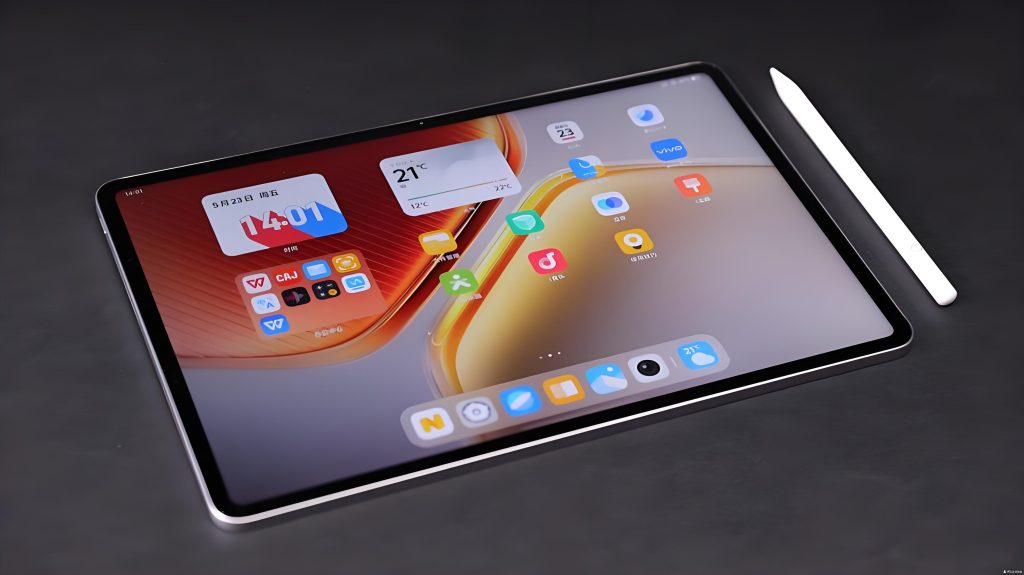

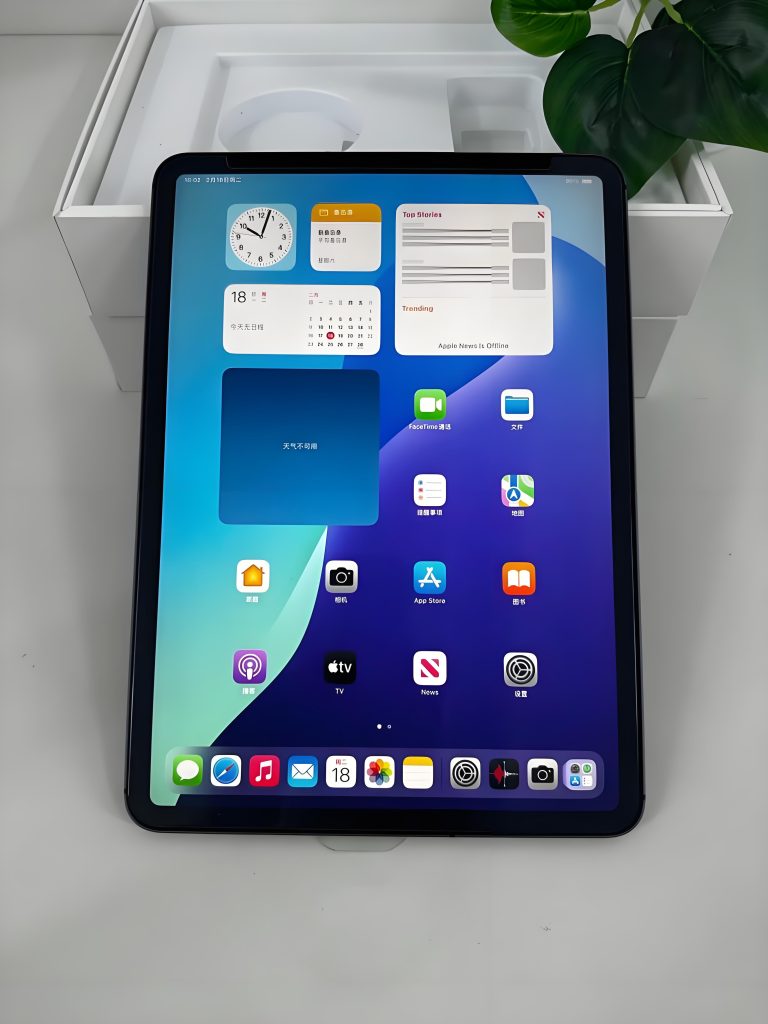
China has become one of the world’s leading manufacturing hubs for tablet PCs, supplying products to wholesalers, retailers, distributors, educational institutions, and brand owners worldwide. Whether you are looking for Android tablets, Windows tablets, rugged tablets, educational devices, or OEM private-label products, choosing the right China tablet PC supplier is essential for ensuring product quality, competitive pricing, and long-term business success.
This guide answers the most common questions buyers have when importing tablet PCs from China.
Why Buy Tablet PCs from China?
Chinese manufacturers offer advanced production capabilities, flexible customization, and cost-effective solutions for businesses of all sizes.
Benefits include:
- Competitive factory-direct prices
- OEM and ODM manufacturing
- Low minimum order quantities (available from some suppliers)
- Wide range of product specifications
- Professional quality control
- Global export experience
- Fast production lead times
- Worldwide shipping support
Many suppliers export to Europe, North America, South America, the Middle East, Africa, and Southeast Asia.
What Should You Consider Before Buying?
Before requesting a quotation, define your product requirements.
Important specifications include:
- Screen size (7″, 8″, 10.1″, 11″, 12″, etc.)
- Android or Windows operating system
- RAM capacity
- Internal storage
- CPU performance
- Battery capacity
- Display resolution
- Camera specifications
- Wi-Fi or 4G/5G connectivity
- Bluetooth version
- USB Type-C support
- GPS functionality
- Accessories required
Clear specifications help suppliers recommend suitable models and provide accurate pricing.
OEM and ODM Customization
Many China tablet PC suppliers provide complete OEM and ODM services.
Customization options include:
- Company logo
- Custom boot logo
- Customized packaging
- User manuals
- Software pre-installation
- Firmware customization
- Color options
- Keyboard accessories
- Protective cases
- Screen protectors
OEM services allow distributors and retailers to build their own brands without investing in manufacturing.
Product Quality Control
Reliable manufacturers follow strict quality management procedures throughout production.
Typical inspections include:
- Component inspection
- Motherboard testing
- Display testing
- Battery safety testing
- Charging performance testing
- Camera testing
- Touchscreen responsiveness
- Wi-Fi and Bluetooth testing
- Aging tests before shipment
- Final product inspection
Quality control helps reduce defect rates and improve customer satisfaction.
Certifications
Depending on your target market, ask suppliers about certifications such as:
- CE
- FCC
- RoHS
- UKCA
- REACH
- UN38.3 (for lithium batteries)
- MSDS (battery documentation where required)
Verify import requirements with your local customs authority before placing an order.
Common Applications
Tablet PCs from China are widely used in:
- Schools and universities
- Corporate offices
- Retail stores
- Healthcare
- Restaurants
- Warehouses
- Logistics companies
- Hotels
- Government projects
- Industrial field operations
- Home entertainment
Different industries may require different hardware configurations and software features.
Shipping Options
Most suppliers support multiple international shipping methods.
Sea Freight
Suitable for large-volume orders.
Advantages:
- Lower shipping cost
- Ideal for wholesale purchases
- Cost-effective for heavy shipments
Air Freight
Recommended for:
- Sample orders
- Urgent deliveries
- Small quantities
Air freight is faster but generally more expensive.
Express Courier
Services such as DHL, UPS, FedEx, and TNT are commonly used for samples and small orders, depending on destination and customs regulations.
Warranty and After-Sales Support
Before purchasing, ask suppliers about:
- Warranty period
- Technical support
- Spare parts availability
- Software updates
- Repair services
- Replacement policy for defective products
Reliable after-sales service is especially important for long-term distribution partnerships.
Tips for Choosing the Right Supplier
A trustworthy China tablet PC supplier should have:
- Years of manufacturing experience
- Stable production capacity
- Export experience
- Strict quality management
- Responsive communication
- OEM/ODM capabilities
- Transparent quotations
- Positive customer feedback
- On-time delivery performance
If possible, request product samples before placing a large order.
Common Mistakes to Avoid
Many buyers face problems because they:
- Focus only on the lowest price
- Ignore product certifications
- Do not verify battery compliance
- Skip sample testing
- Overlook warranty terms
- Fail to confirm software compatibility
- Do not inspect products before shipment
Taking time to verify these details can help avoid costly issues later.
Why Long-Term Cooperation Matters
Working with a reliable supplier provides long-term benefits, including:
- Stable product quality
- Better pricing on repeat orders
- Faster production scheduling
- Easier customization
- Continuous technical support
- Consistent supply of accessories and spare parts
A long-term partnership can improve your competitiveness and simplify procurement.
Conclusion
Choosing the right China tablet PC supplier is about more than finding the lowest price. Buyers should evaluate manufacturing capability, quality control, certifications, customization options, logistics support, and after-sales service before making a decision.
By partnering with an experienced supplier, businesses can source high-quality tablet PCs that meet market requirements, strengthen their brand, and achieve long-term growth in competitive global markets.
FAQ
1. Can I customize tablet PCs with my own brand?
Yes. Most manufacturers offer OEM and ODM services, including custom logos, packaging, software, and accessories.
2. What is the usual production lead time?
Standard orders are often completed within 15–35 days, while customized OEM projects may require additional time depending on specifications and order volume.
3. Can suppliers provide international shipping?
Yes. Most experienced suppliers can arrange sea freight, air freight, or cooperate with freight forwarders to deliver products worldwide.
4. What certifications are commonly required?
Requirements depend on your destination market. Common certifications include CE, FCC, RoHS, UKCA, and battery transport documents such as UN38.3.
5. How can I reduce purchasing risks?
Request product samples, verify certifications, review quality control procedures, confirm warranty terms, and work with a supplier that has proven export experience and responsive technical support.


No reply content