
China Professional Hair Clipper Manufacturing Co., Ltd.
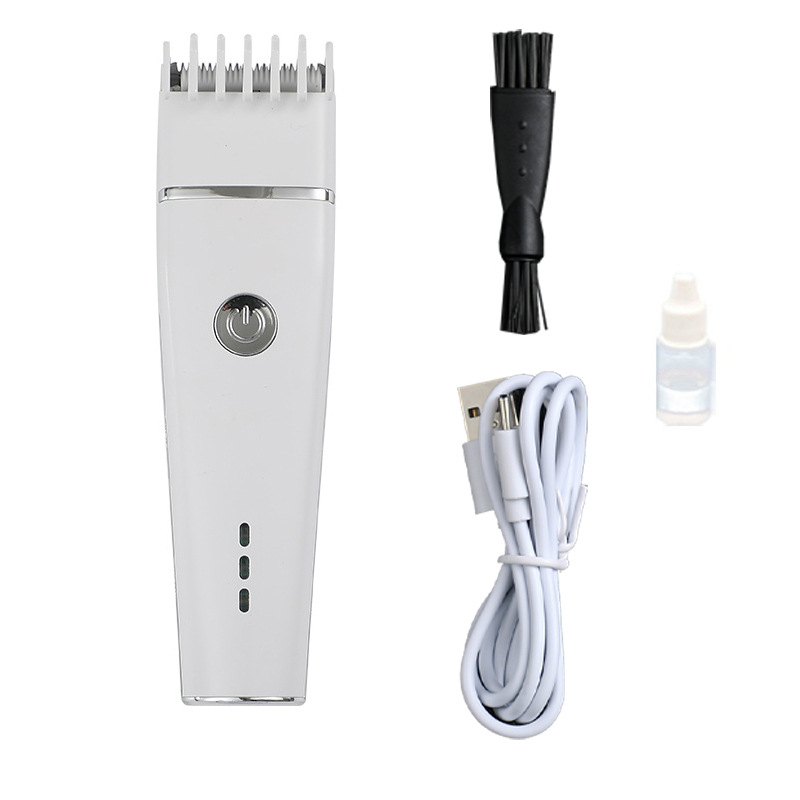
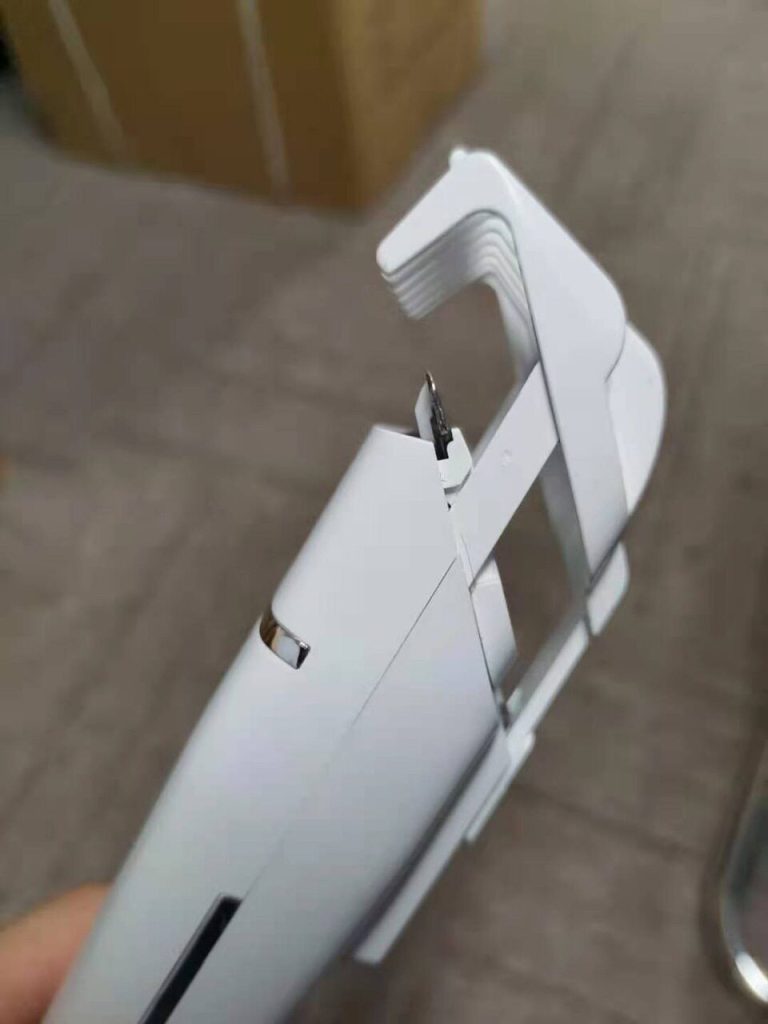
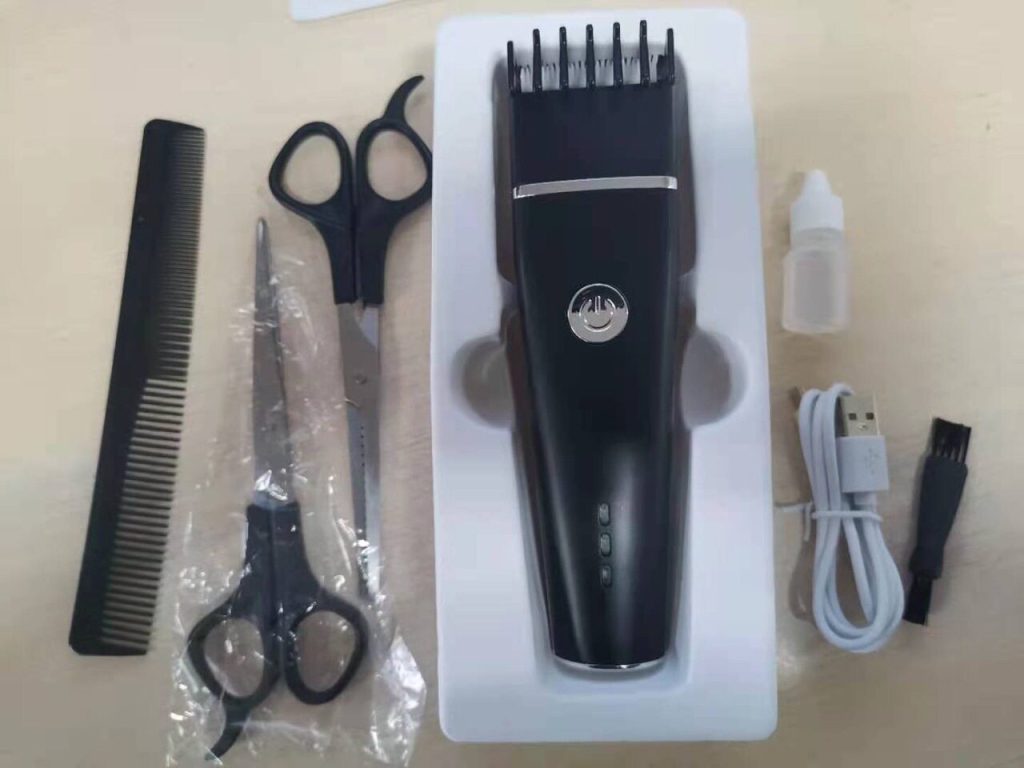
Finding a reliable cordless hair clipper manufacturer in China can help importers, barbershop suppliers, distributors, and private-label brands reduce purchasing costs while maintaining consistent product quality. However, choosing the right factory requires more than comparing prices.
China has a large manufacturing base for professional hair clippers, rechargeable trimmers, barber tools, and personal grooming devices. Different factories may specialize in different products, motor technologies, battery capacities, blade materials, packaging solutions, and OEM services.
For international buyers, the key is to identify a manufacturer that can consistently deliver the required quality, production capacity, customization, compliance documentation, and after-sales support.
This guide explains what buyers should check before selecting a cordless hair clipper manufacturer in China.
1. Check Whether the Company Is a Real Manufacturer
The first step is determining whether you are dealing directly with a factory or primarily with a trading company.
A trading company is not necessarily unreliable. Some trading companies have strong supplier networks and can provide useful sourcing services. However, buyers looking for long-term OEM or private-label production may prefer to work directly with a manufacturer.
Ask the supplier for basic information such as:
-
Factory location
-
Manufacturing capabilities
-
Main product categories
-
Production equipment
-
Quality-control procedures
-
Production capacity
-
OEM and ODM capabilities
-
Export experience
-
Product certifications
-
Sample development process
A reliable supplier should be able to clearly explain how its products are developed, assembled, tested, packaged, and shipped.
If a supplier cannot explain its manufacturing process or gives inconsistent information about its factory, buyers should investigate further before placing a large order.
2. Evaluate the Manufacturer’s Cordless Hair Clipper Product Range
Not every hair clipper factory produces the same type of product.
Some manufacturers focus on entry-level home-use clippers, while others specialize in professional barber clippers or customized private-label products.
Before choosing a supplier, determine whether its product range matches your target market.
Important product specifications may include:
-
Motor type
-
Motor speed
-
Blade material
-
Blade width
-
Adjustable cutting length
-
Battery capacity
-
Charging time
-
Operating time
-
USB or charging-base options
-
Display functions
-
Noise and vibration levels
-
Waterproof or washable design
-
Accessories
-
Packaging options
For example, a professional barber brand may require a powerful motor, durable metal housing, high-quality blades, long battery life, and stable performance during continuous use.
A consumer brand targeting home users may place more emphasis on lightweight construction, quiet operation, simple charging, safety, and affordable pricing.
The manufacturer should be able to recommend suitable configurations rather than simply selling the same model to every customer.
3. Ask About OEM and Private Label Services
If you are building your own grooming brand, OEM and private-label capabilities are particularly important.
A capable Chinese hair clipper manufacturer may offer customization of:
-
Brand logo
-
Product color
-
Housing design
-
Blade configuration
-
Battery specification
-
Display
-
Buttons
-
Packaging
-
User manual
-
Accessories
-
Gift boxes
-
Labels
-
Barcode stickers
Some factories can also support deeper ODM development, where the buyer works with the manufacturer to modify an existing product or develop a new design.
Before starting a project, ask exactly what customization is available and whether additional tooling or development charges apply.
It is also important to confirm the minimum order quantity for customized products.
4. Compare MOQ Before Placing an Order
Minimum order quantity can significantly affect the feasibility of a new hair clipper project.
A factory may have different MOQs for:
-
Standard models
-
Logo customization
-
Custom colors
-
Custom packaging
-
Custom housing
-
New molds
-
ODM development
For example, a supplier may accept a relatively small order for an existing model with a printed logo but require a much larger quantity for a completely customized product.
New brands should not automatically choose the supplier with the lowest MOQ. Instead, compare MOQ with unit price, quality, customization options, lead time, and future production capacity.
The goal is to find a supplier whose production requirements match your business stage.
5. Check Battery Quality Carefully
Because cordless hair clippers rely on rechargeable batteries, battery performance is an important purchasing factor.
A buyer should ask about:
-
Battery chemistry
-
Battery capacity
-
Rated voltage
-
Charging time
-
Expected operating time
-
Battery cycle performance
-
Protection functions
-
Charger specifications
-
Replacement battery availability
Do not judge battery quality only by the advertised capacity.
A clipper advertised with a very large battery capacity does not automatically provide longer real-world operation. Motor efficiency, electronics, battery quality, charging management, and product design all influence actual runtime.
For international buyers, battery and shipping documentation should also be reviewed before shipment, particularly when the product contains lithium-ion batteries.
6. Inspect Blade Quality
The blade directly affects cutting performance and user experience.
Common blade materials and configurations include stainless steel, carbon steel, ceramic components, titanium-coated blades, and other specialized designs.
When evaluating a supplier, ask for information about:
-
Blade material
-
Blade hardness
-
Cutting performance
-
Corrosion resistance
-
Blade adjustment
-
Replacement blades
-
Sharpening or maintenance requirements
-
Quality-control procedures
For professional barber products, blade consistency is particularly important because the clipper may be used repeatedly throughout the day.
A manufacturer should also have a process for checking blade alignment and cutting performance before products leave the factory.
7. Review Motor Performance
The motor is another major component of a cordless hair clipper.
A reliable manufacturer should be able to provide technical information about the motor and explain how it affects:
-
Cutting power
-
Operating speed
-
Noise
-
Vibration
-
Heat generation
-
Battery consumption
-
Performance under different hair types
Do not compare motors based only on RPM.
A higher advertised speed does not necessarily mean a better clipper. Actual cutting performance depends on the combination of motor characteristics, blade design, electronics, torque, and product engineering.
For professional products, stability under continuous operation may be more important than a single headline specification.
8. Ask for Product Samples
Never place a large OEM order based only on product photos or specifications.
Request samples before making a major purchasing decision.
During sample testing, evaluate:
Cutting Performance
Test different hair types and cutting lengths.
Battery Runtime
Check whether actual operating time is reasonably consistent with the supplier’s specifications.
Charging
Check charging stability, charging time, connector quality, and charger compatibility.
Noise and Vibration
Operate the clipper continuously and evaluate user comfort.
Heat
Check whether the motor or housing becomes excessively hot during extended operation.
Ergonomics
Consider grip, weight, button placement, balance, and ease of cleaning.
Build Quality
Inspect housing joints, screws, switches, display components, blade installation, and accessories.
Samples can reveal problems that are not visible in product catalogs.
9. Verify Quality Control Procedures
A professional manufacturer should have a repeatable quality-control process.
Depending on the factory, quality inspection may include:
-
Incoming material inspection
-
Component inspection
-
Assembly inspection
-
Charging tests
-
Battery tests
-
Motor tests
-
Blade inspection
-
Appearance inspection
-
Function testing
-
Aging or endurance testing
-
Final inspection
-
Packaging inspection
Ask how defective units are identified and what happens when a production batch does not meet specifications.
For large orders, international buyers can also consider using an independent third-party inspection company before shipment.
10. Check Certifications and Compliance Requirements
The correct certifications depend on the destination market and the specific configuration of the product.
Depending on where the clippers will be sold, buyers may need documentation related to electrical safety, electromagnetic compatibility, battery transportation, chemical restrictions, or other applicable requirements.
Do not simply ask:
“Do you have CE?”
Instead, ask the manufacturer to provide the actual certificates, test reports, declarations, and model numbers associated with the product.
The documentation should correspond to the actual product being purchased.
If you are importing cordless hair clippers into the European Union, United States, United Kingdom, Australia, or another regulated market, confirm the applicable requirements before mass production.
11. Compare Production Lead Time
Lead time can affect your inventory and sales schedule.
Ask the manufacturer to separate the estimated time for:
-
Sample production
-
Sample approval
-
Packaging design
-
Material preparation
-
Mass production
-
Quality inspection
-
Packaging
-
Final shipment preparation
Standard products may have a shorter production cycle than products requiring new molds, custom colors, customized packaging, or new electronics.
Do not accept a vague statement such as “fast delivery.”
Ask for a realistic production schedule based on your actual order quantity and customization requirements.
12. Understand Hair Clipper Pricing
The cheapest quotation is rarely the only factor that matters.
A cordless hair clipper’s price can be affected by:
-
Motor
-
Battery
-
Blade
-
Housing materials
-
Electronics
-
Display
-
Accessories
-
Packaging
-
Logo customization
-
MOQ
-
Tooling
-
Testing
-
Shipping requirements
-
Order volume
For OEM projects, always ask whether the quotation includes the customized packaging, logo, accessories, testing, and other requested specifications.
When comparing suppliers, make sure you are comparing products with equivalent configurations.
A $10 clipper and a $15 clipper may look similar in photographs but use different motors, batteries, blades, electronics, and components.
13. Look at Communication and Technical Support
Communication quality is often overlooked when buyers evaluate Chinese manufacturers.
A good supplier should respond clearly to questions about:
-
Product specifications
-
Samples
-
Packaging
-
Production
-
Quality issues
-
Lead time
-
Shipping
-
Replacement parts
-
Warranty
-
Customization
Fast communication is useful, but technical accuracy is more important.
If a supplier gives different specifications every time you ask a question, this may indicate poor internal communication.
For long-term OEM projects, assign a clear contact person and keep approved specifications in written form.
14. Check After-Sales Support
A professional relationship should not end when the shipment leaves the factory.
Before placing an order, clarify:
-
Warranty period
-
Defective-product policy
-
Spare parts
-
Replacement procedures
-
Technical support
-
Product repair
-
Battery replacement
-
Future production of the same model
This is especially important for brands selling clippers through distributors, barbershop suppliers, Amazon stores, retail chains, or their own websites.
Reliable after-sales support can reduce the cost of handling customer complaints.
15. Consider Long-Term Production Stability
If you intend to build a brand around a specific hair clipper model, supplier stability matters.
Ask whether the manufacturer can continue supplying the same model for several years.
You should also understand:
-
Whether components may be changed
-
Whether the battery supplier may change
-
Whether the motor may be replaced
-
Whether the housing will remain available
-
Whether replacement blades can be supplied
-
Whether packaging can remain consistent
A low initial price is not useful if the manufacturer changes critical components without approval.
For private-label brands, product consistency is essential.
16. Create a Supplier Comparison Table
Before choosing a manufacturer, compare several suppliers using the same criteria.
Evaluation Factor |
Supplier A |
Supplier B |
Supplier C |
|---|---|---|---|
Factory capability |
|||
Product quality |
|||
Sample performance |
|||
OEM capability |
|||
Private label |
|||
MOQ |
|||
Unit price |
|||
Battery options |
|||
Blade quality |
|||
Certifications |
|||
Production lead time |
|||
Packaging customization |
|||
Warranty |
|||
Communication |
|||
After-sales support |
This makes the purchasing decision more objective.
17. Common Mistakes When Buying Cordless Hair Clippers from China
International buyers should avoid several common mistakes.
Choosing Only by Price
A very low quotation may indicate lower-cost components or a different specification.
Ordering Without Samples
Photos cannot prove cutting performance, battery runtime, or durability.
Ignoring the Battery
Battery quality can have a major impact on product performance and customer satisfaction.
Not Confirming Specifications in Writing
The final production product should match the approved sample and written specifications.
Buying Before Checking Compliance
A product that cannot legally or practically enter your target market can create significant costs.
Using Different Suppliers for Every Small Component
For new brands, overly complicated sourcing can increase communication and quality-control problems.
Not Planning Replacement Parts
Professional customers may need replacement blades, batteries, chargers, or other components.
18. Questions to Ask a Chinese Hair Clipper Manufacturer
Before requesting a quotation, prepare a detailed specification sheet.
Useful questions include:
-
Are you a manufacturer or trading company?
-
Where is your factory located?
-
What cordless hair clipper models do you currently produce?
-
What is the MOQ for standard products?
-
What is the MOQ for private-label products?
-
Can you customize the logo and packaging?
-
Can you provide OEM or ODM development?
-
What battery options are available?
-
What is the actual operating time?
-
What blade materials are available?
-
What motor options are available?
-
What certifications and test reports can you provide?
-
What is the sample lead time?
-
What is the mass-production lead time?
-
How do you conduct quality inspections?
-
What warranty do you provide?
-
Can you supply replacement parts?
-
Can you maintain the same specifications for future orders?


No reply content