
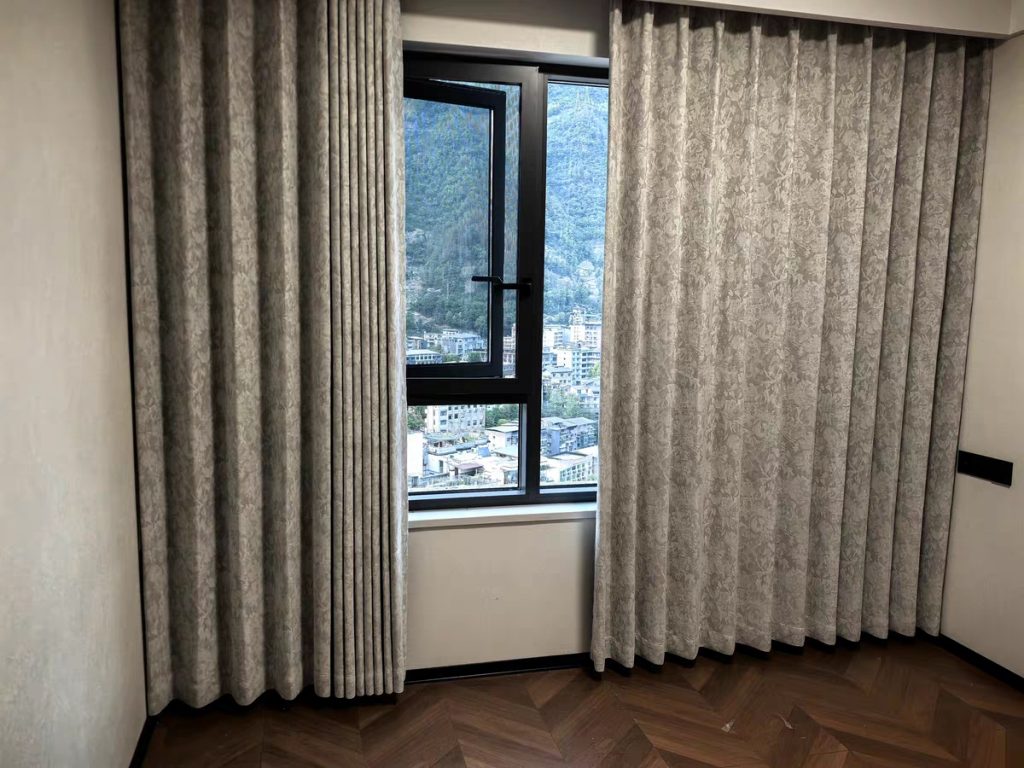
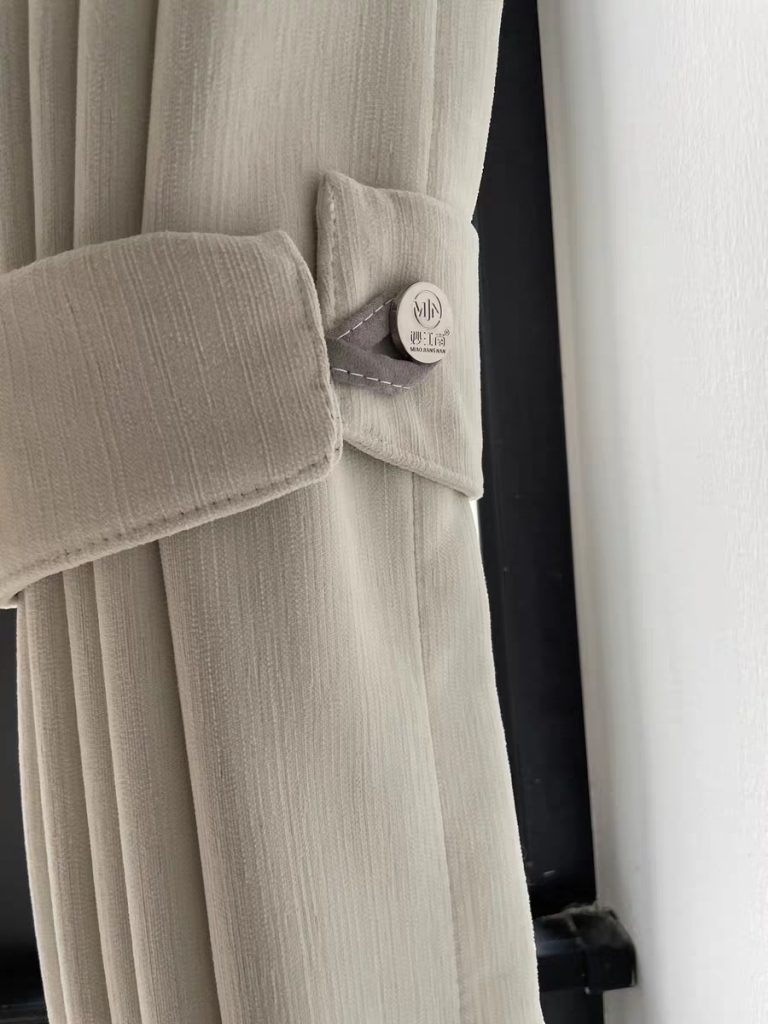

China is one of the world’s largest producers of curtains and home textiles, supplying products to wholesalers, distributors, retailers, interior designers, hotels, and e-commerce brands worldwide. However, choosing the right curtain manufacturer is essential to ensuring consistent quality, competitive pricing, and on-time delivery.
This guide explains how to identify a reliable curtain manufacturer in China and what factors every importer should consider before placing an order.
Why Source Curtains from China?
Chinese curtain manufacturers offer significant advantages for global buyers, including:
- Competitive factory-direct pricing
- Large-scale production capacity
- Wide selection of fabrics and designs
- OEM and ODM manufacturing
- Advanced sewing and finishing equipment
- Professional export experience
- Flexible customization services
Whether you are purchasing ready-made curtains or custom-made window treatments, China offers solutions for businesses of all sizes.
Define Your Product Requirements
Before contacting suppliers, prepare a detailed product specification.
Important details include:
- Curtain style
- Fabric type
- Size and dimensions
- Color requirements
- Pattern or design
- Blackout level
- Header style (Eyelet, Grommet, Rod Pocket, Pencil Pleat, Pinch Pleat, etc.)
- Lining options
- Packaging requirements
- Estimated order quantity
Providing clear specifications helps manufacturers offer accurate quotations and reduces production errors.
Evaluate Manufacturing Experience
Experienced manufacturers generally provide more stable quality and better production management.
Look for factories that have:
- Several years of manufacturing experience
- Professional design and development teams
- Modern production equipment
- Skilled sewing workers
- International export experience
- Stable monthly production capacity
Factories specializing in home textiles often understand international quality standards and market trends better than general suppliers.
Check Fabric Quality
Fabric quality directly affects the appearance and durability of curtains.
Common curtain fabrics include:
- Polyester
- Linen
- Cotton
- Velvet
- Sheer voile
- Jacquard
- Blended fabrics
When reviewing samples, inspect:
- Fabric weight
- Color consistency
- Stitching quality
- Wrinkle resistance
- Shrinkage
- Fade resistance
- Overall workmanship
High-quality fabrics improve customer satisfaction and reduce product returns.
Verify Certifications
Reliable manufacturers often comply with international quality and environmental standards.
Common certifications include:
- ISO 9001
- BSCI
- OEKO-TEX® Standard 100
- GRS (Global Recycled Standard)
- REACH Compliance
- SGS Testing
These certifications demonstrate a commitment to product safety, quality, and responsible manufacturing.
OEM and Custom Curtain Services
Many importers prefer customized curtains instead of standard products.
Professional manufacturers usually provide:
- Custom fabric selection
- Custom colors
- Custom sizes
- Logo labels
- Private label packaging
- Embroidery
- Digital printing
- Custom header styles
OEM services help brands create unique products and increase market competitiveness.
Production Capacity
Before placing large orders, ask about the factory’s production capability.
Key questions include:
- Monthly production volume
- Number of sewing lines
- Fabric inventory
- Sample development time
- Production lead time
- Peak season capacity
A manufacturer with sufficient capacity can better support long-term cooperation.
Quality Control Process
Reliable factories implement strict quality inspections throughout production.
Typical inspections include:
- Fabric inspection
- Cutting accuracy
- Sewing inspection
- Size measurement
- Color consistency
- Ironing quality
- Packaging inspection
- Final random inspection
Comprehensive quality control minimizes defects and ensures consistent products.
Compare Prices Carefully
The lowest quotation is not always the best option.
Compare suppliers based on:
- Fabric quality
- Sewing craftsmanship
- Production capacity
- Customization services
- Delivery time
- Packaging quality
- After-sales support
Choosing a slightly higher-quality supplier can reduce long-term costs and improve customer satisfaction.
Review Export Experience
Manufacturers with international export experience can simplify the purchasing process.
They should be familiar with:
- International packaging requirements
- Export documentation
- Container loading optimization
- Customs procedures
- Global shipping methods
Experienced exporters can help reduce delays and improve shipping efficiency.
Visit the Factory or Arrange an Audit
Whenever possible, verify the factory before placing large orders.
Options include:
- On-site factory visit
- Virtual factory tour
- Third-party factory audit
- Production video review
Factory verification helps confirm production capability and quality management.
Build Long-Term Partnerships
Long-term cooperation with a reliable curtain manufacturer offers many benefits.
These include:
- Better pricing
- Stable product quality
- Faster communication
- Priority production scheduling
- Easier product development
- Flexible payment options
Strong partnerships help businesses remain competitive in the global market.
Questions to Ask Before Ordering
Before confirming an order, ask your manufacturer:
- What fabrics do you offer?
- Can you produce custom curtain designs?
- What is your MOQ?
- Can you provide samples?
- What certifications do you have?
- How long is the production lead time?
- What quality control procedures do you follow?
- Can you arrange international shipping?
- Do you offer OEM and private label services?
These questions help buyers make informed sourcing decisions.
Conclusion
Choosing a reliable curtain manufacturer in China requires more than comparing prices. Buyers should evaluate product quality, manufacturing experience, customization capabilities, certifications, production capacity, and export experience before making a final decision.
By partnering with an experienced manufacturer, importers can source high-quality curtains, strengthen their brand, and build long-term business success in the global home textile market.
Frequently Asked Questions
How do I choose a reliable curtain manufacturer in China?
Look for manufacturers with proven production experience, quality certifications, strong export capabilities, positive customer reviews, and the ability to provide product samples.
What fabrics are commonly used for curtains?
Popular options include polyester, linen, cotton, velvet, sheer voile, jacquard, and blended fabrics, depending on the desired appearance and function.
Can I customize curtain designs and packaging?
Yes. Most manufacturers offer OEM services, including custom sizes, fabrics, colors, labels, logos, and private label packaging.
What is the typical MOQ for custom curtains?
MOQ varies by fabric and design, but many manufacturers accept orders starting from 300–1,000 sets for customized products.
How long does curtain production take?
Production usually takes 20–45 days after sample approval, depending on the order quantity, customization requirements, and factory production schedule.


No reply content