China Glass Packaging Supplier
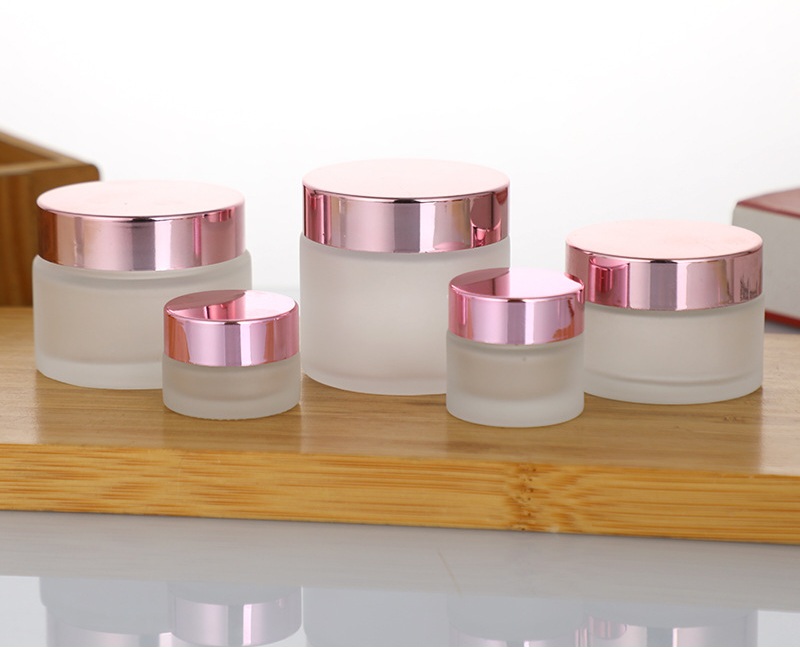
Choosing a reliable custom glass bottle packaging manufacturer is an important decision for brands, importers, wholesalers, and product manufacturers.
The right supplier should do more than offer a competitive price. A professional manufacturer should be able to understand your product requirements, develop suitable bottle designs, provide accurate samples, maintain consistent quality, meet production schedules, and package the finished bottles safely for transportation.
This guide explains the key factors buyers should evaluate before selecting a custom glass bottle packaging manufacturer.
1. Start With Your Packaging Requirements
Before contacting manufacturers, prepare a clear project specification.
Your requirements may include:
-
Product type
-
Bottle capacity
-
Bottle dimensions
-
Bottle shape
-
Glass color
-
Bottle weight
-
Neck finish
-
Closure type
-
Logo requirements
-
Decoration method
-
Surface finish
-
Target quantity
-
Packaging requirements
-
Delivery destination
-
Target production date
The more complete the information, the easier it is for manufacturers to provide an accurate quotation.
For example, asking for a “custom 100 ml glass bottle” may not be enough for an accurate quotation because the supplier still needs to know the shape, glass color, neck, decoration, quantity, and packaging requirements.
2. Check the Manufacturer’s Actual Capabilities
Not every company selling glass bottles is a manufacturer.
Some businesses operate primarily as trading companies or sourcing agents.
A trading company may still be suitable for certain projects, but buyers who require complex customization should understand who actually controls:
-
Mold development
-
Glass production
-
Decoration
-
Quality control
-
Packaging
-
Production scheduling
Ask the supplier to explain its manufacturing process and which stages are handled directly.
For complex custom projects, direct access to the production team can make communication and problem-solving easier.
3. Review Experience With Similar Products
Previous experience is useful when evaluating a supplier.
Ask whether the manufacturer has produced bottles similar to your requirements.
Relevant experience may include:
-
Cosmetic bottles
-
Perfume bottles
-
Beverage bottles
-
Food jars
-
Essential oil bottles
-
Pharmaceutical packaging
-
Household product bottles
-
Specialty packaging
A manufacturer familiar with your product category may better understand common technical requirements and potential production challenges.
4. Ask for Existing Bottle Options
Before developing a completely new mold, ask whether the manufacturer has existing bottles with similar characteristics.
An existing design may provide:
-
Lower development cost
-
Faster sampling
-
Shorter production preparation
-
Lower technical risk
-
More flexible initial purchasing
If an existing bottle meets most of your requirements, you may only need to customize:
-
Logo
-
Color
-
Printing
-
Frosting
-
Coating
-
Label
-
Closure
This can be a practical approach for new brands.
5. Understand the Custom Mold Process
If you require a unique bottle shape, the manufacturer may need to develop a custom mold.
Ask about:
-
Mold design
-
Engineering drawings
-
Mold cost
-
Mold ownership
-
Mold modification policy
-
Sample approval
-
Expected mold lifespan
-
Mold storage
-
Production capacity
Before approving the mold, carefully review the technical drawing.
Important details include:
-
Bottle height
-
Diameter
-
Capacity
-
Neck finish
-
Base design
-
Shoulder shape
-
Logo details
-
Embossing
Changing the design after mold production can increase development costs and delay production.
6. Ask About Sample Development
Samples are one of the most important steps in custom glass bottle development.
A professional manufacturer should be able to explain:
-
Sample process
-
Sample cost
-
Sample lead time
-
Number of revisions
-
Physical sample availability
-
Approval procedure
Depending on the complexity of the project, sample development may involve several stages.
A typical process can include:
-
Initial design
-
Technical drawing
-
Mold development
-
First sample
-
Sample evaluation
-
Design adjustment
-
Final sample approval
-
Mass production
Do not approve mass production based only on digital images when the project involves a new bottle design.
7. Evaluate the Physical Sample
When the sample arrives, inspect it carefully.
Check:
-
Capacity
-
Height
-
Diameter
-
Weight
-
Shape
-
Glass color
-
Surface quality
-
Neck finish
-
Closure compatibility
-
Logo position
-
Decoration
-
Label area
-
Stability
If possible, test the bottle with the actual product and closure.
A sample should not only look attractive. It should also function correctly in your production and packaging system.
8. Understand MOQ
MOQ means Minimum Order Quantity.
The MOQ may vary depending on the product and customization requirements.
For example, the MOQ for a standard glass bottle may be different from the MOQ for a bottle with:
-
Custom color
-
Custom mold
-
Special printing
-
Frosting
-
Coating
-
Embossing
-
Special closure
Ask the supplier to specify the MOQ for the complete finished product.
Also ask whether the MOQ applies:
-
Per design
-
Per size
-
Per color
-
Per SKU
-
Per decoration method
This is especially important for brands launching several products.
9. Don’t Choose a Supplier Based Only on MOQ
A low MOQ can be attractive, but it is not necessarily a sign of better manufacturing capability.
You should also evaluate:
-
Quality consistency
-
Production capacity
-
Decoration capability
-
Packaging quality
-
Lead time
-
Communication
-
After-sales support
A supplier with a slightly higher MOQ may provide better long-term value if the quality and production reliability are stronger.
10. Compare Quotations Correctly
When comparing manufacturers, make sure every supplier is quoting the same specification.
The quotation should clearly identify:
-
Bottle size
-
Capacity
-
Bottle weight
-
Glass color
-
Neck finish
-
Decoration
-
Closure
-
Packaging
-
Quantity
-
Mold cost
-
Sample cost
-
Production lead time
-
Shipping terms
For example, Supplier A may quote a lower bottle price but exclude decoration and export packaging, while Supplier B includes both.
Comparing only the unit price could therefore lead to the wrong purchasing decision.
11. Ask About Production Lead Time
Production lead time is particularly important for businesses with fixed product launch dates.
Ask the supplier to separate:
-
Mold development time
-
Sample development time
-
Sample approval time
-
Raw material preparation
-
Production time
-
Decoration time
-
Packaging time
-
Final inspection time
For a custom project, the total timeline can be significantly longer than the actual glass-forming production period.
A realistic schedule should include time for potential sample revisions and quality inspection.
12. Confirm the Production Capacity
A supplier should have enough production capacity to handle your order volume.
Ask:
-
What is the monthly production capacity?
-
How many production lines are available?
-
What is the normal production schedule?
-
Can production be increased for repeat orders?
-
How are urgent orders handled?
Capacity becomes especially important when your business grows.
A supplier that can produce 10,000 bottles may not necessarily be suitable for an annual requirement of several million units.
13. Evaluate Quality Control
Quality control should be one of the most important selection criteria.
Ask how the manufacturer controls:
-
Bottle weight
-
Dimensions
-
Capacity
-
Glass distribution
-
Neck finish
-
Surface defects
-
Cracks
-
Chips
-
Decoration
-
Packaging
A professional quality-control process may include inspection during several stages rather than only checking finished products.
Ask whether the supplier can provide inspection records or quality reports for your order.
14. Discuss Acceptable Defect Standards
Buyers and manufacturers should agree on acceptable quality standards before mass production.
Defects can be classified into:
Critical Defects
Potentially serious functional or safety problems.
Major Defects
Problems that may affect product performance or usability.
Minor Defects
Cosmetic issues that may not affect functionality.
The exact acceptance criteria should be agreed based on the product and market.
This is particularly important for premium packaging, where cosmetic expectations may be higher.
15. Check Closure Compatibility
The manufacturer should understand the relationship between the bottle neck and closure.
If you already have a closure supplier, provide the relevant specifications.
If you need the bottle manufacturer to source the closure, confirm:
-
Closure material
-
Neck finish
-
Closure size
-
Color
-
Surface finish
-
Sealing method
-
Compatibility
Testing the actual bottle and closure together is strongly recommended.
16. Evaluate Decoration Capabilities
If your project requires branding, ask what decoration services the manufacturer can provide.
Possible options include:
-
Screen printing
-
Frosting
-
Spray coating
-
Hot stamping
-
Embossing
-
Debossing
-
Labeling
-
Custom glass colors
Ask whether these services are performed internally or through third-party suppliers.
The more processes involved, the more important production coordination becomes.
17. Check Export Packaging
Glass packaging must be protected during transportation.
Ask the manufacturer how bottles are packed for export.
Possible solutions include:
-
Corrugated dividers
-
Individual sleeves
-
Protective inserts
-
Inner cartons
-
Export cartons
-
Pallets
Ask for:
-
Bottles per carton
-
Carton dimensions
-
Carton weight
-
Pallet quantity
-
Total shipment volume
This information helps you estimate international logistics costs.
18. Ask About Breakage Prevention
Breakage can create significant costs for international buyers.
Ask the supplier:
-
How are bottles separated inside cartons?
-
Are bottles prevented from moving?
-
Are cartons suitable for export transportation?
-
Are pallets used?
-
Can additional packaging protection be provided?
-
What happens if breakage occurs during shipment?
The supplier should have a clear packaging process rather than simply placing bottles into standard cartons.
19. Consider Communication Quality
Communication is often underestimated when selecting an overseas supplier.
A manufacturer should respond clearly to technical questions.
Good communication includes:
-
Clear quotations
-
Accurate specifications
-
Realistic lead times
-
Sample updates
-
Production updates
-
Quality reports
-
Shipping information
If communication is already difficult before the order, managing a complex custom project may become more challenging after production begins.
20. Ask About Repeat Orders
If you expect long-term purchasing, discuss repeat-order management before the first order.
Ask how the supplier maintains consistency between production batches.
Important factors include:
-
Bottle dimensions
-
Weight
-
Glass color
-
Decoration
-
Printing
-
Closure
-
Packaging
Your supplier should maintain appropriate production references so future orders can match the approved specifications.
21. Discuss Intellectual Property and Mold Ownership
For a completely custom bottle, clarify ownership of the mold and design.
Questions may include:
-
Who owns the mold?
-
Who pays for the mold?
-
Where is the mold stored?
-
Can the supplier use the design for other customers?
-
Can the mold be transferred if necessary?
-
How is confidential artwork handled?
These issues should be clarified before production begins.
Written agreements can help avoid misunderstandings later.
22. Verify Business Information
Before placing a large order, conduct reasonable supplier verification.
Depending on the project, buyers may review:
-
Company registration information
-
Factory location
-
Production capabilities
-
Product certifications where applicable
-
Quality-management procedures
-
Export experience
-
Customer references where available
For high-value projects, buyers may consider a factory audit or independent inspection.
The level of verification should match the order value and business risk.
23. Consider Third-Party Inspection
For large international orders, an independent inspection company can provide an additional layer of quality control.
Depending on the project, inspection may take place:
-
Before production
-
During production
-
Before shipment
The inspection scope can include:
-
Quantity
-
Dimensions
-
Appearance
-
Weight
-
Packaging
-
Decoration
-
Random sampling
-
Carton condition
Third-party inspection does not replace a good supplier, but it can provide additional purchasing confidence.
24. Watch for Common Supplier Warning Signs
Buyers should be cautious when a supplier:
-
Refuses to provide clear specifications
-
Gives inconsistent quotations
-
Cannot explain the production process
-
Promises unrealistic delivery times
-
Avoids physical sampling
-
Cannot explain quality standards
-
Changes important prices after confirmation
-
Provides unclear company information
-
Avoids discussing packaging and breakage
One warning sign does not automatically mean a supplier is unreliable, but several together deserve further investigation.
25. A Practical Supplier Comparison Table
When comparing several manufacturers, create a simple evaluation table.
Evaluation Factor |
Supplier A |
Supplier B |
Supplier C |
|---|---|---|---|
Custom Mold |
Available |
Available |
Available |
Sample Service |
Yes |
Yes |
Yes |
MOQ |
Confirm |
Confirm |
Confirm |
Decoration |
Confirm |
Confirm |
Confirm |
Bottle Quality |
Evaluate |
Evaluate |
Evaluate |
Lead Time |
Confirm |
Confirm |
Confirm |
Export Packaging |
Confirm |
Confirm |
Confirm |
Quality Inspection |
Confirm |
Confirm |
Confirm |
Communication |
Evaluate |
Evaluate |
Evaluate |
Total Cost |
Compare |
Compare |
Compare |
This makes it easier to compare suppliers based on overall value rather than price alone.
26. Questions to Ask Before Placing an Order
Before confirming the manufacturer, ask:
-
Are you the manufacturer or a trading company?
-
Can you provide similar bottle samples?
-
Can you develop a custom mold?
-
What is the mold cost?
-
What is the MOQ?
-
What is the sample lead time?
-
What is the mass-production lead time?
-
What quality standards do you use?
-
How do you control bottle dimensions and weight?
-
What decoration services are available?
-
Can you supply compatible closures?
-
How are bottles packed for export?
-
What happens if bottles arrive damaged?
-
Can you support third-party inspection?
-
How are repeat orders controlled for consistency?
A supplier that answers these questions clearly is generally easier to evaluate.
27. Recommended Supplier Selection Process
A practical selection process can be divided into seven steps.
Step 1: Prepare Specifications
Define the bottle capacity, dimensions, shape, closure, decoration, quantity, and destination.
Step 2: Contact Multiple Manufacturers
Request quotations based on exactly the same specifications.
Step 3: Compare Total Costs
Compare bottle price, mold cost, decoration, packaging, and other charges.
Step 4: Evaluate Samples
Check the actual physical samples rather than relying only on photographs.
Step 5: Verify Production Capabilities
Review the manufacturer’s quality-control and production processes.
Step 6: Confirm Commercial Terms
Finalize MOQ, payment terms, lead time, packaging, inspection, and delivery arrangements.
Step 7: Approve Mass Production
Only begin large-scale production after the final specifications and sample have been approved.
28. Final Checklist
Before selecting your custom glass bottle packaging manufacturer, confirm:
-
[ ] Manufacturer’s capabilities have been verified
-
[ ] Similar product experience has been reviewed
-
[ ] Bottle specifications are confirmed
-
[ ] Custom mold requirements are clear
-
[ ] Mold ownership is agreed
-
[ ] Sample has been approved
-
[ ] MOQ is acceptable
-
[ ] Decoration requirements are confirmed
-
[ ] Closure compatibility is confirmed
-
[ ] Quality standards are documented
-
[ ] Production capacity is sufficient
-
[ ] Lead time is realistic
-
[ ] Export packaging is confirmed
-
[ ] Breakage policy is understood
-
[ ] Inspection arrangements are confirmed
-
[ ] Total landed cost has been calculated
-
[ ] Payment and commercial terms are clear


No reply content