
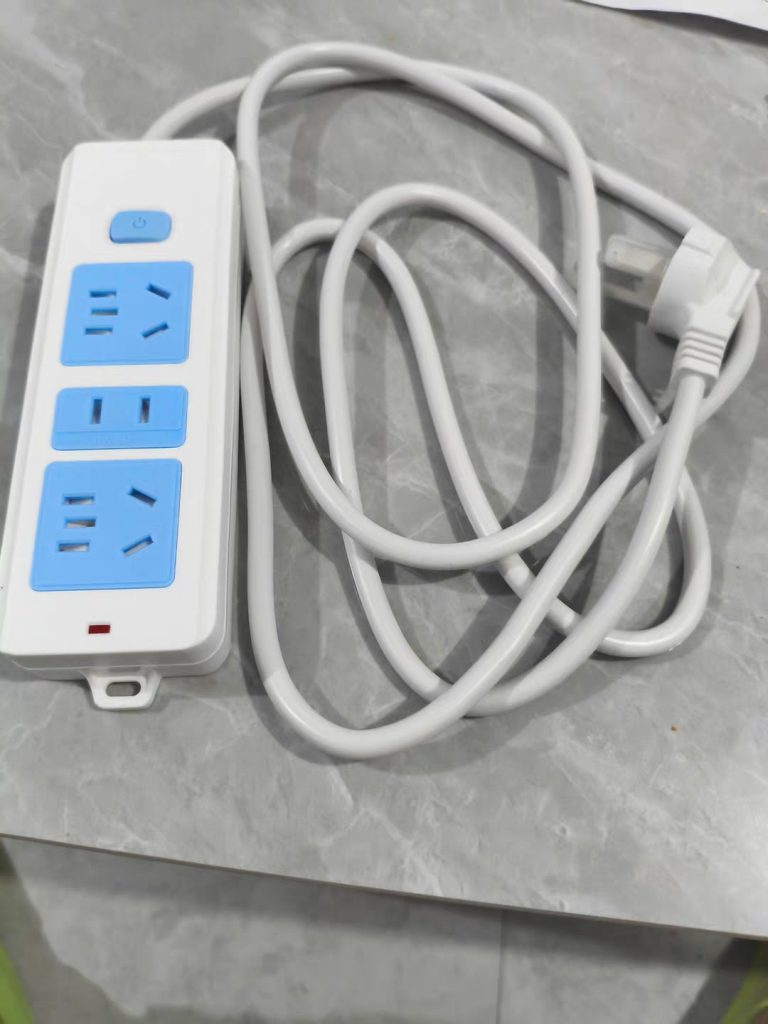
Choosing the right electrical socket manufacturer is an important decision for importers, distributors, electrical wholesalers, contractors, and brands. A reliable manufacturer can provide consistent product quality, competitive pricing, stable production capacity, and the certifications required for your target market.
However, finding a suitable supplier is not simply about comparing the lowest quotation. Electrical sockets are safety-related electrical products, so buyers need to evaluate the manufacturer’s production capabilities, quality control, testing procedures, certifications, customization services, and export experience.
This guide explains the key factors to consider when selecting an electrical socket manufacturer and how to reduce purchasing risks.
1. Check the Manufacturer’s Product Range
Before contacting a manufacturer, determine whether its product range matches your business requirements.
Electrical socket manufacturers may produce different types of products, including:
- Standard wall sockets
- Universal electrical sockets
- Single and double sockets
- Switch and socket combinations
- USB charging sockets
- Smart electrical sockets
- Waterproof sockets
- Industrial sockets
- Extension sockets
- Floor sockets
- Modular sockets
- Customized OEM sockets
A manufacturer with a broad product range may be more suitable for distributors or importers that need multiple product categories from one supplier.
At the same time, buyers should check whether the manufacturer specializes in the type of socket they need rather than simply listing a large number of products.
2. Evaluate Manufacturing Capability
A reliable electrical socket manufacturer should have a well-organized production system.
Important areas to evaluate include:
- Injection molding
- Metal stamping
- Terminal assembly
- Component assembly
- Electrical testing
- Product inspection
- Packaging
- Warehouse management
- Production scheduling
Manufacturers with stronger control over key production processes can generally respond more efficiently to customized orders and quality requirements.
If you plan to place large orders, ask about monthly production capacity and current production schedules. This helps you determine whether the supplier can support your expected order volume during peak seasons.
3. Ask About Quality Control
Quality control is one of the most important factors when purchasing electrical sockets.
A professional manufacturer should have quality inspection procedures throughout the production process instead of checking products only after assembly.
A typical quality control system may include:
Incoming Material Inspection
Raw materials and components should be inspected before entering production.
For example, manufacturers may check:
- Plastic material
- Copper or conductive components
- Terminals
- Screws
- Springs
- Electrical contacts
- Electronic components
Production Inspection
During assembly, workers and quality inspectors should monitor important production parameters.
This can help identify problems such as loose terminals, incorrect assembly, poor contact, damaged housings, or inconsistent components.
Finished Product Inspection
Finished sockets should be tested before shipment according to the manufacturer’s quality procedures and applicable market requirements.
Ask the manufacturer what testing equipment and inspection procedures are used for the products you intend to purchase.
4. Verify Certifications and Compliance
Electrical sockets are sold under different technical and safety requirements depending on the destination market.
Before placing an order, clearly identify the country where the products will be sold.
Depending on the market and product type, buyers may need to consider applicable requirements such as:
- CE requirements for relevant European products
- UKCA requirements for applicable products sold in Great Britain
- IEC standards
- EN standards
- BS standards
- UL standards
- ETL certification
- Other national or regional requirements
Certification requirements can vary according to the exact product, electrical characteristics, intended use, and destination country.
Therefore, do not simply ask, “Does this product have certification?”
Instead, ask the manufacturer to provide the relevant certificate, test report, model number, certification scope, and applicable standard so they can be checked against your actual product.
5. Check the Manufacturer’s Export Experience
Export experience can be particularly valuable for international buyers.
A manufacturer familiar with overseas markets is more likely to understand requirements involving:
- Product labeling
- Packaging
- User manuals
- Carton markings
- Shipping documentation
- Country-specific specifications
- Certification documents
- Export packaging
Ask the supplier which countries they have supplied previously.
If you are importing electrical sockets into Europe, for example, experience with European customers can be useful because the manufacturer may already understand common packaging, documentation, and compliance requirements.
However, previous export experience should not replace your own verification of current requirements.
6. Compare Materials and Components
Two sockets may look almost identical but have significant differences in materials and internal components.
When comparing suppliers, ask for detailed specifications instead of comparing photographs alone.
Important specifications may include:
- Rated voltage
- Rated current
- Frequency
- Housing material
- Flame-retardant material
- Terminal material
- Contact material
- Copper content
- Wire specifications
- Protection rating
- Operating temperature
- Mechanical life
- Electrical life
For example, the quality of conductive components can directly affect electrical performance and long-term reliability.
A lower-priced product may use different materials or components, so buyers should compare equivalent specifications before deciding which quotation is better.
7. Ask for Samples Before Bulk Orders
Ordering samples is one of the simplest ways to evaluate a socket manufacturer.
A sample evaluation should include more than checking appearance.
You can evaluate:
- Product dimensions
- Surface finish
- Material quality
- Switch operation
- Socket fit
- Terminal construction
- Assembly quality
- Packaging
- Product labeling
- Documentation
For professional procurement, samples can also be evaluated by a qualified testing laboratory or technical team when appropriate.
Do not place a large production order solely because a supplier provides an attractive catalog or low quotation.
8. Evaluate OEM and ODM Capabilities
If you are building your own electrical brand, OEM and ODM capabilities may be important.
A manufacturer offering OEM services may provide:
- Custom logos
- Custom colors
- Custom packaging
- Custom labels
- Customized product combinations
- Customized manuals
ODM services can go further by allowing buyers to modify product designs or develop products according to specific requirements.
Before starting a customized project, clarify:
- Minimum order quantity
- Mold requirements
- Tooling costs
- Development fees
- Sample lead time
- Production lead time
- Packaging requirements
- Intellectual property ownership
- Quality standards
A professional manufacturer should clearly explain which parts of the product can be customized.
9. Compare MOQ and Production Lead Time
Minimum order quantity is another important purchasing factor.
Some manufacturers may accept small trial orders, while others focus on large-volume production.
Ask about:
- MOQ per model
- MOQ per color
- MOQ for customized packaging
- Sample quantity
- Trial order quantity
- Normal production lead time
- Peak-season lead time
A manufacturer offering a very low unit price may not necessarily be the best choice if the MOQ is too high for your business.
For new products, a smaller trial order can help you evaluate market demand before committing to large inventory.
10. Examine Packaging Quality
Electrical sockets can be damaged during international transportation if packaging is inadequate.
Ask the manufacturer about:
- Individual product packaging
- Inner boxes
- Master cartons
- Protective materials
- Carton dimensions
- Gross weight
- Net weight
- Palletization
- Container loading
If the product is shipped internationally, packaging should be designed for the actual transportation method and handling conditions.
For private-label products, also confirm whether the manufacturer can produce customized packaging according to your artwork and labeling requirements.
11. Compare Prices Correctly
Price is important, but the cheapest quotation should not automatically win.
When comparing manufacturers, compare the same specifications.
For example:
Manufacturer A may quote a lower price but use different materials, packaging, testing procedures, or accessories.
Manufacturer B may have a higher unit price but include better components, stronger packaging, more inspections, and better documentation.
A useful comparison should consider:
Product specification + quality + certification + packaging + MOQ + lead time + after-sales service + total landed cost
This gives you a more realistic picture of the supplier’s overall value.
12. Check Communication and After-Sales Support
Good communication is especially important for international procurement.
A reliable manufacturer should be able to answer questions clearly about:
- Product specifications
- Certifications
- Samples
- Pricing
- Production
- Packaging
- Shipping
- Quality problems
- Replacement procedures
Before placing a large order, observe how the supplier handles technical questions.
If a manufacturer cannot clearly explain basic product specifications before receiving an order, it may become more difficult to resolve technical problems later.
13. Ask the Right Questions Before Ordering
Before selecting an electrical socket manufacturer, consider asking:
- What types of electrical sockets do you manufacture?
- What are your main export markets?
- What standards are your products designed to meet?
- Can you provide relevant test reports and certificates?
- What materials are used for the housing and conductive components?
- What is your MOQ?
- What is the normal production lead time?
- Can you provide samples?
- Do you offer OEM and ODM services?
- Can you customize packaging and labeling?
- What quality inspections are performed before shipment?
- How do you handle defective products?
The answers can help you distinguish an experienced manufacturer from a trading company or an unreliable supplier.
14. Manufacturer or Trading Company: Which Should You Choose?
Buyers sometimes assume that purchasing directly from a factory is always better.
In reality, the right choice depends on the project.
A direct manufacturer may offer advantages such as:
- Better control over production
- More customization options
- Direct technical communication
- Potentially better pricing for larger volumes
- Greater control over quality
A professional trading company may offer:
- Multiple product categories
- Consolidated purchasing
- Easier communication
- Supplier management
- Lower requirements for dealing with multiple factories
The important point is to understand who you are purchasing from and what capabilities they actually provide.
If you specifically need customized electrical sockets or long-term OEM cooperation, direct communication with the actual manufacturer can be particularly important.
15. Build a Long-Term Supplier Relationship
For importers and distributors, supplier selection should not be based on one order.
A strong long-term manufacturer relationship can help improve:
- Product consistency
- Production planning
- Pricing stability
- Packaging development
- New product development
- Quality control
- Delivery planning
After the first successful order, establish clear specifications and quality requirements for future production.
A written product specification can help prevent changes in materials, components, dimensions, packaging, or labeling without approval.
16. Electrical Socket Manufacturer Selection Checklist
Before placing a large order, review the following checklist:
| Evaluation Area | What to Check |
|---|---|
| Product Range | Does the manufacturer offer the required socket types? |
| Manufacturing | Does it have suitable production capabilities? |
| Materials | Are specifications clearly defined? |
| Quality Control | Are incoming, production, and final inspections performed? |
| Certifications | Are applicable standards and certificates available? |
| Samples | Can you evaluate samples before bulk production? |
| OEM/ODM | Can the manufacturer support customization? |
| MOQ | Is the minimum order suitable for your business? |
| Lead Time | Can the factory meet your delivery schedule? |
| Packaging | Is packaging suitable for international transportation? |
| Export Experience | Does the supplier understand your target market? |
| Communication | Can technical questions be answered clearly? |
| After-Sales | Is there a clear process for quality issues? |
Conclusion
Choosing a reliable electrical socket manufacturer requires more than comparing unit prices.
The best supplier should match your product requirements, target market, quality expectations, order volume, customization needs, and delivery schedule.
Before placing a large order, verify the manufacturer’s production capabilities, materials, quality control system, applicable certifications, export experience, OEM/ODM capabilities, MOQ, lead time, and after-sales support.
Most importantly, request samples and relevant technical documentation before committing to mass production.
A careful supplier evaluation process can reduce quality risks, prevent costly purchasing mistakes, and help build a stable long-term supply chain for electrical socket products.
FAQ
What should I look for in an electrical socket manufacturer?
Look for manufacturing capability, consistent quality control, suitable product specifications, applicable certifications, export experience, customization capability, reasonable MOQ, reliable delivery, and responsive communication.
Can electrical socket manufacturers provide OEM products?
Yes. Many manufacturers can provide customized logos, colors, packaging, labels, and product configurations. Some also provide ODM development services.
Should I request samples before placing a bulk order?
Yes. Samples allow buyers to evaluate product quality, dimensions, materials, appearance, packaging, and other specifications before committing to mass production.
How do I compare two electrical socket manufacturers?
Compare equivalent product specifications, materials, certifications, quality-control procedures, MOQ, lead time, packaging, pricing, and after-sales support rather than comparing unit prices alone.
Why are certifications important for electrical sockets?
Electrical sockets are safety-related products. The applicable technical and conformity requirements depend on the destination market and specific product. Buyers should verify the requirements applicable to their products before importing or selling them.


No reply content