
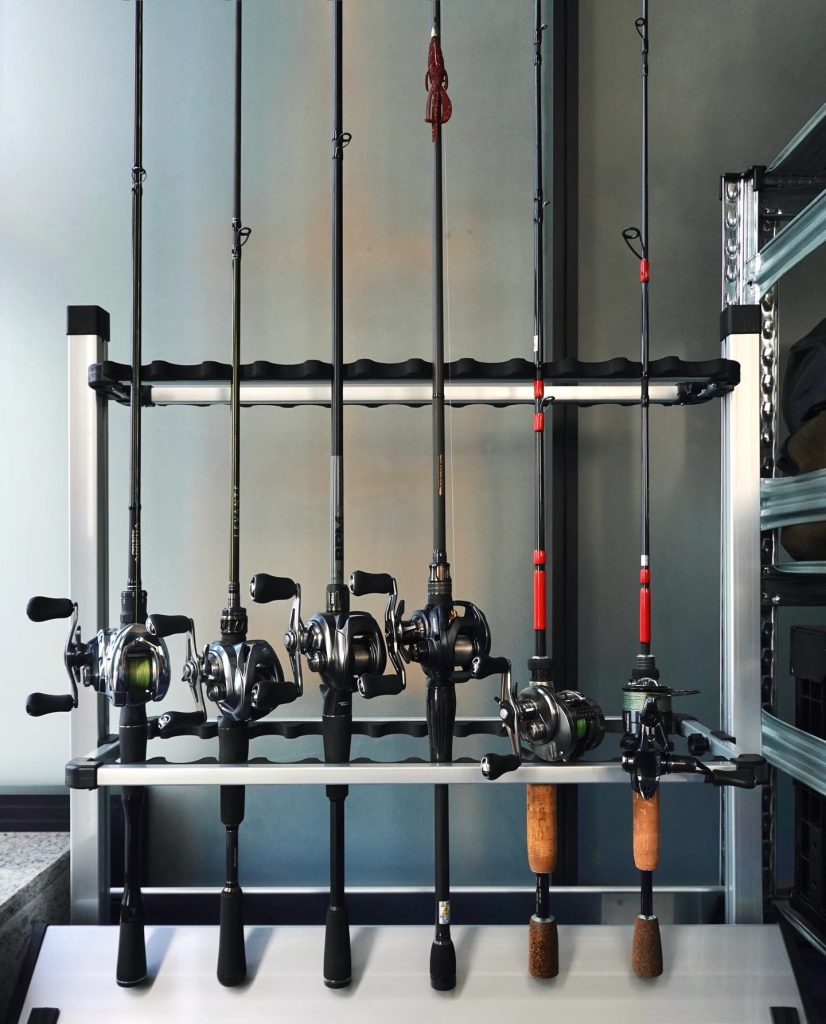
How to Choose a Reliable Fishing Rod Manufacturer in China for OEM and Wholesale Orders
China is one of the world’s major production bases for fishing rods, offering a wide range of carbon fiber, fiberglass, spinning, casting, and telescopic models. For international wholesalers, importers, and private-label brands, finding a reliable manufacturer is critical to ensuring consistent quality, on-time delivery, and successful OEM projects.
Not every supplier can meet the technical and commercial requirements of bulk or customized orders. Selecting the right partner requires systematic evaluation beyond price comparison.
This guide outlines practical steps buyers should follow when choosing a fishing rod manufacturer in China for wholesale and OEM cooperation.
1. Define Your Requirements Clearly Before Contacting Suppliers
Incomplete specifications are one of the most common reasons for mismatched quotations and quality issues. Prepare the following information in advance:
Rod type (spinning, casting, telescopic, travel, etc.)
Preferred material (carbon fiber, fiberglass, or hybrid)
Length, power, and action
Number of pieces
Guide type and quality level
Reel seat and handle material preferences
Logo and branding requirements
Packaging type (standard or custom)
Target quantity and estimated annual volume
Destination market
Preferred Incoterms and delivery timeline
Sample requirements
Clear requirements allow manufacturers to respond accurately and help you compare offers on the same basis.
2. Distinguish Between Real Manufacturers and Trading Companies
Many companies present themselves as manufacturers. Confirm the actual business model early.
Ask direct questions such as:
Do you own the production facility and blank-making equipment?
Can you provide factory photos, production line information, or arrange a factory audit/video tour?
What is your monthly production capacity for the rod types we need?
Genuine manufacturers usually have better control over blank quality, component consistency, lead times, and customization. Trading companies can still be useful for mixed orders, but they add an extra layer that may affect cost and communication.
3. Evaluate Technical and Production Capability
A reliable fishing rod manufacturer should demonstrate solid technical knowledge and production control.
Check the following areas:
Experience producing carbon fiber and/or fiberglass blanks
Ability to control blank consistency (wall thickness, action, power)
Component sourcing standards (guides, reel seats, handles)
Assembly and finishing quality
Capability to produce both standard wholesale models and fully customized OEM designs
Request detailed product specifications and, where possible, examples of previous OEM projects (without disclosing confidential client information).
4. Assess Quality Control Processes
Consistent quality is essential for wholesale and private-label orders. Ask specific questions about quality control:
How do you inspect blank quality before assembly?
What checks are performed on guides, reel seats, and handles?
Do you conduct action and power testing?
How do you control cosmetic quality (finish, logo, wrapping)?
Can you support third-party inspection before shipment?
Request examples of internal quality records or test reports related to the products you intend to order. Consistent, documented quality control is more important than general marketing claims.
5. Review OEM and Customization Capability
If you plan to develop private-label or custom rods, confirm the manufacturer’s OEM strengths:
Minimum order quantity for customized models
Logo application methods (silk screen, pad printing, decals, etc.)
Custom color and cosmetic options
Custom packaging design and production
Sample development lead time and cost
Ability to sign confidentiality or OEM agreements
Not every factory is equally flexible with customization. Confirm feasibility, costs, and timelines early.
6. Check Production Capacity and Lead Times
For wholesale and ongoing OEM orders, capacity and reliability matter as much as unit price.
Confirm:
Monthly production capacity for the relevant rod types
Current order backlog and realistic lead times
Ability to handle repeated or seasonal orders
Flexibility for staggered deliveries if needed
Unrealistic lead-time promises are a common source of later problems. Ask for typical production schedules based on your target quantity.
7. Evaluate Communication and Responsiveness
Clear communication is critical for OEM projects and long-term cooperation.
Observe:
Speed and clarity of replies to technical questions
Willingness to discuss specifications in detail
Ability to communicate in English at a working level
Consistency of information provided by different contacts
Poor communication during the quotation and sampling stage often becomes a bigger issue after bulk production begins.
8. Request Samples and Conduct Proper Evaluation
Before placing a bulk order, request samples of the exact specifications you need.
When evaluating samples, check:
Blank quality, action, and power
Guide alignment and wrapping quality
Reel seat fit and finish
Handle comfort and appearance
Logo application quality
Overall cosmetic finish
Packaging (if custom packaging is required)
For important OEM projects, consider third-party testing or a detailed internal checklist before approving the pre-production sample.
9. Compare Total Value, Not Just Unit Price
The lowest unit price does not always deliver the best overall result.
When comparing quotations, consider:
Material and component quality
Consistency and quality control
OEM flexibility and support
Sample quality and development capability
Production lead time and reliability
Packaging quality
Total landed cost (including shipping and duties)
Payment terms and cooperation attitude
A slightly higher price from a reliable manufacturer often results in fewer quality issues, better on-time performance, and lower long-term cost.
10. Practical Checklist Before Placing an Order
Use this checklist before confirming a wholesale or OEM order:
[ ] Technical specifications fully documented and confirmed in writing
[ ] Material, length, power, action, and components clearly defined
[ ] Sample approved (especially for OEM projects)
[ ] Quality control and inspection arrangements agreed
[ ] Production capacity and lead time confirmed
[ ] Logo, branding, and packaging details finalized
[ ] MOQ and pricing structure agreed
[ ] Required documents and shipping terms confirmed
[ ] Quotation and purchase order match on all key points
11. Frequently Asked Questions
How can I verify if a company is a real manufacturer?
Request factory information, production capacity data, and the possibility of a factory audit or live video tour. Consistent technical answers and proper documentation also help.
What is a typical MOQ for fishing rods?
MOQ varies by model, material, and customization level. Standard models often have lower MOQs, while fully customized OEM designs usually require higher quantities.
Should I always choose the lowest price?
No. Prioritize quality consistency, OEM capability, and reliability. The cheapest offer often carries higher risk of quality or delivery problems.
Is a pre-production sample necessary?
Yes, especially for OEM or private-label orders. Approving a sample before bulk production significantly reduces risk.
Can one manufacturer handle both carbon fiber and fiberglass rods?
Many factories produce both materials. Confirm their experience and quality control for each type.
How important is packaging for wholesale orders?
Packaging affects product protection during shipping and brand presentation. Confirm packaging standards early, especially for retail-ready or private-label products.
12. Next Steps for Buyers
Choosing a reliable fishing rod manufacturer in China requires clear requirements, careful evaluation of production capability, quality control, and OEM support, followed by proper sampling.
Start by defining your product specifications and target market, then shortlist suppliers who can demonstrate relevant experience and consistent communication. Request samples, review quality processes, and compare total value before placing bulk or OEM orders.
Through Vlefooena, international buyers can explore supplier profiles and submit detailed requests for quotation to suitable fishing rod manufacturers.
Prepare your complete specifications and contact potential manufacturers to discuss material options, OEM capabilities, sampling, packaging, and wholesale terms.


No reply content