Finding a reliable hair clipper manufacturer in China can help importers, wholesalers, barbershop suppliers, and private-label brands reduce purchasing costs while gaining access to OEM and customization services. However, choosing a factory based only on the lowest quotation can create problems with quality, delivery, batteries, packaging, and after-sales service.
This guide explains what buyers should check before selecting a Chinese hair clipper manufacturer and how to reduce the risks of importing professional and consumer hair clippers.
1. What Types of Hair Clippers Can Chinese Manufacturers Produce?
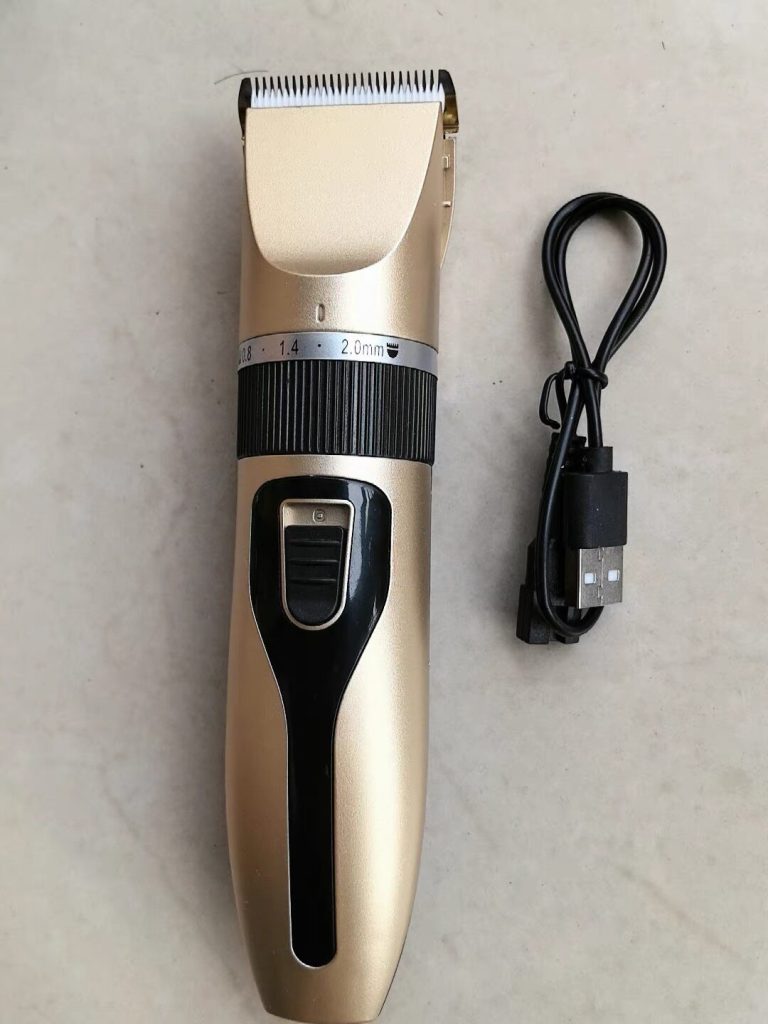
Chinese manufacturers commonly produce different types of electric hair clippers and trimmers, including:
- Cordless professional hair clippers
- Rechargeable hair clippers
- Professional barber clippers
- Hair trimmers
- Beard trimmers
- Detail trimmers
- T-blade trimmers
- Hair clipper and trimmer sets
- Pet grooming clippers
- OEM and private-label hair clippers
Different applications require different motor power, blade systems, battery capacity, operating time, charging methods, and housing materials.
For example, a professional barber may prioritize motor performance, cutting precision, durability, and continuous operating time. A home user may care more about quiet operation, lightweight design, charging convenience, and price.
2. How Can You Tell If a Hair Clipper Manufacturer Is Reliable?
A professional-looking website does not automatically mean a company owns a manufacturing facility.
Before placing an order, buyers should evaluate several factors.
Manufacturing capability
Ask the supplier:
- Do you own your factory?
- What is your monthly production capacity?
- How many production lines do you operate?
- Which components are produced internally?
- Which components are sourced from outside suppliers?
- Can you provide factory photographs or a factory video?
- Can you support factory inspection?
A genuine manufacturer should be able to explain its production process clearly.
Product development capability
If you need a customized hair clipper, check whether the manufacturer has engineering and product-development capabilities.
Ask whether they can customize:
- Housing design
- Blade configuration
- Motor
- Battery
- Button layout
- LED display
- Logo
- Color
- Packaging
- Accessories
- User manual
A factory with strong engineering capabilities can usually provide better support for long-term OEM projects.
3. What Should You Check About Hair Clipper Quality?
The most important components are usually the motor, blade, battery, charging system, and housing.
Motor
The motor directly affects cutting performance.
Important factors include:
- Motor speed
- Torque
- Operating stability
- Heat generation
- Noise
- Service life
Do not judge motor quality only by RPM. A high advertised speed does not necessarily mean better cutting performance. The motor needs to work effectively with the blade, drive mechanism, and intended application.
Blades
Blade quality affects cutting smoothness and durability.
Buyers should ask about:
- Blade material
- Blade coating
- Fixed and moving blade design
- Blade gap
- Adjustability
- Sharpening process
- Corrosion resistance
For professional use, the blade should maintain stable cutting performance during extended operation.
Battery
Cordless clippers depend heavily on battery quality.
Check:
- Battery chemistry
- Capacity
- Operating time
- Charging time
- Battery cycle life
- Protection system
- Replacement availability
Do not compare products only by the advertised mAh figure. Actual operating time depends on motor efficiency, battery voltage, load, and product design.
4. How Much Do Hair Clippers From China Cost?
Pricing varies significantly depending on the motor, battery, materials, packaging, customization, order quantity, and quality requirements.
As a general purchasing reference:
| Product Type | Typical Factory Price Range |
|---|---|
| Basic rechargeable clipper | $8–$15 |
| Mid-range cordless clipper | $15–$25 |
| Professional barber clipper | $20–$40 |
| Premium customized clipper | $30–$60+ |
| Clipper and trimmer set | $25–$70+ |
These are indicative ranges rather than fixed quotations. Actual prices can change according to specifications, order quantity, packaging, certification requirements, and customization.
For large OEM orders, buyers should request a detailed quotation showing the product configuration instead of comparing only the unit price.
5. What Is the Typical MOQ?
MOQ depends on the manufacturer’s production model.
A supplier may accept a relatively small quantity for standard products but require a higher MOQ for customized products.
Typical ranges may look like:
- Stock products: 50–500 units
- Logo customization: 100–1,000 units
- Customized packaging: 300–2,000 units
- New housing or tooling: potentially higher quantities
Always confirm MOQ before requesting a final quotation.
6. Can Chinese Hair Clipper Manufacturers Provide OEM and Private Label Services?
Yes. Many manufacturers can support private-label projects.
A typical OEM project may include:
- Select an existing clipper platform.
- Confirm technical specifications.
- Select colors and materials.
- Add the buyer’s logo.
- Design packaging.
- Confirm accessories.
- Produce samples.
- Test and approve samples.
- Begin mass production.
- Conduct quality inspection.
- Prepare export packaging.
For startups, using an existing platform with customized branding can reduce development costs and shorten the time required to launch a product.
For established brands, developing a customized model can provide greater product differentiation.
7. How Long Does Production Usually Take?
Production time depends on whether the product is standard or customized.
Typical manufacturing timelines can be:
| Order Type | Approximate Production Time |
|---|---|
| Ready-stock products | 3–10 days |
| Standard OEM with logo | 15–30 days |
| Customized packaging | 20–35 days |
| Major product customization | 30–60+ days |
These estimates normally start after specifications, artwork, samples, and payment requirements have been confirmed.
For a new product, allow additional time for tooling, engineering samples, testing, and packaging approval.
8. What Certifications Should Buyers Ask About?
Certification requirements depend on the destination market.
Before production, tell the manufacturer exactly where the products will be sold.
Depending on the market and product configuration, buyers may need documentation related to:
- Electrical safety
- EMC
- Battery safety
- Transportation of lithium batteries
- Radio certification if the product contains wireless functions
- Environmental requirements
- Product labeling
Do not simply ask a supplier, “Is it certified?” Ask for the specific test reports or certificates relevant to your target market and product model.
9. How Should You Inspect a Hair Clipper Before Shipment?
A pre-shipment inspection can help identify problems before the goods leave China.
Important inspection points include:
Appearance
Check:
- Scratches
- Color consistency
- Logo quality
- Housing gaps
- Button operation
- Display quality
- Packaging condition
Functional testing
Test:
- Power-on function
- Charging
- Motor operation
- Blade movement
- Speed stability
- Noise
- Heat
- Battery performance
- Accessories
Packaging
Verify:
- Product model
- Quantity
- Barcode
- Logo
- User manual
- Charger
- Accessories
- Carton markings
For larger orders, buyers should establish acceptable quality limits before production begins.
10. What Questions Should You Ask a Chinese Hair Clipper Manufacturer?
Before ordering, send the manufacturer a clear specification sheet.
For example:
Product: Professional cordless hair clipper
Quantity: 1,000 units
Motor: High-speed professional motor
Battery: Rechargeable lithium battery
Operating time: Required minimum operating time
Charging: USB or specified charging system
Blade: Adjustable professional blade
Logo: Private label
Packaging: Customized retail box
Target market: Specific destination country
Then ask the supplier to provide:
- Unit price
- MOQ
- Sample cost
- Sample lead time
- Mass-production lead time
- Packaging options
- Certification documents
- Warranty terms
- Payment terms
- Shipping carton dimensions
- Gross and net weight
This makes supplier quotations much easier to compare.
11. What Are the Biggest Mistakes When Buying Hair Clippers From China?
Choosing only by price
The cheapest product may use lower-quality batteries, motors, blades, chargers, or plastic components.
Ordering a large quantity without testing samples
Always test samples before mass production.
Not confirming specifications
A small difference in battery, motor, blade, or charger specifications can significantly affect the final product.
Ignoring packaging
Retail packaging is particularly important for private-label brands because it directly affects the customer’s perception of the product.
Not checking export requirements
Products containing lithium batteries may have additional transportation and documentation requirements.
Not defining quality standards
A buyer should establish inspection criteria before production rather than arguing about quality after shipment.
12. How to Choose the Right Manufacturer for Your Business
The best manufacturer is not necessarily the one offering the lowest price.
Evaluate suppliers based on:
Product quality + manufacturing capability + customization + communication + certifications + production capacity + delivery reliability + after-sales support + total cost.
For a small startup, a supplier with low MOQ and flexible customization may be more suitable.
For a professional barber equipment distributor, stable quality and long-term production capacity may be more important.
For an established private-label brand, engineering capability, packaging development, quality control, and product differentiation should receive greater attention.
FAQ
What is the minimum order quantity for Chinese hair clippers?
It depends on the manufacturer and customization requirements. Standard products may have lower MOQs, while customized products and packaging usually require larger orders.
How much does a Chinese hair clipper cost?
A general factory-price range is approximately $8–$60+ per unit, depending on specifications and order volume. Professional and highly customized models can cost more.
Can I put my own logo on a hair clipper?
Yes. Many manufacturers offer logo printing, laser engraving, customized colors, packaging, manuals, and other private-label services.
How long does it take to manufacture hair clippers?
Standard OEM orders commonly require around 15–30 days, while more complicated customized products can require 30–60 days or longer.
Should I order a sample first?
Yes. A sample allows you to evaluate cutting performance, motor noise, battery life, charging, appearance, packaging, and overall quality before committing to mass production.
Can hair clippers be shipped internationally?
Yes, but cordless models containing lithium batteries may have additional transportation and documentation requirements. Buyers should confirm the shipping method and battery documentation before placing the order.
How can I avoid poor-quality hair clippers?
Use a detailed specification sheet, request samples, verify relevant documents, inspect production, and conduct a pre-shipment inspection. Do not rely solely on photographs or the lowest quotation.
Final Takeaway
Choosing a Chinese hair clipper manufacturer requires more than comparing prices. Buyers should evaluate the factory’s manufacturing capabilities, product quality, battery and motor performance, OEM services, MOQ, certifications, production schedule, inspection procedures, and after-sales support.
If you are importing hair clippers for a barber equipment business, wholesale distribution, e-commerce brand, or private-label project, a structured supplier evaluation process can significantly reduce purchasing risks and help you build a more reliable supply chain.


No reply content