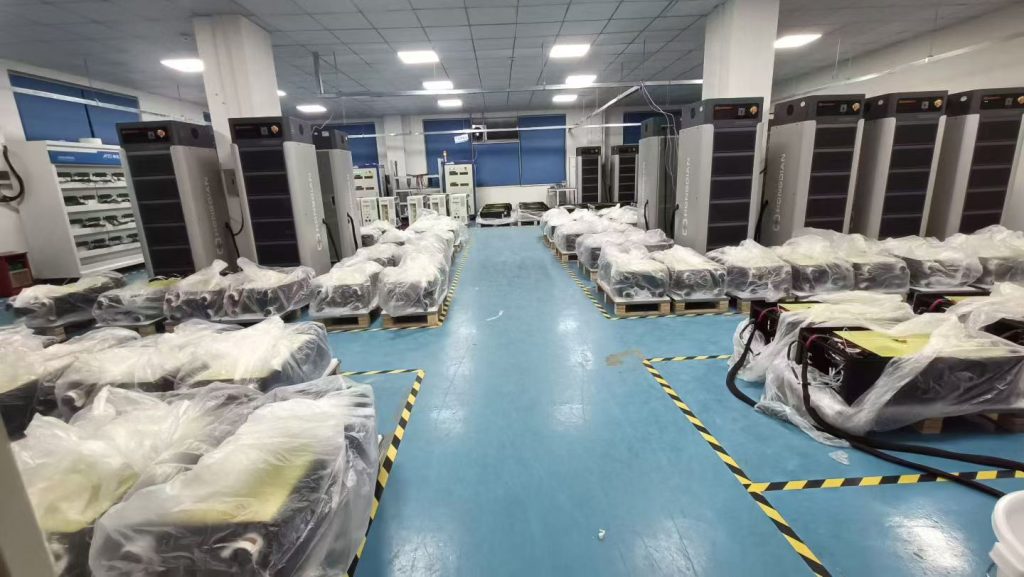
China solar power generation and energy storage manufacturing
With rising electricity costs and increasing demand for renewable energy, more homeowners are investing in home energy storage systems to reduce power bills and gain energy independence. However, choosing the right home energy storage battery manufacturer is a critical decision. A reliable manufacturer not only provides high-quality battery systems but also helps customers achieve long-term energy savings, safety, and stable power supply.
This guide explains how to choose a trustworthy home energy storage battery manufacturer, what factors should be considered, and how advanced battery solutions can help families lower electricity costs.
1. Why Home Energy Storage Batteries Are Becoming More Popular
Traditional electricity systems require homeowners to purchase power directly from the grid, and electricity prices often increase during peak usage periods. Home energy storage batteries provide a smarter solution by allowing families to store electricity and use it when needed.
A home battery storage system can:
-
Store excess solar energy during the daytime
-
Provide electricity at night without relying fully on the grid
-
Reduce peak-hour electricity expenses
-
Provide backup power during outages
-
Improve household energy efficiency
For homes with solar panels, energy storage batteries maximize the value of solar power by storing unused energy instead of sending it back to the grid.
2. The Importance of Choosing a Professional Battery Manufacturer
The market has many suppliers offering home energy storage solutions, but not every manufacturer provides the same level of quality and reliability.
A professional home energy storage battery manufacturer should have:
Advanced Battery Technology
Modern home storage systems mainly use lithium iron phosphate (LiFePO4) battery technology because it offers:
-
Longer cycle life
-
Higher safety performance
-
Better thermal stability
-
Lower maintenance requirements
A reliable manufacturer invests in battery research and development to improve energy density, charging efficiency, and system performance.
Strict Quality Control
Battery safety is one of the most important concerns for homeowners. A trusted manufacturer should have strict quality management processes, including:
-
Cell quality inspection
-
Battery module testing
-
Safety protection testing
-
Aging tests
-
Temperature performance tests
High-quality production standards help prevent problems such as overheating, capacity loss, and short service life.
3. How Home Energy Storage Batteries Help Reduce Electricity Bills
One of the biggest reasons homeowners install energy storage systems is to save money.
Store Low-Cost Electricity
In areas with time-of-use electricity pricing, homeowners can charge batteries when electricity rates are low and use stored power during expensive peak hours.
This reduces dependence on expensive grid electricity.
Maximize Solar Energy Usage
Solar panels generate electricity during the day, but many families use more electricity in the evening.
Without storage:
Solar energy → Home usage → Excess energy wasted or sold back
With storage:
Solar energy → Battery storage → Evening household power supply
This allows homeowners to use more of their own clean energy.
Reduce Electricity Price Impact
Electricity prices continue to change in many countries. A home energy storage system provides greater control over energy costs and protects families from future price increases.
4. Key Factors When Selecting a Home Energy Storage Battery Manufacturer
1. Manufacturing Experience
Experience matters when choosing a battery supplier.
A professional manufacturer should have:
-
Years of battery production experience
-
Experienced engineering teams
-
Stable supply chain management
-
Successful international projects
Manufacturers with export experience usually understand different countries’ certification and installation requirements.
2. Product Certifications
Before purchasing, customers should check whether the manufacturer provides international certifications.
Common certifications include:
-
CE certification
-
UN38.3 transportation certification
-
IEC standards
-
RoHS compliance
-
UL certification (for certain markets)
These certifications demonstrate that products meet safety and quality requirements.
3. Battery Capacity Options
Different homes require different energy storage capacities.
A good manufacturer should offer flexible solutions, such as:
-
Small residential batteries for apartments
-
Medium-capacity systems for family homes
-
Large expandable systems for villas or high-energy households
The manufacturer should help customers select the right battery capacity based on:
-
Daily electricity consumption
-
Solar panel capacity
-
Backup power requirements
-
Local electricity prices
4. Intelligent Energy Management System
Modern home storage batteries are not only power storage devices. They are intelligent energy management systems.
Advanced systems include:
-
Mobile app monitoring
-
Real-time electricity data
-
Smart charging control
-
Remote system diagnosis
These features help homeowners understand energy usage and optimize savings.
5. Why Battery Quality Directly Affects Long-Term Savings
A low-cost battery may seem attractive initially, but poor-quality products often create higher costs over time.
Problems with low-quality batteries may include:
-
Short battery lifespan
-
Reduced storage capacity
-
Frequent maintenance
-
Safety risks
-
Poor after-sales service
A reliable manufacturer focuses on long-term value rather than only reducing the initial price.
High-quality batteries typically provide:
-
10+ years of service life
-
Thousands of charge and discharge cycles
-
Stable performance in different environments
-
Lower maintenance costs
6. OEM and Custom Home Energy Storage Solutions
For distributors, installers, and energy companies, choosing a manufacturer with OEM capability is important.
A professional OEM battery manufacturer can provide:
-
Customized battery capacity
-
Private label solutions
-
Customized appearance design
-
Software integration
-
Packaging solutions
This allows businesses to create their own energy storage brands and serve different markets.
7. After-Sales Support Is an Important Consideration
A reliable manufacturer should provide complete customer support, including:
-
Installation guidance
-
Technical training
-
Warranty services
-
Troubleshooting support
-
Spare parts supply
Good after-sales service ensures that customers can use their energy storage systems safely for many years.
8. Questions to Ask Before Choosing a Manufacturer
Before cooperation, customers should ask:
1. How many years have you manufactured home energy storage batteries?
Experience shows production capability and market understanding.
2. What battery cells do you use?
High-quality LiFePO4 cells are commonly preferred for residential applications.
3. What certifications do your products have?
Certifications prove compliance with international safety requirements.
4. Can you provide OEM services?
This is important for distributors and brand owners.
5. What warranty do you provide?
A clear warranty policy demonstrates manufacturer confidence.
9. Future Development of Home Energy Storage Systems
The global energy market is moving toward cleaner and smarter solutions. Home energy storage will continue to grow because more families want:
-
Lower electricity costs
-
Energy independence
-
Renewable energy solutions
-
Reliable backup power


No reply content