
China Surfboard and Snowboard Manufacturer Co., Ltd.
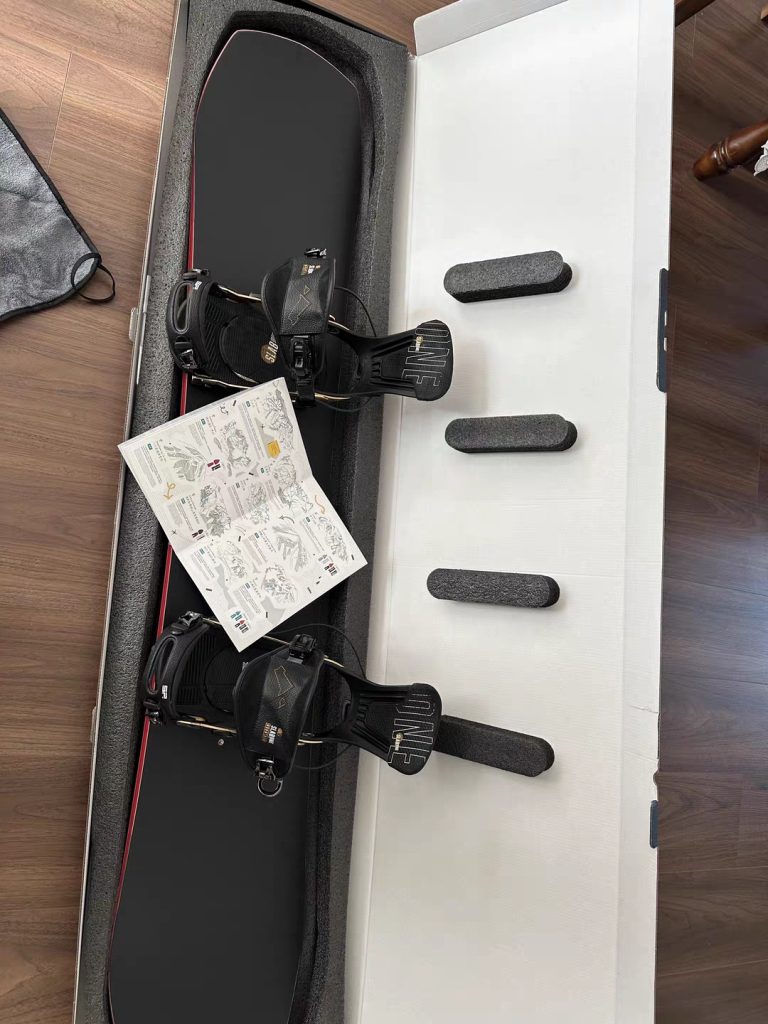
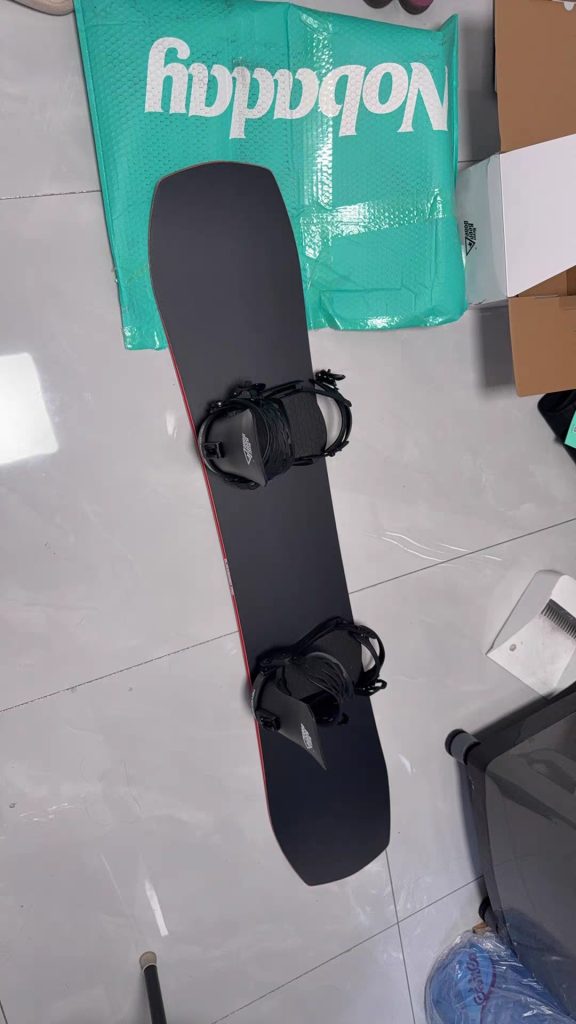
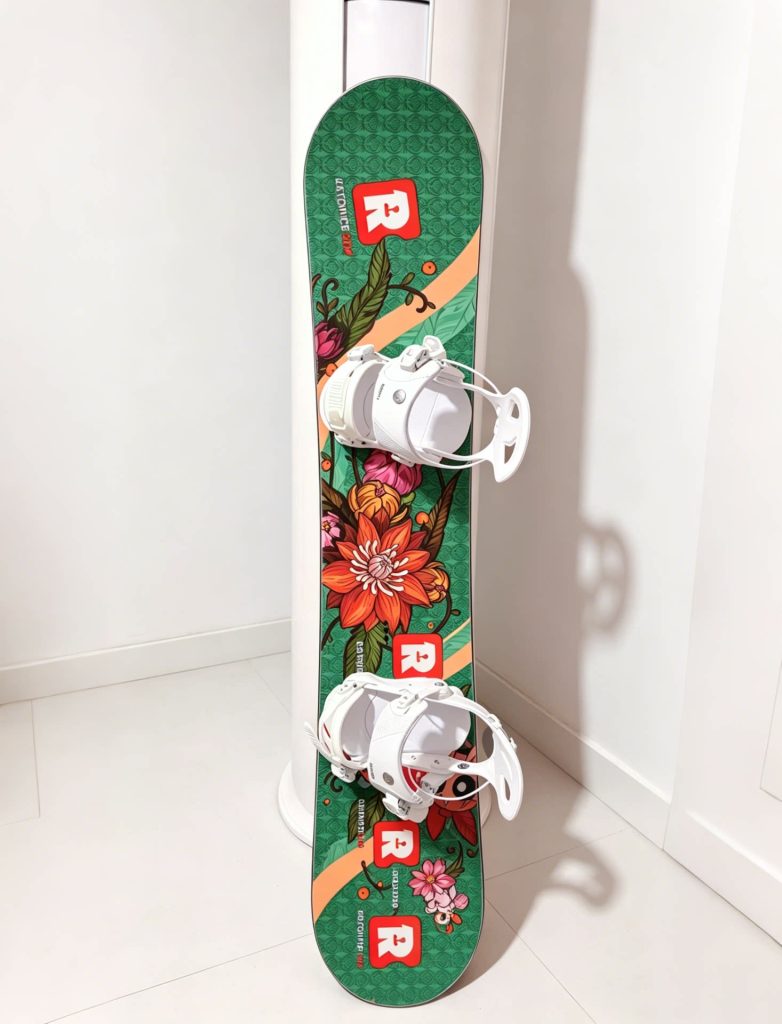
Finding a reliable ski manufacturer is one of the most important decisions for importers, distributors, sporting-goods brands, retailers, ski schools, and wholesalers planning to purchase skis in bulk.
A suitable manufacturer should provide consistent product quality, competitive pricing, stable production capacity, professional communication, accurate customization, and dependable delivery. Choosing only according to the lowest quotation can create problems with quality, production schedules, and after-sales service.
This guide explains the key factors buyers should consider when selecting a ski manufacturer for wholesale and bulk orders.
1. Confirm the Manufacturer’s Production Capability
The first step is to determine whether the supplier is actually capable of manufacturing the type of skis you need.
Depending on your market, you may be looking for:
-
Alpine skis
-
All-mountain skis
-
Freeride skis
-
Racing skis
-
Junior skis
-
Recreational skis
-
Touring skis
-
Private-label skis
-
OEM skis
-
ODM skis
Ask the manufacturer which products it specializes in and whether it can support your required specifications.
Production capability should also include equipment, production processes, skilled workers, quality-control procedures, and available production capacity.
2. Evaluate Product Quality
Ski quality directly affects performance, durability, customer satisfaction, and brand reputation.
Important areas to evaluate include:
-
Ski core
-
Fiberglass or composite reinforcement
-
Base material
-
Steel edges
-
Lamination
-
Pressing
-
Surface finishing
-
Graphics
-
Overall dimensions
-
Weight consistency
A manufacturer should have a defined process for checking materials and finished products.
For large orders, buyers should establish quality requirements before production begins.
3. Request Samples Before Bulk Production
A sample is one of the most useful ways to evaluate a manufacturer.
Before placing a large order, examine the sample for:
-
Overall appearance
-
Dimensions
-
Weight
-
Base quality
-
Edge finishing
-
Surface condition
-
Graphics
-
Logo placement
-
Construction
-
Packaging
If the skis are customized, the approved sample should become the reference for mass production.
This can significantly reduce the risk of receiving products that differ from the buyer’s expectations.
4. Check OEM and ODM Capabilities
If you want to sell skis under your own brand, confirm whether the manufacturer provides OEM or private-label services.
OEM services may include:
-
Custom dimensions
-
Custom construction
-
Custom graphics
-
Custom logos
-
Custom colors
-
Custom packaging
ODM services may go further by helping with product development and technical recommendations.
A manufacturer with both OEM and ODM capabilities can be particularly useful for new ski brands.
5. Understand the Manufacturing Materials
Different materials can significantly affect the characteristics of a ski.
Wood Core
Wood is widely used as a ski core material because of its strength, elasticity, and vibration-absorption characteristics.
Fiberglass
Fiberglass can provide reinforcement and help control the structural characteristics of the ski.
Carbon Fiber
Carbon fiber may be used in certain designs to achieve specific weight and stiffness targets.
Base Material
The base affects glide performance and maintenance requirements.
Steel Edges
Edges provide grip and control and need to be installed and finished accurately.
A reliable manufacturer should be able to explain why particular materials are recommended for your product.
6. Ask About MOQ
Minimum order quantity is an important consideration for bulk buyers.
MOQ can vary according to:
-
Standard or customized products
-
Number of models
-
Number of sizes
-
Graphic designs
-
Custom materials
-
Packaging
-
Tooling requirements
Do not assume that one MOQ applies to every product.
Ask whether the MOQ is calculated per model, per size, per design, or for the entire order.
7. Evaluate Production Capacity
A manufacturer may be able to produce a small sample order but struggle with a large seasonal purchase.
Ask about:
-
Monthly production capacity
-
Current production schedule
-
Lead time
-
Peak-season capacity
-
Raw-material availability
-
Production expansion capability
This is particularly important for businesses that need inventory before the winter sales season.
8. Check Quality-Control Procedures
A reliable factory should have quality checks throughout production.
Possible inspection stages include:
Incoming Material Inspection
Materials are checked before entering production.
Production Inspection
Important processes such as lamination, pressing, edge installation, and finishing are monitored.
Finished Product Inspection
The completed skis are checked for dimensions, appearance, construction, and other agreed specifications.
Pre-Shipment Inspection
For large orders, buyers may arrange an inspection before shipment.
A clear quality-control process can help prevent large quantities of defective products from reaching the customer.
9. Compare the Complete Cost
The lowest factory quotation is not always the lowest total cost.
When comparing manufacturers, consider:
Product price + customization + packaging + tooling + inland transportation + international freight + customs-related costs + other import expenses
For international orders, packaging dimensions and shipment volume can also affect logistics costs.
A slightly higher product price may provide better overall value if it comes with better quality, stronger packaging, and more reliable production.
10. Review Packaging Requirements
Skis are long products and need appropriate protection during transportation.
Packaging should help reduce the risk of:
-
Scratches
-
Edge damage
-
Surface damage
-
Graphic damage
-
Bending or deformation
For wholesale orders, buyers should confirm carton dimensions, packing quantities, pallet requirements, and shipping marks before production.
11. Check Communication and Documentation
Good communication is especially important for customized products.
The manufacturer should be able to clearly confirm:
-
Product specifications
-
Material requirements
-
Graphic files
-
Sample changes
-
Production schedule
-
Packaging
-
Inspection requirements
-
Shipping arrangements
Important specifications should be documented rather than relying only on verbal communication.
12. Consider Factory Experience
Experience does not automatically guarantee quality, but it can be a useful supplier-evaluation factor.
Ask about:
-
Years of ski manufacturing
-
Main product categories
-
Export markets
-
OEM experience
-
ODM experience
-
Typical order quantities
-
Production capabilities
The goal is to determine whether the manufacturer’s experience matches your specific requirements.
13. Start With a Controlled Order
If you have never worked with a manufacturer before, consider starting with a manageable order rather than immediately committing to a very large purchase.
A staged approach can look like:
Supplier evaluation → Sample → Small or initial bulk order → Quality inspection → Larger repeat order
This gives both sides an opportunity to establish production and communication standards.
14. Questions to Ask a Ski Manufacturer
Before placing an order, buyers can ask:
-
What types of skis do you manufacture?
-
Do you provide OEM and ODM services?
-
What is your MOQ?
-
Can you produce samples?
-
What customization options are available?
-
What materials are available?
-
What is the estimated production lead time?
-
What quality-control procedures do you use?
-
How are skis packaged for export?
-
Can you support international shipping?
-
What information is required for a quotation?
-
What are your payment and production terms?


No reply content