
China Surfboard and Snowboard Manufacturer Co., Ltd.
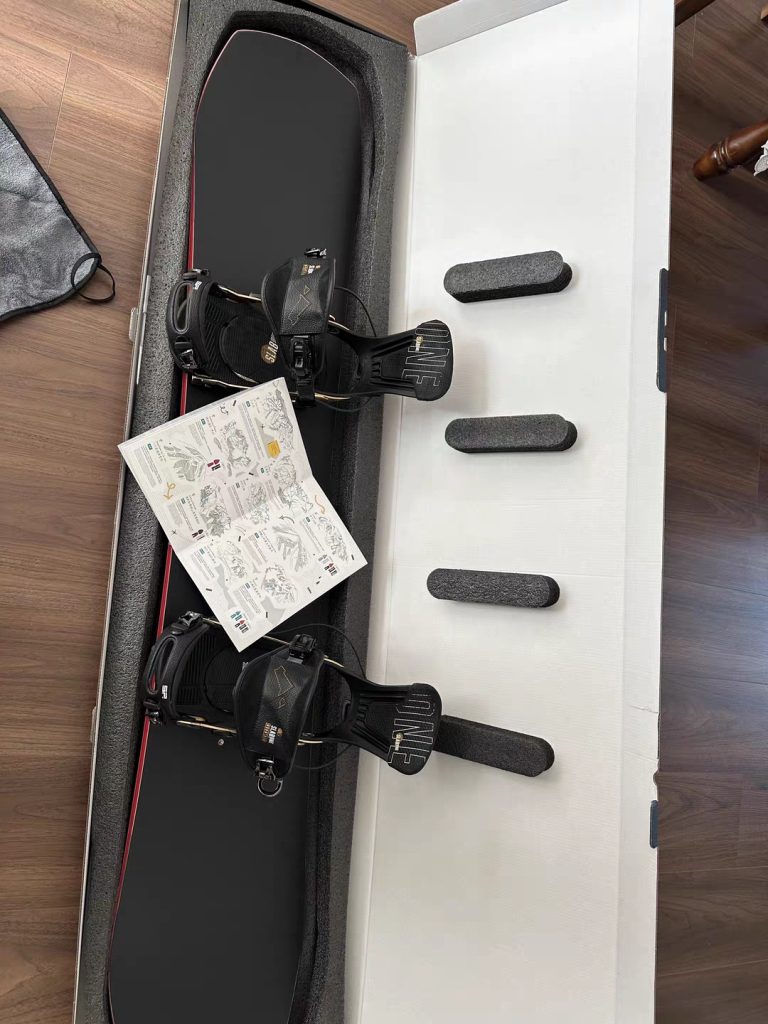
Choosing a reliable ski manufacturer in China is an important decision for importers, ski retailers, sporting goods distributors, ski schools, and private-label brands. China has a broad manufacturing supply chain for winter sports equipment, but manufacturers can differ significantly in product quality, materials, production technology, customization capability, minimum order quantity, and delivery reliability.
The cheapest quotation is not always the best choice. A professional buyer should evaluate the complete supply chain before placing a wholesale or OEM order.
This guide explains what to check when sourcing skis from China, how to compare manufacturers, typical production times and price ranges, and how to reduce the risks associated with international purchasing.
1. What Types of Skis Can Chinese Manufacturers Produce?
Before contacting a manufacturer, determine what type of ski you need.
Depending on the factory’s capabilities, Chinese ski manufacturers may produce:
-
Alpine skis
-
All-mountain skis
-
Freeride skis
-
Freestyle skis
-
Racing skis
-
Junior skis
-
Kids’ skis
-
Touring skis
-
Beginner skis
-
Snowboard-style winter sports products
-
Customized skis for private-label brands
Different ski categories require different constructions and performance characteristics.
For example, beginner skis generally emphasize stability and easy turning, while racing skis require greater control and more precise construction.
2. What Should You Check When Choosing a Chinese Ski Manufacturer?
A reliable supplier should be evaluated from several perspectives rather than price alone.
Manufacturing experience
Ask the manufacturer:
-
How many years have you produced skis?
-
What types of skis do you manufacture?
-
What is your annual production capacity?
-
Do you operate your own production facility?
-
Which production processes are completed in-house?
-
Can you provide product specifications?
-
Can you arrange a factory inspection?
A manufacturer with relevant production experience is generally easier to work with on technical specifications and quality requirements.
Production equipment
Ski manufacturing involves multiple processes, including material preparation, core construction, pressing, shaping, finishing, drilling, and quality inspection.
Ask what equipment and production processes the factory uses.
The objective is not simply to find a factory with the most equipment. You need a manufacturer whose equipment and production process are appropriate for the ski model you intend to purchase.
3. What Materials Should You Ask About?
Ski construction can involve multiple materials.
Common components include:
-
Wood cores
-
Fiberglass
-
Carbon fiber
-
Reinforcement layers
-
Composite materials
-
Base materials
-
Steel edges
-
Protective top layers
-
Adhesive systems
The material combination affects weight, stiffness, durability, flexibility, stability, and riding characteristics.
When comparing two suppliers, make sure the specifications are actually comparable.
A ski quoted at a lower price may use a different core material, reinforcement structure, base material, or finishing process.
4. How Much Do Skis From China Cost?
The factory price depends heavily on construction, materials, size, order quantity, customization, and packaging.
As a general purchasing reference:
Ski Type |
Approximate Factory Price |
|---|---|
Basic beginner skis |
$25–$50/pair |
Mid-range recreational skis |
$40–$80/pair |
Premium all-mountain skis |
$70–$130/pair |
Professional/customized skis |
$90–$180+/pair |
Junior/kids’ skis |
$20–$50/pair |
These are indicative ranges rather than fixed market quotations. Actual prices can vary according to specifications and order volume.
For an accurate quotation, provide the manufacturer with the ski length, construction, materials, graphics, accessories, packaging, and expected quantity.
5. Can Chinese Ski Manufacturers Provide OEM and Private Label Services?
Yes. OEM and private-label production can be an important advantage for brands that want to develop their own ski products.
Depending on the manufacturer, customization may include:
-
Brand logo
-
Ski graphics
-
Colors
-
Dimensions
-
Ski construction
-
Core materials
-
Reinforcement materials
-
Base specifications
-
Edge specifications
-
Packaging
-
Labels
-
User manuals
-
Retail boxes
There are two common approaches.
Existing model customization
The manufacturer already has a proven ski design and modifies the graphics, colors, logo, or selected specifications.
This is usually faster and requires less development investment.
Fully customized development
The buyer works with the factory to develop a new ski specification.
This provides greater differentiation but may require more engineering work, sampling, testing, tooling, and a larger order quantity.
6. What Is the Typical MOQ?
MOQ varies by manufacturer and customization level.
A general reference may be:
Order Type |
Possible MOQ |
|---|---|
Standard models |
50–200 pairs |
Logo customization |
100–500 pairs |
Customized graphics |
200–1,000 pairs |
New ski development |
Usually higher |
These numbers are only planning references. Some manufacturers may accept smaller trial orders, while customized projects can require significantly larger quantities.
If you are launching a new ski brand, ask whether the factory supports a small pilot order before committing to a large production run.
7. How Long Does Ski Production Take?
Production time depends on the season, order quantity, customization, material availability, and whether new tooling or development is required.
Typical planning estimates are:
-
Standard products: approximately 15–30 days
-
OEM logo/graphics: approximately 25–45 days
-
Customized ski development: approximately 45–90+ days
-
Large seasonal orders: potentially longer
The best time to place an order is before the peak winter sports purchasing season.
Buyers should also allow additional time for sampling, inspection, packaging, inland transportation, customs clearance, and international shipping.
8. Why Is Pre-Production Sampling Important?
A sample is one of the most important steps in an OEM ski project.
Before mass production, test:
-
Ski dimensions
-
Weight
-
Flexibility
-
Stiffness
-
Surface finish
-
Edge quality
-
Base quality
-
Graphics
-
Binding mounting area
-
Packaging
-
Overall construction
For professional or performance-oriented products, actual skiing tests can provide additional information about stability, turning behavior, vibration, and handling.
Once the sample is approved, the final production specification should be documented clearly.
9. How Should You Compare Quotations From Different Factories?
Never compare only the final unit price.
Create a comparison sheet containing:
Item |
Supplier A |
Supplier B |
Supplier C |
|---|---|---|---|
Ski type |
|||
Length |
|||
Core material |
|||
Reinforcement |
|||
Base |
|||
Edge |
|||
Logo |
|||
Packaging |
|||
MOQ |
|||
Sample cost |
|||
Production time |
|||
Warranty |
|||
Shipping terms |
This allows you to identify why one quotation is cheaper or more expensive.
A $10 difference in price may be caused by significant differences in materials or specifications.
10. What Quality Control Should You Require?
Quality control should be established before production begins.
Important inspection points include:
Appearance
Check for:
-
Scratches
-
Surface defects
-
Uneven graphics
-
Color differences
-
Delamination
-
Edge defects
-
Base damage
Dimensions
Check:
-
Length
-
Width
-
Thickness
-
Tip and tail dimensions
-
Mounting position
Construction
Check whether the actual product matches the approved sample and technical specification.
Packaging
Verify:
-
Quantity
-
Labels
-
Barcodes
-
Brand information
-
Protective materials
-
Carton strength
For larger orders, an independent pre-shipment inspection can help identify problems before the goods leave the factory.
11. What Certifications and Documents Should You Request?
Certification requirements depend on the destination country and the type of product.
Ask the supplier which technical documents and test reports are available for the specific ski model.
You may also need:
-
Product specifications
-
Material information
-
Test reports
-
Packaging information
-
Country-of-origin documentation
-
Commercial invoice
-
Packing list
-
Export documents


No reply content