
China Surfboard and Snowboard Manufacturer Co., Ltd.
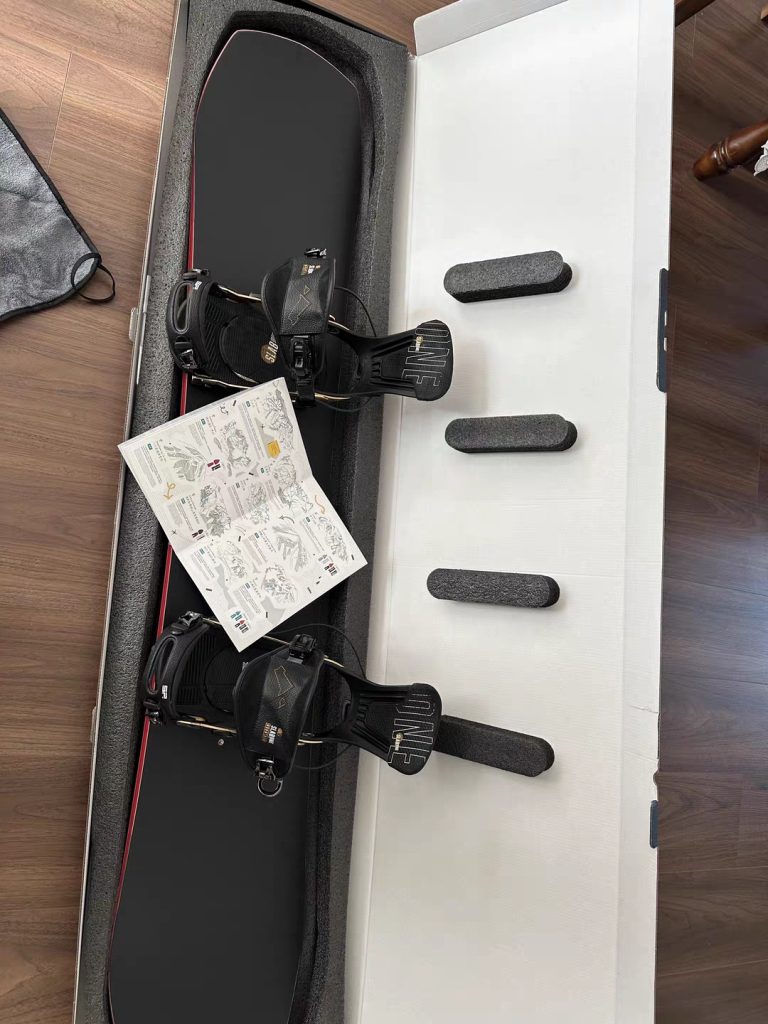
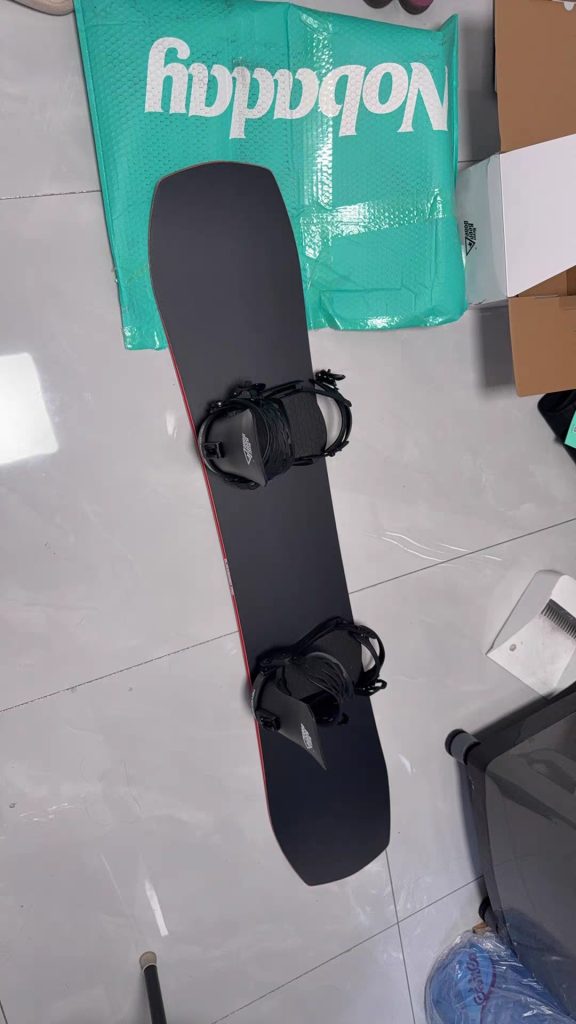
China has become an important sourcing destination for snowboards, snowboard equipment, and winter sports products. For distributors, sporting-goods retailers, ski resorts, snowboard brands, and private-label companies, working with a Chinese snowboard manufacturer can provide access to OEM customization, flexible production options, competitive factory pricing, and large-scale manufacturing capacity.
However, finding a reliable snowboard manufacturer is not simply about choosing the supplier with the lowest quotation.
A snowboard is a performance product. The quality of the core, fiberglass, base, edges, sidewalls, inserts, pressing process, finishing, and quality control can directly affect durability and riding performance.
This guide explains how international buyers can evaluate Chinese snowboard manufacturers, compare OEM factories, understand typical price ranges, and reduce sourcing risks before placing a bulk order.
1. Define Your Snowboard Requirements First
Before contacting manufacturers, prepare a clear product specification.
A professional RFQ should include:
-
Snowboard type
-
Intended riding style
-
Board length
-
Board width
-
Shape
-
Camber profile
-
Core material
-
Base material
-
Fiberglass construction
-
Edge requirements
-
Insert configuration
-
Graphic design
-
Logo requirements
-
Packaging
-
Target market
-
Estimated order quantity
Different snowboard designs require different manufacturing processes.
For example, an all-mountain snowboard may require a different construction from a freestyle park board, powder board, or alpine carving snowboard.
The more specific your requirements are, the easier it is for factories to provide comparable quotations.
2. Check Whether the Supplier Is a Real Manufacturer
One of the first questions should be:
Are you the actual snowboard manufacturer?
The supplier may be:
-
A snowboard factory
-
A trading company
-
An export company
-
A sourcing company
-
A sporting-goods distributor
A trading company is not necessarily unreliable, but buyers should understand who actually manufactures the snowboard.
Ask for:
-
Factory location
-
Production facilities
-
Main product categories
-
Production capacity
-
Manufacturing process
-
OEM experience
-
Factory photos or videos
-
Quality-control procedures
-
Export experience
If possible, arrange a factory audit or use an independent inspection company.
3. Evaluate the Snowboard Manufacturing Process
A reliable manufacturer should understand the complete snowboard production process.
Typical manufacturing stages may include:
-
Material preparation
-
Core processing
-
Base preparation
-
Edge installation
-
Fiberglass layup
-
Graphic preparation
-
Insert installation
-
Pressing
-
Cutting and shaping
-
Sidewall finishing
-
Edge grinding
-
Base grinding
-
Waxing
-
Final inspection
-
Packaging
Ask the factory which processes are performed internally and which are outsourced.
This can help you understand the manufacturer’s actual production capability.
4. Check the Snowboard Core
The core is one of the most important structural components of a snowboard.
Common snowboard cores use wood constructions, often combining different wood types to achieve a balance between weight, flexibility, strength, and riding characteristics.
Ask the manufacturer about:
-
Core material
-
Core thickness
-
Wood species
-
Core construction
-
Flex characteristics
-
Moisture control
-
Quality inspection
-
Core consistency
A low-cost board may use a simpler construction, while a premium snowboard may require a carefully engineered core profile.
For OEM brands, discuss the desired flex and riding characteristics with the factory rather than specifying only the board’s appearance.
5. Inspect the Base Material
The base affects speed, durability, and maintenance.
Snowboards commonly use different types of polyethylene bases, including extruded and sintered constructions.
The choice affects:
-
Manufacturing cost
-
Durability
-
Speed
-
Wax absorption
-
Maintenance
-
Performance
If you are developing a professional snowboard brand, ask the factory to explain the base material and its performance characteristics.
Do not compare two snowboards solely by graphics and dimensions.
6. Check Fiberglass and Construction
Fiberglass reinforcement provides structural strength and influences the board’s flex.
Ask about:
-
Fiberglass type
-
Fiberglass weight
-
Layer configuration
-
Orientation
-
Resin system
-
Construction method
Different fiberglass configurations can create different flex and riding characteristics.
For a custom snowboard project, it is important to communicate your target flex and riding style clearly.
7. Evaluate the Edges and Inserts
Metal edges need to be properly installed and finished.
Check:
-
Edge material
-
Edge thickness
-
Edge installation
-
Edge consistency
-
Grinding quality
-
Corrosion protection
Also check the inserts for:
-
Position accuracy
-
Thread quality
-
Alignment
-
Installation strength
Incorrect insert positioning can cause problems when customers install bindings.
For OEM production, the factory should have a clear quality-control process for dimensional accuracy.
8. Review the Manufacturer’s OEM Capabilities
If you want to sell snowboards under your own brand, OEM capability is critical.
A manufacturer may offer customization of:
-
Board shape
-
Length
-
Width
-
Camber
-
Flex
-
Core
-
Base
-
Fiberglass
-
Graphics
-
Logo
-
Edge color
-
Packaging
Some factories can also develop completely new snowboard designs.
Ask whether the manufacturer can create:
-
Custom prototypes
-
Custom molds
-
New graphics
-
New construction
-
Different flex profiles
-
Custom packaging
A factory that only adds your logo to an existing snowboard is different from a manufacturer capable of true OEM development.
9. Understand Private Label Options
Private label is often a practical starting point for new snowboard brands.
Instead of developing a completely new board, you can select an existing factory model and customize:
-
Brand logo
-
Graphics
-
Base artwork
-
Packaging
-
Stickers
-
Product labels
This can reduce development costs and shorten the production cycle.
Private-label production is particularly useful for brands that want to test demand before investing in a completely new snowboard design.
10. Request Samples
Never place a large snowboard order based only on product photos.
Request samples from shortlisted factories.
During testing, evaluate:
Flex
Does the board match the requested flex?
Camber
Check whether the profile is consistent with the specification.
Base
Inspect flatness, finishing, and surface quality.
Edges
Check consistency and finishing.
Inserts
Verify position and thread quality.
Graphics
Check printing quality and alignment.
Overall Construction
Inspect sidewalls, topsheet, edges, base, and finishing.
If possible, have experienced snowboarders test the samples on snow.
Real-world riding tests can reveal differences that are difficult to identify through visual inspection.
11. Compare Snowboard Manufacturing Prices
Price varies significantly depending on construction, materials, quantity, customization, and manufacturing requirements.
For international B2B buyers, a broad factory-level planning range might look like:
Snowboard Type
|
Approximate Factory Price
|
Basic snowboard
|
US$35–60
|
Standard all-mountain snowboard
|
US$50–90
|
Freestyle snowboard
|
US$55–100
|
Premium snowboard
|
US$80–150+
|
Custom OEM snowboard
|
US$60–150+
|
Small private-label order
|
US$70–160+
|
These are indicative factory price ranges, not fixed quotations. Actual pricing can vary substantially according to specifications and order volume.
A 1,000-piece order using a standard factory construction can have a very different unit price from a 100-piece order with custom materials and graphics.
What Determines the Price?
Major cost factors include:
-
Board size
-
Core material
-
Base material
-
Fiberglass
-
Resin
-
Edge construction
-
Inserts
-
Topsheet
-
Graphics
-
Mold requirements
-
Packaging
-
Quantity
-
Testing
-
Customization
A premium snowboard can cost substantially more to manufacture because it may require better materials, tighter tolerances, additional development work, and more demanding quality control.
12. Compare Quotations Using the Same Specification
Suppose three manufacturers quote:
Factory A: US$48
Factory B: US$65
Factory C: US$82
It would be a mistake to immediately choose Factory A.
Ask whether all three products have the same:
-
Core
-
Base
-
Fiberglass
-
Resin
-
Edge
-
Inserts
-
Topsheet
-
Graphics
-
Packaging
-
Quality standards
If Factory A uses a basic extruded base while Factory C uses a premium sintered base, the two products should not be considered equivalent.
The best quotation is the one that provides the right combination of quality, specifications, price, and production reliability.
13. Check MOQ
Minimum order quantity can have a major impact on the total investment.
A factory may offer different MOQs for:
-
Standard models
-
Custom graphics
-
Private label
-
Custom colors
-
Custom molds
-
New snowboard designs
For example, an existing snowboard with simple branding may have a lower MOQ than a completely new design.
If you are launching a new brand, starting with a manageable quantity can reduce inventory risk.
Once the product has proven market demand, larger production runs can reduce unit costs.
14. Ask About Tooling and Mold Costs
Custom snowboard shapes may require special tooling or molds.
Before production, ask:
-
Is a new mold required?
-
What is the tooling cost?
-
Who owns the tooling?
-
How long can it be used?
-
Is maintenance included?
-
What happens if production stops?
-
Can the mold be transferred?
Tooling ownership should be clearly stated in the purchase agreement.
15. Check Production Lead Time
Production lead time depends on:
-
Existing model or new design
-
Material availability
-
Order quantity
-
Graphics
-
Packaging
-
Tooling
-
Sample approval
-
Factory production schedule
For planning purposes, buyers may encounter approximately:
Project
|
Typical Planning Range
|
Existing standard model
|
15–30 days
|
Private-label order
|
20–40 days
|
Custom graphics
|
25–45 days
|
Custom OEM model
|
45–90+ days
|
New tooling + OEM development
|
60–120+ days
|
These are general planning ranges. Actual delivery should be confirmed with the manufacturer before signing the order.
16. Check Quality Control
A professional snowboard factory should have quality-control procedures covering both materials and finished boards.
Potential inspections include:
-
Core inspection
-
Material inspection
-
Dimensional inspection
-
Flex testing
-
Camber inspection
-
Base inspection
-
Edge inspection
-
Insert alignment
-
Graphic inspection
-
Surface inspection
-
Final packaging inspection
For large orders, consider a pre-shipment inspection.
The inspection standard should be agreed before mass production begins.
17. Check Product Consistency
Consistency is particularly important for brands.
If you approve a sample, the mass-produced boards should maintain the same:
-
Dimensions
-
Flex
-
Camber
-
Graphics
-
Base
-
Edge configuration
-
Insert position
-
Construction
A factory should have a system for controlling production tolerances.
This is one reason why an experienced snowboard manufacturer can be more valuable than a supplier offering a very low initial quotation.
18. Consider Your Target Market
Different markets may prefer different snowboard configurations.
For example:
North American Market
Buyers may require a broad range of all-mountain, freestyle, and powder boards.
European Market
Product selection may need to cover different snow conditions and riding styles.
Asian Markets
Lightweight designs, beginner products, and attractive graphics may be important in certain segments.
However, market preferences vary by country and customer group.
The manufacturer should help you develop products according to your actual target customers rather than simply copying another brand’s design.
19. Check Packaging
Snowboards can be vulnerable to scratches and edge damage during transportation.
Ask about:
-
Protective film
-
Board bags
-
Foam protection
-
Edge protection
-
Individual cartons
-
Master cartons
-
Palletization
Custom packaging can also be used for private-label brands.
Before shipment, confirm carton dimensions and weights so your freight forwarder can calculate logistics costs.
20. Calculate the Landed Cost
The factory price is not your final import cost.
Your landed cost may include:
Board cost + packaging + inspection + domestic transportation + international freight + insurance + customs duties + import taxes + destination charges
For example, if a snowboard factory quotes US$70 per board, your final cost after international logistics and import charges may be higher.
This is especially important for bulky winter sports products because freight costs can have a significant effect on the final selling price.
21. Check the Manufacturer’s Export Experience
An experienced exporter should understand:
-
Commercial invoices
-
Packing lists
-
Shipping documents
-
Export procedures
-
Carton specifications
-
International freight
-
Customs requirements
Ask whether the factory has experience exporting to your target country.
However, even if the factory has export experience, buyers should independently confirm destination-market import requirements.
22. Discuss Warranty and After-Sales Support
Snowboards are performance products, so after-sales support should be considered before placing a large order.
Discuss:
-
Manufacturing defects
-
Structural defects
-
Delamination
-
Edge problems
-
Insert problems
-
Graphic defects
-
Replacement policy
-
Claims process
The exact warranty terms should be written into the purchase agreement.
23. Protect Your Brand and Design
If you are developing an original snowboard design, protect your intellectual property.
Consider:
-
Trademark registration
-
Graphic copyright
-
Design protection
-
Confidentiality agreements
-
Custom mold ownership
-
Technical drawings
-
Product specifications
Do not assume that sending your design to a factory automatically gives you exclusive ownership.
Clearly define ownership and permitted use in your contract.
24. Build a Supplier Comparison Table
A simple supplier evaluation system can help you make a better decision.
Evaluation Factor
|
Supplier A
|
Supplier B
|
Supplier C
|
Factory capability
|
|
|
|
Snowboard experience
|
|
|
|
Sample quality
|
|
|
|
Core quality
|
|
|
|
Base quality
|
|
|
|
Flex consistency
|
|
|
|
OEM capability
|
|
|
|
MOQ
|
|
|
|
Unit price
|
|
|
|
Production lead time
|
|
|
|
Quality control
|
|
|
|
Packaging
|
|
|
|
Export experience
|
|
|
|
After-sales support
|
|
|
|
Avoid selecting a supplier based on price alone.
25. Questions to Ask a Chinese Snowboard Manufacturer
Before placing an order, ask:
-
Are you a manufacturer or trading company?
-
How long have you been producing snowboards?
-
What types of snowboards do you manufacture?
-
What core materials do you offer?
-
What base materials are available?
-
Can you provide custom flex?
-
Can you produce custom shapes?
-
Can you customize graphics?
-
Can you add our logo?
-
What is the MOQ?
-
What is the sample cost?
-
What is the production lead time?
-
Do custom designs require new tooling?
-
Who owns the mold?
-
What quality inspections do you perform?
-
Can you provide replacement products for manufacturing defects?
-
What packaging options are available?
-
What export markets do you currently serve?
A factory that provides detailed and consistent answers is generally easier to evaluate.
FAQ
How much does it cost to manufacture a snowboard in China?
A broad factory-level range can be approximately US$35–150+ per snowboard, depending on construction, materials, quantity, customization, and quality level.
Basic boards may fall around US$35–60, while professional, premium, or highly customized OEM boards can exceed US$100.
Actual quotations should be based on the exact specifications and order quantity.
What is the MOQ for Chinese snowboard manufacturers?
MOQ varies between factories.
Existing models with simple private labeling may have lower MOQs, while custom graphics, colors, shapes, and new molds generally require larger quantities.
Ask each factory for its MOQ based on your specific design.
Can Chinese factories manufacture custom snowboards?
Yes. Depending on the factory’s capabilities, OEM services can include custom shapes, lengths, widths, flex profiles, graphics, cores, bases, fiberglass configurations, inserts, and packaging.
Not every factory offers the same level of customization, so samples and technical discussions are important.
How long does it take to manufacture custom snowboards in China?
A standard private-label project may take approximately 20–40 days, while a new OEM design can require 45–90 days or longer.
If new tooling, prototyping, testing, or complex material sourcing is required, the total development period can be longer.
What is the difference between private label and OEM snowboards?
Private label usually uses an existing factory design with your branding and packaging.
OEM production generally allows more extensive product customization.
For startups, private label can be a faster way to test the market. For established brands, OEM can provide greater product differentiation.
How do I verify a snowboard manufacturer in China?
Request company information, factory details, product samples, manufacturing specifications, quality-control information, export experience, and relevant business documentation.
For larger projects, consider a factory audit and pre-shipment inspection.
What affects snowboard factory pricing the most?
The major factors include:
-
Core construction
-
Base material
-
Fiberglass
-
Resin
-
Board dimensions
-
Edge construction
-
Inserts
-
Graphics
-
Tooling
-
Packaging
-
Order quantity
-
Customization
Comparing factories only by unit price can therefore be misleading.
Final Thoughts
Choosing a reliable snowboard manufacturer in China requires a combination of product testing, factory verification, technical evaluation, price comparison, and quality control.
For many B2B buyers, a reasonable starting factory-price planning range is approximately US$35–150+ per snowboard, but the actual quotation depends heavily on the construction and order quantity.
The safest sourcing process is:
Define your snowboard specifications → Find several manufacturers → Verify factory capabilities → Request samples → Test performance → Compare equivalent quotations → Confirm MOQ and lead time → Approve production specifications → Inspect the finished order → Arrange international shipment.
For brands planning OEM or private-label snowboards, the ideal manufacturer should not simply offer a competitive price. It should also provide consistent construction, reliable quality control, flexible customization, stable production, reasonable lead times, and long-term OEM support.


No reply content