
China Surfboard and Snowboard Manufacturer Co., Ltd.

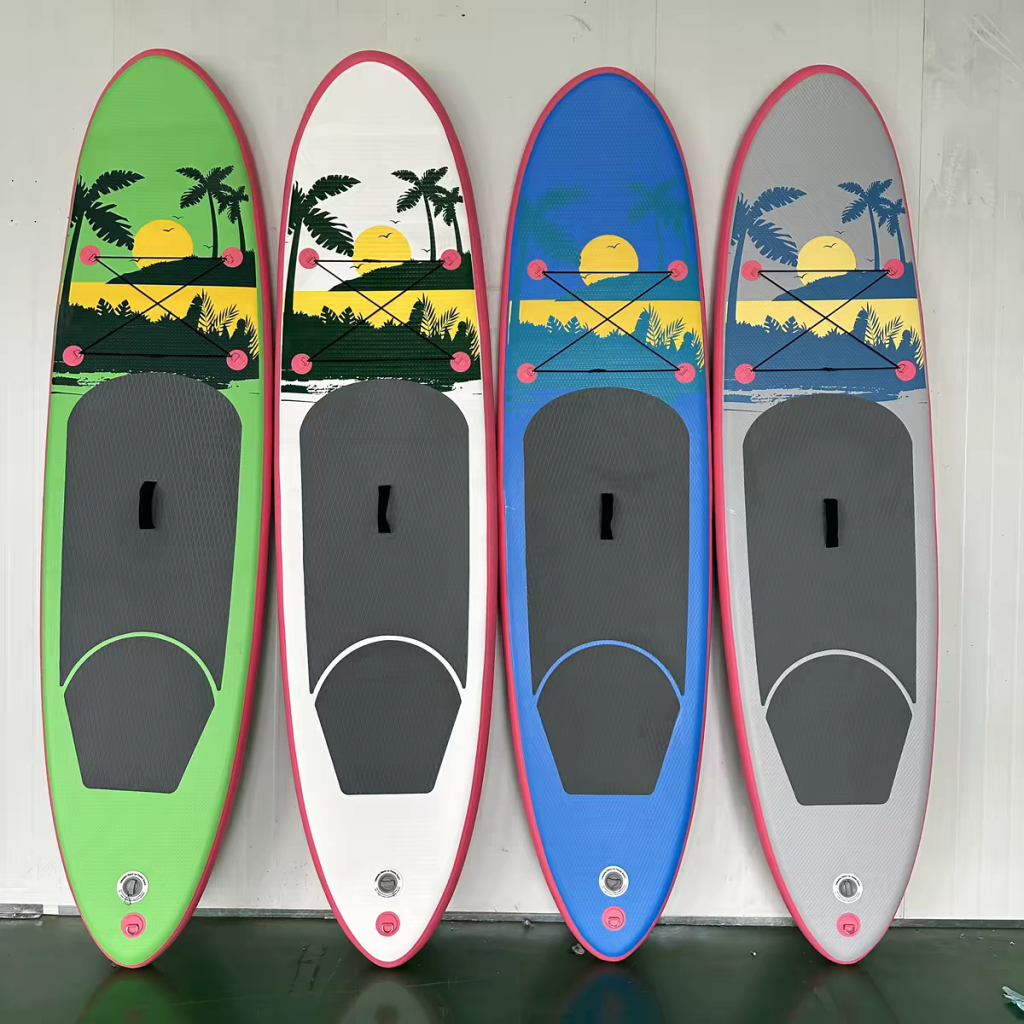
Finding a reliable surfboard manufacturer in China can help importers, distributors, retailers, surf schools, and private-label brands access competitive manufacturing costs and a wide range of product options.
However, choosing the right factory is not simply about finding the lowest price. Surfboards require careful control of materials, dimensions, shape, weight, construction, glassing, finishing, and packaging. A factory that produces inexpensive boards may not necessarily be suitable for a professional surf brand.
Whether you are looking for shortboards, longboards, funboards, foam surfboards, epoxy surfboards, SUP boards, or custom OEM products, this guide explains how to evaluate Chinese surfboard manufacturers and reduce purchasing risks.
1. Define the Type of Surfboard You Need
Before contacting manufacturers, determine what kind of surfboard you want to purchase.
Common categories include:
Surfboard Type |
Typical Application |
|---|---|
Shortboard |
Performance surfing |
Longboard |
Traditional and recreational surfing |
Funboard |
Beginners and intermediate surfers |
Fish surfboard |
Small-wave surfing |
Foam surfboard |
Beginners and surf schools |
Epoxy surfboard |
Lightweight performance and durability |
Fiberglass surfboard |
Traditional surfboard construction |
SUP board |
Stand-up paddleboarding |
Custom surfboard |
Specialized designs and brands |
Different products require different manufacturing processes.
For example, a beginner foam board may prioritize stability, durability, and safety, while a high-performance shortboard may require precise shaping, lightweight construction, and specific flex characteristics.
Define the target customer before selecting the factory.
2. Decide Your Target Market
The right surfboard depends heavily on where and how it will be sold.
A surfboard designed for Australia may have different requirements from one designed for Europe, North America, Southeast Asia, or other markets.
Consider:
-
Customer skill level
-
Wave conditions
-
Board size
-
Product weight
-
Price range
-
Retail positioning
-
Climate
-
Transportation requirements
For example, beginner customers may prefer wider and more stable boards, while experienced surfers may prioritize performance and responsiveness.
Your target market should influence the specifications you give to the manufacturer.
3. Find Several Chinese Surfboard Manufacturers
Do not contact only one factory.
Create a shortlist of several potential manufacturers.
Useful search terms include:
-
Surfboard manufacturer China
-
Surfboard factory China
-
Custom surfboard manufacturer
-
Surfboard OEM China
-
Private label surfboards China
-
Epoxy surfboard manufacturer
-
Foam surfboard factory
-
Longboard surfboard manufacturer
Potential sources include:
-
B2B platforms
-
Manufacturer websites
-
Industry exhibitions
-
Surfing industry networks
-
Supplier directories
-
Search engines
The goal is to identify several factories that appear capable of producing your required board.
4. Verify That the Supplier Is a Real Manufacturer
A professional website does not automatically prove that a company operates a factory.
Ask the supplier for:
-
Factory address
-
Company information
-
Production photographs
-
Production videos
-
Manufacturing experience
-
Monthly production capacity
-
Main product categories
-
OEM experience
-
Quality-control process
If possible, arrange a live factory video call.
Ask the supplier to show:
-
Shaping area
-
Lamination area
-
Sanding and finishing
-
Painting or printing area
-
Quality-control area
-
Packaging area
-
Finished-board warehouse
This can help you understand the actual production process.
5. Check Manufacturing Experience
Ask specifically about surfboard manufacturing experience.
Useful questions include:
How many years have you manufactured surfboards?
What types of surfboards do you specialize in?
What construction methods do you use?
How many boards can you produce per month?
Which countries do you export to?
Do you provide OEM and ODM services?
A factory with extensive experience producing the exact type of board you need is generally preferable to a manufacturer that only recently entered the market.
6. Understand Surfboard Construction
Construction has a major effect on performance, durability, weight, and price.
Common construction approaches include:
PU/Fiberglass Construction
Traditional polyurethane foam combined with fiberglass and resin.
Potential characteristics include:
-
Traditional feel
-
Flexible performance
-
Wide range of shapes
EPS/Epoxy Construction
EPS foam combined with epoxy resin and fiberglass.
Potential advantages include:
-
Lightweight construction
-
Durability
-
Different flex characteristics
Foam Construction
Foam boards are commonly designed for:
-
Beginners
-
Surf schools
-
Recreational users
-
Children
They generally emphasize stability and durability.
Ask the manufacturer exactly which materials and construction methods are used rather than relying only on terms such as “premium surfboard.”
7. Check the Core Material
The board core affects weight, durability, and performance.
Ask about:
-
EPS
-
PU
-
XPS
-
Foam density
-
Core thickness
-
Stringer configuration
For foam boards, ask about the type and density of the foam.
For performance boards, ask about the core structure and how it affects flex.
The manufacturer should be able to explain why the selected material is appropriate for the product.
8. Check Fiberglass and Resin
Fiberglass and resin affect the strength and weight of the finished board.
Ask about:
-
Fiberglass weight
-
Number of fiberglass layers
-
Resin type
-
Lamination process
-
Resin-to-fabric ratio
-
Curing process
The exact specification should be documented.
For example, two surfboards with identical dimensions can have very different weights and durability depending on their construction.
9. Evaluate the Shape and Dimensions
Surfboard dimensions need to be precise.
Important specifications include:
-
Length
-
Width
-
Thickness
-
Volume
-
Nose width
-
Tail width
-
Rocker
-
Rails
-
Bottom contour
-
Fin configuration
For OEM products, provide the manufacturer with an approved design or detailed specification.
Small differences in shape can affect how the board performs in the water.
10. Check Board Weight
Weight is particularly important for performance boards and transportation.
Ask the manufacturer for:
-
Target weight
-
Weight tolerance
-
Finished-board weight
-
Packaging weight
A difference between the advertised weight and actual production weight may indicate changes in materials or construction.
For private-label brands, establish an acceptable weight tolerance before mass production.
11. Inspect the Rails and Bottom
The rails and bottom contour have a major effect on board performance.
Check:
-
Rail shape
-
Rail thickness
-
Bottom contour
-
Concaves
-
Channels
-
Tail shape
For custom boards, compare the production board with your approved sample or design.
A factory should be able to maintain consistent shaping across production batches.
12. Check Fin Boxes and Leash Plug
Important hardware includes:
-
Fin boxes
-
Leash plug
-
Inserts
-
Handles where applicable
Inspect whether these components are:
-
Properly positioned
-
Securely installed
-
Properly bonded
-
Free from visible defects
Ask whether the factory can use your specified hardware.
If you already have a preferred fin-system specification, confirm it before production.
13. Check Surface Finishing
A high-quality surfboard should have consistent finishing.
Inspect:
-
Sanding
-
Paint
-
Gloss
-
Matte finish
-
Graphics
-
Logos
-
Edges
-
Lamination
Look for:
-
Uneven surfaces
-
Air bubbles
-
Pinholes
-
Resin defects
-
Scratches
-
Uneven paint
-
Delamination
Surface appearance is particularly important for retail products.
14. Check for Delamination and Water Damage Risks
One of the serious concerns with composite boards is delamination.
Potential warning signs include:
-
Soft spots
-
Bubbles
-
Separation between layers
-
Cracks
-
Poorly bonded components
Ask the manufacturer how it controls lamination quality.
The factory should have a defined process for:
-
Lamination
-
Curing
-
Inspection
-
Finishing
Do not judge construction quality only from the board’s appearance.
15. Order Samples Before Bulk Production
Always order samples before placing a large order.
Ideally, request samples from several manufacturers.
Test:
-
Dimensions
-
Weight
-
Shape
-
Surface finish
-
Flex
-
Hardware
-
Graphics
-
Packaging
If you have an existing reference board, compare the Chinese factory’s sample directly with your reference.
16. Test Production Consistency
One good sample does not guarantee that every board will be identical.
If possible, test multiple boards.
Compare:
-
Length
-
Width
-
Thickness
-
Weight
-
Volume
-
Rocker
-
Rails
-
Fin-box position
-
Surface finish
For large orders, establish acceptable production tolerances.
This is particularly important for private-label brands that need consistent products across multiple batches.
17. Check OEM and Private-Label Capabilities
Many surfboard manufacturers offer OEM services.
Possible customization includes:
-
Board shape
-
Dimensions
-
Colors
-
Graphics
-
Logo
-
Fin configuration
-
Leash plug
-
Packaging
-
Accessories
Some factories can also develop completely new shapes.
Ask whether the factory provides:
-
Design support
-
CAD files
-
Shaping
-
Prototyping
-
Sample development
-
Mold development where applicable
Choose a factory according to the level of customization you require.
18. Ask About Minimum Order Quantity
MOQ means Minimum Order Quantity.
MOQ can vary significantly depending on the product.
For example:
Product |
MOQ Situation |
|---|---|
Existing model |
Lower |
Logo customization |
Low to moderate |
Custom graphics |
Moderate |
Custom colors |
Moderate |
Custom shape |
Higher |
New development |
Higher |
Ask separately about the MOQ for:
-
Standard board
-
Logo
-
Graphics
-
Color
-
Packaging
-
Custom shape
A new brand should avoid ordering more inventory than it can reasonably sell.
19. Compare Surfboard Prices Correctly
Surfboard prices can vary substantially according to:
-
Core material
-
Resin
-
Fiberglass
-
Construction
-
Size
-
Shape
-
Hardware
-
Graphics
-
Packaging
-
Quantity
Do not compare a basic foam board with a premium epoxy board simply because both are described as “surfboards.”
Request quotations based on identical specifications.
For example:
Specification |
Supplier A |
Supplier B |
Supplier C |
|---|---|---|---|
Length |
Same |
Same |
Same |
Width |
Same |
Same |
Same |
Thickness |
Same |
Same |
Same |
Core |
Same |
Same |
Same |
Resin |
Same |
Same |
Same |
Fiberglass |
Same |
Same |
Same |
Fin system |
Same |
Same |
Same |
Packaging |
Same |
Same |
Same |
Only then can you make a meaningful price comparison.
20. Ask for a Detailed Quotation
Your RFQ should include:
-
Product type
-
Dimensions
-
Volume
-
Construction
-
Core
-
Resin
-
Fiberglass
-
Fin system
-
Leash plug
-
Graphics
-
Logo
-
Accessories
-
Packaging
-
MOQ
-
Sample cost
-
Production lead time
-
Trade terms
The more detailed your RFQ is, the more accurate your supplier comparison will be.
21. Check Production Capacity
Production capacity becomes important when your sales increase.
Ask:
-
How many boards can you produce per month?
-
How many production lines do you have?
-
What is your current production schedule?
-
Can you increase output during peak season?
-
Which components are produced internally?
-
Which components are outsourced?
A factory that can produce 500 boards per month may not be suitable if your business eventually requires 5,000.
Choose a supplier that can grow with your business.
22. Check Production Lead Time
Ask the manufacturer to provide a realistic timeline.
For customized boards, the process may include:
Design confirmation → Sample production → Sample approval → Material preparation → Mass production → QC inspection → Packaging → Shipment
Clarify:
-
Sample lead time
-
Production lead time
-
Packaging lead time
-
Inspection time
Also ask when the official production lead time begins.
23. Check Quality Control
A professional surfboard manufacturer should have quality-control procedures.
Possible inspection points include:
Raw Materials
Check:
-
Foam
-
Fiberglass
-
Resin
-
Hardware
-
Paint
Production
Check:
-
Dimensions
-
Lamination
-
Curing
-
Shaping
-
Hardware installation
Final Inspection
Check:
-
Weight
-
Dimensions
-
Appearance
-
Graphics
-
Hardware
-
Packaging
Ask for the manufacturer’s actual inspection procedure.
24. Create a Product Quality Standard
Before mass production, establish a written quality standard.
For example:
Item |
Requirement |
|---|---|
Length |
Approved specification |
Width |
Approved specification |
Thickness |
Approved specification |
Weight |
Defined tolerance |
Graphics |
Approved artwork |
Logo |
Approved position |
Fin boxes |
Correct specification |
Leash plug |
Correct position |
Surface |
No major defects |
Packaging |
Approved design |
This reduces misunderstandings between buyer and manufacturer.
25. Check Packaging
Surfboards are large and relatively vulnerable to transportation damage.
Packaging should protect:
-
Nose
-
Tail
-
Rails
-
Bottom
-
Deck
-
Fins
-
Hardware
Ask about:
-
Individual board bags
-
Foam protection
-
Bubble wrap
-
Corner protection
-
Outer cartons
-
Pallets where applicable
Request carton dimensions and weight because these affect international freight costs.
26. Consider International Shipping
Surfboards are often large relative to their actual weight.
This means shipping may be affected significantly by dimensional or volumetric weight.
Common transportation options include:
Express
Generally suitable for samples but can be expensive for full-size boards.
Air Freight
Faster than sea freight but may be expensive because of board dimensions.
Sea Freight
Often more suitable for larger commercial quantities.
When comparing shipping quotations, check whether the price is based on:
-
Actual weight
-
Dimensional weight
-
Volume
-
Number of boards
-
Carton dimensions
27. Calculate Your Landed Cost
Your real purchasing cost includes much more than the factory quotation.
A simplified formula is:
Product Cost + OEM + Packaging + Inspection + Inland Transportation + International Freight + Duties + Taxes + Local Delivery = Landed Cost
For example:
Suppose you purchase:
100 surfboards at $120 each
Product cost:
$12,000
Additional costs:
$4,000
Estimated landed cost:
$16,000
Effective landed cost:
$160 per board
This is only an illustration. Actual costs depend on board specifications, destination, freight method, taxes, and other factors.
28. Check Export Experience
Ask whether the manufacturer regularly exports surfboards internationally.
Export experience can be useful for:
-
Packaging
-
Shipping documents
-
Commercial invoices
-
Packing lists
-
Customs procedures
-
International transportation
However, you should still verify the import requirements of your destination country.
29. Check Warranty and After-Sales Support
Before placing a bulk order, ask about:
-
Warranty period
-
Manufacturing defects
-
Replacement policy
-
Repair policy
-
Damaged shipment procedures
-
Spare hardware
-
Replacement fins
-
Replacement leash plugs
Make sure the warranty conditions are clear before production.
30. Check Spare Parts and Accessories
Depending on your product, useful accessories may include:
-
Fins
-
Leashes
-
Board bags
-
Traction pads
-
Fin keys
-
Screws
-
Replacement hardware
If you operate a private-label brand, having a stable source of replacement parts can improve after-sales service.
31. Check Brand and Design Protection
If the manufacturer is producing a custom surfboard for your brand, protect your:
-
Logo
-
Graphics
-
Product artwork
-
Board designs
-
CAD files
-
Custom molds
-
Packaging artwork
For larger OEM projects, establish appropriate written agreements concerning confidentiality, intellectual property, and ownership of custom designs or tooling.
32. Watch for Common Red Flags
Be cautious if a manufacturer:
Refuses to Provide Samples
You should be able to evaluate the actual product before making a large commitment.
Cannot Explain Materials
A professional manufacturer should know the core, resin, fiberglass, and construction method.
Gives Extremely Low Prices
A very low price may indicate differences in materials or construction.
Cannot Show Production Capability
Ask for a factory video or live inspection.
Changes Specifications
Make sure approved specifications are documented.
Cannot Explain Quality Control
Ask for specific inspection procedures.
Provides Inconsistent Information
Different sales representatives should provide consistent product specifications.
33. How to Compare Three Chinese Surfboard Manufacturers
Suppose you have three suppliers.
Factor |
Factory A |
Factory B |
Factory C |
|---|---|---|---|
Price |
Low |
Medium |
High |
Quality |
Medium |
High |
High |
OEM |
Basic |
Advanced |
Advanced |
MOQ |
Low |
Medium |
High |
Capacity |
Medium |
High |
High |
Packaging |
Standard |
Custom |
Premium |
Lead time |
Medium |
Short |
Medium |
Do not automatically choose Factory A.
If you are building a premium surf brand, Factory B or C may offer better long-term value.
The best supplier depends on your business model.
34. A Practical Supplier Selection Process
Follow these steps:
Step 1 — Define Your Product
Specify board type, size, construction, target customer, and price range.
Step 2 — Find Multiple Factories
Create a shortlist of potential Chinese manufacturers.
Step 3 — Send the Same RFQ
Give each manufacturer identical requirements.
Step 4 — Compare Quotations
Compare specifications, not only price.
Step 5 — Order Samples
Test the boards carefully.
Step 6 — Verify the Factory
Use a video inspection, factory visit, or independent inspection where appropriate.
Step 7 — Approve the Product
Confirm dimensions, materials, graphics, hardware, and packaging.
Step 8 — Confirm Quality Standards
Define acceptable tolerances before production.
Step 9 — Place a Controlled First Order
Avoid excessive inventory.
Step 10 — Inspect Before Shipment
For larger orders, consider pre-shipment inspection.
35. Questions to Ask a Chinese Surfboard Manufacturer
You can send this checklist to potential suppliers:
-
Are you a manufacturer or trading company?
-
How many years have you manufactured surfboards?
-
Where is your factory located?
-
What types of surfboards do you produce?
-
What construction methods do you offer?
-
What core materials do you use?
-
What resin do you use?
-
What fiberglass specifications are available?
-
Can you manufacture custom shapes?
-
Do you offer OEM and ODM?
-
What is your MOQ?
-
What is the sample cost?
-
What is the production lead time?
-
What is your monthly production capacity?
-
Can you customize logos and graphics?
-
Can you customize packaging?
-
What fin systems can you provide?
-
What accessories are available?
-
What quality-control procedures do you use?
-
What is your warranty policy?
-
Can you provide replacement parts?
-
What are your payment terms?
-
What shipping terms can you offer?
-
What export markets do you currently serve?
36. What Makes a Reliable Surfboard Manufacturer?
A reliable Chinese surfboard factory should ideally demonstrate:
-
Consistent manufacturing quality
-
Experienced shaping and production
-
Stable raw-material sourcing
-
Good lamination and finishing
-
Accurate dimensions
-
Consistent board weight
-
Reliable hardware installation
-
OEM/ODM capabilities
-
Clear quality standards
-
Reasonable MOQ
-
Stable production capacity
-
Competitive pricing
-
Good packaging
-
Export experience
-
Responsive communication


No reply content