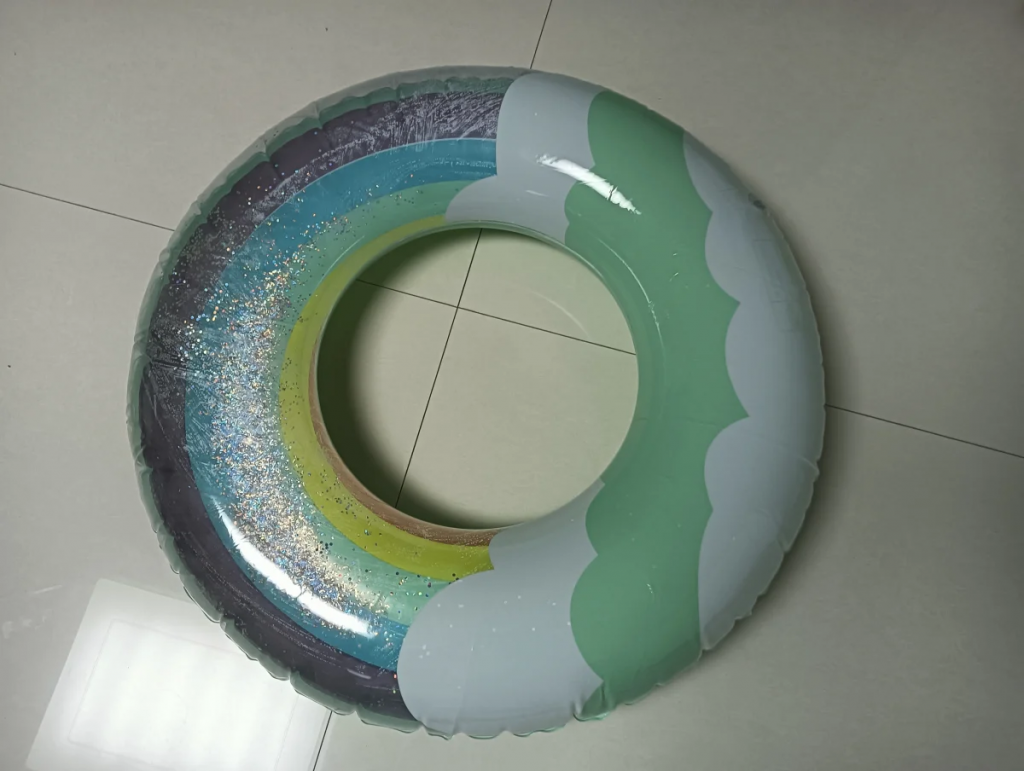
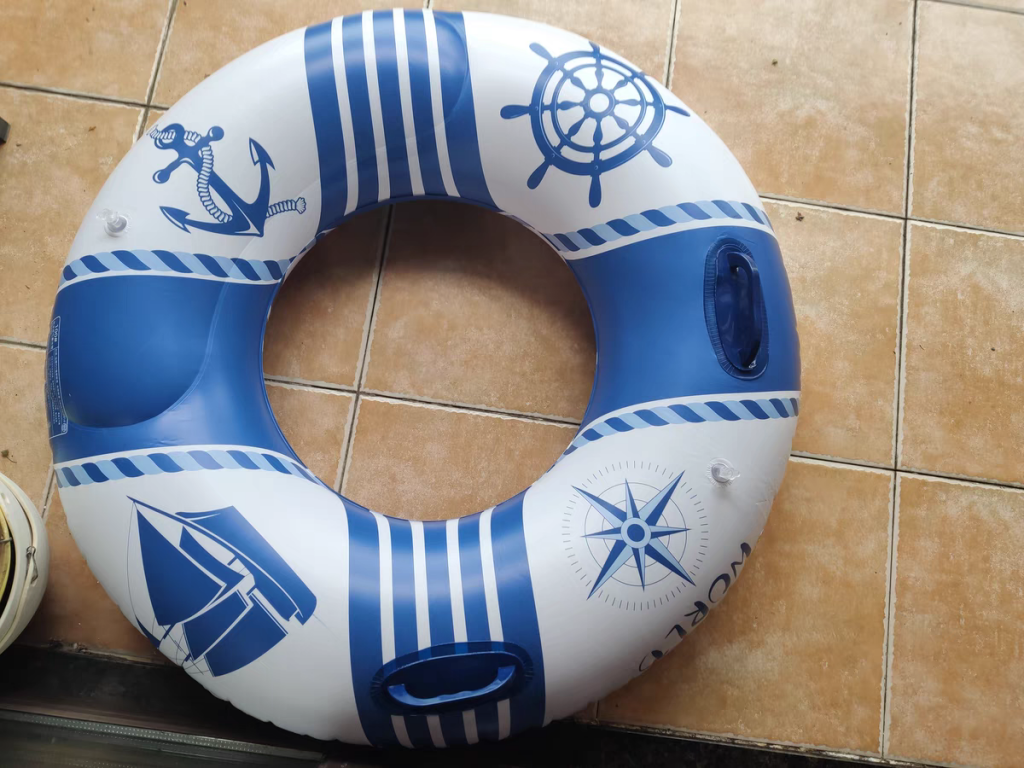
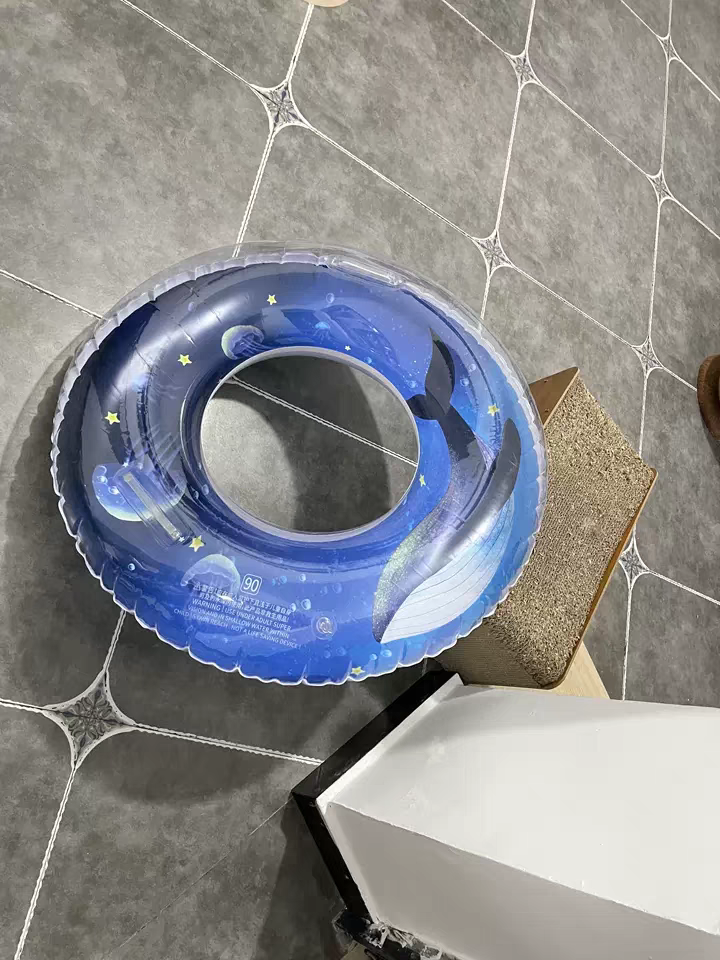
Whether you are a retail store owner looking to stock high-demand summer inventory, a resort manager sourcing durable poolside amenities, or an individual buyer planning a bulk order for events, finding the right swim ring supplier is critical.
Inflatable water products must balance fun aesthetic design with strict safety standards. Poorly manufactured swim rings can lead to rapid deflation, chemical odors, or serious safety hazards in the water. This comprehensive guide breaks down what to look for in a trustworthy supplier and how to make the best purchasing decisions.
1. Essential Features of High-Quality Swim Rings
Before comparing manufacturers, you need to understand the technical specifications that separate premium swim rings from cheap, unsafe alternatives:
- Durable & Non-Toxic Materials: Quality swim rings are made from heavy-duty PVC (Polyvinyl Chloride) or TPU (Thermoplastic Polyurethane). Ensure the material is BPA-free, phthalate-free, and meets strict environmental safety standards.
- Leak-Proof Valves: Look for dual-action safety valves or double-layer air nozzles that prevent rapid air loss even if the plug accidentally pops open.
- UV and Chlorine Resistance: Outdoor exposure to harsh sunlight and pool chemicals can degrade standard plastics quickly. High-grade swim rings feature UV-resistant coatings to prevent fading, cracking, and surface stickiness.
- Smooth Seams: High-frequency thermal welding creates smooth, reinforced seams that do not scratch sensitive skin or split under pressure.
2. Key Criteria for Evaluating Swim Ring Suppliers
When searching for international or domestic suppliers, use these criteria to screen potential partners:
A. Safety Certifications & Compliance
Water safety is regulated heavily across global markets. A legitimate manufacturer must provide documented proof that their products comply with regional regulations:
- North America: ASTM F963 (Standard Consumer Safety Specification for Toy Safety) and CPSIA.
- Europe: EN 71 (Safety of Toys) and CE marking.
- Global Standard: ISO 25649 (Floating leisure articles for use on and in the water).
B. Production Capacity & Customization (OEM/ODM)
If you are ordering in bulk or creating a custom brand, ask suppliers about their capabilities:
- MOQ (Minimum Order Quantity): Does their minimum order fit your budget and warehouse capacity?
- Custom Printing: Can they accommodate custom graphics, corporate branding, or unique custom molds?
- Defect Rates & Quality Control: Do they perform a 24-hour inflation leak test on 100% of their produced units before packaging?
C. Material Thickness
Standard thin pool floats usually range around 0.18 mm to 0.20 mm in thickness, which puncture easily. Premium suppliers offer heavy-duty options between 0.25 mm and 0.35 mm for superior puncture resistance and longevity.
3. Top Red Flags to Avoid
When communicating with potential suppliers, watch out for these warning signs:
- Unusually Low Prices: Dirt-cheap pricing usually indicates thin material, recycled non-food-grade plastics, or skipped leak-testing protocols.
- Vague Material Specifications: Avoid suppliers who simply list “plastic” without specifying thick, phthalate-free PVC or TPU.
- Lack of Test Reports: If a vendor refuses or hesitates to provide updated safety test certificates, do not proceed with the purchase.
Frequently Asked Questions (FAQ)
Q1: What is the main difference between PVC and TPU swim rings?
PVC is the most common, cost-effective, and versatile material used for pool floats. TPU is a premium alternative that is lighter, eco-friendly, more flexible at low temperatures, completely odorless, and superior in abrasion resistance—though it comes at a higher price point.
Q2: How do suppliers test swim rings for leaks before shipping?
Reputable manufacturers use a 24-hour pressure test. Every inflated swim ring is left in a climate-controlled room for 24 to 48 hours to monitor air retention before being deflated, folded, and packed.
Q3: What thickness is recommended for commercial or rental use?
For high-frequency use (such as water parks, resorts, or rental businesses), opt for heavy-duty swim rings with a material thickness of at least 0.30 mm to 0.35 mm, featuring reinforced handles and dual-welded seams.
Q4: Can I order sample swim rings before placing a bulk order?
Yes, professional suppliers always offer sample production. You should test samples for air retention, seam durability, valve fit, and overall material feel before approving a mass production run.
Summary
Choosing the right swim ring supplier comes down to safety compliance, material quality, and rigorous quality control. By partnering with a manufacturer that prioritizes leak testing and heavy-duty, eco-friendly materials, you ensure a safe, long-lasting, and enjoyable experience on the water.


No reply content