
China computer manufacturers
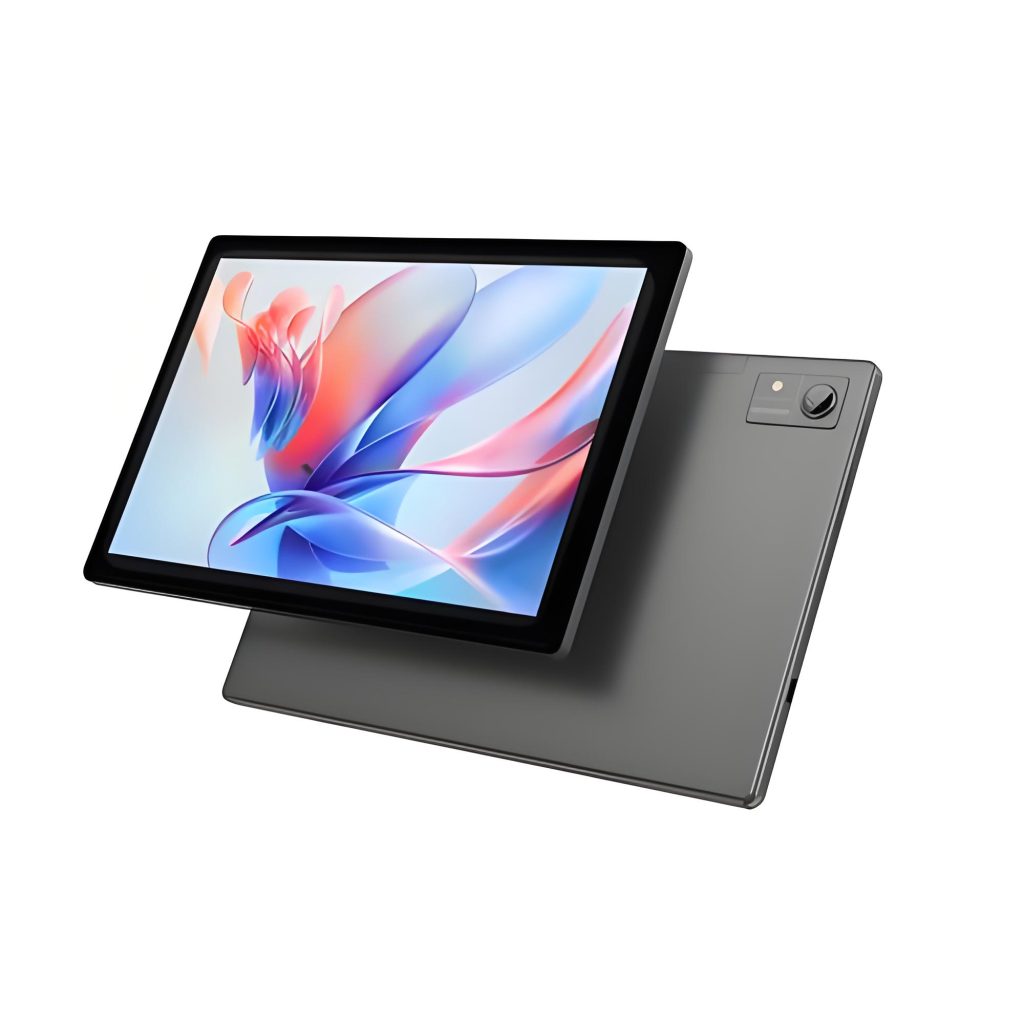
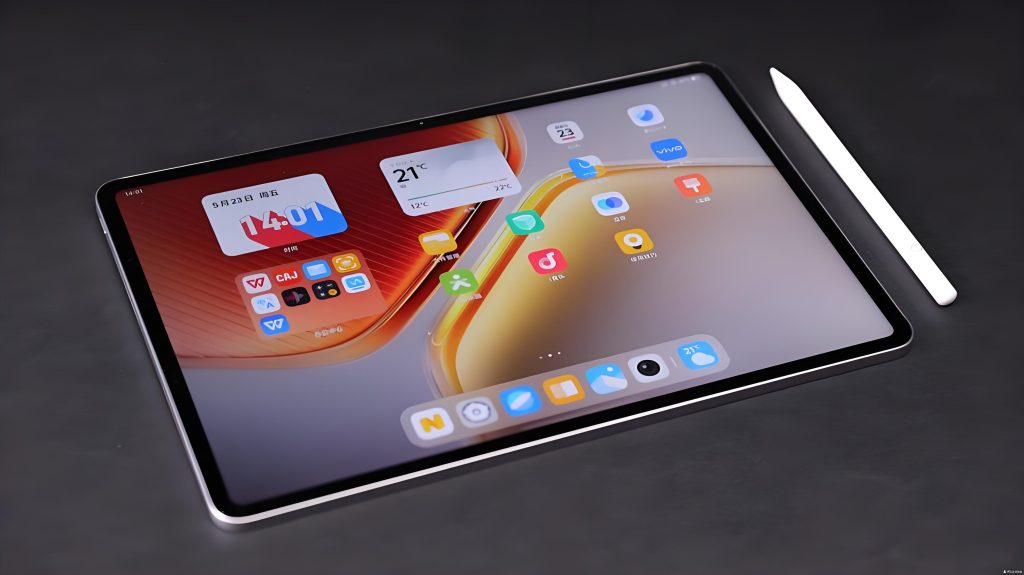

Choosing a reliable tablet PC manufacturer in China is an important decision for importers, distributors, retailers, technology companies, educational organizations, and businesses planning to launch their own tablet brand.
China has a large electronics manufacturing ecosystem, but not every supplier has the same production capability, engineering experience, quality-control system, or ability to support international OEM and ODM projects.
A low factory quotation does not necessarily mean lower total procurement costs. A reliable supplier should be evaluated based on product quality, technical capability, customization support, production consistency, compliance documentation, communication, delivery performance, and after-sales service.
This guide explains how to evaluate a Chinese tablet PC manufacturer before placing an order.
1. Define Your Tablet Requirements First
Before searching for manufacturers, clearly define what you actually need.
A basic specification should include:
-
Screen size
-
Display resolution
-
Processor
-
RAM
-
Storage
-
Operating system
-
Battery capacity
-
Front camera
-
Rear camera
-
Wi-Fi
-
Bluetooth
-
4G or 5G
-
GPS
-
USB ports
-
SIM card
-
MicroSD
-
Speaker
-
Microphone
-
Housing material
-
Logo
-
Packaging
-
Accessories
You should also define the intended application.
For example, a tablet for education may have different requirements from one used in logistics, retail, hospitality, healthcare, or industrial environments.
A clear specification makes supplier comparison much more accurate.
2. Determine Whether You Need Standard, OEM, or ODM
The sourcing model directly affects the type of manufacturer you should choose.
Standard Tablet
A standard model is already developed and produced by the supplier.
This option is suitable when you need:
-
Faster procurement
-
Lower development costs
-
Established hardware
-
Limited customization
You may only need to add your logo or customize the packaging.
OEM Tablet
OEM manufacturing is appropriate when you have specific product requirements.
You may specify:
-
Hardware
-
Appearance
-
Branding
-
Packaging
-
Software
-
Accessories
The manufacturer produces the tablet according to the agreed specifications.
ODM Tablet
ODM is more suitable when you need assistance with product development.
The manufacturer may provide:
-
Reference designs
-
Hardware engineering
-
Industrial design
-
Mechanical development
-
Firmware
-
Software customization
-
Prototype development
For companies without their own electronics engineering team, ODM can be an efficient way to develop a customized tablet.
3. Verify the Company’s Manufacturing Capability
One of the first questions to ask is whether the supplier is actually a manufacturer, a trading company, or a combination of both.
A trading company can still provide useful sourcing services, but its capabilities may be different from those of a factory.
For OEM and ODM projects, ask about:
-
Production lines
-
Assembly facilities
-
Engineering department
-
Quality-control department
-
Testing equipment
-
Monthly production capacity
-
Product development experience
You can also request factory photos, videos, production information, or arrange a factory audit for larger projects.
The purpose is not simply to find the largest factory. The goal is to find a manufacturer whose capabilities match your project.
4. Check Relevant Product Experience
A supplier may have extensive experience producing tablets but still be unsuitable for your particular application.
For example:
A consumer tablet manufacturer may not have sufficient experience with rugged industrial tablets.
A basic Android tablet supplier may not have the software engineering capabilities required for an enterprise device.
A manufacturer experienced in education tablets may have limited experience with cellular or industrial applications.
Therefore, ask about products similar to your intended application.
Relevant experience can reduce development problems and shorten communication time.
5. Evaluate Hardware Engineering Capability
A reliable OEM/ODM manufacturer should understand how different components work together.
Important areas include:
-
Processor selection
-
PCB design
-
Memory
-
Storage
-
Display integration
-
Touchscreen
-
Battery
-
Charging system
-
Camera
-
Wireless modules
-
Thermal management
-
Mechanical structure
Hardware selection should be based on the complete product requirement rather than simply choosing the highest specification.
For example, a larger battery may increase operating time but also increase weight and product thickness.
Similarly, a high-performance processor may increase performance but can also affect power consumption and thermal design.
6. Evaluate Software Capabilities
For Android tablets, software support can be just as important as hardware.
Depending on the manufacturer’s capabilities, software customization may include:
-
Boot logo
-
Boot animation
-
Launcher
-
Pre-installed applications
-
System language
-
Kiosk mode
-
Device management
-
OTA updates
-
Enterprise applications
-
Customized system settings
If your tablet needs to run a proprietary application, test that application on the actual hardware sample.
Do not assume that an application will work simply because the tablet uses Android.
7. Request a Product Sample
A sample is one of the most important steps before mass production.
A product specification sheet cannot show everything.
During sample testing, check:
Display
-
Brightness
-
Color
-
Viewing angle
-
Resolution
-
Touch sensitivity
Performance
-
Application startup
-
Multitasking
-
System responsiveness
-
Storage performance
Connectivity
-
Wi-Fi
-
Bluetooth
-
4G/5G
-
GPS
-
USB
Battery
-
Charging
-
Battery behavior
-
Practical operating time
-
Charging temperature
Physical Quality
-
Housing
-
Buttons
-
Connectors
-
Screen assembly
-
Gaps
-
Surface finish
Software
-
System stability
-
Language
-
Applications
-
Customized functions
If the product is intended for professional use, test it under realistic operating conditions.
8. Check Quality-Control Procedures
Quality control should not begin only when the finished tablet is ready for shipment.
A professional production process may include:
Incoming Material Inspection
Components can be checked before assembly.
Production Inspection
Manufacturing personnel can inspect assembly quality during production.
Functional Testing
Finished products can be tested for basic functions.
Aging Testing
Some products may undergo extended operation testing to identify potential failures.
Final Inspection
Final inspection can verify:
-
Appearance
-
Function
-
Quantity
-
Accessories
-
Packaging
-
Labels
The exact inspection requirements should be agreed before production.
9. Ask About Production Capacity
Production capacity is important if you expect large orders.
Ask:
-
What is the monthly production capacity?
-
How many production lines are available?
-
What is the normal lead time?
-
Can capacity increase during peak periods?
-
Are important components regularly stocked?
-
How are production schedules managed?
A factory should not promise a production volume it cannot realistically deliver.
For long-term projects, consistent production capability can be more important than short-term maximum capacity.
10. Confirm Minimum Order Quantity
MOQ varies depending on the product.
A standard tablet may have a relatively simple purchasing process.
A customized tablet may require a higher MOQ because of:
-
Custom molds
-
PCB changes
-
Custom packaging
-
Special colors
-
Software development
-
Special batteries
-
Display customization
Ask the supplier to quote different quantities when possible.
For example:
-
100 units
-
500 units
-
1,000 units
-
5,000 units
This allows you to understand how order volume affects pricing.
11. Check Customization Costs
Not all customization has the same cost.
Simple Customization
Examples include:
-
Logo printing
-
Custom labels
-
Retail packaging
Medium-Level Customization
Examples include:
-
Custom colors
-
Accessories
-
Software configuration
-
Housing changes
Advanced Customization
Examples include:
-
New enclosure
-
New mold
-
Custom PCB
-
New hardware platform
-
Customized firmware
-
New industrial design
Ask the manufacturer to separate one-time development costs from recurring unit costs.
This makes the quotation easier to evaluate.
12. Verify Certifications and Compliance
The required compliance documents depend on the destination market and product configuration.
Requirements may involve:
-
Electrical safety
-
Electromagnetic compatibility
-
Radio functions
-
Battery transportation
-
Environmental requirements
-
Charger requirements
Do not simply ask a supplier, “Do you have certification?”
Instead, tell the manufacturer the destination market and product configuration and ask which applicable documents are available for the exact model.
Documents should correspond to the actual product and configuration being sold.
13. Evaluate Communication
Good communication is especially important for customized products.
A professional supplier should be able to answer questions about:
-
Technical specifications
-
Production
-
Samples
-
Quality control
-
Packaging
-
Delivery
-
Warranty
-
Documentation
Pay attention to whether the supplier gives precise answers or vague promises.
For example, “We can customize everything” is less useful than a detailed explanation of exactly which components and functions can be customized.
14. Compare Quotations Correctly
Never compare only the unit price.
Create a comparison sheet.
Item |
Supplier A |
Supplier B |
Supplier C |
|---|---|---|---|
Processor |
Confirm |
Confirm |
Confirm |
RAM |
Confirm |
Confirm |
Confirm |
Storage |
Confirm |
Confirm |
Confirm |
Display |
Confirm |
Confirm |
Confirm |
Battery |
Confirm |
Confirm |
Confirm |
Wi-Fi |
Confirm |
Confirm |
Confirm |
4G/5G |
Confirm |
Confirm |
Confirm |
GPS |
Confirm |
Confirm |
Confirm |
Software |
Confirm |
Confirm |
Confirm |
Packaging |
Confirm |
Confirm |
Confirm |
MOQ |
Confirm |
Confirm |
Confirm |
Lead Time |
Confirm |
Confirm |
Confirm |
Warranty |
Confirm |
Confirm |
Confirm |
This prevents you from comparing different products as though they were identical.
15. Calculate Total Landed Cost
The factory price is only one part of the final purchasing cost.
The total cost may include:
-
Product price
-
Packaging
-
Tooling
-
Sample cost
-
Inspection
-
Export charges
-
International shipping
-
Insurance
-
Import duties
-
Taxes
-
Local delivery
-
Other destination charges
A supplier with a slightly higher factory price may still offer a lower overall cost if the product quality and logistics efficiency are better.
16. Understand Battery Shipping Requirements
Most tablet PCs use rechargeable lithium-ion batteries.
International transportation of products containing lithium batteries can involve specific documentation, packaging, labeling, and carrier requirements.
Before shipping, confirm:
-
Battery specifications
-
Transportation documents
-
Shipping method
-
Packaging
-
Destination requirements
Do not wait until the goods are ready to ship before checking battery transportation requirements.
17. Check Packaging Quality
Tablets contain relatively large glass displays and sensitive electronics.
Packaging should protect the device against:
-
Impact
-
Pressure
-
Vibration
-
Moisture
-
Scratches
For retail products, packaging also affects brand presentation.
Possible packaging components include:
-
Retail box
-
Inner protection
-
User manual
-
Charger
-
USB cable
-
Protective case
-
Screen protector
-
Shipping carton
18. Confirm Warranty and After-Sales Support
Before placing an order, clarify:
-
Warranty period
-
Warranty coverage
-
Defect definition
-
Replacement policy
-
Repair process
-
Spare parts
-
Technical support
-
Software support
For commercial deployments, after-sales support can be particularly important because a hardware problem affecting hundreds or thousands of devices can create operational costs.
19. Protect Your Product Specifications
For a customized tablet, the buyer may have proprietary:
-
Industrial design
-
Software
-
Packaging
-
Brand
-
Hardware specifications
-
Product concept
These details should be handled carefully.
Before sharing sensitive technical information, buyers can consider appropriate confidentiality and intellectual-property arrangements.
The purchase agreement should clearly define ownership and permitted use of custom designs, molds, software, and other project-specific materials.
20. Common Warning Signs
Be cautious when a supplier:
-
Cannot clearly explain the product specification
-
Avoids providing a sample
-
Gives inconsistent technical information
-
Cannot explain quality-control procedures
-
Makes unrealistic production promises
-
Provides unclear company information
-
Changes specifications without explanation
-
Cannot provide appropriate documentation
-
Focuses exclusively on the lowest price
None of these points alone proves that a supplier is unreliable, but several warning signs together deserve additional verification.
21. Recommended Supplier Evaluation Process
A practical evaluation process can be divided into several stages.
Stage 1: Specification
Prepare a complete technical specification.
Stage 2: Supplier Search
Identify several manufacturers with relevant experience.
Stage 3: Initial Evaluation
Compare company background, product range, manufacturing capabilities, and engineering support.
Stage 4: Quotation
Request detailed quotations using the same specification.
Stage 5: Sample
Order and test samples.
Stage 6: Verification
Verify manufacturing capability, quality control, documentation, and compliance.
Stage 7: Contract
Confirm product specifications, price, quantity, delivery, inspection, warranty, and other commercial terms.
Stage 8: Mass Production
Begin production only after the final specification and sample are approved.
Stage 9: Inspection
Conduct production or pre-shipment inspection according to the agreed standard.
Stage 10: Shipment
Confirm export documents, battery transportation requirements, packaging, and logistics.
Conclusion
Choosing a reliable tablet PC manufacturer in China requires a systematic evaluation rather than simply searching for the cheapest supplier.
The most important factors include manufacturing capability, relevant product experience, hardware and software engineering, sample quality, quality control, production capacity, customization capability, compliance documentation, communication, warranty, and total landed cost.
For standard tablet purchases, an established product platform may provide the fastest route to market. For businesses building their own brand or requiring specialized functions, OEM and ODM manufacturing may offer greater flexibility.
The safest approach is to define your requirements clearly, compare multiple manufacturers using the same specifications, test samples, verify important documentation, and establish quality and delivery requirements before mass production.
FAQ
1. How can I find a reliable tablet PC manufacturer in China?
Start by defining your specifications and target application, then identify manufacturers with relevant product experience. Compare their manufacturing capabilities, engineering support, samples, quality-control procedures, production capacity, documentation, and commercial terms.
2. Should I choose a factory or a trading company?
It depends on the project. A trading company may offer broader sourcing services, while a factory may provide more direct control over manufacturing. For highly customized OEM/ODM projects, verify the actual engineering and production capabilities behind the supplier.
3. How can I verify whether a supplier is a real factory?
Request company registration information, factory information, production photos or videos, product samples, manufacturing details, and quality-control information. For larger projects, an independent factory audit can provide additional verification.
4. What is the best way to compare Chinese tablet manufacturers?
Use an identical specification sheet for every supplier. Compare processor, RAM, storage, display, battery, connectivity, software, MOQ, lead time, quality control, warranty, packaging, and total cost.
5. Is the cheapest tablet manufacturer the best choice?
Not necessarily. A lower unit price may correspond to different components, weaker quality control, fewer services, or higher long-term costs. Compare the complete specification and total landed cost.
6. Can I customize a tablet with my own brand?
Yes. Depending on the supplier and quantity, customization can include logo, packaging, boot screen, accessories, software, housing, and other product elements.
7. What is OEM and ODM tablet manufacturing?
OEM generally means manufacturing according to buyer specifications. ODM generally involves adapting or developing a product with the manufacturer’s existing platform and engineering resources.
8. Should I test a sample before ordering in bulk?
Yes. Sample testing is strongly recommended. Test the actual hardware, software, connectivity, battery, display, physical construction, and other important functions before approving mass production.
9. What should I include in a tablet RFQ?
Include screen size, processor, RAM, storage, operating system, battery, camera, Wi-Fi, cellular connectivity, GPS, ports, logo, packaging, accessories, quantity, target market, and delivery requirements.
10. What factors affect tablet manufacturing prices?
Major factors include processor, display, memory, storage, battery, camera, connectivity, housing, software customization, packaging, order quantity, tooling, and testing requirements.
11. Can a Chinese manufacturer customize Android software?
Some manufacturers can provide Android customization, including applications, launcher, boot animation, language, kiosk mode, device management, and other system functions. Confirm the exact scope with the manufacturer before development.
12. What MOQ should I expect for OEM tablets?
There is no universal MOQ. Standard models with simple branding may have lower MOQs, while products requiring custom molds, PCB development, special components, or software development may require larger quantities.
13. Do tablets need certification before international sales?
Potentially. Requirements depend on the destination country, product configuration, wireless functions, charger, battery, and applicable regulations. Buyers should verify the requirements for their specific market.
14. How long does tablet production take?
Lead time varies according to the product, order quantity, component availability, customization level, and factory schedule. Standard models are generally simpler to produce than new OEM/ODM products.
15. What should be confirmed before mass production?
Confirm the final technical specification, approved sample, logo, software, packaging, accessories, quantity, price, payment terms, delivery schedule, quality standard, warranty, documentation, and shipping requirements in writing.
Article Link:
How to Choose a Reliable Tablet PC Manufacturer in China


No reply content