
Shenzhen China Custom Web & Software Development Co., Ltd
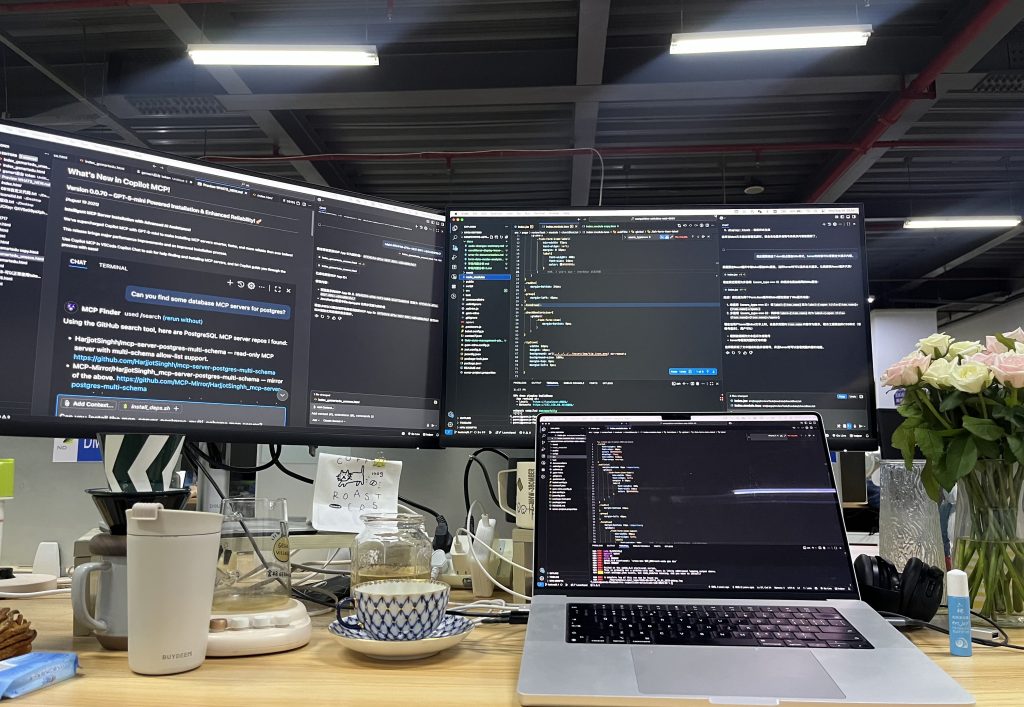
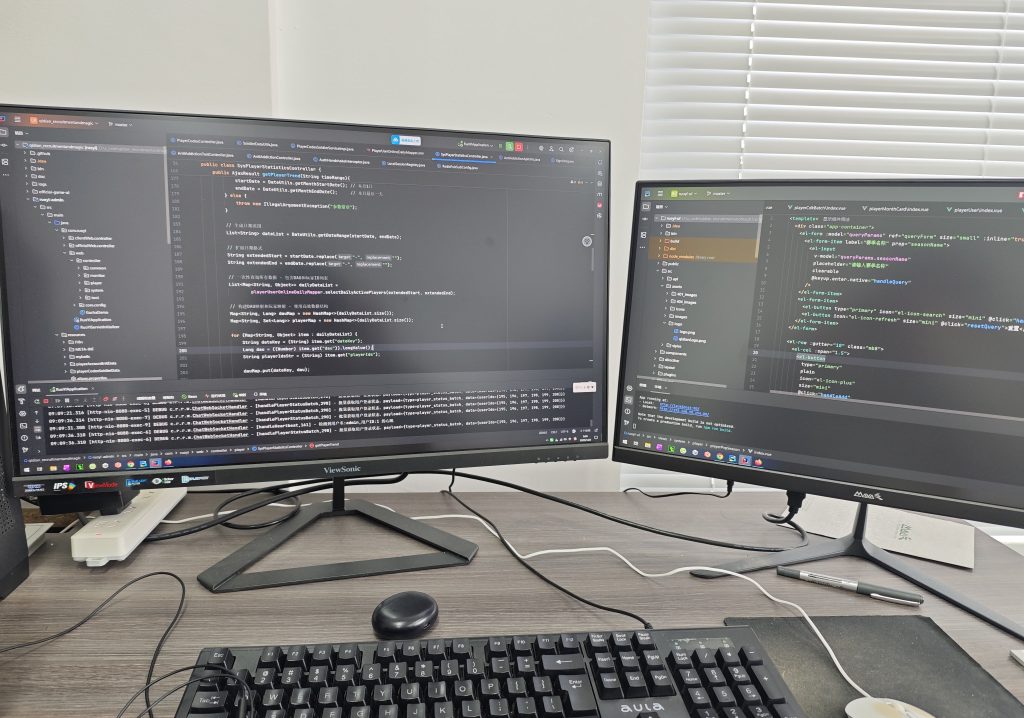
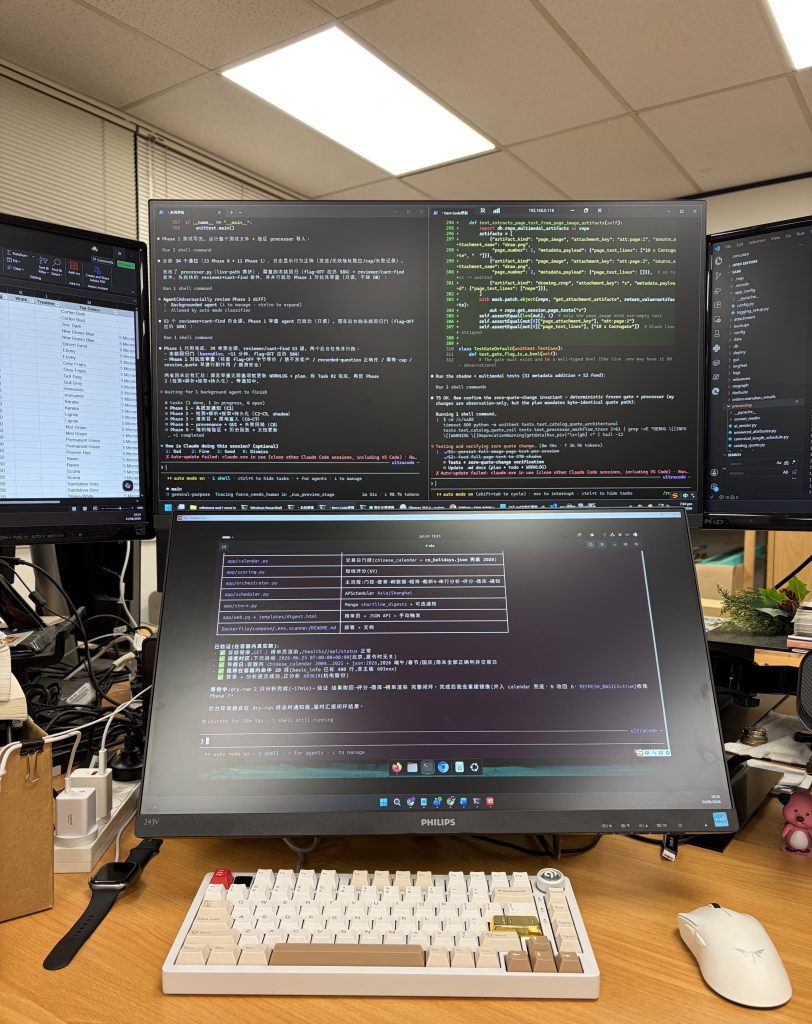
Choosing a web development company is not simply about finding someone who can build a website. A business website may become the main source of leads, an online sales channel, a customer portal, or even the foundation of an internal business system. Choosing the wrong development partner can therefore cost much more than the original development budget.
A reliable web development company should be able to understand your business, translate requirements into a practical technical solution, communicate clearly during development, and provide support after the website goes live.
The cheapest quotation is rarely the best way to judge a development company. A better approach is to look at technical capability, previous work, project scope, communication, security, scalability, and total cost.
1. Start With the Business Problem, Not the Technology
Before contacting a web development company, define what you actually need the website to accomplish.
For example, a company selling industrial equipment may only need a fast B2B website with product pages, inquiry forms, downloadable catalogs, and multilingual content. A logistics company may need quotation requests, shipment tracking, customer accounts, and an online booking system.
These are very different projects even though both may be described as “website development.”
A useful project brief should answer questions such as:
-
What does the website need to achieve?
-
Who will use it?
-
How many pages or products are expected?
-
Does the website require user accounts?
-
Is online payment required?
-
Does it need an API or third-party integrations?
-
Will the website support multiple languages?
-
Will administrators need to manage products, orders, or customers?
-
Is search engine optimization important?
-
Does the project need to connect with an ERP, CRM, payment gateway, or other business software?
The clearer these requirements are, the more meaningful the quotations from different developers will become.
2. Check Whether the Company Has Built Similar Projects
A development company’s portfolio is useful, but screenshots alone are not enough.
Look for projects that are similar to your own business model or technical requirements.
For example, if you need a B2B website, ask whether the developer has experience with:
-
Product catalogs
-
Supplier or manufacturer profiles
-
RFQ forms
-
Customer inquiries
-
Multilingual websites
-
Account registration
-
CRM integration
-
Product search and filtering
-
Large databases
If you need a web application, the evaluation should go further. Ask about authentication, database architecture, APIs, permissions, server deployment, security, backups, and ongoing maintenance.
A beautiful landing page does not automatically prove that a company can build a complex web application.
3. Understand Which Technologies Will Be Used
The technology stack should match the project rather than being selected simply because it is popular.
A modern web project may use technologies such as:
-
HTML5 and CSS
-
JavaScript
-
TypeScript
-
React
-
Next.js
-
Node.js
-
PHP
-
Python
-
MySQL or PostgreSQL
-
REST APIs
-
Cloud hosting and CDN services
For a relatively simple corporate website, a complicated technology stack may create unnecessary development and maintenance costs.
For a larger web application, however, choosing an appropriate framework and architecture can make a major difference to performance, security, scalability, and future development.
Ask the development company to explain why a particular technology is recommended for your project.
A good developer should be able to explain technical decisions in business terms rather than simply giving you a list of programming languages.
4. Ask for a Detailed Project Scope
One of the most common problems in website development is not the initial quotation. It is the difference between what the customer thinks is included and what the developer thinks is included.
A quotation should ideally identify:
-
Number of pages
-
Main features
-
Design work
-
Front-end development
-
Back-end development
-
Database development
-
API integration
-
Content migration
-
Mobile responsiveness
-
Basic SEO setup
-
Testing
-
Deployment
-
Training
-
Maintenance
-
Post-launch support
For example, “e-commerce website — $3,000” is not detailed enough.
A better proposal might explain whether the price includes product management, shopping cart functionality, payment integration, order management, customer accounts, shipping rules, email notifications, and administrator functions.
The more clearly the scope is written, the less likely you are to encounter unexpected charges later.
5. Compare Development Prices Carefully
Web development prices vary substantially because projects vary substantially.
As a general international market reference, a rough 2026 budget range may look like this:
Project Type |
Typical Budget Range |
|---|---|
Small business website |
$800–$3,000 |
Professional corporate website |
$2,000–$6,000 |
Custom B2B website |
$3,000–$10,000+ |
E-commerce website |
$3,000–$15,000+ |
Custom web application |
$8,000–$50,000+ |
Complex SaaS platform |
$20,000–$100,000+ |
These are broad estimates rather than fixed market prices. The final cost depends heavily on design complexity, number of features, integrations, database requirements, user roles, development location, testing requirements, and post-launch support.
For example, a 10-page company website with a contact form and basic CMS may cost only a few thousand dollars.
A B2B platform with supplier accounts, product management, RFQs, messaging, search, payment, dashboards, and API integrations can require tens of thousands of dollars.
Comparing the two only by the number of pages would be misleading.
6. Do Not Automatically Choose the Lowest Quote
Suppose three companies provide quotations:
-
Company A: $1,200
-
Company B: $3,500
-
Company C: $8,000
It is tempting to select Company A immediately.
But you should first determine what each quotation actually includes.
The $1,200 quotation may cover only design and basic front-end development, while the $3,500 proposal may include a CMS, responsive development, SEO structure, testing, deployment, and one month of support.
The $8,000 proposal may include custom back-end development and third-party integrations.
The correct question is therefore not:
“Which company is cheapest?”
It is:
“Which company provides the right solution for the required scope at a reasonable total cost?”
7. Evaluate Communication Before Signing the Contract
Communication problems can become expensive during development.
Before starting the project, pay attention to how the development company responds to your questions.
Do they ask about your business?
Do they clarify unclear requirements?
Do they explain technical limitations?
Do they provide milestones?
Do they identify potential risks?
Or do they simply reply:
“Send your design.”
A professional development team should be able to discuss both business requirements and technical implementation.
For international projects, communication is particularly important because differences in language, time zones, payment methods, and project management can affect the development process.
8. Ask Who Owns the Website and Source Code
This question is often overlooked.
Before signing a contract, clarify ownership of:
-
Source code
-
Website design
-
Database
-
Domain name
-
Hosting account
-
Website content
-
Images and other assets
-
Administrator accounts
-
API credentials
Ideally, the business owner should maintain control over the domain and critical accounts.
You should also know whether the development company will provide the complete source code after the project is completed.
If a company refuses to clarify ownership, treat that as a warning sign.
9. Ask About Security and Maintenance
A website is not finished simply because it is online.
Depending on the project, security considerations may include:
-
HTTPS
-
Secure authentication
-
Password protection
-
Input validation
-
Access control
-
Database security
-
API security
-
Regular backups
-
Software updates
-
Monitoring
-
Protection against common web attacks
For a business-critical web application, ongoing maintenance can be just as important as the original development.
A maintenance agreement might include bug fixes, security updates, server monitoring, backups, performance optimization, and small feature changes.
Typical maintenance budgets can range from approximately $100–$1,000+ per month, depending on the complexity and level of support required.
10. Make SEO Part of the Development Plan
If the website needs organic traffic from Google, SEO should not be added as an afterthought.
A technically sound website should consider:
-
Search-friendly URLs
-
Page titles
-
Meta descriptions
-
Heading structure
-
Internal linking
-
XML sitemap
-
Robots.txt
-
Canonical URLs
-
Mobile usability
-
Page speed
-
Structured data where appropriate
-
Indexability
-
Image optimization
Content strategy is also important.
A website targeting “web development company” may need supporting pages around specific services, industries, technologies, and locations rather than putting every keyword on the homepage.
For example, a company could create dedicated pages for:
Custom Web Development
Web Application Development
React Development
Next.js Development
E-commerce Development
B2B Website Development
Web Development Company in China
This creates a more logical structure for both users and search engines.
11. Ask How the Project Will Be Managed
A professional development process normally has several stages rather than one large delivery at the end.
A typical project may involve:
Requirement discovery → Planning → UI/UX design → Development → Testing → Client review → Deployment → Maintenance
For larger projects, development may be divided into milestones.
For example:
Milestone 1: project architecture and UI design
Milestone 2: front-end development
Milestone 3: back-end and database development
Milestone 4: integrations
Milestone 5: testing and revisions
Milestone 6: production launch
This gives the client opportunities to identify problems before the entire project is completed.
12. Consider China-Based Web Development Teams
For international businesses, working with a web development company in China can be an option when the client wants competitive development costs while still requiring custom technical work.
The important point is not simply whether the developer is located in China, India, Europe, or the United States.
Instead, evaluate:
-
Previous international projects
-
English communication
-
Technical skills
-
Project management
-
Code quality
-
Contract terms
-
Payment arrangements
-
Intellectual property ownership
-
Time-zone coordination
-
Post-launch support
A capable development team should be able to work with international clients regardless of location.
13. Questions to Ask Before Hiring a Web Development Company
Before signing a contract, ask these questions:
-
Have you developed a project similar to mine?
-
What technology stack do you recommend?
-
Why is that technology suitable for my project?
-
What exactly is included in the quotation?
-
What features are excluded?
-
Who owns the source code?
-
Will I receive the database and project files?
-
How many rounds of revisions are included?
-
How long will development take?
-
How will testing be handled?
-
What happens if the project is delayed?
-
Do you provide post-launch maintenance?
-
How much does ongoing maintenance cost?
-
Can you integrate third-party APIs?
-
Can you help with technical SEO?
-
Who controls the hosting and domain accounts?
The answers can reveal much more than a company’s marketing website.
14. A Practical Way to Shortlist Three Companies
You do not need to contact twenty developers.
A practical approach is to shortlist three companies and send all three the same project brief.
Ask each company for:
-
Recommended technical approach
-
Project timeline
-
Development cost
-
Maintenance cost
-
Deliverables
-
Relevant portfolio examples
-
Payment schedule
-
Warranty or bug-fix period


No reply content