
China Surfboard Yacht Customization Factory
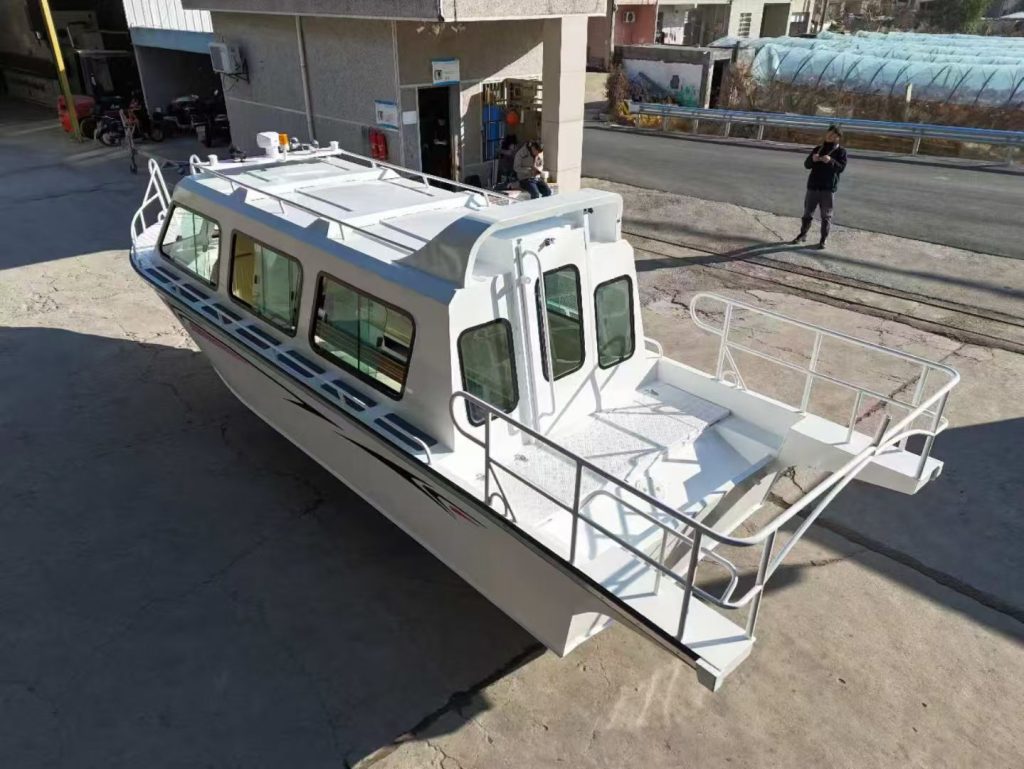
Choosing the right yacht manufacturer is one of the most important decisions when purchasing a new yacht. A reliable manufacturer should not only offer attractive designs and competitive pricing but also have proven experience in yacht construction, engineering, quality control, customization, and after-sales support.
For international buyers, the challenge is often greater because it can be difficult to verify a manufacturer’s factory, production capabilities, materials, certifications, and previous projects from overseas. This guide explains the key factors buyers should evaluate before placing a yacht manufacturing order.
1. Define Your Yacht Requirements First
Before contacting manufacturers, clearly define what you need.
Important specifications include:
-
Yacht type
-
Overall length
-
Beam width
-
Draft
-
Passenger capacity
-
Number of cabins
-
Engine configuration
-
Cruising speed
-
Maximum speed
-
Fuel capacity
-
Freshwater capacity
-
Range
-
Hull material
-
Interior style
-
Intended cruising area
-
Required navigation and communication equipment
For example, a buyer looking for a 12-meter family cruising yacht will have very different requirements from a commercial passenger vessel or a high-speed recreational yacht.
Having clear specifications allows manufacturers to provide more accurate quotations and technical proposals.
2. Check the Manufacturer’s Actual Production Experience
A professional yacht manufacturer should be able to demonstrate real manufacturing experience.
Ask the manufacturer:
-
How many years have you been building yachts?
-
What yacht sizes do you normally produce?
-
What types of yachts have you built?
-
How many yachts have been delivered?
-
Can you provide photos and technical information about completed projects?
-
Do you have experience exporting yachts internationally?
Do not judge a manufacturer only by the quality of its website.
A manufacturer with genuine production experience should normally be able to provide factory photographs, production-stage images, completed yacht examples, technical drawings, and information about its manufacturing process.
3. Evaluate the Factory and Production Capabilities
The production facility is an important indicator of whether a company can handle your project.
Look at:
-
Hull production areas
-
Welding or composite workshops
-
Painting facilities
-
Electrical installation areas
-
Engine installation areas
-
Interior workshops
-
Assembly areas
-
Testing facilities
-
Warehousing
-
Quality inspection procedures
If possible, arrange a factory visit before placing a large order.
If you cannot visit personally, consider requesting a live video factory inspection rather than relying entirely on promotional photographs.
A live video tour can help you verify whether the factory actually has the equipment, workers, production areas, and yachts shown in its marketing materials.
4. Understand the Hull Construction Method
The hull is one of the most important components of a yacht, so buyers should understand how it is manufactured.
Common yacht construction materials include:
Fiberglass
Fiberglass-reinforced plastic is widely used for recreational yachts because it can provide good corrosion resistance, relatively low maintenance requirements, and flexible design options.
Aluminum
Aluminum yachts are often selected for their strength-to-weight characteristics and can be suitable for certain commercial, expedition, and recreational applications.
Steel
Steel can be appropriate for larger vessels where strength and durability are major considerations, although weight and corrosion protection must be carefully managed.
Ask the manufacturer about:
-
Hull material
-
Material grade
-
Hull thickness
-
Lamination schedule for composite yachts
-
Welding standards for metal yachts
-
Structural reinforcement
-
Waterproof compartments
-
Corrosion protection
Do not simply compare manufacturers by the hull material name. The construction method and engineering standards are equally important.
5. Review the Yacht’s Engineering Design
A professional manufacturer should be able to provide technical documentation for the yacht.
Depending on the project, this may include:
-
General arrangement drawings
-
Hull drawings
-
Electrical diagrams
-
Plumbing diagrams
-
Engine specifications
-
Weight calculations
-
Stability information
-
Tank layouts
-
Navigation equipment specifications
-
Safety equipment specifications
For a customized yacht, engineering quality is particularly important.
A manufacturer that immediately gives you a price without first understanding the technical requirements may not be providing a complete quotation.
6. Compare Engine and Propulsion Options
The engine and propulsion system have a major impact on yacht performance and operating costs.
When comparing manufacturers, check:
-
Engine brand
-
Engine model
-
Engine power
-
Number of engines
-
Propeller configuration
-
Fuel consumption
-
Cruising speed
-
Maximum speed
-
Expected operating range
-
Maintenance requirements
-
Availability of spare parts
Make sure the quotation clearly identifies the engine model rather than simply stating “high-power diesel engine” or a similar generic description.
This prevents misunderstandings between the buyer and manufacturer.
7. Check Customization Capabilities
If you want a custom yacht, customization capability should be one of your main evaluation criteria.
Possible customization options include:
-
Exterior colors
-
Interior materials
-
Cabin layout
-
Seating arrangements
-
Kitchen equipment
-
Bathroom configuration
-
Lighting
-
Air conditioning
-
Entertainment systems
-
Navigation equipment
-
Radar
-
Communication equipment
-
Solar systems
-
Battery systems
-
Watermakers
-
Tender storage
-
Fishing equipment
Ask whether the manufacturer provides engineering support for customized designs.
A good manufacturer should explain which modifications are technically feasible, which require additional engineering, and which may affect cost, weight, stability, or delivery time.
8. Verify Quality Control Procedures
Yacht manufacturing involves many separate processes, so quality control should take place throughout production rather than only at the end.
A reliable manufacturer should have inspection procedures covering:
-
Incoming raw materials
-
Hull construction
-
Structural components
-
Engine installation
-
Electrical systems
-
Plumbing
-
Interior installation
-
Painting
-
Waterproofing
-
Equipment installation
-
Sea trials
-
Final inspection
Ask whether the manufacturer can provide inspection records, test reports, photographs, or other documentation for important production stages.
9. Check Certifications and Compliance Requirements
Certification requirements depend on the yacht type, size, intended use, destination market, and local regulations.
Before ordering, tell the manufacturer where the yacht will be registered and operated.
You may need to consider requirements related to:
-
Vessel registration
-
Safety equipment
-
Navigation equipment
-
Emissions
-
Electrical systems
-
Radio equipment
-
Stability
-
Recreational craft regulations
-
Commercial vessel regulations
-
Classification requirements
Do not assume that a yacht certified for one market automatically meets the requirements of another country.
The manufacturer should help identify the applicable requirements before production begins.
10. Compare the Quotation Carefully
The cheapest yacht quotation is not necessarily the best value.
Two manufacturers may quote the same yacht length but provide completely different specifications.
Compare:
Item |
Manufacturer A |
Manufacturer B |
|---|---|---|
Hull material |
Specify |
Specify |
Engine |
Model + power |
Model + power |
Navigation system |
Included/not included |
Included/not included |
Air conditioning |
Included/not included |
Included/not included |
Generator |
Specification |
Specification |
Interior materials |
Specification |
Specification |
Safety equipment |
Specification |
Specification |
Warranty |
Terms |
Terms |
Delivery time |
Estimate |
Estimate |
Spare parts |
Included/not included |
Included/not included |
Always request a detailed quotation instead of comparing only the total price.
11. Examine Payment and Contract Terms
A yacht is a high-value customized product, so the purchase agreement should clearly define the responsibilities of both parties.
The contract should address:
-
Yacht specifications
-
Approved drawings
-
Materials
-
Engine model
-
Equipment brands
-
Construction schedule
-
Payment milestones
-
Inspection procedures
-
Delivery terms
-
Warranty
-
Spare parts
-
Acceptance standards
-
Sea trial requirements
-
Modification procedures
-
Delay responsibilities
For customized yachts, approved technical drawings should form an important part of the contract.
12. Ask About Factory Inspection and Sea Trials
Before final delivery, buyers should have an opportunity to inspect the completed yacht.
A final inspection can cover:
-
Hull condition
-
Paint quality
-
Interior finishing
-
Engine installation
-
Electrical systems
-
Navigation equipment
-
Plumbing
-
Air conditioning
-
Safety equipment
-
Cabin facilities
A sea trial can also be important for verifying actual operating performance.
Depending on the contract, the buyer may test:
-
Engine operation
-
Acceleration
-
Cruising speed
-
Maximum speed
-
Steering
-
Maneuverability
-
Noise and vibration
-
Navigation systems
-
Generator
-
Air conditioning
-
Pumps and electrical equipment
13. Evaluate After-Sales Support
A yacht manufacturer should provide support after delivery.
Ask about:
-
Warranty period
-
Spare parts availability
-
Technical support
-
Remote troubleshooting
-
Engine service
-
Electrical support
-
Replacement parts
-
Maintenance documentation
-
Local service partners
This is especially important for international buyers.
A competitive purchase price is less attractive if obtaining a replacement component takes months or if technical support is difficult to access.
14. Watch for Common Warning Signs
Be cautious if a manufacturer:
-
Cannot provide a clear factory address
-
Avoids factory inspections
-
Refuses to provide technical specifications
-
Gives an unusually low quotation without detailed specifications
-
Changes important specifications during negotiations
-
Cannot explain the construction process
-
Provides inconsistent company information
-
Requires unclear payment arrangements
-
Cannot provide a proper sales contract
-
Has no evidence of completed yacht projects
One warning sign does not automatically mean a company is unreliable, but several warning signs together should trigger additional due diligence.
15. Why China Can Be an Option for Custom Yacht Buyers
China has a large marine manufacturing supply chain covering fiberglass, aluminum, engines, marine electronics, furniture, electrical components, stainless-steel fittings, and other yacht equipment.
For international buyers, working directly with a capable Chinese yacht manufacturer can provide access to:
-
OEM yacht manufacturing
-
Custom yacht designs
-
Flexible interior configurations
-
Component sourcing
-
Competitive production costs
-
Export experience
-
Custom branding and specifications


No reply content