
China Surfboard Yacht Customization Factory
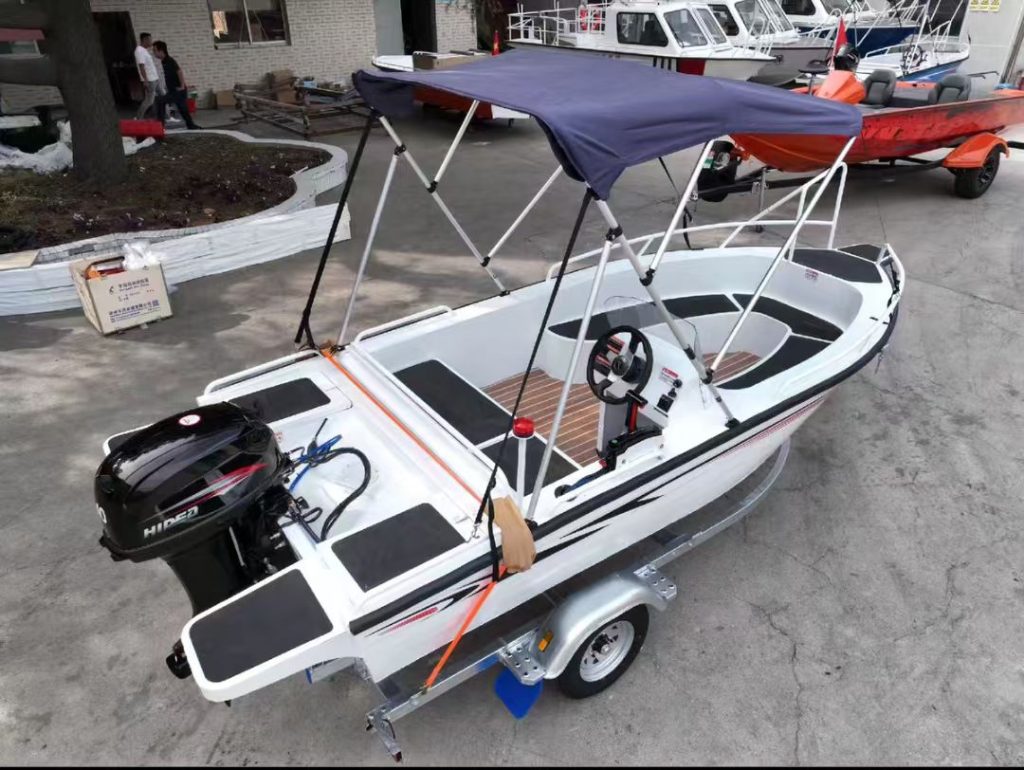
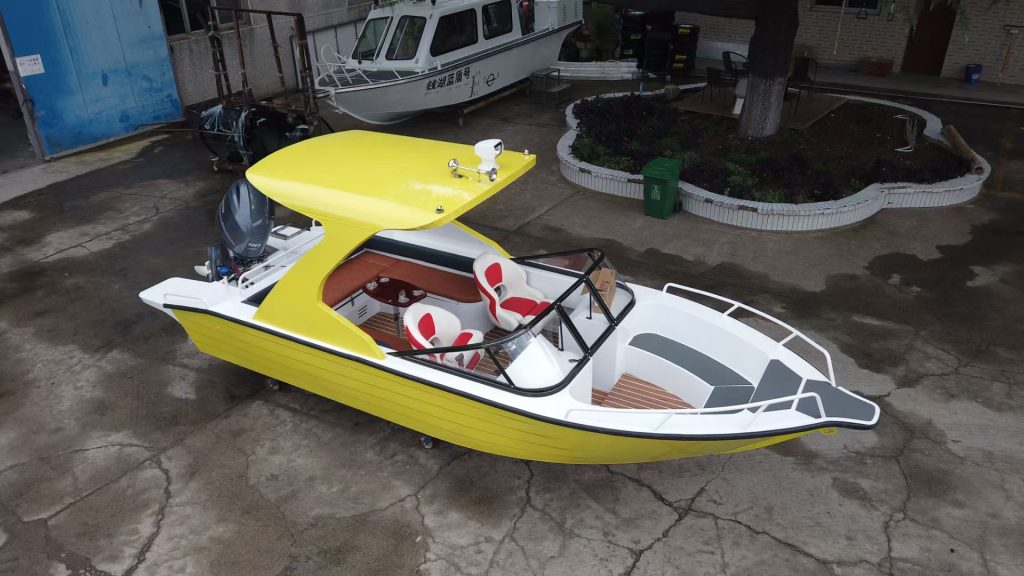
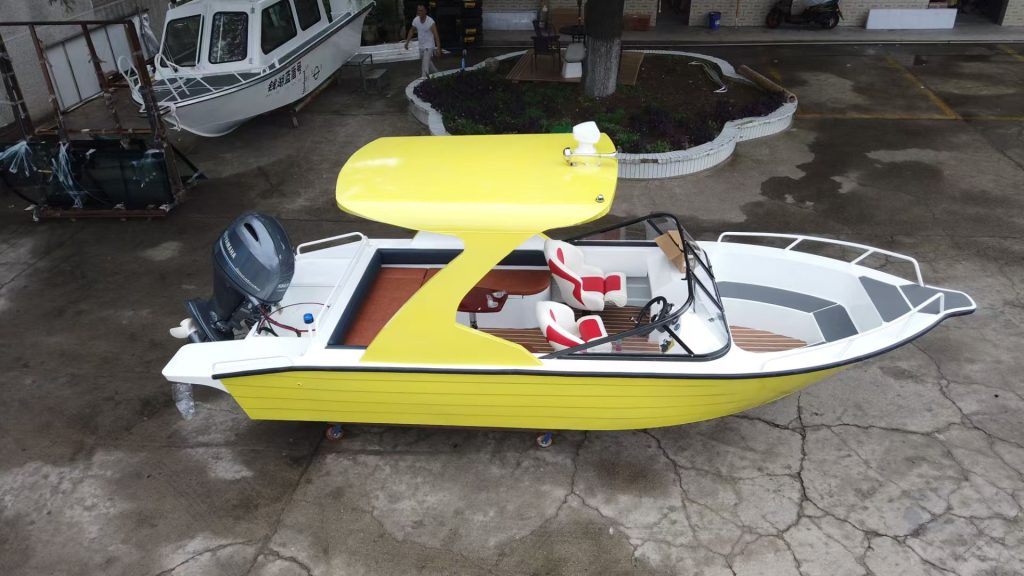
Choosing a reliable yacht manufacturer in China is an important decision for yacht dealers, importers, charter companies, marine businesses, private owners, and international buyers planning to purchase yachts in commercial quantities.
China has developed a broad marine manufacturing industry covering fiberglass boats, aluminum boats, motor yachts, fishing boats, leisure boats, catamarans, and other recreational or commercial vessels. However, manufacturers differ significantly in design capability, materials, production quality, engineering experience, customization, testing, and after-sales support.
The lowest quotation is not necessarily the best option. A reliable yacht manufacturer should be able to provide clear technical specifications, suitable materials, documented production processes, quality inspection, customization support, and appropriate export documentation.
This guide explains how to evaluate a Chinese yacht manufacturer before placing an order.
1. Define Your Yacht Requirements
Before contacting manufacturers, clearly define what type of yacht you need.
Important requirements may include:
-
Yacht type
-
Overall length
-
Beam
-
Draft
-
Passenger capacity
-
Engine type
-
Engine power
-
Cruising speed
-
Maximum speed
-
Fuel capacity
-
Freshwater capacity
-
Cabin arrangement
-
Number of cabins
-
Number of bathrooms
-
Navigation equipment
-
Communication equipment
-
Entertainment systems
-
Air conditioning
-
Generator
-
Solar equipment
-
Interior materials
-
Exterior finish
-
Intended cruising area
The intended use is particularly important.
A yacht designed for private leisure may have very different requirements from a charter yacht, fishing vessel, patrol boat, or commercial passenger vessel.
2. Choose the Right Type of Yacht Manufacturer
Different manufacturers specialize in different vessel categories.
A manufacturer may focus on:
-
Motor yachts
-
Sailing yachts
-
Catamarans
-
Fishing boats
-
Sport boats
-
Luxury yachts
-
Aluminum boats
-
Fiberglass boats
-
Commercial vessels
-
Custom yachts
Do not choose a manufacturer solely because it produces boats.
Look for a manufacturer with demonstrated experience producing the type of yacht you actually need.
3. Check the Manufacturer’s Experience
Experience is one of the most important factors when evaluating a yacht factory.
Ask:
-
How long has the company been producing boats?
-
What types of yachts does it manufacture?
-
How many vessels has it completed?
-
Does it export internationally?
-
Does it have experience with your target market?
-
Can it provide technical drawings?
-
Can it provide references or examples of completed projects?
A manufacturer with experience in similar vessels will usually understand the practical challenges associated with the design, materials, propulsion system, electrical installation, and interior construction.
4. Verify Whether It Is Actually a Factory
Not every company advertising yachts online operates its own production facility.
Some businesses are:
-
Manufacturers
-
Trading companies
-
Yacht dealers
-
Export agents
-
Project management companies
A trading company can still provide useful services, but buyers should understand who actually manufactures the vessel.
For a large yacht order, consider verifying:
-
Factory address
-
Production workshops
-
Assembly areas
-
Mold facilities
-
Welding facilities
-
Lamination areas
-
Painting areas
-
Engine installation areas
-
Quality-control facilities
For significant investments, an independent factory inspection can provide additional assurance.
5. Evaluate Yacht Design and Engineering Capability
A professional yacht manufacturer should have access to suitable engineering resources.
Depending on the project, this may include:
-
Naval architecture
-
Structural engineering
-
Mechanical engineering
-
Electrical engineering
-
Interior design
-
CAD design
-
Hull design
-
Propulsion engineering
For custom yachts, engineering capability becomes particularly important.
The manufacturer should be able to translate the buyer’s requirements into practical specifications and technical drawings.
6. Examine Hull Construction and Materials
Hull construction is one of the most important factors affecting yacht quality.
Common materials include:
Fiberglass
Fiberglass-reinforced plastic is widely used for recreational boats and yachts.
Potential advantages include:
-
Complex shapes can be produced
-
Relatively low maintenance
-
Good corrosion resistance
-
Established manufacturing processes
Quality depends heavily on materials, laminate design, workmanship, curing, and quality control.
Aluminum
Aluminum can be suitable for certain yacht and commercial vessel applications.
It can provide:
-
Good strength-to-weight characteristics
-
Corrosion resistance when properly designed and maintained
-
Suitable performance for some vessel types
Welding quality and structural engineering are particularly important.
Steel
Steel is commonly used for certain larger or specialized vessels.
Its suitability depends on vessel size, design, operating environment, weight requirements, and maintenance considerations.
Buyers should not evaluate a hull material based only on price. The material should be appropriate for the yacht’s intended use and design.
7. Check the Lamination or Welding Process
For fiberglass yachts, ask about:
-
Resin system
-
Reinforcement materials
-
Lamination method
-
Core materials
-
Laminate schedule
-
Curing process
-
Quality inspection
For aluminum yachts, ask about:
-
Aluminum alloy
-
Welding process
-
Weld inspection
-
Structural design
-
Corrosion protection
These details can help buyers understand whether the manufacturer’s construction process is suitable for the vessel.
8. Evaluate the Engine and Propulsion System
The propulsion system is a major component of the yacht.
Depending on the vessel, propulsion may include:
-
Outboard engines
-
Inboard engines
-
Diesel engines
-
Gasoline engines
-
Waterjets
-
Propellers
-
Hybrid systems
Ask the manufacturer to clearly specify:
-
Engine brand
-
Engine model
-
Engine power
-
Number of engines
-
Gearbox
-
Propeller
-
Fuel system
-
Cooling system
-
Exhaust system
Do not accept a quotation that only says “high-power engine” without providing specific technical information.
9. Check Electrical and Navigation Equipment
Modern yachts can contain extensive electrical and electronic systems.
Potential equipment includes:
-
GPS
-
Chart plotter
-
Radar
-
VHF radio
-
AIS
-
Autopilot
-
Depth sounder
-
Fish finder
-
Marine stereo
-
Cameras
-
Battery chargers
-
Inverters
-
Shore power
-
Generator
-
Solar panels
Buyers should specify which equipment is included in the quotation.
A yacht quotation can appear inexpensive if many important components are excluded.
10. Evaluate Interior Construction
For luxury or cruising yachts, interior quality can be a major part of the overall value.
Check:
-
Cabinet construction
-
Flooring
-
Upholstery
-
Mattress quality
-
Bathroom fixtures
-
Kitchen equipment
-
Lighting
-
Air conditioning
-
Storage
-
Ventilation
-
Finishing quality
Ask for detailed material specifications rather than relying only on photographs.
For example, “wood interior” does not provide enough information to determine the actual material and construction method.
11. Review Safety Equipment
Safety requirements depend on the vessel type, operating area, passenger capacity, and applicable regulations.
Depending on the yacht, equipment may include:
-
Life jackets
-
Life rafts
-
Fire extinguishers
-
Fire suppression systems
-
Bilge pumps
-
Navigation lights
-
Emergency signaling equipment
-
Bilge alarms
-
Emergency power
-
Communication equipment
The manufacturer should provide a clear equipment list.
The buyer should also confirm which safety equipment is included in the quoted price and which must be sourced separately.
12. Check Certifications and Regulatory Requirements
This is particularly important when importing a yacht into another country.
Requirements can vary according to:
-
Vessel type
-
Length
-
Passenger capacity
-
Intended use
-
Flag state
-
Operating area
-
Engine
-
Radio equipment
-
Commercial or private use
Depending on the destination and vessel, buyers may need documentation or compliance related to applicable marine regulations.
Do not assume that a certificate issued for one yacht model automatically applies to every customized vessel.
The exact requirements should be confirmed for the target market before construction begins.
13. Request a Detailed Technical Specification
A professional quotation should contain more than a single total price.
Ask for a specification covering:
-
Hull
-
Dimensions
-
Displacement
-
Engine
-
Fuel tank
-
Water tank
-
Electrical system
-
Navigation equipment
-
Safety equipment
-
Interior
-
Upholstery
-
Air conditioning
-
Generator
-
Batteries
-
Optional equipment
This allows you to compare different manufacturers accurately.
14. Understand Custom Yacht Manufacturing
Custom yacht projects can involve different levels of customization.
Level 1: Branding
Simple changes such as:
-
Logo
-
Name
-
Color
-
Upholstery
Level 2: Configuration
Examples:
-
Cabin layout
-
Seating
-
Electronics
-
Engine
-
Interior materials
-
Equipment
Level 3: Major Customization
Examples:
-
New hull design
-
New superstructure
-
Structural changes
-
Custom interior
-
New propulsion arrangement
The greater the customization, the more important engineering, drawings, testing, and project management become.
15. Ask for a Production Schedule
Yacht manufacturing can involve many stages.
A typical project may include:
-
Contract confirmation
-
Engineering
-
Design approval
-
Material preparation
-
Hull construction
-
Structural installation
-
Engine installation
-
Electrical installation
-
Interior construction
-
Painting and finishing
-
Equipment installation
-
Testing
-
Final inspection
-
Delivery
Ask the manufacturer to provide estimated milestones rather than only giving a single delivery date.
16. Inspect the Yacht During Production
For a large or customized yacht, waiting until final delivery to inspect the vessel is risky.
Possible inspection stages include:
Hull Inspection
Check construction quality and structural work.
Engine Installation Inspection
Verify engine model, installation, wiring, cooling, exhaust, and associated systems.
Electrical Inspection
Check wiring, batteries, electrical panels, grounding, and equipment installation.
Interior Inspection
Check materials, workmanship, fixtures, and finishing.
Final Inspection
Test major systems before delivery.
For significant projects, buyers can consider using an independent marine surveyor.
17. Conduct Sea Trials
A sea trial is an important part of evaluating a completed yacht.
Depending on the vessel, testing may cover:
-
Engine starting
-
Acceleration
-
Cruising speed
-
Steering
-
Maneuverability
-
Vibration
-
Noise
-
Navigation systems
-
Electrical systems
-
Bilge pumps
-
Communication equipment
The exact test procedure should be appropriate for the yacht’s design and intended use.
18. Compare Yacht Prices Correctly
Two yachts with similar dimensions may have very different prices.
Major cost factors include:
-
Hull material
-
Hull design
-
Engine
-
Interior
-
Navigation equipment
-
Electrical systems
-
Generator
-
Air conditioning
-
Batteries
-
Safety equipment
-
Customization
-
Certification
-
Shipping
When comparing suppliers, create a detailed specification comparison rather than comparing headline prices.
19. Understand the Total Cost of Importing a Yacht
The factory price is not necessarily the final cost.
Potential additional costs can include:
-
Factory inspection
-
Surveyor
-
Transportation
-
Marine insurance
-
Port charges
-
Export documentation
-
Ocean freight
-
Import duties
-
Taxes
-
Customs clearance
-
Local registration
-
Local transportation
-
Commissioning
Buyers should calculate the expected total landed cost before signing the contract.
20. Review Warranty and After-Sales Support
A yacht is a complex product, so after-sales support is important.
Ask about:
-
Hull warranty
-
Engine warranty
-
Electrical warranty
-
Equipment warranty
-
Spare parts
-
Technical support
-
Remote troubleshooting
-
Repair procedures
-
Local service options
Also clarify which components are covered by the yacht manufacturer and which are covered directly by third-party equipment manufacturers.
21. Protect Your Investment With a Clear Contract
The contract should clearly define:
-
Yacht model
-
Technical specifications
-
Materials
-
Engine
-
Equipment
-
Accessories
-
Color
-
Interior
-
Price
-
Payment schedule
-
Production milestones
-
Delivery date
-
Inspection
-
Acceptance criteria
-
Warranty
-
Spare parts
-
Shipping responsibilities
For a highly customized yacht, attach the approved technical specification and drawings to the contract.
22. Warning Signs When Choosing a Manufacturer
Be cautious if a supplier:
-
Cannot provide detailed specifications
-
Refuses reasonable factory verification
-
Gives inconsistent technical information
-
Cannot explain the construction process
-
Avoids sample or inspection arrangements
-
Promises unrealistic delivery times
-
Provides unclear certification information
-
Gives a very low price without explaining exclusions
-
Changes important specifications without documentation
A single warning sign does not necessarily mean a supplier is unreliable, but multiple issues should trigger further investigation.
23. A Practical Supplier Selection Process
A professional sourcing process can follow these steps:
-
Define the yacht’s intended use.
-
Determine size and performance requirements.
-
Prepare a technical specification.
-
Find manufacturers with relevant experience.
-
Verify their manufacturing capabilities.
-
Request detailed quotations.
-
Compare specifications.
-
Review certifications and documentation.
-
Discuss customization.
-
Confirm engineering drawings.
-
Agree on payment and production milestones.
-
Conduct production inspections.
-
Complete final inspection.
-
Conduct sea trials.
-
Confirm export documentation.
-
Arrange transportation.
-
Complete import and registration procedures.
-
Establish after-sales support.
Conclusion
Choosing a reliable yacht manufacturer in China requires careful evaluation of the entire manufacturing process rather than focusing only on the purchase price.
The most important factors include the manufacturer’s relevant experience, engineering capabilities, hull construction, propulsion system, electrical equipment, quality control, certifications, customization capabilities, production schedule, inspection procedures, warranty, and international export experience.
For a small standard boat, supplier selection may be relatively straightforward. For a large customized yacht, the project should be managed through detailed specifications, approved drawings, staged inspections, professional marine surveys, sea trials, and a clear purchase contract.
A well-defined procurement process can help international buyers reduce technical, financial, and delivery risks while establishing a reliable long-term relationship with a Chinese yacht manufacturer.
FAQ
1. How can I find a reliable yacht manufacturer in China?
Look for manufacturers with experience producing the type of yacht you need. Verify their factory, engineering capabilities, completed projects, quality-control procedures, documentation, and export experience. For major purchases, consider an independent factory audit or marine survey.
2. Can Chinese yacht manufacturers build custom yachts?
Yes. Depending on the manufacturer’s engineering and production capabilities, customization can range from colors and interiors to cabin layouts, equipment, propulsion systems, and major design changes.
3. What information should I provide when requesting a yacht quotation?
Provide yacht type, length, beam, draft, passenger capacity, intended use, engine requirements, speed, cabin layout, navigation equipment, interior requirements, destination market, and desired customization.
4. Can I choose the engine brand?
Depending on the manufacturer and vessel design, buyers may be able to select from different engine options. Engine model, power, installation method, fuel system, and compatibility should be confirmed before production.
5. How important is hull material?
Hull material affects weight, durability, maintenance, performance, construction methods, and cost. Fiberglass, aluminum, and steel each have different characteristics and should be selected according to the vessel design and intended use.
6. Should I inspect the yacht during production?
For significant projects, staged inspections are recommended. Checking the vessel during construction can identify problems before they become difficult or expensive to correct.
7. Should I hire an independent marine surveyor?
For a substantial yacht purchase, an independent marine surveyor can provide an additional layer of technical inspection and help evaluate the vessel before acceptance.
8. What should be tested during a sea trial?
Depending on the yacht, testing may include engine operation, acceleration, steering, maneuverability, vibration, navigation equipment, electrical systems, bilge pumps, communications, and other important systems.
9. Do Chinese yachts need certification for export?
Certification and regulatory requirements depend on the vessel, destination, intended use, flag state, and applicable regulations. Requirements should be confirmed before construction and matched to the actual yacht configuration.
10. How much does a yacht from China cost?
There is no universal price. Cost depends on yacht size, design, hull material, engine, interior, electronics, equipment, customization, production quantity, certification, and shipping requirements.
11. Can I customize the interior of a yacht?
Yes. Depending on the manufacturer, buyers may customize cabin layouts, upholstery, flooring, cabinets, lighting, appliances, bathrooms, entertainment systems, and other interior elements.
12. Can a Chinese yacht manufacturer provide spare parts?
Many manufacturers can provide spare parts, but availability depends on the vessel and equipment suppliers. Buyers should discuss spare parts and long-term support before delivery.
13. How long does it take to manufacture a yacht?
Production time varies considerably according to yacht size, design complexity, customization, component availability, engineering work, and factory schedule. A custom yacht generally requires more time than an existing production model.
14. What should the yacht purchase contract include?
The contract should cover the exact yacht specification, drawings, materials, engine, equipment, accessories, price, payment schedule, production milestones, delivery, inspection, acceptance criteria, warranty, spare parts, and shipping responsibilities.
15. What is the biggest mistake when buying a yacht from China?
Focusing only on the factory price is one of the biggest mistakes. Buyers should evaluate the complete vessel specification, construction quality, equipment, compliance, inspection, transportation, import costs, warranty, and long-term after-sales support.
Article Link:
How to Choose a Reliable Yacht Manufacturer in China


No reply content