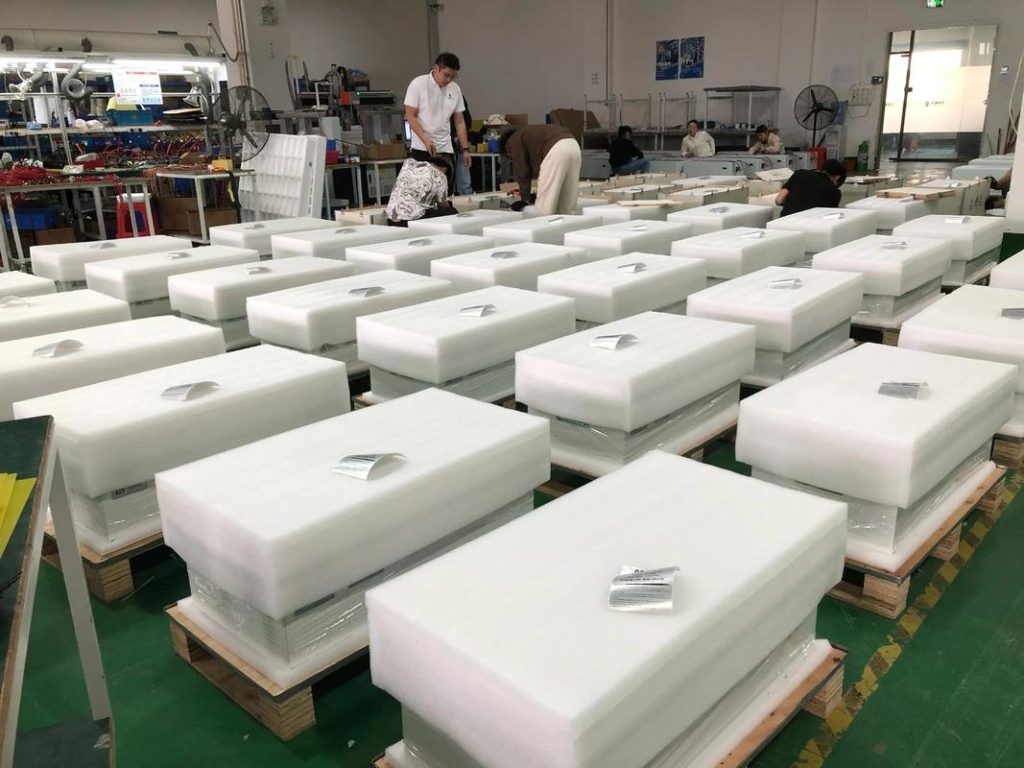
China solar power generation and energy storage manufacturing
How to Choose Home Solar Power Products: A Comprehensive Guide for Homeowners
Switching to home solar power is one of the most impactful decisions homeowners can make—reducing electricity bills, lowering carbon footprints, and gaining energy independence. However, navigating the vast array of solar products, technologies, and vendors can feel overwhelming. This guide demystifies the process, breaking down the key components, selection criteria, and practical considerations to help you choose the right home solar power system for your needs. By focusing on performance, cost, and long-term value, you can avoid common pitfalls and maximize your return on investment.
Why Home Solar Power? Understanding the Benefits
Before diving into product selection, it’s crucial to recognize why home solar power is worth considering:
-
Cost Savings: Generate your own electricity to slash monthly utility bills. In many regions, solar can reduce bills by 50–100%, depending on system size and local electricity rates.
-
Environmental Impact: Solar energy produces zero greenhouse gas emissions during operation, helping combat climate change. A typical residential system offsets 3–4 tons of CO₂ annually—equivalent to planting 70 trees.
-
Energy Independence: Protect yourself from rising electricity prices and grid outages (when paired with storage).
-
Increased Property Value: Homes with solar panels sell for 4–6% more than comparable non-solar properties, according to recent studies.
With these benefits in mind, let’s explore how to select the right products.
Key Components of Home Solar Power Systems
A residential solar system comprises four main components. Understanding each part’s role is essential for making informed choices.
1. Solar Panels: Converting Sunlight to Electricity
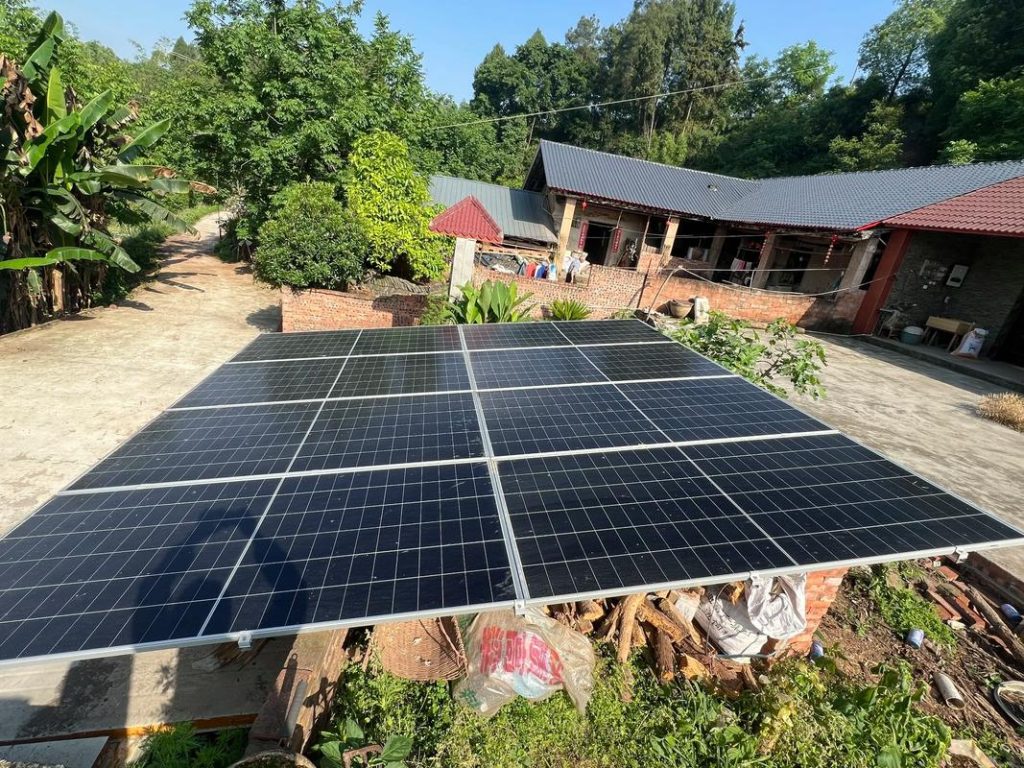
Solar panels are the heart of any system, converting sunlight into direct current (DC) electricity. They come in three primary types:
-
Monocrystalline Silicon Panels: Made from single-crystal silicon, these offer the highest efficiency (19–23%) and sleek black appearance. Ideal for small roofs or areas with limited space.
-
Polycrystalline Silicon Panels: Crafted from multiple silicon fragments, they are slightly less efficient (17–19%) but more affordable. Best for large roofs where space isn’t a constraint.
-
Thin-Film Panels: Lightweight and flexible, these use materials like cadmium telluride (CdTe) or amorphous silicon. They perform better in high temperatures but have lower efficiency (10–13%), making them rare for residential use.
Selection Tip: Prioritize monocrystalline panels for maximum energy output per square foot. Check for temperature coefficients (lower values mean better performance in heat) and degradation rates (annual efficiency loss; aim for ≤0.55%).
2. Inverters: Transforming DC to Usable AC Power
Inverters convert DC electricity from panels into alternating current (AC) for home use. There are three main types:
-
String Inverters: Connect multiple panels in series. Cost-effective and easy to install but vulnerable to shading (a shaded panel reduces the entire string’s output).
-
Microinverters: Attach to individual panels, optimizing performance even with partial shading. More expensive but ideal for complex roof layouts.
-
Power Optimizers: Hybrid solution—panels connect to optimizers (which mitigate shading) before feeding into a central string inverter. Balances cost and performance.
Selection Tip: For simple, unshaded roofs, string inverters suffice. If your roof has chimneys, vents, or trees causing shade, opt for microinverters or power optimizers. Ensure inverters have ≥97% efficiency and comply with local grid codes (e.g., IEEE 1547 in the U.S.).
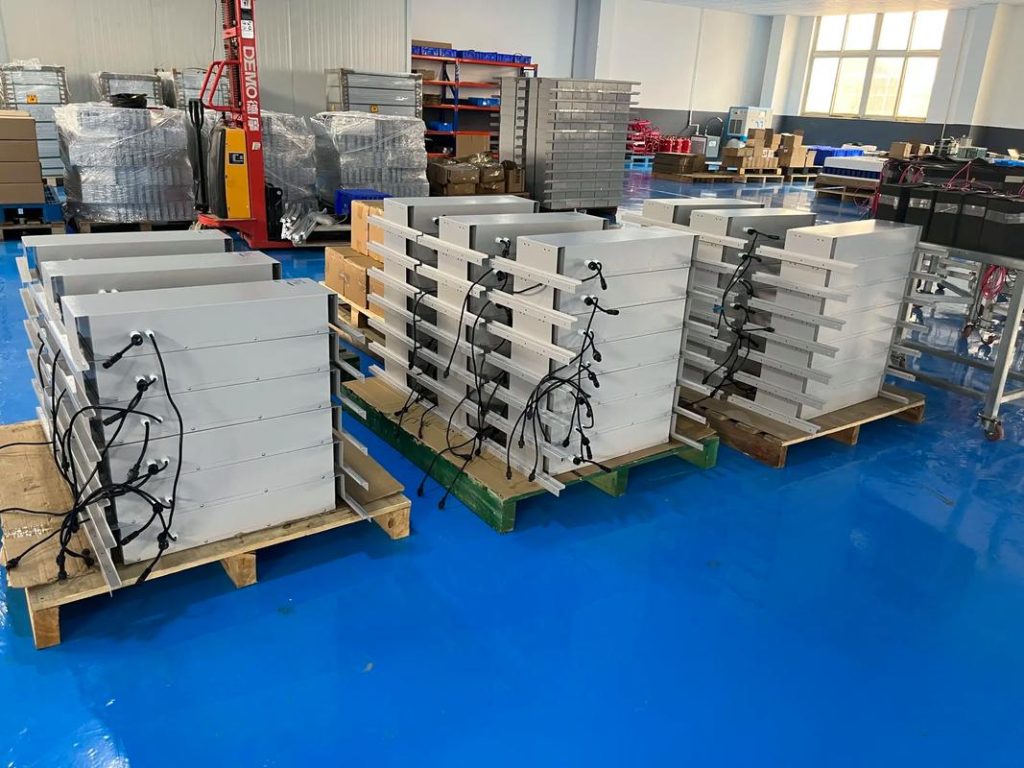
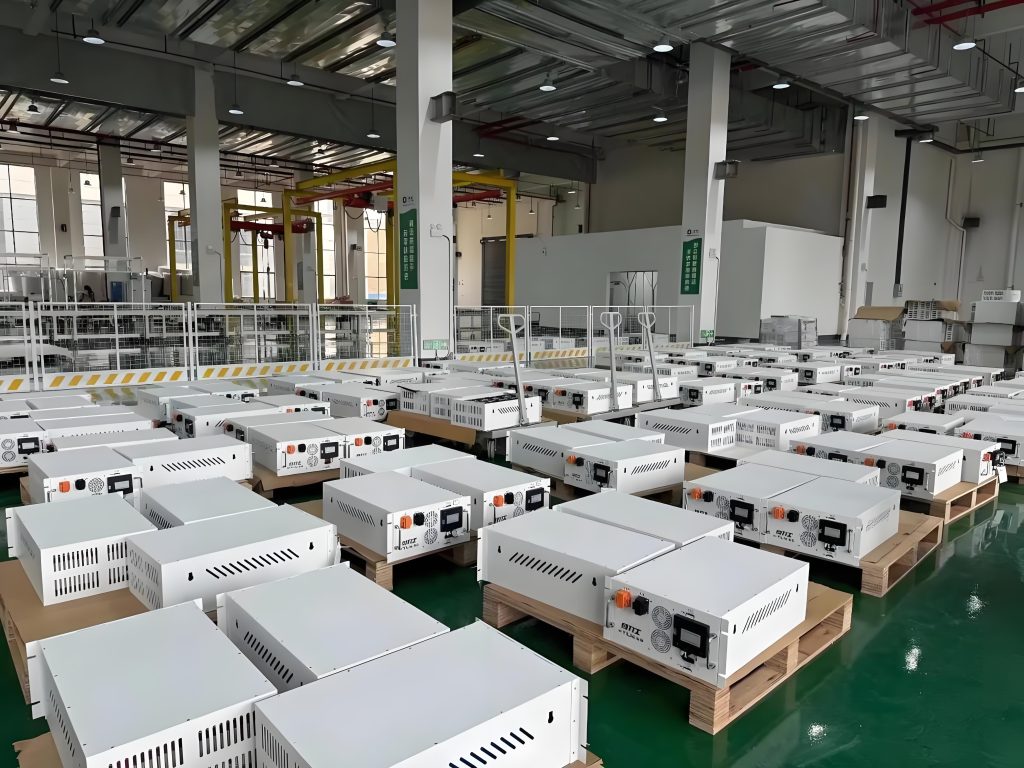
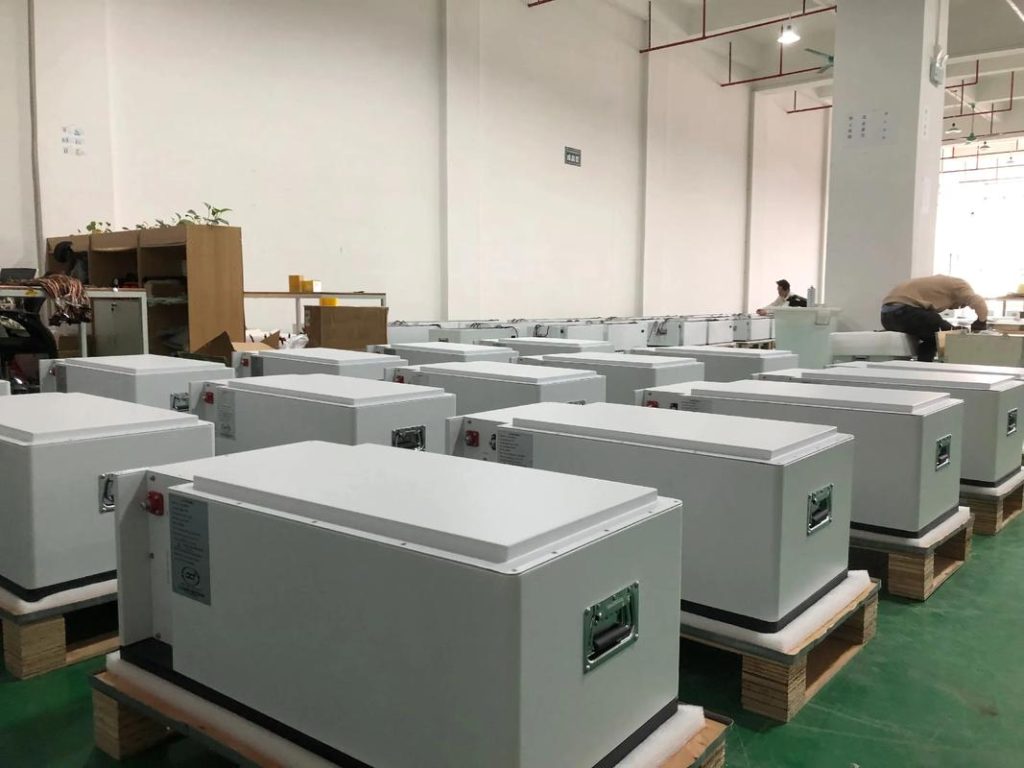
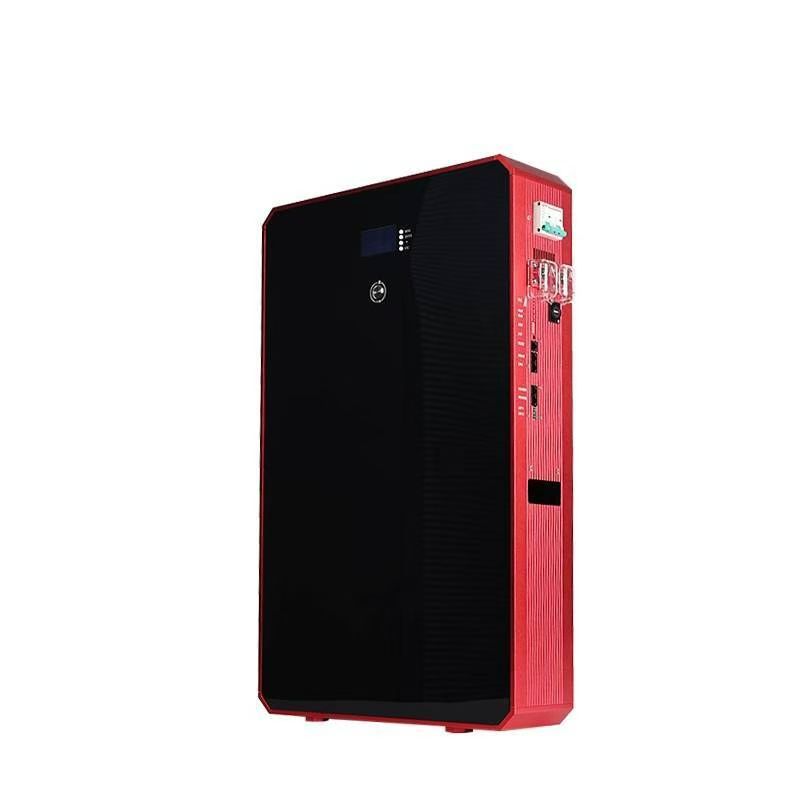
3. Energy Storage Systems (ESS): Storing Excess Power
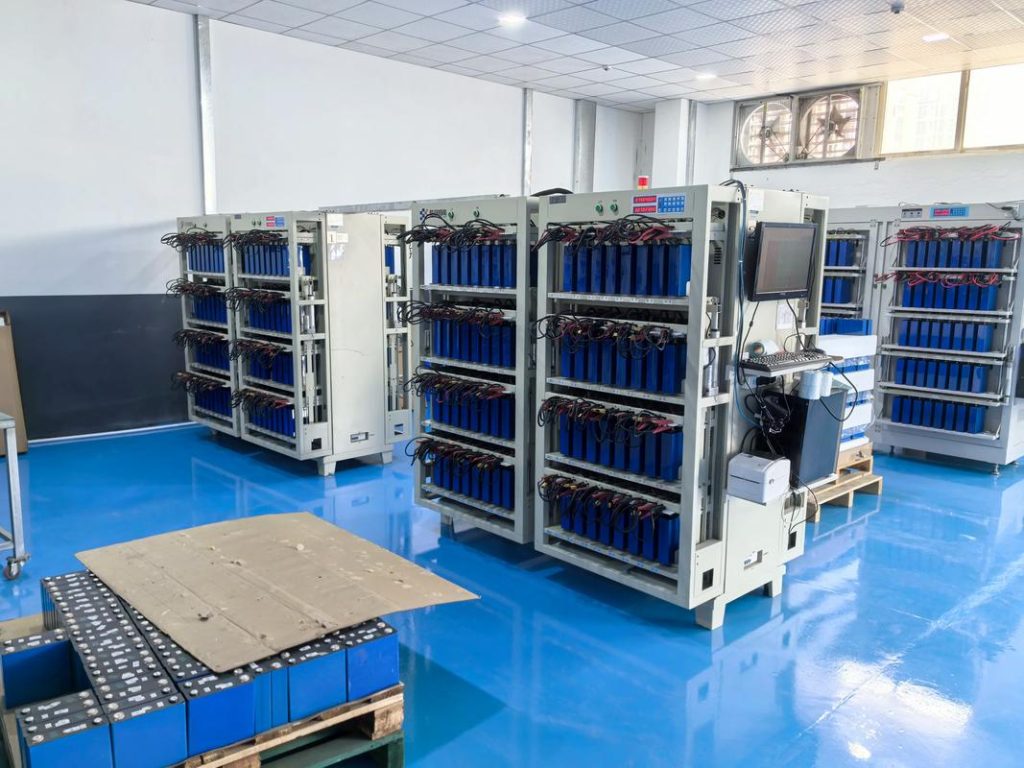
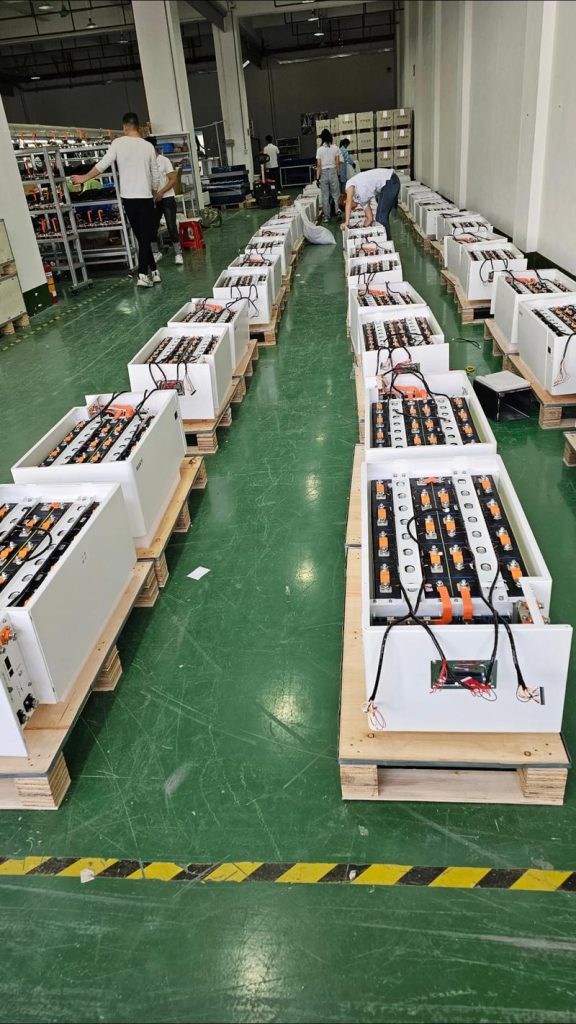
A battery storage system (like lithium-ion) allows you to store excess solar energy for use at night or during outages. It’s optional but highly recommended for:
-
Off-Grid Living: Complete energy independence.
-
Backup Power: Keep lights, refrigerators, and medical devices running during blackouts.
-
Maximizing Self-Consumption: Store midday surplus (when rates are low) and use it in the evening (when rates are high).
Key Considerations:
-
Capacity: Measured in kWh. A 10–15 kWh battery typically powers a 3–4 bedroom home for 1–2 days.
-
Depth of Discharge (DoD): The percentage of battery capacity you can safely use. Aim for ≥90% DoD (e.g., a 10 kWh battery with 90% DoD delivers 9 kWh usable energy).
-
Lifespan: Look for warranties of 10–15 years and cycle lives of 6,000–10,000 charges.
4. Mounting Systems and Racking
Mounting hardware secures panels to your roof or ground. Critical factors include:
-
Material: Aluminum racks resist corrosion and withstand high winds (up to 150 mph). Avoid steel unless galvanized.
-
Design: Adjustable tilt angles optimize sun exposure (latitude ±15°). For flat roofs, ballasted mounts avoid drilling.
-
Compatibility: Ensure racking fits your roof type (asphalt shingles, metal, tile) and panel dimensions.
Critical Factors for Selecting Home Solar Products
With components understood, focus on these six criteria to narrow your choices.
1. Energy Needs Assessment
Start by calculating your household’s energy consumption:
-
Review 12 months of electricity bills to find average monthly kWh usage.
-
Account for future changes (e.g., EV charging, home additions).
-
Use online calculators (e.g., NREL’s PVWatts) to estimate system size needed (typically 5–10 kW for a U.S. home).
Example: A home using 1,000 kWh/month in a sunny region may need a 8–10 kW system (assuming 4 peak sun hours/day).
2. Efficiency vs. Cost
Higher efficiency panels produce more power in less space but cost more upfront. Balance this with your roof size:
-
Small roofs (<500 sq. ft.): Prioritize high-efficiency monocrystalline panels.
-
Large roofs (>1,000 sq. ft.): Polycrystalline panels may offer better value.
Calculate the levelized cost of electricity (LCOE)—total lifetime cost divided by energy produced—to compare options. A cheaper panel with lower efficiency may have a higher LCOE over 25 years.
3. Durability and Warranties
Solar panels should last 25–30 years. Look for:
-
Product Warranty: Covers defects (aim for 12–15 years).
-
Performance Warranty: Guarantees minimum output after 25 years (e.g., 80–90% of original capacity).
-
Certifications: IEC 61215 (durability), IEC 61730 (safety), and UL 1703 (U.S. compliance).
4. Compatibility with Existing Systems
Ensure new components integrate seamlessly:
-
Roof Age: Avoid installing panels on roofs nearing replacement (within 5 years).
-
Electrical System: Older homes may need panel upgrades to handle solar input.
-
Local Climate: In snowy regions, choose panels with anti-slip coatings and mounting systems that shed snow. In hurricane zones, opt for wind-rated racking.
5. Installation and Maintenance
-
Professional Installation: DIY is risky—improper wiring can damage panels or void warranties. Hire certified installers (NABCEP in the U.S., MCS in the UK).
-
Maintenance: Clean panels 2–4 times/year (remove dust, leaves, bird droppings). Monitor performance via apps to spot issues early.
6. Financial Incentives and Payback Period
Reduce upfront costs with:
-
Tax Credits: Federal Investment Tax Credit (ITC) in the U.S. covers 30% of system costs (through 2032).
-
Rebates: State/local programs (e.g., California’s SGIP for storage).
-
Net Metering: Sell excess power back to the grid at retail rates (check state policies).
Calculate the payback period: Divide total system cost (after incentives) by annual savings. Most systems pay for themselves in 6–10 years.
Common Mistakes to Avoid
-
Oversizing the System: Installing more panels than needed increases costs without proportional savings.
-
Ignoring Shading: Even partial shade can slash output—use tools like Google Project Sunroof to map shadows.
-
Choosing Based Solely on Price: Cheaper systems often use lower-quality components with shorter lifespans.
-
Skipping Professional Design: A custom layout maximizes energy production and avoids structural issues.
Future Trends in Home Solar Products
Stay ahead by watching these innovations:
-
Bifacial Panels: Capture sunlight on both sides (boost output by 10–30%).
-
Perovskite Solar Cells: Emerging tech with potential efficiencies >30% (still in development).
-
Smart Home Integration: Panels and batteries sync with thermostats, EVs, and appliances for automated energy management.
Conclusion
Choosing home solar power products requires balancing efficiency, cost, durability, and compatibility with your lifestyle. Start by assessing your energy needs, then prioritize high-quality panels, inverters, and storage (if desired). Partner with certified installers, leverage financial incentives, and plan for long-term maintenance. With careful selection, a residential solar system can deliver decades of savings, sustainability, and peace of mind.
Remember: The “best” system isn’t the most expensive or powerful—it’s the one tailored to your home, budget, and energy goals. By following this guide, you’ll be well-equipped to harness the sun’s power and join the renewable energy revolution.


No reply content