(Practical Guide for Manufacturing Plants)
Introduction
CNC machines are highly precise, automated systems that depend heavily on a stable and clean compressed air supply. However, many manufacturing plants underestimate the importance of choosing the right air compressor for CNC machines. As a result, they experience problems such as unstable air pressure, frequent machine alarms, poor machining accuracy, and unexpected production downtime.
Selecting an air compressor for CNC applications is not simply about matching pressure values. It requires understanding airflow demand, air quality requirements, operating cycles, and long-term reliability. This guide explains how to choose the right air compressor for CNC machines from a practical manufacturing perspective, helping factory owners and engineers avoid costly mistakes.
Why CNC Machines Depend on Compressed Air
Compressed air in CNC machining is commonly used for:
- Tool changing systems
- Spindle air sealing
- Chip removal and cleaning
- Pneumatic clamping
- Cooling assistance
Even small fluctuations in air pressure or air quality can affect machine accuracy and tool life. That is why CNC machines require a continuous, stable, and clean air supply.
Common Problems Caused by Wrong Air Compressors
Factories that choose the wrong air compressor for CNC machines often face:
1. Unstable Air Pressure
Pressure drops may cause:
- CNC alarms
- Tool change failures
- Inconsistent machining results
2. Moisture and Oil Contamination
Poor air quality leads to:
- Rust inside pneumatic components
- Valve sticking
- Increased maintenance costs
3. Insufficient Airflow
If airflow (CFM or m³/min) is too low:
- Multiple machines cannot operate simultaneously
- Production speed decreases
Understanding CNC Air Requirements
Air Pressure
Most CNC machines require:
- 6–8 bar (90–115 PSI)
Higher pressure does not improve performance and only increases energy consumption.
Airflow (Air Volume)
Airflow demand depends on:
- Number of CNC machines
- Tool change frequency
- Auxiliary pneumatic devices
Typical airflow per CNC machine:
- Small CNC: 0.3–0.6 m³/min
- Medium CNC: 0.6–1.0 m³/min
- Large CNC or machining center: 1.0–1.5 m³/min
Always add a 20–30% safety margin.
Air Quality
CNC machines are sensitive to:
- Moisture
- Oil mist
- Dust particles
Recommended air quality:
- ISO 8573-1 Class 2 or better
- Dry, oil-free, and filtered air
Which Type of Air Compressor Is Best for CNC Machines?
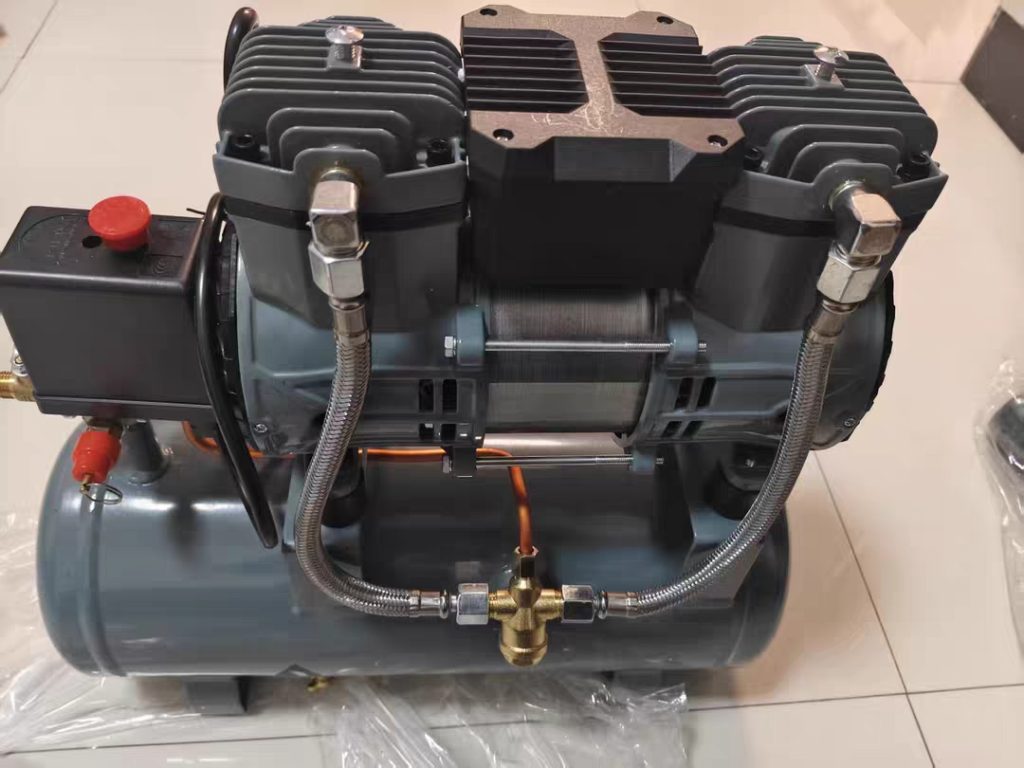
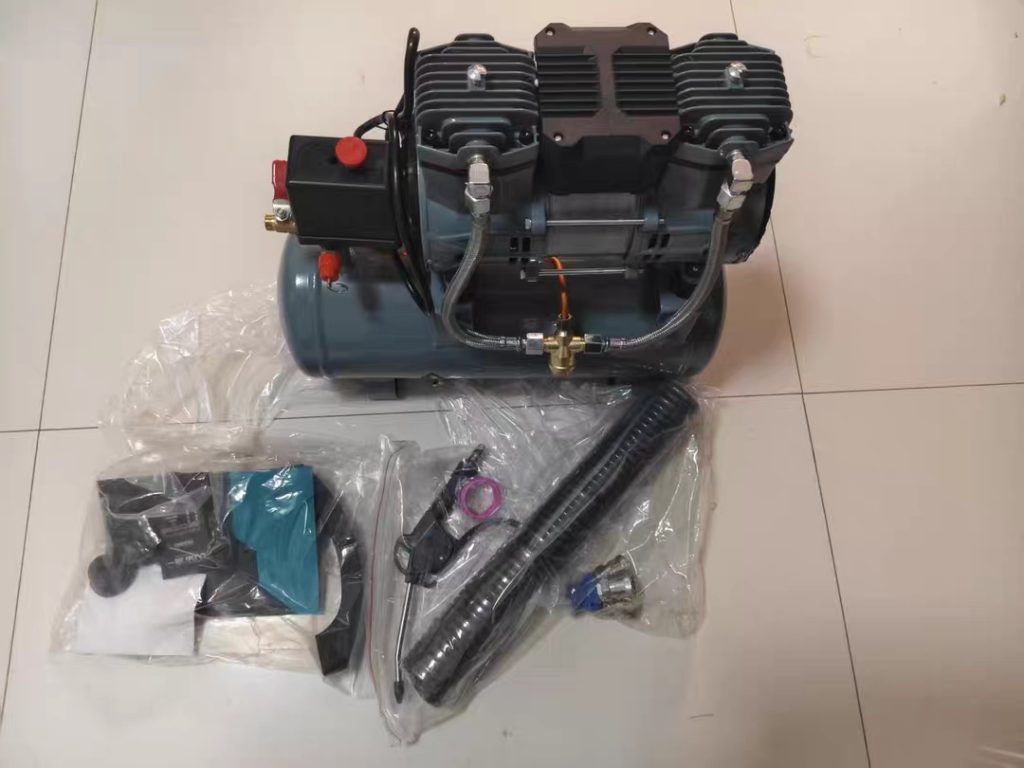
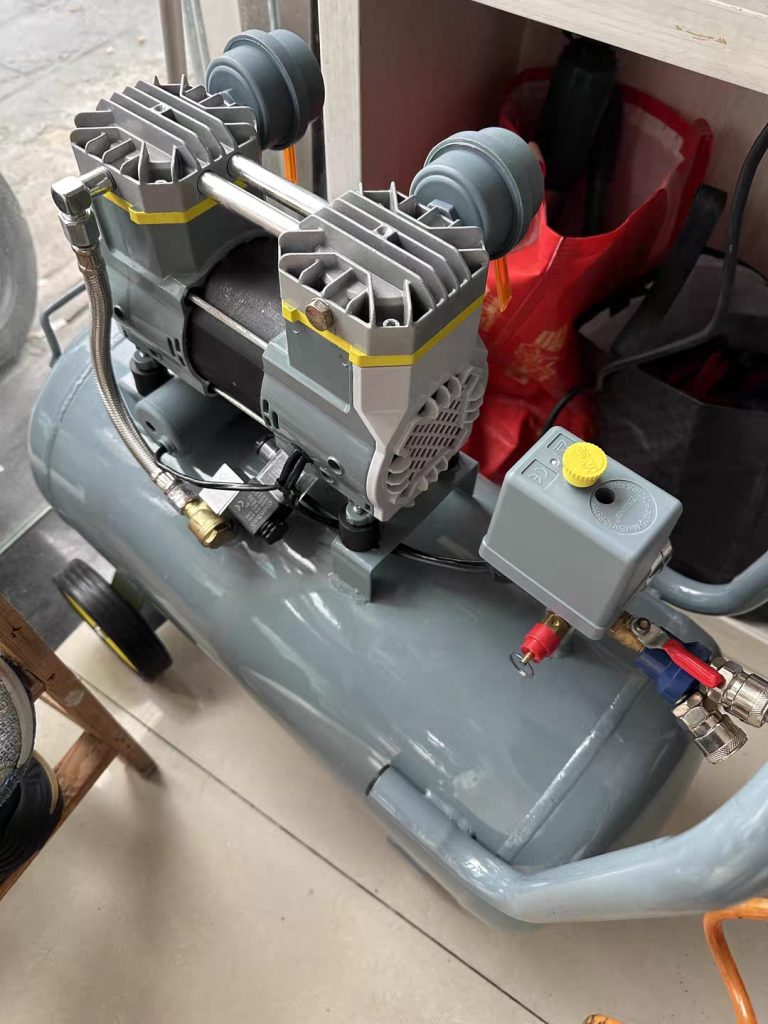
Piston Air Compressors: Are They Suitable?
Piston compressors are:
- Low-cost
- Simple in structure
However, for CNC applications, they present several issues:
- Intermittent air supply
- Pressure fluctuations
- Higher noise and vibration
Conclusion:
Piston compressors are generally not recommended for CNC machines used in continuous production.
Rotary Screw Air Compressors: The Preferred Choice
Rotary screw air compressors are widely used in CNC workshops due to:
- Continuous air delivery
- Stable pressure
- High energy efficiency
- Long service life
They can easily support multiple CNC machines running simultaneously.
Oil-Free vs Oil-Injected Screw Compressors
- Oil-injected screw compressors are suitable for most CNC applications
- Oil-free compressors are preferred when air purity is critical
Most CNC machining plants use oil-injected screw compressors with proper filtration.
Fixed Speed vs VSD Screw Compressors
Fixed Speed Screw Compressors
- Operate at constant speed
- Suitable for stable air demand
Variable Speed Drive (VSD) Compressors
- Adjust motor speed based on air demand
- Reduce energy consumption
- Ideal for CNC shops with fluctuating workloads
For CNC workshops with varying production schedules, VSD compressors offer significant energy savings.
Sizing the Air Compressor for CNC Machines
Step 1: Count All Air-Using Equipment
Include:
- CNC machines
- Tool changers
- Pneumatic clamps
- Cleaning guns
Step 2: Calculate Total Airflow
Example:
- 5 CNC machines × 0.8 m³/min = 4.0 m³/min
- Add 25% margin → 5.0 m³/min
Step 3: Select Compressor Power
Typical power reference:
- 7.5 kW → ~1.1 m³/min
- 11 kW → ~1.6 m³/min
- 15 kW → ~2.5 m³/min
- 22 kW → ~3.6 m³/min
Choose the closest higher capacity.
Importance of Air Treatment Systems
An air compressor alone is not enough for CNC machines.
Recommended Configuration
- Rotary screw air compressor
- Air receiver tank
- Refrigerated or desiccant air dryer
- High-efficiency line filters
This setup ensures clean, dry, and stable air supply.
Noise and Installation Considerations
CNC workshops usually operate indoors near workers.
Recommended noise level:
- Below 70 dB
Screw compressors are enclosed and suitable for indoor installation.
Energy Efficiency and Operating Cost
Energy cost represents the largest portion of compressed air system expenses.
Ways to reduce energy cost:
- Choose high-efficiency motors (IE3 / IE4)
- Use VSD technology
- Avoid oversizing
In CNC applications, energy-efficient compressors can save 20–35% electricity costs annually.
Real-World CNC Workshop Example
Medium CNC Machining Plant
- 8 CNC machines
- Operating 12 hours/day
Recommended setup:
- 22 kW VSD screw air compressor
- 1000L air receiver
- Refrigerated dryer + filters
Result:
- Stable pressure
- Reduced downtime
- Lower energy consumption
Maintenance Considerations for CNC Air Systems
Reliable CNC production requires:
- Regular oil changes
- Filter replacement
- Condensate drainage
Choosing a compressor with:
- Easy maintenance access
- Available spare parts
- Technical support
reduces long-term operational risk.
Common Mistakes When Choosing CNC Air Compressors
- Using piston compressors for multiple CNC machines
- Ignoring air quality requirements
- Oversizing the compressor excessively
- Skipping air dryers to reduce cost
These mistakes often lead to higher costs and production losses.
Manufacturer’s Insight
As an air compressor manufacturer, we often support CNC factories upgrading from unsuitable compressors. Most problems we encounter are not caused by CNC machines themselves, but by poor compressed air system design.
Factories that invest in proper compressor sizing and air treatment systems consistently achieve:
- Higher machining accuracy
- Fewer machine alarms
- Lower maintenance costs
FAQ: Air Compressors for CNC Machines
Q1: Can one air compressor supply multiple CNC machines?
Yes, if properly sized with sufficient air storage.
Q2: Is oil-free air mandatory for CNC machines?
Not always. Oil-injected compressors with filtration are widely used.
Q3: How often should maintenance be done?
Routine inspection weekly, full service every 2,000–4,000 hours.
Final Conclusion
Choosing the right air compressor for CNC machines is essential for stable production, machining accuracy, and cost control. Rotary screw air compressors—especially VSD models—are the most reliable solution for CNC applications.
By understanding air demand, ensuring proper air quality, and working with an experienced manufacturer, CNC workshops can build a compressed air system that supports long-term productivity and growth.


No reply content