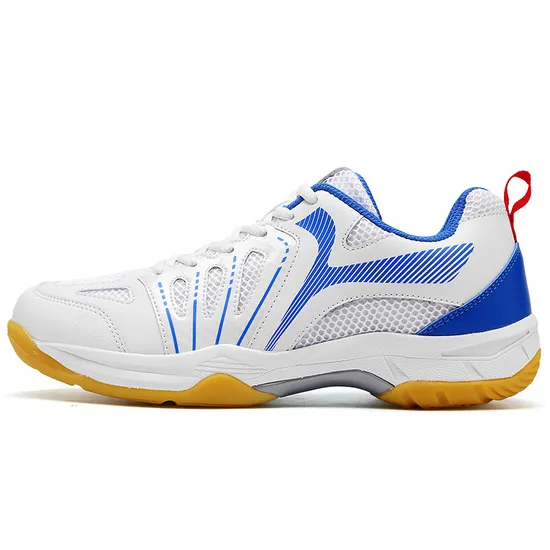

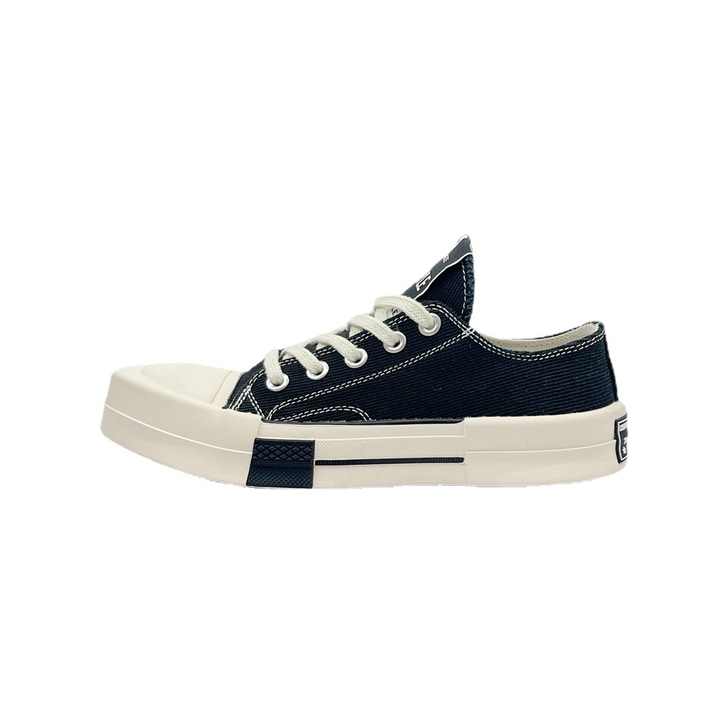

The global footwear industry is fast-paced, highly technical, and intensely competitive. Whether you are launching a private-label sneaker line, expanding an established activewear brand, or sourcing performance athletic shoes for distribution, finding a reliable supplier is crucial to your success.
Manufacturing athletic shoes requires a complex blend of material sourcing, precision molding, structural engineering, and strict quality control. Below is a practical guide to help you evaluate potential sneaker manufacturers, followed by an FAQ addressing common sourcing challenges.
Key Considerations When Selecting a Sneaker Manufacturer
1. Technical Capabilities and Tooling Support
Unlike simple apparel, footwear requires custom molds (lasts and outsoles) for every shoe size. A capable supplier should offer:
- Outsole and Midsole Tooling: Experience in working with materials like EVA, TPU, rubber, and carbon fiber plates.
- Upper Construction Techniques: Mastery of flyknitting, seamless heat-pressing, genuine leather, synthetic suede, and breathable mesh uppers.
- 3D Design and Rapid Prototyping: The ability to convert tech packs into 3D models and physical samples quickly to reduce development cycles.
2. Sourcing of High-Performance Materials
Performance sneakers depend heavily on specialized component suppliers. Evaluate whether the manufacturer has direct connections with reputable material vendors for cushioning foams, durable rubber compounds, orthotic insoles, and eco-friendly textiles (such as recycled PET mesh or bio-based synthetics).
3. Rigorous Quality Control and Testing
Footwear undergoes severe mechanical stress during wear. A reputable factory should conduct standardized physical testing, including:
- Flexing Tests: Ensuring outsoles and uppers do not crack after tens of thousands of bends.
- Bonding / Peel Strength Tests: Verifying that the glue line between the upper and sole remains secure.
- Colorfastness and Abrasion Resistance: Preventing color bleeding and premature wear.
4. Ethical Compliance and Environmental Standards
Modern consumers care deeply about supply chain transparency. Ensure the factory adheres to fair labor practices and international certifications such as BSCI, SMETA, or ISO 9001. For sustainable product lines, ask if they hold GRS (Global Recycled Standard) certification.
Frequently Asked Questions (FAQ)
Q1: What is the typical Minimum Order Quantity (MOQ) for custom sneakers?
A: MOQs in footwear are usually calculated per style and colorway (SKU). Standard custom sneaker factories typically require 500 to 1,000 pairs per colorway due to material minimums and machine setup times. Some specialized low-MOQ factories may accept 200 to 300 pairs, though per-unit costs will be higher.
Q2: How much does custom shoe mold (tooling) cost, and who owns it?
A: Sole tooling costs vary based on design complexity and materials, generally ranging from $1,500 to $3,000 per size mold. Once you pay for the tooling, you retain full ownership of the custom molds, and a reputable supplier will sign an agreement ensuring those molds are used exclusively for your brand.
Q3: What is the average timeline from design to final production delivery?
A: The entire process usually takes 4 to 6 months:
- Tech Pack & Sample Development: 4 to 6 weeks
- Mold Creation (if needed): 4 weeks
- Bulk Production: 45 to 60 days
- Shipping: 2 to 5 weeks (depending on air or ocean freight)
Q4: What files do I need to prepare before contacting a footwear manufacturer?
A: You should prepare a comprehensive Tech Pack that includes 2D vector CAD drawings (top, side, bottom, and heel views), detailed material specifications (callouts for upper, lining, insole, midsole, and outsole), Pantone color codes, logo placement details, and target sizing charts.


No reply content