
China Professional Hair Clipper Manufacturing Co., Ltd.
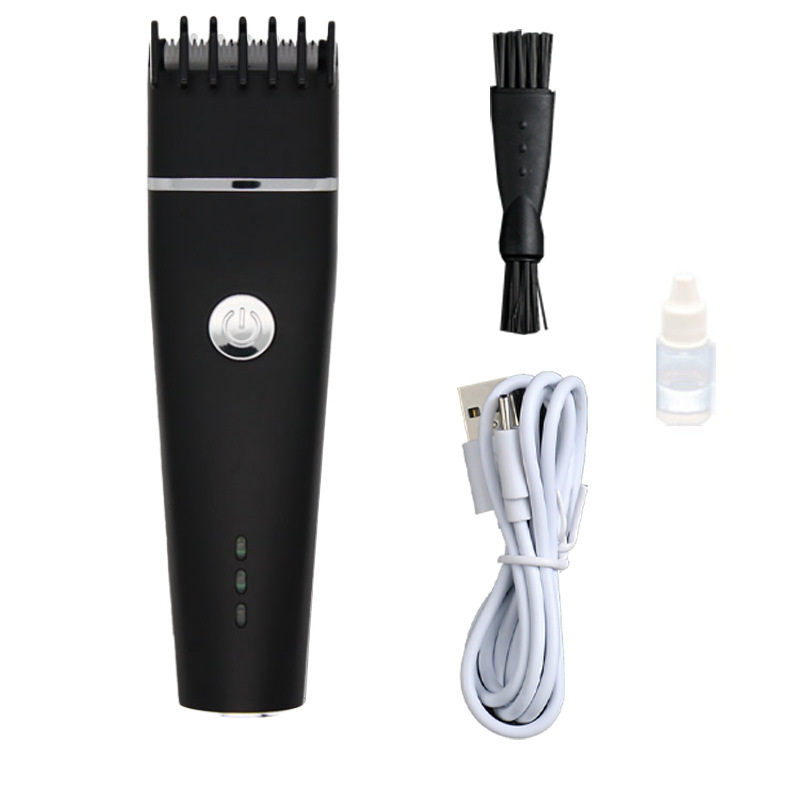
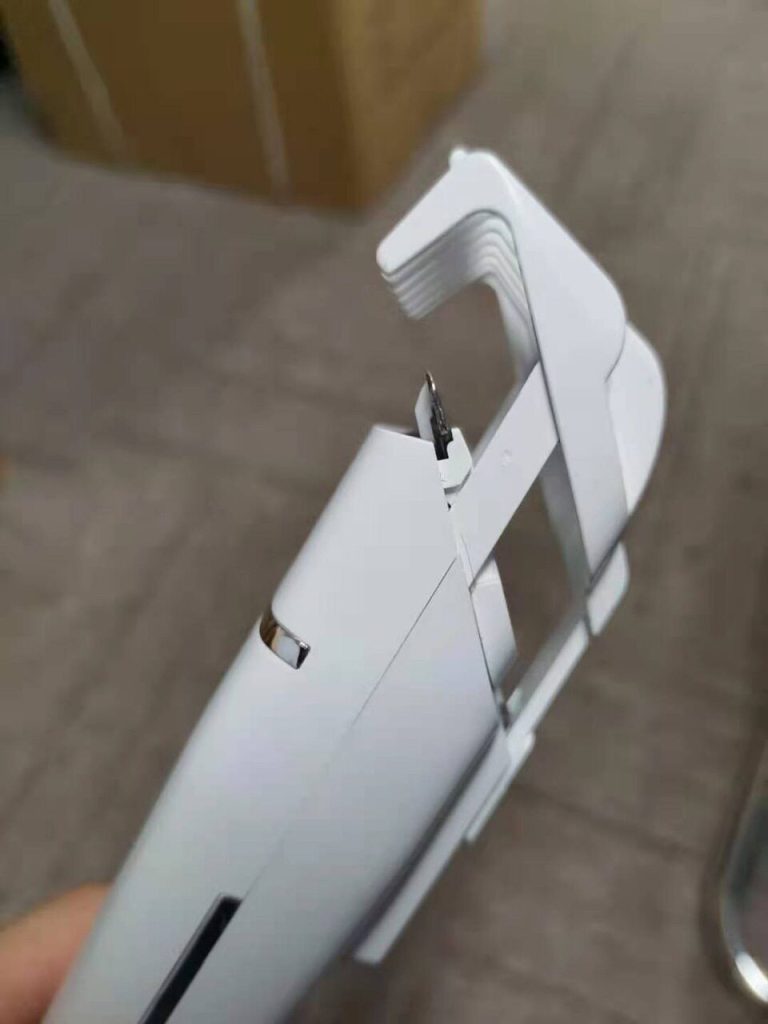
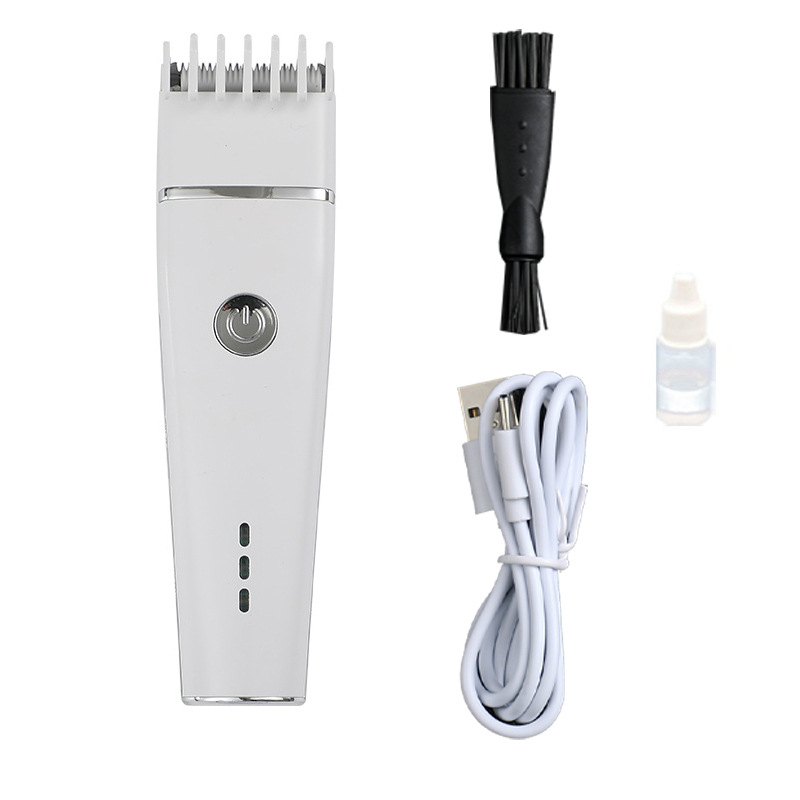
Building your own hair clipper brand can be a profitable opportunity, but choosing the right Chinese manufacturer is one of the most important decisions you will make.
A factory may offer an attractive price, but that does not necessarily mean it is suitable for your brand. Motor performance, blade quality, battery reliability, product design, quality control, OEM capability, packaging, production capacity, and after-sales support all matter.
This guide explains how to evaluate Chinese hair clipper manufacturers before choosing a long-term supplier.
1. Define Your Brand Positioning First
Before contacting factories, decide what type of customers you want to serve.
For example:
-
Professional barbers
-
Hair salons
-
Barber schools
-
Home users
-
Men’s grooming retailers
-
E-commerce customers
-
Beauty equipment distributors
Your target market will determine the type of clipper you need.
A professional barber brand may require a stronger motor, durable blade system, long operating time, ergonomic housing, and reliable continuous-use performance.
A basic consumer product may focus more on affordability, simple operation, and attractive packaging.
2. Decide What Type of Clipper You Want
“Hair clipper” covers many different products.
You may need:
-
Professional hair clippers
-
Cordless hair clippers
-
Electric hair clippers
-
Hair trimmers
-
Beard trimmers
-
Barber clippers
-
Rechargeable clippers
-
Heavy-duty clippers
-
Lightweight consumer clippers
Don’t start supplier negotiations until you know which product category fits your brand.
3. Set a Target Factory Price
Your target manufacturing cost should be connected to your expected retail price.
As a broad planning reference:
Product Positioning |
Approximate Factory Price |
|---|---|
Entry-level clipper |
US$8–18 |
Standard cordless clipper |
US$12–30 |
Professional clipper |
US$20–45 |
Premium private-label clipper |
US$30–60 |
Advanced customized model |
US$40–80+ |
These are indicative ranges rather than guaranteed quotations.
The actual price depends on the motor, blade, battery, housing, accessories, packaging, quantity, and customization.
Don’t choose a factory simply because it offers the lowest price.
4. Check the Motor Performance
For a professional hair clipper brand, the motor deserves particular attention.
Ask manufacturers about:
-
Motor type
-
Speed
-
Torque
-
Noise
-
Vibration
-
Heat generation
-
Continuous operating capability
-
Expected service life
You should test the actual sample instead of relying entirely on a specification sheet.
For example, a motor may have an impressive advertised speed but still produce excessive heat or vibration during extended use.
Your customers will judge the complete product, not the number printed on the specification sheet.
5. Evaluate Blade Quality
The blade is another critical component.
Ask about:
-
Blade material
-
Blade design
-
Fixed and moving blade construction
-
Adjustment mechanism
-
Corrosion resistance
-
Cutting performance
-
Replacement availability
If you are developing a professional barber brand, test the clipper on different hair types and under realistic working conditions.
The purpose is to determine whether the product performs consistently rather than simply looking good.
6. Check Battery Performance
If you plan to sell cordless clippers, battery performance can directly affect customer satisfaction.
Check:
-
Battery type
-
Capacity
-
Voltage
-
Charging time
-
Operating time
-
Charging interface
-
Battery protection
-
Battery replacement options
Don’t rely solely on the manufacturer’s claimed operating time.
Test the actual sample.
For international sales, also confirm the relevant battery transportation documentation and requirements for your target markets.
7. Compare the Product Ergonomics
A professional barber may hold a clipper for several hours a day.
Therefore, design matters.
Evaluate:
-
Product weight
-
Balance
-
Grip
-
Button position
-
Blade adjustment
-
Handle shape
-
Vibration
-
Heat around the housing
A clipper that looks attractive in a product photo may not necessarily be comfortable during extended professional use.
8. Decide Between Existing Models and New Development
There are two common approaches for building a private-label brand.
Option 1: Existing Model + Your Branding
The factory already has a finished product.
You customize:
-
Logo
-
Color
-
Packaging
-
Accessories
This is usually faster and requires less development.
It can be a good choice for testing a new market.
Option 2: Custom Product Development
You work with the manufacturer to modify or develop:
-
Housing
-
Motor
-
Blade
-
Battery
-
Charging system
-
Accessories
-
Packaging
This gives your brand more differentiation but normally requires more time and investment.
9. Check OEM Capability Carefully
Don’t assume every manufacturer advertising “OEM” can develop a completely new product.
Ask:
What OEM services do you actually provide?
A manufacturer may offer only logo printing.
Another may offer complete product customization.
You should determine whether the factory can support:
-
Logo customization
-
Color customization
-
Housing customization
-
Blade customization
-
Battery customization
-
Accessories
-
Packaging
-
User manuals
-
Product development
The more customized the project, the more important the manufacturer’s technical capabilities become.
10. Request Samples From Several Manufacturers
A useful approach is to compare 3–5 qualified manufacturers.
Request samples with the same requirements.
Then compare:
Motor → blade → battery → ergonomics → appearance → accessories → packaging → price
This gives you a much more reliable comparison than supplier websites or product photographs.
11. Check Quality Control
A good sample is not enough.
Your manufacturer needs to be able to reproduce the same quality during mass production.
Ask how the factory checks:
Incoming components → assembly → electrical testing → motor testing → charging → appearance → final inspection → packaging
For larger orders, you can consider a pre-shipment inspection.
You should also establish clear acceptance criteria before production begins.
12. Create a Product Specification
For your own brand, create a written specification sheet.
For example:
Model: Private-label professional cordless clipper
Motor: Specified motor
Battery: Specified capacity
Charging: USB-C or other agreed method
Blade: Specified material and design
Weight: Agreed range
Housing: Approved design
Logo: Approved artwork
Accessories: Approved list
Packaging: Approved packaging design
Quality: Approved sample
This document becomes the reference for future orders.
13. Check MOQ
Minimum order quantity can affect how much inventory you need to purchase.
For a new brand, a manufacturer with a reasonable MOQ may be more attractive than a factory requiring a very large initial order.
Ask separately about:
-
Standard product MOQ
-
Logo customization MOQ
-
Custom color MOQ
-
Custom packaging MOQ
-
New product development MOQ
These numbers may be different.
14. Calculate the Complete Landed Cost
Your factory quotation isn’t your final product cost.
Your total cost can include:
Factory price + customization + packaging + domestic transportation + export charges + international freight + insurance + customs duties + taxes + destination delivery
For example, if a clipper costs US$20 at the factory, your landed cost may be considerably higher.
Calculate this before deciding your retail price.
15. Check Packaging for Your Brand
If you want to build a recognizable brand, packaging should be part of the product strategy.
You can customize:
-
Retail box
-
Gift box
-
Product insert
-
User manual
-
Logo
-
Barcode
-
Labels
-
Warranty information
-
Master carton
Premium packaging may increase the manufacturing cost, but it can also improve the perceived value of the product.
16. Check Certifications and Market Requirements
Different markets can have different regulatory requirements.
Before placing an order, identify the requirements for your target country.
Depending on the product and market, you may need to consider:
-
Electrical safety
-
Electromagnetic compatibility
-
Battery-related requirements
-
Charger requirements
-
Product labeling
-
Packaging regulations
Ask the manufacturer for the actual documentation applicable to the specific model you intend to sell.
Don’t assume that a certificate for one product automatically covers a different model.
17. Evaluate Production Capacity
Your manufacturer should be able to handle both your initial order and potential future growth.
Ask about:
-
Monthly production capacity
-
Current orders
-
Production lead time
-
Peak-season capacity
-
Component supply
-
Backup production arrangements
If your brand becomes successful, you don’t want to change suppliers simply because your original factory cannot scale production.
18. Check Communication and After-Sales Support
A long-term supplier should be easy to communicate with.
Look for a manufacturer that:
-
Understands technical specifications
-
Replies clearly
-
Provides accurate quotations
-
Communicates production progress
-
Reports problems quickly
-
Handles defective products professionally
-
Supports replacement or warranty issues
Good communication can save significant time during product development.
19. Start With a Trial Order
If possible, don’t begin with the largest order you can afford.
A safer process is:
Factory screening → sample → testing → sample approval → trial order → inspection → larger production
During the trial order, evaluate:
-
Product consistency
-
Defect rate
-
Packaging
-
Delivery time
-
Communication
-
After-sales support
If the results are satisfactory, increase your order volume.
20. Compare Manufacturers Using a Scorecard
You can create a simple supplier scorecard:
Category |
Weight |
|---|---|
Product quality |
25% |
Motor/blade performance |
15% |
OEM capability |
15% |
Price |
15% |
Quality control |
10% |
Production capacity |
10% |
Lead time |
5% |
Communication |
5% |


No reply content