
China Surfboard and Snowboard Manufacturer Co., Ltd.

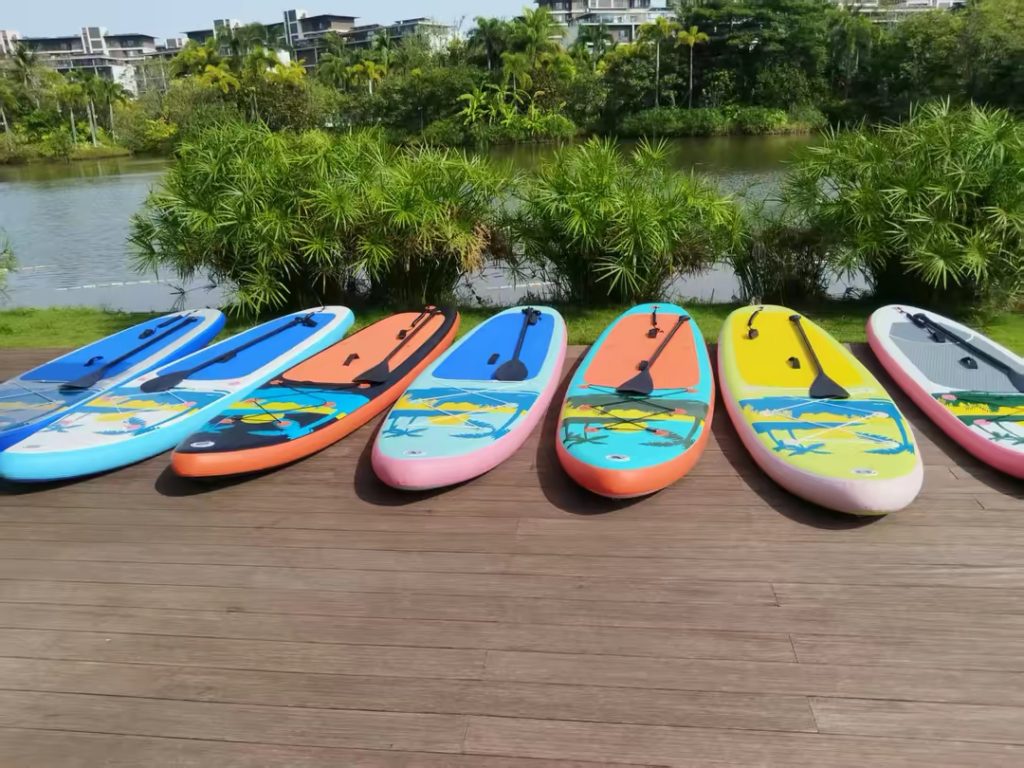
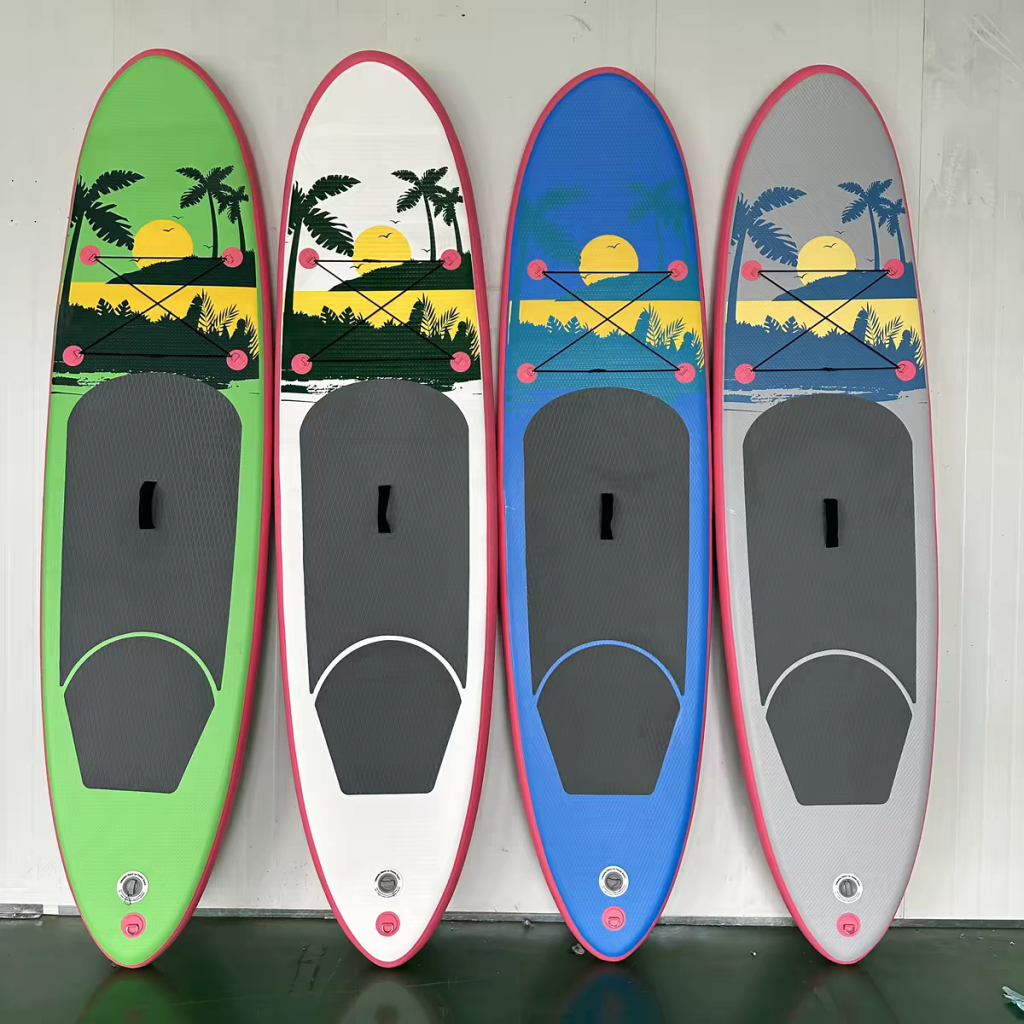
Choosing a Chinese surfboard manufacturer is an important decision if you are building a new surf brand, importing boards for retail, or developing a private-label product.
The cheapest factory is not always the best choice. A good manufacturer should be able to meet your requirements for quality, design, materials, customization, production capacity, packaging, price, and delivery time.
Here is a practical way to evaluate and choose the right manufacturer.
1. Start With Your Brand Positioning
Before contacting factories, decide what type of surfboard you want to sell.
For example:
-
Beginner surfboards
-
Performance shortboards
-
Longboards
-
Funboards
-
Foam surfboards
-
Youth surfboards
-
Rental surfboards
-
Premium custom surfboards
Your target customer determines the type of manufacturer you need.
A surf school may prioritize durability and competitive pricing, while a premium surf brand may care more about board construction, shape, finishing, and customization.
2. Set Your Target Manufacturing Cost
Having a target price makes supplier selection easier.
As a general planning reference, Chinese surfboard manufacturing may fall approximately within these ranges:
Product Positioning |
Indicative Factory Price |
|---|---|
Entry-level foam board |
US$45–90 |
Standard surfboard |
US$70–140 |
Mid-range custom board |
US$90–180 |
Performance board |
US$100–220 |
Premium custom board |
US$180–400+ |
These are planning ranges rather than fixed quotations. Actual prices depend on size, materials, construction, quantity, customization, and packaging.
Don’t choose a factory simply because it offers the lowest number.
Instead, ask:
Does this price provide the quality and specifications my customers expect?
3. Check Manufacturing Capability
Ask whether the company actually manufactures surfboards.
Important questions include:
-
How long have they produced surfboards?
-
What types of boards do they manufacture?
-
What production equipment do they use?
-
What is their monthly capacity?
-
Do they have experienced shaping technicians?
-
Can they produce custom designs?
-
Do they have quality-control procedures?
If you plan to order hundreds or thousands of boards, production capacity becomes particularly important.
A factory that can produce excellent samples but cannot maintain consistent quality during mass production may not be suitable for your brand.
4. Evaluate the Construction Method
Two surfboards can look similar but have completely different construction.
Ask about:
-
Core material
-
Foam density
-
Fiberglass
-
Resin
-
Stringer
-
Reinforcement
-
Fin boxes
-
Leash plug
-
Deck construction
-
Bottom construction
For example, an EPS/epoxy board and a basic foam board should not be compared only by their appearance.
The construction method affects:
Weight + durability + flexibility + performance + production cost
If you are developing a brand, make sure the construction specification is documented.
5. Request Samples From Several Manufacturers
Don’t immediately place a large order with the first factory that responds.
A better approach is:
3–5 manufacturers → samples → quality comparison → quotation comparison → factory selection
When inspecting samples, check:
-
Dimensions
-
Weight
-
Shape
-
Surface finish
-
Lamination
-
Paint quality
-
Logo quality
-
Fin boxes
-
Accessories
-
Packaging
-
Overall workmanship
Photos are useful, but physical samples give you much more information.
6. Test OEM and Private-Label Capability
If you want to create your own surfboard brand, OEM capability is important.
Ask whether the manufacturer can customize:
-
Logo
-
Board graphics
-
Colors
-
Dimensions
-
Board shape
-
Construction
-
Fin system
-
Packaging
-
Labels
-
Cartons
-
Accessories
Some manufacturers may only apply your logo to an existing model.
Others can develop a completely customized board.
These are very different levels of OEM capability.
7. Check Minimum Order Quantity
MOQ can significantly affect your purchasing strategy.
For example, a factory might accept:
-
Small quantities for standard products
-
Larger quantities for customized products
-
Higher MOQ for custom molds or new designs
If you are launching a new brand, don’t choose a manufacturer with an MOQ that creates excessive inventory risk.
You can ask:
What is your MOQ for standard boards?
and:
What is your MOQ for custom OEM boards?
The answers may be different.
8. Compare the Complete Cost
The factory price is only one part of your total cost.
Your actual cost can include:
Product + customization + packaging + inland transportation + export charges + international freight + insurance + customs duties + taxes + destination charges
For example, a US$100 surfboard may ultimately cost significantly more after international transportation and import costs.
This is especially important because surfboards are relatively large and can generate substantial freight costs.
When comparing manufacturers, calculate the landed cost, not just the factory quotation.
9. Check Production Lead Time
Ask the manufacturer how long it takes to produce:
-
Samples
-
Small orders
-
Standard bulk orders
-
Customized bulk orders
A factory may quote an attractive price but require a long production period.
For seasonal products, production timing can directly affect your sales.
Ask the manufacturer:
What is your current production lead time after receiving the deposit and approving the final specification?
Getting the answer in writing is better than relying on a verbal promise.
10. Pay Attention to Quality Control
Quality consistency is more important than producing one excellent sample.
Ask how the factory controls quality during:
Raw materials → shaping → lamination → curing → finishing → accessories → final inspection → packaging
You can also create your own inspection checklist.
For example:
-
Correct length
-
Correct width
-
Correct thickness
-
Correct weight
-
Correct volume
-
No major surface defects
-
No delamination
-
Correct logo
-
Correct color
-
Correct accessories
-
Correct packaging
For larger orders, independent pre-shipment inspection can also be considered.
11. Check Packaging
Surfboards can be damaged during international transportation if packaging is inadequate.
Ask the manufacturer what protection is included.
Possible packaging includes:
-
Foam protection
-
Bubble protection
-
Protective film
-
Individual board bags
-
Cartons
-
Corner protection
-
Pallets
For long-distance shipping, stronger packaging can be worthwhile even if it adds a few dollars per board.
A small packaging cost can prevent a much larger product-loss problem.
12. Evaluate Communication
Communication is an underrated part of supplier selection.
You should consider whether the manufacturer:
-
Understands technical specifications
-
Replies clearly
-
Provides detailed quotations
-
Sends samples on time
-
Reports production problems
-
Provides production photos
-
Explains costs
-
Responds professionally to complaints
If communication is difficult before the order, managing a large OEM project may become even harder later.
13. Ask About Custom Design Development
If your brand needs unique surfboard shapes, ask whether the factory can work from:
-
CAD drawings
-
Dimension sheets
-
Design files
-
Reference boards
-
Technical drawings
-
Your existing sample
Ask whether design development is included in the quotation or charged separately.
For a completely new board shape, the development cost may be higher than simply customizing an existing model.
14. Consider Long-Term Production Consistency
Your first order may be excellent.
The more important question is:
Can the manufacturer produce the same quality six months or one year later?
For a long-term brand, establish a written product specification.
Include:
-
Dimensions
-
Weight tolerance
-
Materials
-
Construction
-
Graphics
-
Colors
-
Accessories
-
Packaging
-
Acceptable defects
This gives both sides a clear reference for future production.
15. Don’t Choose Based on Price Alone
Imagine you receive three quotations:
Supplier |
Price |
OEM |
Quality Control |
Customization |
|---|---|---|---|---|
A |
US$70 |
Limited |
Basic |
Limited |
B |
US$105 |
Good |
Good |
Good |
C |
US$150 |
Excellent |
Strong |
Extensive |


No reply content