
Choosing the correct copper wire size is an important part of designing and installing an electrical system. The wire must be capable of carrying the required current safely while also meeting the voltage, installation, insulation, and project requirements.
For buyers, contractors, electrical engineers, and distributors, selecting wire only by price or appearance can create problems during installation and operation. A suitable specification should consider conductor material, cross-sectional area, insulation, voltage rating, installation conditions, and the expected electrical load.
What Determines the Correct Copper Wire Size?
Copper wire size is normally specified by the conductor’s cross-sectional area, measured in square millimeters (mm²).
Common sizes include:
- 1.5 mm²
- 2.5 mm²
- 4 mm²
- 6 mm²
- 10 mm²
- 16 mm²
- 25 mm²
- 35 mm²
- 50 mm²
- 70 mm²
- 95 mm²
- 120 mm²
A larger conductor generally has a lower electrical resistance and can carry more current under comparable installation conditions.
However, wire size should not be selected from cross-sectional area alone. The actual application and installation environment also need to be considered.
1. Determine the Expected Electrical Load
The first step is to determine the electrical load that the circuit needs to supply.
For example, a circuit supplying lighting equipment may require a different conductor size from a circuit supplying heating equipment, motors, or other high-power machinery.
The designer should consider:
- Operating voltage
- Load power
- Expected current
- Single-phase or three-phase operation
- Continuous or intermittent operation
- Starting current where applicable
- Future load requirements
For a simple resistive load, current can be estimated from the relationship between power and voltage. For motors and other equipment, the actual electrical characteristics may require additional calculations.
2. Understand the Difference Between Wire Size and Current Capacity
A common mistake is assuming that every 2.5 mm² copper wire has exactly the same allowable current.
In practice, current-carrying capacity depends on several factors.
These can include:
- Ambient temperature
- Number of loaded conductors
- Installation method
- Conduit or cable tray conditions
- Bundling
- Surrounding materials
- Insulation temperature rating
- Length of the circuit
For this reason, a wire-size selection should follow the applicable electrical code or engineering standard for the destination market.
3. Consider Voltage Drop
Current capacity is not the only consideration.
For long electrical circuits, voltage drop can become significant. Even when a conductor can technically carry the required current, excessive voltage drop may affect equipment performance.
Voltage drop is influenced by:
- Conductor resistance
- Conductor length
- Load current
- Conductor cross-sectional area
- Supply voltage
- Circuit configuration
A longer circuit may therefore require a larger conductor than a short circuit carrying the same load.
This is particularly relevant for workshops, commercial buildings, industrial facilities, warehouses, and other installations where cable runs can be relatively long.
4. Compare 1.5 mm², 2.5 mm², 4 mm² and 6 mm² Wire
The following sizes are widely encountered in low-voltage electrical applications, although the appropriate application depends on local electrical regulations and project specifications.
1.5 mm² Copper Wire
1.5 mm² wire is commonly associated with relatively small electrical circuits, particularly lighting applications.
Its suitability depends on the actual installation method and local requirements.
2.5 mm² Copper Wire
2.5 mm² conductors are commonly specified for general-purpose electrical circuits where a higher load capacity than smaller conductors is required.
The final selection should still be based on the project’s electrical calculations and applicable regulations.
4 mm² Copper Wire
4 mm² copper wire provides a larger conductor cross-section and may be considered for circuits with higher current requirements.
It can also be useful where voltage-drop considerations require a larger conductor.
6 mm² Copper Wire
6 mm² copper wire is often considered for higher-load circuits, depending on the application, installation conditions, and applicable electrical standards.
These examples should not be treated as universal wiring rules. The correct size must be confirmed according to the actual project.
5. Solid Copper or Stranded Copper?
Conductor construction is another factor buyers should consider.
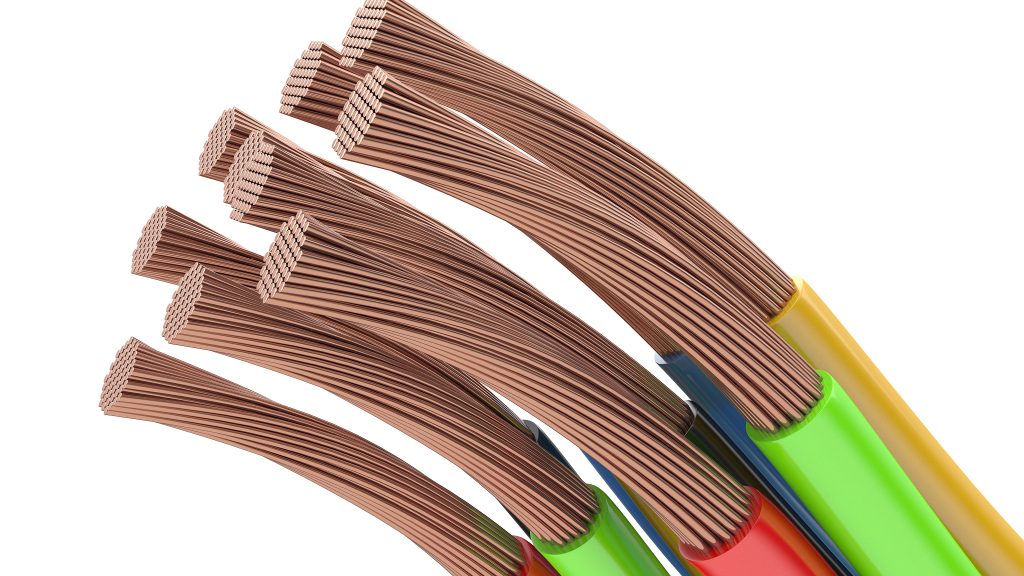
A solid conductor consists of a single copper conductor, while a stranded conductor consists of multiple smaller copper wires grouped together.
Stranded conductors can provide greater flexibility, which can be useful in installations where the wire needs to be routed through conduits or around bends.
Solid conductors may be suitable for applications where flexibility is less important.
The choice should therefore depend on the installation method and project requirements rather than simply selecting the cheapest option.
6. Check the Insulation Material
Copper is only one part of an electrical wire.
The insulation system also plays an important role in safety and performance.
PVC insulation is widely used for many low-voltage electrical wires. Other insulation materials may be selected for applications requiring different temperature, chemical, mechanical, or environmental characteristics.
When requesting a quotation, buyers should specify the required insulation material and relevant standard instead of simply asking for “copper wire.”
7. Check the Rated Voltage
The rated voltage is another important specification.
For example, certain building wires are manufactured for 450/750V applications. However, the required voltage rating depends on the intended electrical system and applicable standard.
Buyers should provide the required voltage rating when requesting quotations to avoid receiving a product with an unsuitable specification.
8. Consider the Installation Environment
The same conductor size may perform differently under different installation conditions.
Before selecting a wire, consider whether it will be installed:
- Inside conduit
- In cable trays
- In electrical cabinets
- Inside buildings
- In industrial facilities
- In areas with elevated temperatures
- In locations exposed to chemicals or moisture
Environmental conditions can influence both conductor temperature and insulation performance.
9. What Should Buyers Include in an RFQ?
When purchasing copper electrical wire from a manufacturer or supplier, providing detailed specifications can make the quotation process faster and more accurate.
A useful RFQ can include:
Product type: Building wire, flexible wire, control wire, or another specified product
Conductor material: Copper
Conductor construction: Solid or stranded
Cross-sectional area: For example, 2.5 mm² or 6 mm²
Insulation: PVC or specified alternative
Rated voltage: Project-specific requirement
Applicable standard: IEC, BS, UL, or another required standard
Color: Required conductor colors
Quantity: Meters, coils, drums, or other packaging units
Packaging: Coil, carton, wooden drum, or customer-specified packaging
Destination: Port, city, or final delivery location
Providing these details allows the supplier to prepare a more precise quotation.
10. Do Not Select Wire Size Based Only on Price
A lower price does not necessarily represent a lower total purchasing cost.
Buyers should compare the complete technical specification, including:
- Copper conductor quality
- Conductor cross-sectional area
- Insulation material
- Insulation thickness
- Rated voltage
- Applicable standard
- Manufacturing tolerance
- Packaging
- Testing requirements
- Required documentation
Two products may appear similar but have different technical specifications.
A professional purchasing process should therefore compare equivalent products before evaluating the price difference.
Frequently Asked Questions
Is a larger copper wire always better?
Not necessarily. A larger conductor can provide lower resistance and greater current-carrying capability under comparable conditions, but the conductor should be selected according to the actual electrical design.
Is 2.5 mm² copper wire suitable for every electrical circuit?
No. The appropriate size depends on load current, installation conditions, circuit length, voltage drop, local regulations, and other project requirements.
Does cable length affect wire-size selection?
Yes. Longer circuits can experience greater voltage drop. In some applications, a larger conductor may be required to maintain acceptable electrical performance.
What information should I provide when buying copper wire?
At minimum, buyers should provide the conductor material, wire type, cross-sectional area, insulation, rated voltage, required standard, quantity, packaging requirements, and destination market.
How can buyers compare different copper wire suppliers?
Buyers should compare technical specifications, manufacturing standards, test documentation, conductor construction, insulation characteristics, production capacity, packaging, lead time, and commercial terms rather than comparing price alone.
Conclusion
Selecting the correct copper wire size requires more than choosing a number from a product list. Electrical load, conductor cross-sectional area, installation conditions, circuit length, voltage drop, insulation, rated voltage, and applicable standards should all be considered.
For international purchasing, buyers can improve quotation accuracy by providing complete technical specifications and clearly identifying the intended application. This helps suppliers recommend products that correspond more closely to the project’s requirements and reduces the risk of purchasing an unsuitable specification.


No reply content