
China Guangzhou custom curtains OEM
China
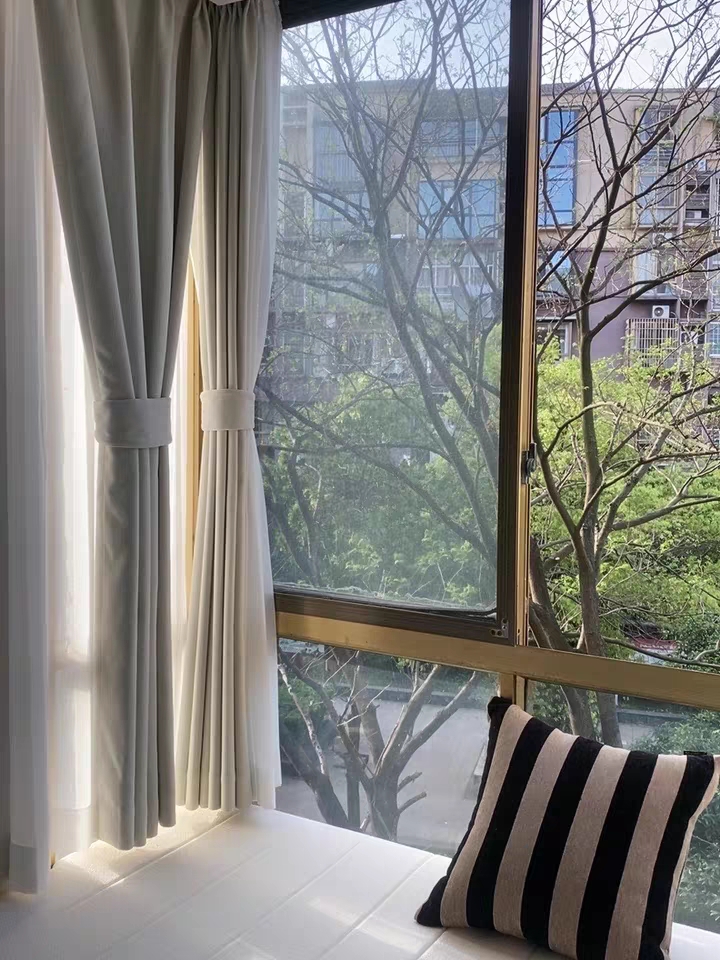
Choosing the right curtain fabric is important because curtains affect privacy, natural light, temperature, appearance, and the overall atmosphere of a room.
For buyers sourcing curtains from a manufacturer, selecting the fabric should be based not only on appearance but also on the room’s function, maintenance requirements, budget, and expected performance.
1. Consider the Function of the Room
Different rooms have different curtain requirements.
For example:
-
Bedrooms usually need privacy and light control.
-
Living rooms often require a balance between natural light and decoration.
-
Kitchens need fabrics that are easier to clean.
-
Children’s rooms may require practical, durable materials.
-
Hotels may prioritize durability and consistent appearance.
-
Offices may need glare and light control.
Define the primary purpose before selecting the fabric.
2. Bedroom Curtains
Bedrooms commonly require privacy and effective light control.
Popular choices include:
Blackout fabric
Suitable for people who want to reduce incoming light and create a darker sleeping environment.
Polyester
Durable, relatively easy to maintain, and available in many colors and textures.
Lined curtains
A decorative outer fabric can be combined with a lining to improve privacy and light control.
When sourcing bedroom curtains, ask the manufacturer about the actual light-blocking performance rather than relying only on the term “blackout.”
3. Living Room Curtains
Living rooms often benefit from fabrics that provide a balance between decoration, privacy, and natural light.
Common choices include:
-
Linen-look fabrics
-
Polyester
-
Cotton blends
-
Velvet
-
Sheer fabrics
Sheer curtains can allow natural light into the room while providing some visual privacy during the daytime.
A heavier outer curtain can then be combined with the sheer layer for greater privacy and light control.
4. Kitchen Curtains
Kitchen curtains may be exposed to:
-
Cooking odors
-
Steam
-
Grease
-
Dust
-
Frequent cleaning
For this reason, practical and relatively easy-to-maintain fabrics are often preferable.
Before purchasing, check:
-
Washing instructions
-
Shrinkage
-
Colorfastness
-
Fabric durability
-
Ease of cleaning
Avoid selecting a fabric solely because it looks attractive in a showroom.
5. Children’s Room Curtains
For children’s rooms, buyers may prioritize durability, easy maintenance, privacy, and light control.
Polyester and polyester-blend fabrics are often considered because they can offer practical maintenance characteristics.
When choosing products for children’s rooms, buyers should also consider the applicable safety requirements of their target market, particularly regarding textile materials, chemical restrictions, and curtain-related hazards.
6. Hotel Curtains
Hotels often have different requirements from residential buyers.
Hotel curtains may need:
-
High durability
-
Consistent color
-
Professional appearance
-
Effective light control
-
Easy maintenance
-
Stable supply
-
Custom sizes
-
Large-volume production
For hotel projects, it is particularly important to confirm the fabric specifications and performance requirements before placing a large order.
7. Sheer Curtains
Sheer curtains are lightweight and allow more daylight into a room.
They can be used:
-
Alone
-
Behind blackout curtains
-
Together with decorative curtains
Common sheer materials include polyester and other lightweight textile constructions.
For commercial projects, ask the manufacturer for fabric samples so you can evaluate transparency and texture under actual lighting conditions.
8. Blackout Curtains
Blackout curtains are designed to reduce incoming light.
They can be useful for:
-
Bedrooms
-
Home theaters
-
Hotels
-
Nurseries
-
Rooms exposed to strong sunlight
However, blackout performance can vary between products.
Ask the manufacturer for:
-
Blackout percentage or test information
-
Fabric construction
-
Lining structure
-
Available colors
-
Washing instructions
If precise performance is important, request test documentation or evaluate a physical sample.
9. Linen and Linen-Look Fabrics
Linen has a natural texture and is popular for modern and minimalist interiors.
However, genuine linen and linen-blend fabrics can have different characteristics from polyester or synthetic alternatives.
When purchasing linen curtains, check:
-
Fiber composition
-
Fabric weight
-
Shrinkage
-
Wrinkle characteristics
-
Washing requirements
If you want the appearance of linen with easier maintenance and more consistent production, a linen-look synthetic fabric may be worth considering.
10. Velvet Curtains
Velvet can provide a heavier, more luxurious appearance.
It may be suitable for:
-
Luxury interiors
-
Hotels
-
Theaters
-
Bedrooms
-
Formal living rooms
However, velvet curtains can be heavier than lightweight fabrics, so the curtain rod, track, hooks, and installation system should be able to support the finished product.
11. Think About Sunlight Exposure
Strong sunlight can affect curtain fabric over time.
For rooms with significant sun exposure, ask the manufacturer about:
-
Colorfastness
-
Fabric durability
-
Lining options
-
UV exposure
-
Recommended care
Dark colors can also behave differently from lighter colors under prolonged sunlight.
12. Consider Washing and Maintenance
A beautiful curtain can become inconvenient if it requires difficult maintenance.
Before ordering, ask:
-
Is the curtain machine washable?
-
Can it be dry cleaned?
-
Will the fabric shrink?
-
Does the color fade after washing?
-
Does ironing need to be avoided?
-
Can the lining be removed?
For hotels, rental properties, and other high-use environments, maintenance requirements can have a major effect on long-term costs.
13. Compare Fabric Weight and Curtain Appearance
Fabric weight affects how a curtain hangs.
A heavier fabric may create a fuller and more formal appearance, while a lightweight fabric can create a softer and more casual look.
Ask the manufacturer for the fabric weight and width so that different suppliers can be compared accurately.
14. Request Samples Before Bulk Purchasing
A digital photograph cannot show every characteristic of a fabric.
Always request physical samples when possible.
Evaluate:
-
Color
-
Texture
-
Thickness
-
Weight
-
Transparency
-
Draping
-
Stitching
-
Light-blocking performance
-
Washing instructions
If the final order is large, keep an approved sample as a reference for production inspection.
15. Match Fabric to the Target Market
Different markets may prefer different styles and performance characteristics.
For example, a buyer targeting:
-
Budget residential products may prioritize price and easy maintenance.
-
Premium home décor may prioritize texture and appearance.
-
Hotels may prioritize durability and consistent supply.
-
Retail brands may prioritize customization and packaging.


No reply content