
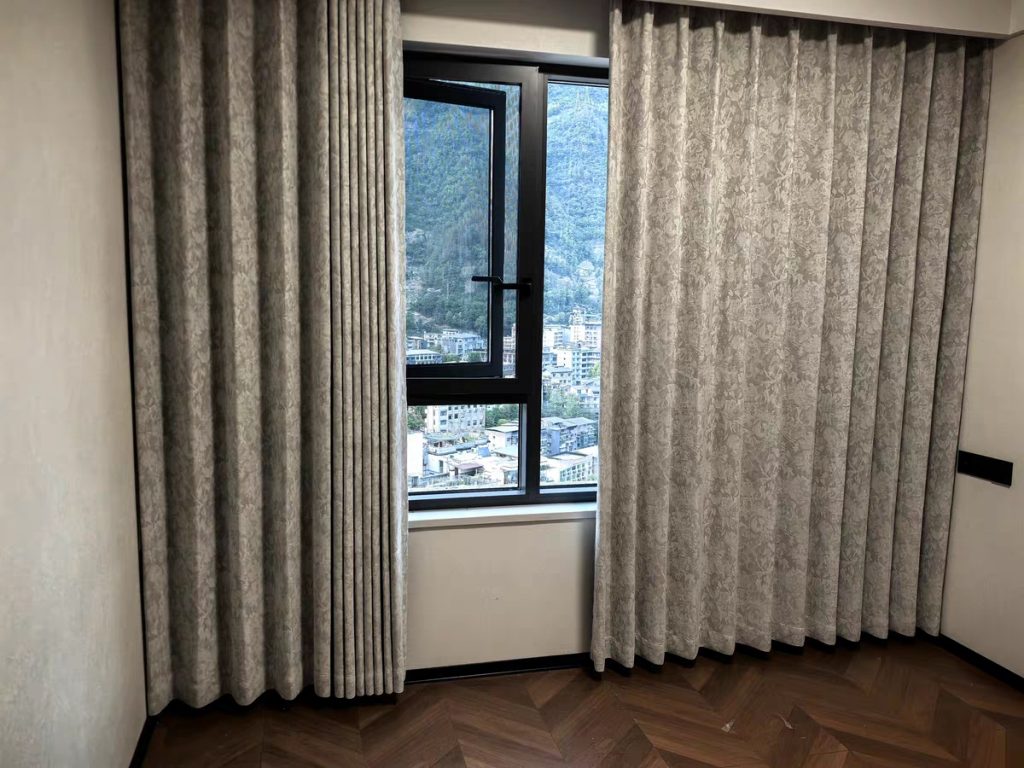

Whether you are decorating a new home, renovating a commercial office, or sourcing inventory for an interior design business, choosing the right curtain supplier can make or break your project.
Curtains do much more than just block sunlight; they impact room insulation, acoustics, privacy, and overall interior aesthetics. However, navigating fabric options, custom sizing, and supplier reliability can be overwhelming. This guide outlines everything you need to consider to select a dependable supplier that fits your style and budget.
1. Key Qualities of a High-Quality Curtain Supplier
To narrow down your search, look for suppliers that excel in the following critical areas:
- Diverse Material Selection: A top-tier supplier should offer a wide range of high-performance fabrics, including linen, velvet, cotton, sheer organza, and thermal blackout materials.
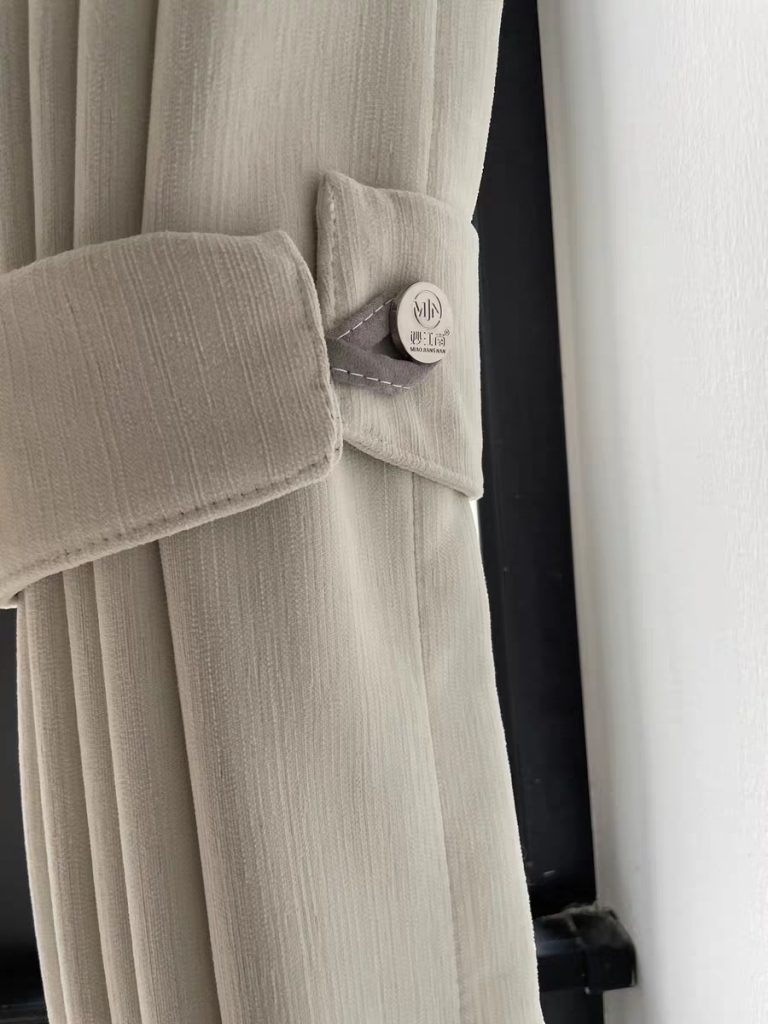
- Precision Craftsmanship: Pay attention to stitching detail, hem weighting, header styling (such as pinch pleat, grommet, or rod pocket), and lining quality.
- Customization Capabilities: Window dimensions vary widely. A good supplier should provide custom sizing, tailored linings (light-filtering, room-darkening, or thermal), and specialized track or rod hardware.
- Eco-Friendly and Safe Textiles: Look for suppliers offering fabrics certified by global standards like OEKO-TEX® Standard 100, which ensures the textiles are free from harmful levels of toxic chemicals.
2. Choosing Between Different Types of Curtain Suppliers
Depending on your project scope, you will likely work with one of three main types of suppliers:
A. Ready-Made Retailers
- Best For: Fast, budget-friendly solutions for standard window sizes.
- Pros: Immediate availability, affordable pricing, easy returns.
- Cons: Limited size variations, basic fabric selections, and standard lining options.
B. Custom Direct-to-Consumer (D2C) Brands
- Best For: Homeowners looking for tailored, high-end looks without the traditional designer markup.
- Pros: Precise window measurements, custom lining options, and a wide variety of header styles.
- Cons: Higher price point than off-the-shelf options, and production usually takes a few weeks.
C. Wholesale & B2B Manufacturers
- Best For: Interior designers, hotel managers, real estate developers, and retail store owners.
- Pros: Bulk discounts, full OEM/ODM customization, specialized flame-retardant fabrics, and scalable production.
- Cons: Higher minimum order quantities (MOQs) and longer lead times.
3. Step-by-Step Guide to Evaluating Your Options
- Request Fabric Swatches: Never order based on screen photos alone. Colors, weights, and textures look vastly different in natural room light.
- Verify Functional Features: If you need noise reduction or 100% light blockage, verify if the supplier uses multi-pass thermal backing or sewn-in blackout linings rather than light-filtering treatments.
- Check Lead Times and Shipping Policies: Custom drapery requires time. Ensure the vendor’s production timeline aligns with your move-in or renovation deadline.
- Review Measurement and Installation Support: Reliable suppliers provide clear measurement guides, video tutorials, or professional installation services to ensure your curtains fit perfectly.
Frequently Asked Questions (FAQ)
Q1: What is the difference between room-darkening and total blackout curtains?
Room-darkening curtains reduce incoming light by roughly 80% to 95%, softening the glare in a room. Total blackout curtains feature specialized lined backing that blocks 100% of incoming light, making them ideal for bedrooms, nurseries, and home theaters.
Q2: How do I know how much fabric width I need for my windows?
As a general rule, your curtains should have a total width equal to 1.5 to 2.5 times the width of your window frame or curtain rod. This ratio ensures full, luxurious folds when the drapes are fully closed.
Q3: What flame-retardant standards should I look for in commercial curtains?
For commercial spaces like hotels, restaurants, and offices, drapery must meet safety compliance codes. Look for fabrics certified under standards such as NFPA 701 (in North America) or BS 5867 (in Europe/UK).
Q4: Can I request custom curtain linings from a supplier?
Yes. Professional custom suppliers typically offer choices between standard white linings (for consistent curb appeal), light-filtering linings, thermal linings for energy efficiency, and total blackout linings.
Summary
Selecting the right curtain supplier comes down to matching your specific design needs with a vendor that offers high-quality textiles, precise craftsmanship, and clear customization options. By requesting fabric swatches in advance and verifying functional certifications, you can elevate your interior spaces with confidence.


No reply content