
Dongguan PremiumGift BoxPackaging
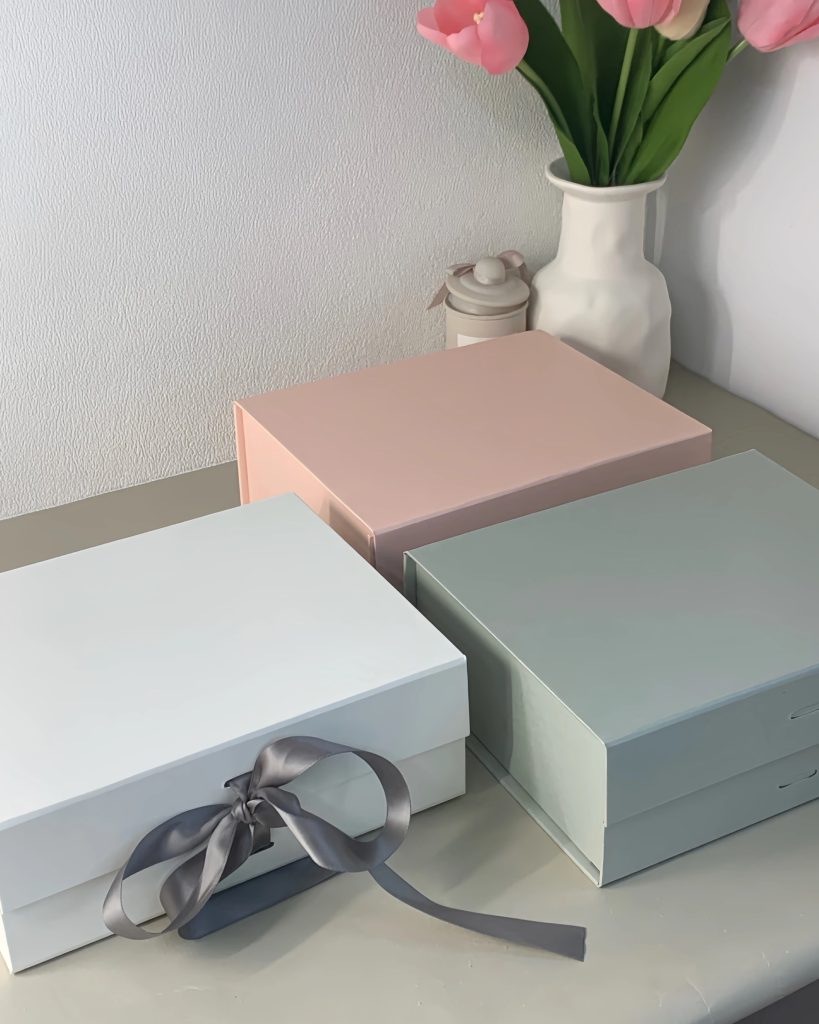
Packaging is more than just a way to protect products during transportation. It is often the first physical interaction customers have with a brand, making it a critical part of the overall customer experience. A well-designed custom gift box can increase product value, strengthen brand recognition, and encourage repeat purchases.
Whether you are launching a luxury cosmetic line, premium food products, jewelry, electronics, fashion accessories, or promotional gifts, choosing the right custom packaging gift box manufacturer directly affects product quality, delivery schedules, and long-term business success.
This guide explains the key factors buyers should evaluate before selecting a manufacturing partner and how to ensure consistent quality for every order.
Why Choosing the Right Manufacturer Matters
Many businesses focus only on price when sourcing packaging. However, the lowest quotation does not always provide the best value.
A professional packaging manufacturer offers:
-
Stable product quality
-
Reliable production schedules
-
Competitive pricing
-
Professional engineering support
-
Flexible customization
-
International shipping experience
-
Consistent communication
A dependable supplier reduces production risks while helping your brand maintain a professional image in competitive markets.
Understand Your Packaging Requirements First
Before contacting manufacturers, clearly define your project requirements.
Consider the following questions:
-
What products will the box hold?
-
What is the product weight?
-
Does the box need additional protection?
-
Is luxury presentation important?
-
Will the box be displayed in retail stores?
-
What is your target market?
-
What is your expected order quantity?
-
Do you require eco-friendly materials?
The clearer your requirements, the easier it is for manufacturers to provide accurate quotations and suitable recommendations.
Evaluate Manufacturing Experience
Experience is one of the most important indicators of manufacturing capability.
An experienced custom packaging gift box manufacturer understands:
-
Structural engineering
-
Material selection
-
Printing technology
-
Color consistency
-
International quality standards
-
Export packaging requirements
Manufacturers serving global brands usually have stronger quality control systems and more mature production processes.
Ask suppliers about:
-
Years in business
-
Export markets
-
Main customer industries
-
Production capacity
-
Successful case studies
Examine Product Materials
Different products require different packaging materials.
Common materials include:
Greyboard
Greyboard provides excellent rigidity and is widely used for premium rigid gift boxes.
Applications:
-
Luxury cosmetics
-
Watches
-
Jewelry
-
Electronics
-
Corporate gifts
Art Paper
Art paper offers excellent print quality and is suitable for premium branding.
Kraft Paper
Kraft paper is environmentally friendly and increasingly popular among sustainable brands.
Corrugated Board
Corrugated cardboard provides superior protection during transportation and is ideal for e-commerce packaging.
Specialty Paper
Specialty paper creates a luxury appearance through unique textures, colors, and finishes.
Consider Printing Capabilities
High-quality printing directly influences consumer perception.
Professional manufacturers usually provide:
-
Offset printing
-
Digital printing
-
UV printing
-
Pantone color matching
-
CMYK printing
-
Large-format printing
Additional decorative finishes include:
-
Hot foil stamping
-
Spot UV
-
Embossing
-
Debossing
-
Matte lamination
-
Gloss lamination
-
Soft-touch coating
These finishes significantly enhance the appearance of premium packaging.
Evaluate Structural Design Capabilities
Beautiful printing alone is not enough.
A professional manufacturer should also provide structural engineering support.
Popular box styles include:
-
Magnetic closure boxes
-
Drawer boxes
-
Foldable gift boxes
-
Lid and base boxes
-
Book-style boxes
-
Round gift boxes
-
Tube packaging
-
Shoulder boxes
Proper structural design protects products while improving the customer’s unboxing experience.
Ask About OEM and ODM Services
Many international buyers require private label packaging.
OEM services generally include:
-
Custom logo printing
-
Custom dimensions
-
Personalized artwork
-
Material selection
-
Packaging inserts
-
Barcode printing
ODM services may also include:
-
Original structural design
-
Packaging innovation
-
New product development
-
Branding consultation
Working with a manufacturer offering both OEM and ODM services provides greater flexibility for growing brands.
Review Sample Development
Never place a large production order without evaluating samples.
Professional manufacturers typically provide:
-
White dummy samples
-
Digital mockups
-
Printed prototypes
-
Production samples
Checking samples allows buyers to verify:
-
Dimensions
-
Colors
-
Material quality
-
Printing accuracy
-
Structural strength
-
Surface finishing
This step minimizes production risks before mass manufacturing.
Quality Control Is Essential
Reliable manufacturers implement strict quality control throughout production.
Quality inspections generally cover:
-
Incoming raw materials
-
Printing quality
-
Color consistency
-
Die-cutting accuracy
-
Glue bonding strength
-
Assembly
-
Final packaging
-
Carton inspection
Many factories also perform random inspections before shipment to ensure every batch meets customer requirements.
Production Capacity and Lead Time
Understanding production capacity helps buyers avoid shipment delays.
Ask suppliers about:
-
Daily production output
-
Number of production lines
-
Peak season capacity
-
Average lead time
-
Emergency order capability
Typical production schedules include:
-
Sample production: 5–10 days
-
Mass production: 15–30 days depending on quantity and complexity
Early planning is especially important before holidays and peak sales seasons.
Sustainability and Eco-Friendly Packaging
Sustainable packaging has become a key purchasing factor worldwide.
Many brands now request:
-
FSC-certified paper
-
Recyclable materials
-
Biodegradable packaging
-
Soy-based inks
-
Plastic-free designs
Environmentally responsible packaging not only supports sustainability goals but also strengthens brand reputation among environmentally conscious consumers.
Certifications to Look For
Professional manufacturers often hold certifications that demonstrate quality management and responsible production.
Common certifications include:
-
ISO 9001 Quality Management
-
FSC Chain of Custody
-
BSCI Social Compliance
-
Sedex (SMETA) Audit
-
RoHS Compliance (where applicable)
-
REACH Compliance (for relevant materials)
These certifications provide additional confidence when selecting a long-term manufacturing partner.
Common Mistakes Buyers Should Avoid
Many importers encounter unnecessary problems because they:
-
Choose suppliers based only on the lowest price.
-
Skip sample approval before mass production.
-
Ignore production lead times.
-
Fail to specify packaging requirements clearly.
-
Overlook quality inspection procedures.
-
Do not verify export experience or certifications.


No reply content