
Choosing the correct diesel generator size is one of the most important decisions for factories, construction sites, farms, hospitals, and commercial buildings. An undersized generator may overload and shut down, while an oversized unit increases fuel consumption and operating costs. Understanding your actual power requirements can help you select the most efficient and reliable solution.
Why Generator Size Matters
A diesel generator should provide enough power for all connected equipment without running continuously at full load. Operating at around 70% to 80% load usually delivers the best fuel efficiency and extends engine life.
Selecting the wrong size can lead to:
- Frequent overload alarms
- Voltage fluctuations
- Increased fuel consumption
- Shortened engine lifespan
- Unexpected power failures
Step 1: List All Equipment
Make a complete list of all electrical devices that will run simultaneously.
Examples include:
- Air compressors
- Pumps
- Lighting systems
- Welding machines
- CNC machines
- Refrigeration equipment
- Office appliances
Record the running power (kW) and starting power requirements for each machine.
Step 2: Calculate Total Power Demand
Add the power consumption of all equipment expected to operate at the same time.
For example:
- Air compressor: 20 kW
- Lighting system: 5 kW
- Water pump: 10 kW
- CNC machine: 30 kW
Total running load = 65 kW
Adding a 20% safety margin:
65 × 1.2 = 78 kW
In this case, a 100 kVA diesel generator would be a suitable choice.
Generator Size Recommendations
Small Shops and Offices
Power Demand: 10-30 kW
Recommended Generator: 20-40 kVA
Construction Sites
Power Demand: 40-80 kW
Recommended Generator: 50-100 kVA
Medium Factories
Power Demand: 80-200 kW
Recommended Generator: 100-250 kVA
Large Manufacturing Plants
Power Demand: 200-500 kW
Recommended Generator: 250-625 kVA
Data Centers and Hospitals
Power Demand: Above 500 kW
Recommended Generator: 800-2500 kVA
Consider Motor Starting Current
Motors and compressors usually require two to three times their running power during startup.
For example:
A 30 kW motor may require 90 kW during starting. Therefore, the generator must have enough capacity to handle these temporary loads.
Silent or Open Type?
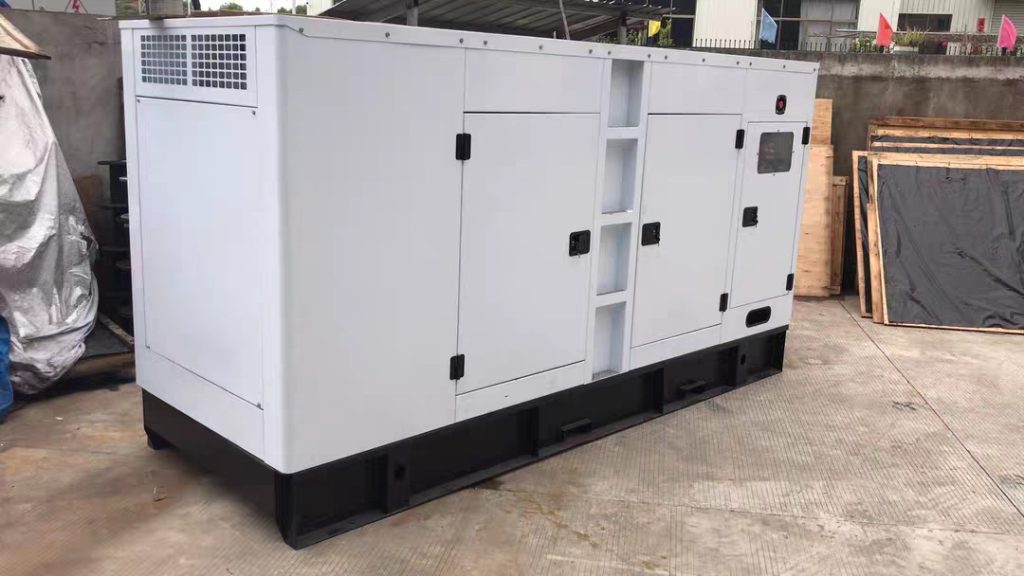
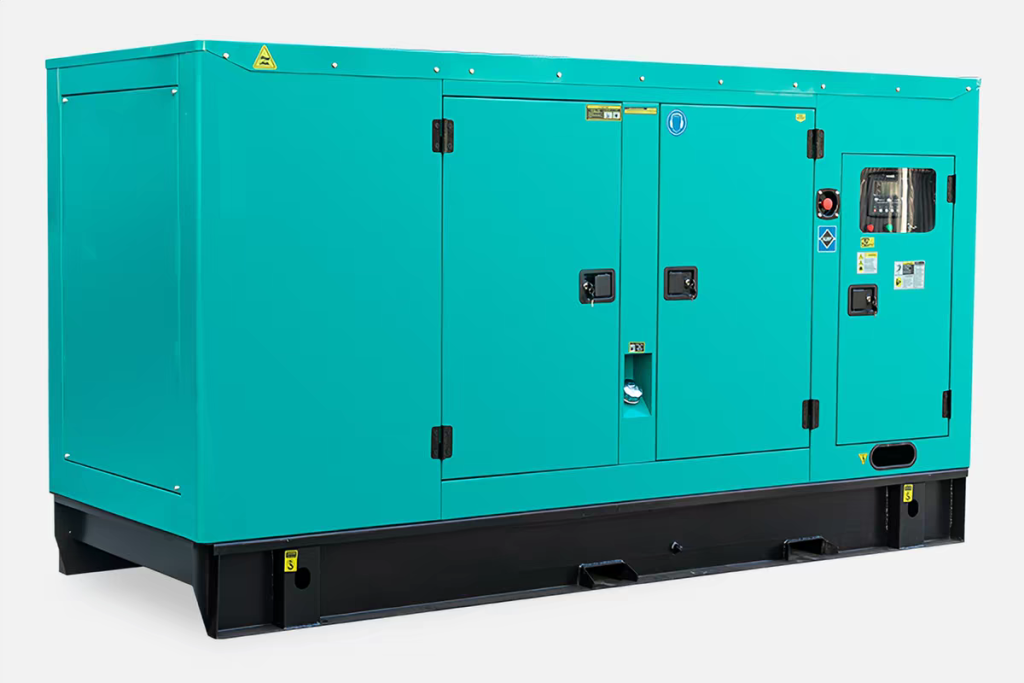
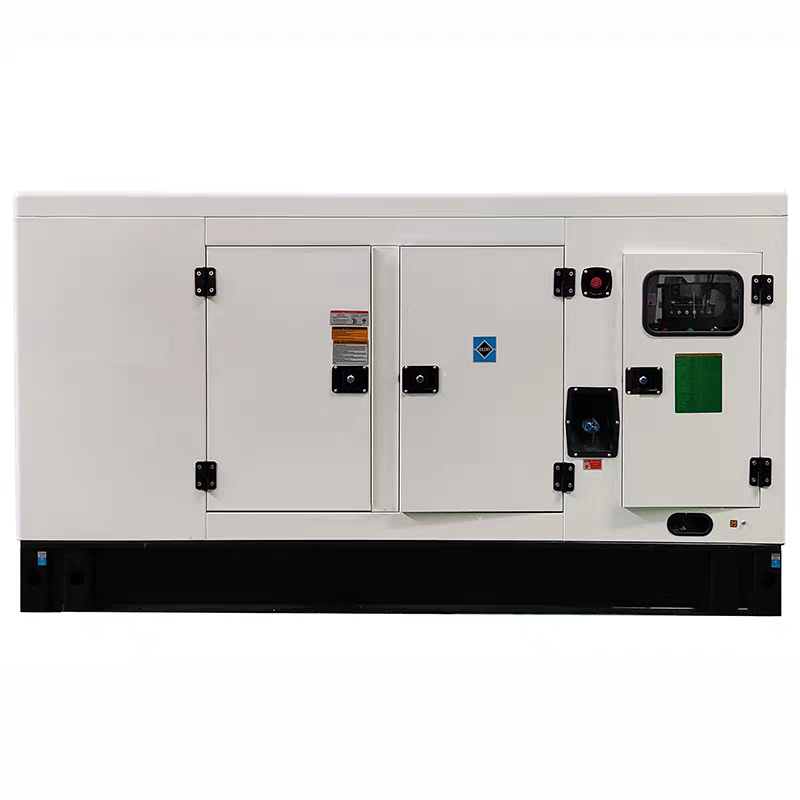
Silent Diesel Generator
Advantages:
- Low noise
- Weather protection
- Suitable for commercial buildings and residential areas
Open Diesel Generator
Advantages:
- Lower cost
- Easier maintenance
- Ideal for factory generator rooms
Fuel Efficiency Considerations
Running a generator below 30% load for long periods can cause carbon buildup and poor fuel efficiency.
Operating between 70% and 80% load generally provides:
- Lower fuel consumption
- Longer service life
- Better performance
- Reduced maintenance costs
Choose Reliable Components
When purchasing a generator, pay attention to:
- Engine brand
- Alternator quality
- Controller system
- Fuel tank capacity
- Cooling system
- Noise level
- Spare parts availability
OEM and Customized Solutions
Different industries have different power requirements. OEM and customized diesel generator sets are available with:
- Automatic Transfer Switch (ATS)
- Remote monitoring systems
- Trailer-mounted designs
- Super silent canopies
- Large fuel tanks
- Parallel operation capability
Conclusion
Choosing the right diesel generator size requires understanding your actual power demand, starting current requirements, and future expansion plans. A properly sized generator provides stable power, reduces fuel costs, and ensures reliable operation for factories, construction projects, farms, and commercial facilities.
FAQ
What size diesel generator do I need for a factory?
Most medium-sized factories require generators between 100 kVA and 250 kVA, depending on total equipment power and startup loads.
Is it better to buy a larger generator?
Not always. Oversized generators consume more fuel and operate inefficiently. Selecting the proper size based on actual load is more economical.
How do I convert kW to kVA?
Use this formula:
kVA = kW ÷ 0.8
For example, 80 kW equals approximately 100 kVA.
Which generator is best for construction sites?
Silent diesel generators between 50 kVA and 100 kVA are widely used because they provide reliable power and lower noise levels.
Can a diesel generator run continuously?
Yes. Industrial diesel generators are designed for long-term operation when properly maintained and loaded within their rated capacity.


No reply content