
China Diesel Generator Manufacturer
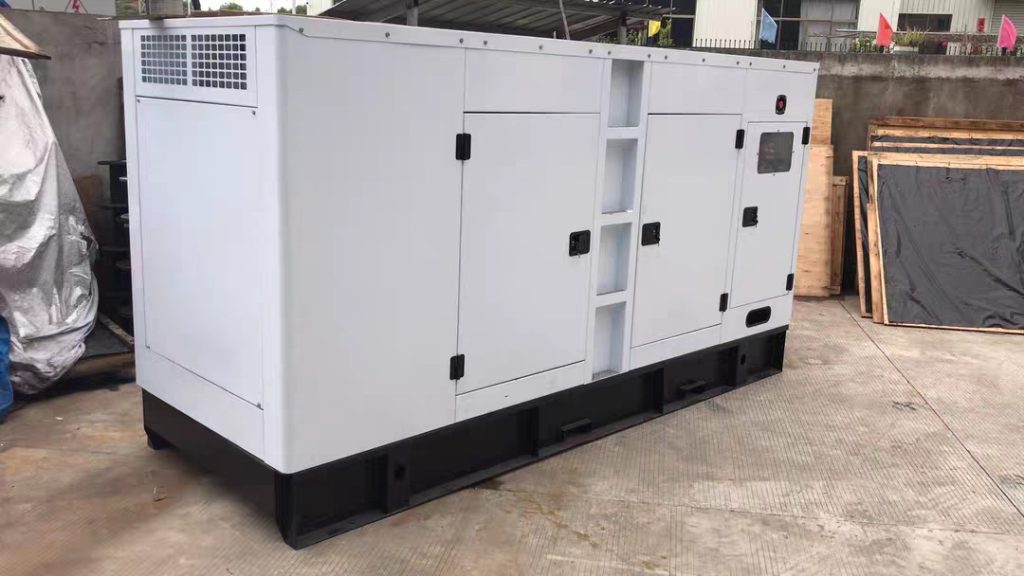
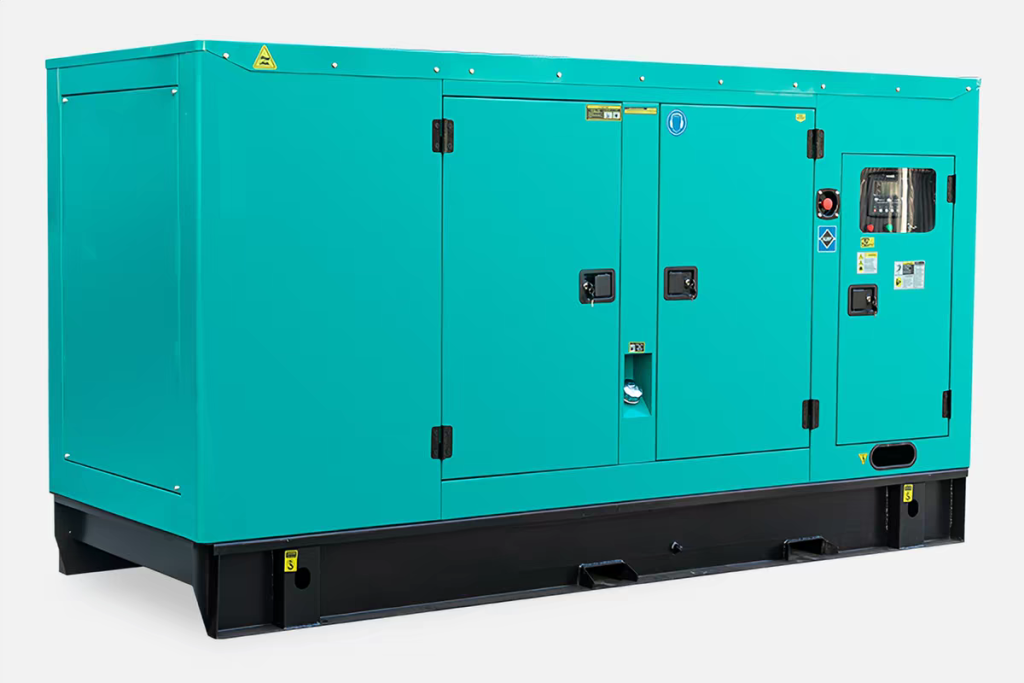
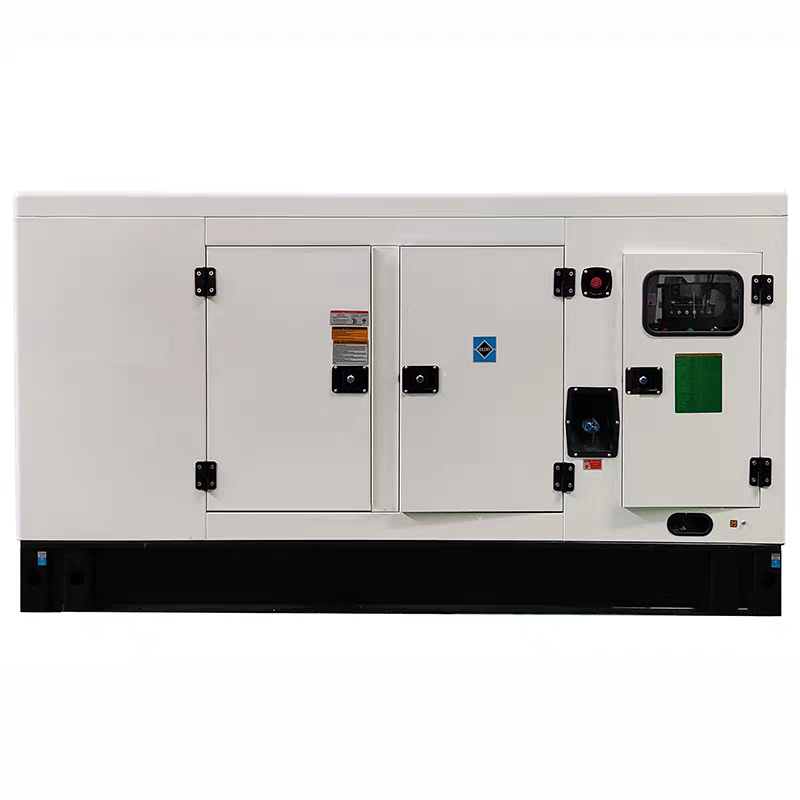
Choosing the correct diesel generator for your facility is one of the most critical investment decisions you will make. A generator that is too small will overload and fail when you need it most, while a unit that is too large will result in unnecessary capital expenditure and higher fuel consumption.
To ensure you get the perfect balance of reliability and cost-efficiency, here is a step-by-step guide to sizing your diesel generator correctly.
1. Calculate Your Total Load (kW & kVA)
Before looking at any machines, you need to know exactly what you are powering.
-
Make an Inventory: List every piece of equipment, machinery, HVAC system, and lighting circuit that requires backup power.
-
Check the Nameplates: Look for the wattage (W), kilowatts (kW), or amperage (Amps).
-
Differentiate Load Types: Remember that motors and compressors require a much higher “starting” (surge) wattage than their “running” wattage. If you ignore this, your generator will trip the moment a large motor kicks on.
2. Understand “Prime” vs. “Standby” Power
This is where many buyers overspend due to misunderstanding their actual needs:
-
Standby Power: This is for emergency use only (e.g., utility power goes out). You should not run a standby generator at more than 80% of its maximum capacity to avoid overheating.
-
Prime Power: This is for continuous use where no utility power is available (common on remote construction sites). Prime generators are built for variable loads over long periods.


No reply content