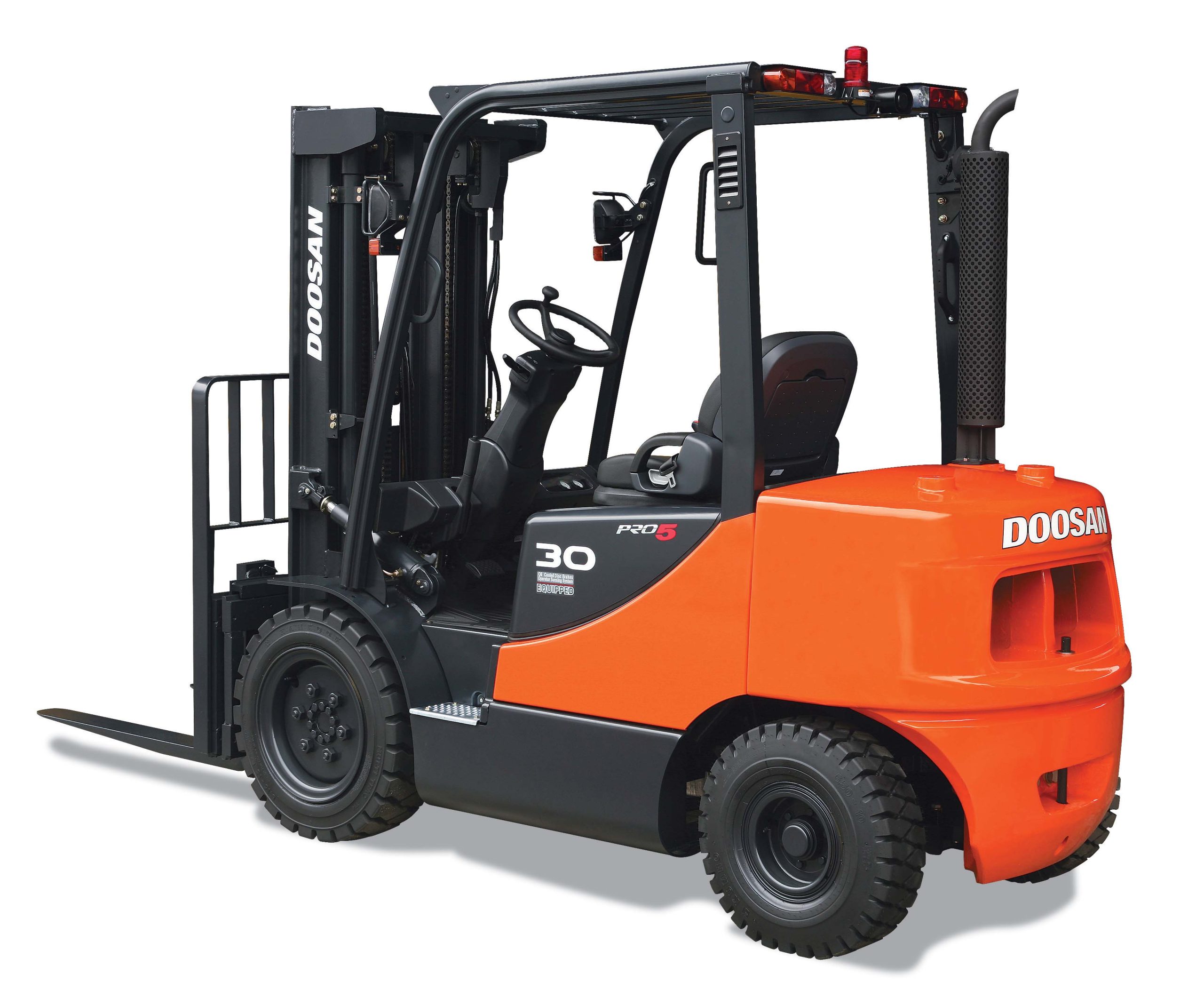
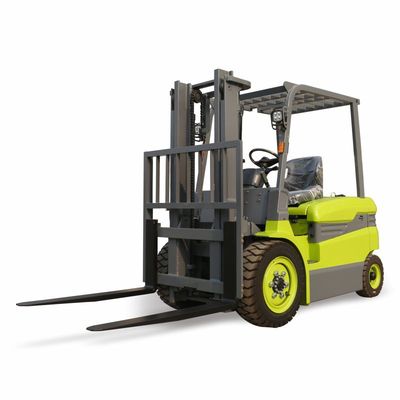
Choosing the right electric forklift manufacturer is an important decision for businesses involved in warehousing, logistics, manufacturing, distribution, and material handling. A reliable electric forklift supplier does not only provide equipment but also offers technical support, customization solutions, spare parts supply, and long-term service.
With the increasing demand for cleaner and more efficient warehouse operations, electric forklifts have become a popular alternative to traditional diesel-powered forklifts. They provide lower operating costs, reduced emissions, quieter operation, and improved working environments.
However, selecting the right manufacturer from many suppliers can be challenging. Buyers need to evaluate product quality, battery technology, manufacturing capability, safety standards, after-sales service, and overall value.
This guide explains the key factors businesses should consider when choosing an electric forklift manufacturer.
Understand Your Warehouse Requirements First
Before contacting an electric forklift manufacturer, businesses should clearly understand their operational needs.
Important factors include:
Load Capacity
Different applications require different lifting capacities.
Common electric forklift capacities include:
- 1.5 ton electric forklifts
- 2 ton electric forklifts
- 2.5 ton electric forklifts
- 3 ton electric forklifts
- Higher-capacity industrial forklifts
Choosing the correct capacity ensures safe operation and prevents equipment damage.
Working Environment
Consider where the forklift will operate:
- Indoor warehouse
- Cold storage facility
- Manufacturing plant
- Port and logistics center
- Retail distribution center
Indoor warehouses often prefer electric forklifts because they produce no exhaust emissions and operate quietly.
Operating Hours
Battery performance is another important factor.
Businesses should evaluate:
- Daily working hours
- Charging frequency
- Battery replacement requirements
- Available charging space
A forklift with suitable battery capacity improves productivity and reduces downtime.
Evaluate Manufacturer Experience
A professional electric forklift manufacturer should have strong industry experience and technical expertise.
Check:
- Years of manufacturing experience
- Production facilities
- Engineering team
- Export experience
- Customer industries served
Manufacturers with years of experience usually have better production processes, quality control systems, and product reliability.
Check Electric Forklift Quality and Technology
The quality of an electric forklift depends on many components.
Important areas include:
Battery Technology
Modern electric forklifts commonly use:
Lithium Battery
Advantages:
- Faster charging
- Longer service life
- Lower maintenance
- Higher energy efficiency
Lead-Acid Battery
Advantages:
- Lower initial cost
- Mature technology
- Suitable for standard applications
The right battery depends on your budget, working conditions, and operation requirements.
Motor Performance
A reliable electric forklift should provide:
- Stable driving performance
- Efficient energy consumption
- Strong climbing ability
- Low maintenance requirements
High-quality motors improve operating efficiency and equipment lifespan.
Safety Features
Safety is essential in warehouse operations.
Look for features such as:
- Overload protection
- Emergency braking system
- Speed control
- Operator protection systems
- Safety alarms
- Stable mast design
A professional manufacturer should prioritize operator safety during product development.
Consider OEM and Customization Services
Different businesses may require different forklift configurations.
A capable electric forklift manufacturer should provide customization options, including:
- Fork length customization
- Battery capacity options
- Mast height selection
- Tire options
- Cabin design
- Color and logo customization
OEM services allow companies to purchase equipment that matches their specific operational requirements.
Review Manufacturing and Quality Control Processes
Quality control directly affects forklift reliability and service life.
A professional factory should inspect:
Raw Materials
Checking:
- Steel quality
- Electrical components
- Hydraulic systems
- Battery systems
Production Process
Including:
- Welding inspection
- Assembly testing
- Electrical testing
- Load testing
Final Inspection
Before shipment, forklifts should undergo:
- Performance testing
- Safety inspection
- Driving tests
- Lifting tests
Strict quality control reduces equipment failures after delivery.
Compare Total Cost of Ownership
Many buyers focus only on purchase price, but the total cost of ownership is more important.
Consider:
Initial Purchase Cost
The forklift price depends on:
- Capacity
- Battery type
- Configuration
- Brand
- Features
Operating Cost
Electric forklifts generally provide advantages:
- Lower energy costs
- Less maintenance
- Fewer replacement parts
- Longer service intervals
Long-Term Value
A higher-quality forklift may have a higher initial cost but provide:
- Longer lifespan
- Better reliability
- Lower repair costs
- Higher productivity
Check Spare Parts and After-Sales Support
After-sales service is a critical factor when choosing a manufacturer.
Ask suppliers about:
- Spare parts availability
- Warranty policy
- Technical support
- Maintenance guidance
- Response time
A reliable manufacturer should provide continuous support throughout the forklift lifecycle.
Consider Export Experience
For international buyers, export experience is important.
Professional manufacturers should understand:
- International shipping requirements
- Export documentation
- Packaging standards
- Destination country regulations
Experienced exporters can make the purchasing process smoother and reduce delivery risks.
Why Many Businesses Choose Electric Forklift Manufacturers in China
China has become one of the world’s major industrial equipment manufacturing centers.
Advantages include:
- Competitive manufacturing costs
- Advanced production technology
- Complete supply chains
- Large production capacity
- Wide product selection
- Strong OEM capabilities
Chinese manufacturers supply electric forklifts to warehouses, factories, logistics companies, and distributors worldwide.
Common Mistakes When Choosing an Electric Forklift Supplier
Avoid these mistakes:
Choosing Only Based on Price
The cheapest forklift may have higher maintenance costs later.
Ignoring Battery Quality
Battery performance directly affects productivity and operating costs.
Not Checking Factory Capability
Always verify production experience and quality systems.
Skipping Product Testing
Request technical specifications and product demonstrations before purchasing.
Ignoring After-Sales Service
Reliable support is essential for long-term operation.
Conclusion
Choosing the right electric forklift manufacturer requires careful evaluation of product quality, technology, customization capability, manufacturing experience, safety standards, and after-sales service.
A professional supplier should provide more than equipment. They should become a reliable partner that helps your warehouse improve efficiency, reduce operating costs, and achieve safer material handling operations.
By selecting an experienced electric forklift manufacturer with strong production capabilities and customer support, businesses can build a more efficient and sustainable logistics system.
FAQ
1. How do I choose the right electric forklift capacity?
Choose based on your average load weight, lifting height requirements, and working environment. Common warehouse models range from 1.5 tons to 3 tons.
2. Are electric forklifts better than diesel forklifts?
Electric forklifts are usually better for indoor operations because they produce zero emissions, operate quietly, and have lower maintenance costs.
3. What battery is better for an electric forklift?
Lithium batteries provide faster charging and longer lifespan, while lead-acid batteries offer lower initial costs.
4. Can manufacturers customize electric forklifts?
Yes. Many manufacturers provide OEM solutions including battery options, mast heights, forks, colors, and branding.
5. What should I check before importing electric forklifts?
Check manufacturer experience, product certifications, quality control systems, warranty terms, spare parts availability, and export experience.


No reply content