
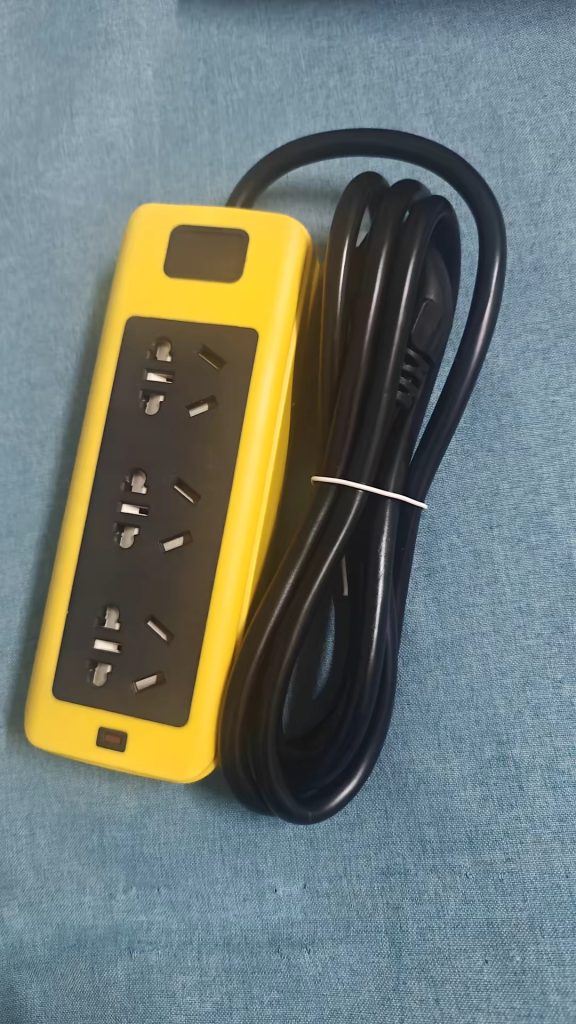
When importing electrical sockets for international markets, choosing the correct product is more complicated than selecting the right plug shape.
Different countries and regions may use different voltage systems, frequencies, socket configurations, grounding arrangements, safety requirements, and product standards.
For importers, distributors, wholesalers, contractors, and electrical brands, selecting the wrong socket can lead to compatibility problems, compliance issues, customer complaints, and unnecessary inventory costs.
This guide explains the key factors buyers should consider when selecting electrical sockets for different countries and international markets.
1. Start With the Destination Country
The first step is to identify exactly where the electrical socket will be sold or installed.
Do not simply tell a manufacturer that you need an “international socket.”
Instead, provide:
- Destination country
- Intended application
- Socket type
- Rated voltage
- Rated current
- Frequency
- Plug configuration
- Installation method
- Indoor or outdoor use
- Required certifications or conformity requirements
The manufacturer can then determine whether an existing product is suitable or whether customization is necessary.
2. Voltage Is One of the Most Important Specifications
Electrical systems around the world do not all use the same nominal voltage.
Common residential voltage systems include approximately:
- 100 V
- 110–120 V
- 220–240 V
However, actual nominal voltage can vary by country and electrical system.
Therefore, buyers should never assume that a socket designed for one country can automatically be used in another.
The socket’s rated voltage must be appropriate for the intended application and compatible with the electrical equipment connected to it.
3. Frequency Also Matters
Electrical systems commonly operate at either 50 Hz or 60 Hz, although other configurations can exist.
Frequency can be important for electrical and electronic equipment connected to the socket.
When sourcing sockets internationally, specify both:
Voltage + Frequency
For example:
- 230 V / 50 Hz
- 120 V / 60 Hz
The exact requirements should always be confirmed for the destination market.
4. Socket Shape and Plug Compatibility
Different countries use different plug and socket configurations.
Common international plug types are often identified by letters such as:
- Type A
- Type B
- Type C
- Type D
- Type E
- Type F
- Type G
- Type I
- Other configurations
These classifications describe physical configurations, but buyers should not rely on the letter alone.
The actual socket design must also meet the electrical and safety requirements of the destination market.
For example, a socket that accepts a particular plug shape may still not be suitable if its electrical rating, grounding design, dimensions, or certification requirements are incorrect.
5. Grounding Requirements
Grounding is an important consideration when selecting electrical sockets.
Depending on the market and product design, sockets may use different grounding arrangements.
Buyers should confirm:
- Whether grounding is required
- Ground contact configuration
- Terminal design
- Wiring arrangement
- Installation method
- Applicable technical requirements
Grounding should not be treated as a cosmetic design feature.
It is part of the electrical safety system and should be designed and installed according to the applicable requirements.
6. European Market Considerations
For buyers targeting European markets, the product may need to meet applicable EU requirements and relevant European or international standards.
European markets commonly use electrical systems around 230 V and 50 Hz, but buyers should verify the requirements applicable to their specific country and application.
Common socket configurations in Europe include Type C, E, and F-related designs, depending on the country.
However, product selection should not be based solely on plug type.
Buyers should also verify:
- Rated voltage
- Rated current
- Grounding
- Dimensions
- Applicable standards
- Conformity requirements
- Product labeling
7. United Kingdom Market
The UK market has different socket requirements from many continental European markets.
UK domestic sockets commonly use the Type G configuration and are associated with specific British technical standards.
When purchasing UK-market sockets, buyers should verify:
- Socket configuration
- Rated voltage
- Rated current
- Fuse requirements where applicable
- Shutter requirements where applicable
- Grounding
- Applicable British standards
- Required product markings
A European Type F socket should not simply be substituted for a UK socket because both markets use similar nominal voltage.
8. United States and Canadian Markets
The United States and Canada commonly use electrical systems around 120 V and 60 Hz for many residential applications, although actual systems and applications can vary.
Common North American socket configurations include Type A and Type B designs.
Buyers targeting these markets should carefully check:
- Voltage rating
- Current rating
- Grounding
- Socket configuration
- Applicable North American standards
- Certification requirements
- Installation requirements
For products intended for the North American market, buyers may encounter certification programs such as UL, ETL, or CSA depending on the product and application.
9. Australia and New Zealand
Australia and New Zealand have their own socket and plug configurations and product requirements.
Their common electrical system is around 230–240 V and 50 Hz.
Buyers should verify the applicable requirements for:
- Socket configuration
- Pin arrangement
- Rated current
- Safety features
- Product construction
- Certification or conformity requirements
Do not assume that a socket designed for Europe can be sold in Australia simply because the nominal voltage is similar.
Physical configuration and local requirements may be different.
10. Middle Eastern Markets
Many Middle Eastern markets use electrical systems around 220–240 V and 50 Hz, but requirements can vary between countries.
Some markets may accept socket configurations commonly associated with European or British systems, while others may use different combinations.
Before sourcing products for countries such as Saudi Arabia, the United Arab Emirates, Qatar, Kuwait, or Bahrain, buyers should identify the exact national requirements.
Important considerations can include:
- Voltage
- Frequency
- Plug configuration
- Product standards
- Certification
- Labeling
- Import requirements
A manufacturer with experience supplying the target market can help identify the appropriate product configuration, but buyers should independently verify applicable regulatory requirements.
11. Do Not Confuse Plug Adapters With Electrical Sockets
A plug adapter and an electrical socket are not the same product.
A travel adapter primarily changes the physical connection between different plug configurations.
It does not necessarily convert voltage.
For example, connecting a 120 V appliance to a 230 V electrical system may require voltage conversion depending on the appliance.
Therefore, buyers should clearly distinguish between:
- Socket
- Plug
- Plug adapter
- Travel adapter
- Voltage converter
- Transformer
When sourcing products, make sure the manufacturer understands exactly which product you require.
12. Rated Current Is Also Important
Voltage is not the only specification that matters.
The rated current of the socket must also be suitable for the intended application.
Common ratings may include different current levels depending on the market and product type.
Buyers should consider:
- Expected load
- Product application
- Socket configuration
- Wiring system
- Applicable standard
- Protection requirements
A socket should never be selected simply because the plug physically fits.
13. Choose the Right Installation Type
Electrical sockets can be designed for different installation environments.
Common types include:
- Surface-mounted sockets
- Flush-mounted sockets
- Wall sockets
- Floor sockets
- Desktop sockets
- Industrial sockets
- Outdoor sockets
- Waterproof sockets
The installation environment can affect the product design and required protection.
For outdoor applications, for example, buyers may need to consider water and dust protection.
14. Indoor and Outdoor Sockets Have Different Requirements
An indoor residential socket and an outdoor electrical socket may require different designs.
Outdoor products may need appropriate protection against:
- Rain
- Moisture
- Dust
- Temperature changes
- Mechanical impact
- UV exposure
If the socket is intended for outdoor installation, tell the manufacturer before requesting a quotation.
Do not assume that an indoor socket can simply be installed outdoors.
15. Check IP Protection Ratings Where Applicable
For products used in environments exposed to water or dust, an IP rating may be relevant.
IP ratings indicate the degree of protection provided by an enclosure against specified ingress conditions.
Depending on the product and application, buyers may need to consider protection against:
- Solid particles
- Dust
- Water
The required IP rating should be determined according to the actual installation environment and applicable standards.
A higher IP rating is not automatically necessary for every socket.
16. Check Product Certifications and Standards
Once the destination country has been identified, determine which certifications and standards apply.
Depending on the market and product, buyers may encounter requirements involving:
- IEC standards
- EN standards
- BS standards
- UL
- ETL
- CSA
- CE requirements
- UK requirements
- Other national conformity systems
The exact requirement depends on the product and destination.
Always ask the manufacturer to provide documentation for the specific model you intend to purchase.
17. Labeling and Packaging Requirements
International electrical products may require specific information on the product, packaging, or documentation.
Depending on the market, this may include:
- Manufacturer information
- Model number
- Rated voltage
- Rated current
- Frequency
- Product warnings
- Certification or conformity markings
- Installation instructions
- User instructions
Before mass production, approve the final artwork and confirm that the printed technical information matches the actual product.
18. Why Local Market Experience Matters
A manufacturer with experience exporting to your target country can be valuable.
For example, an experienced supplier may already understand:
- Common socket configurations
- Packaging requirements
- Customer preferences
- Product labeling
- Typical specifications
- Testing requirements
- Export documentation
However, previous export experience should not replace current regulatory verification.
Standards and regulations can change, so buyers should confirm the requirements that apply when the product is being imported and sold.
19. How to Compare Electrical Socket Manufacturers
When comparing suppliers for an international project, consider:
| Factor | What to Check |
|---|---|
| Destination Market | Does the supplier understand the target country? |
| Voltage | Correct rating |
| Frequency | Correct frequency |
| Socket Type | Correct physical configuration |
| Current Rating | Suitable for application |
| Grounding | Appropriate grounding design |
| Materials | Suitable materials |
| Standards | Applicable technical standards |
| Certification | Relevant documentation |
| Testing | Product-specific testing |
| OEM | Customization capability |
| Packaging | Suitable for target market |
| MOQ | Suitable order quantity |
| Lead Time | Can meet schedule |
| Quality Control | Consistent production |
20. Questions to Ask Your Electrical Socket Manufacturer
Before placing an international order, ask:
- Is this socket designed for my target country?
- What voltage is the product rated for?
- What current is the product rated for?
- What frequency is it designed for?
- Which plug configuration does it accept?
- Does it include grounding?
- Which standards does it meet?
- What certification or conformity documents are available?
- Does the certification cover this exact model?
- Can you provide samples?
- Can you customize the logo and packaging?
- What is the MOQ?
- What is the production lead time?
- Can you provide product specifications and test reports?
- Can the factory maintain the same specifications for mass production?
21. Common Mistakes to Avoid
Mistake 1: Choosing by Appearance
Two sockets may look similar but have completely different electrical specifications.
Mistake 2: Checking Only Voltage
Voltage must be considered together with frequency, current, socket configuration, grounding, and applicable requirements.
Mistake 3: Assuming One Certificate Covers Everything
Certification coverage is product-specific and market-specific.
Mistake 4: Ignoring the Installation Environment
Indoor and outdoor applications can have different requirements.
Mistake 5: Ordering Before Checking Samples
A sample allows you to verify the physical product before committing to mass production.
Mistake 6: Using the Same Product in Every Country
International markets do not have identical electrical systems or socket requirements.
22. International Electrical Socket Selection Checklist
Before placing your order, confirm:
- [ ] Destination country
- [ ] Nominal voltage
- [ ] Frequency
- [ ] Rated current
- [ ] Socket configuration
- [ ] Plug compatibility
- [ ] Grounding
- [ ] Installation method
- [ ] Indoor/outdoor application
- [ ] IP protection where applicable
- [ ] Applicable standards
- [ ] Certification requirements
- [ ] Product labeling
- [ ] Packaging requirements
- [ ] Sample approval
- [ ] Quality inspection
- [ ] Manufacturer’s export experience
FAQ
How do I choose an electrical socket for another country?
Start by identifying the destination country and checking its electrical voltage, frequency, socket configuration, current requirements, grounding system, applicable standards, and conformity requirements.
Can one electrical socket be used worldwide?
Some universal socket products are designed to accept multiple plug configurations, but this does not mean they automatically satisfy every country’s electrical and regulatory requirements. The specific product must be evaluated for its intended markets.
Are European and UK sockets the same?
No. Although many European and UK electrical systems use similar nominal voltage levels, their socket configurations and technical requirements can be different.
Can a socket with the correct plug shape be used safely?
Not necessarily. Correct physical compatibility does not guarantee that the voltage, current rating, grounding, construction, or compliance requirements are suitable.
What information should I give a socket manufacturer?
Provide the destination country, voltage, frequency, current rating, socket type, intended application, installation environment, required certifications, quantity, and customization requirements.
Should I ask for samples before placing a large order?
Yes. Samples allow you to confirm the product’s physical design, materials, dimensions, functions, packaging, and other agreed specifications before mass production.
Conclusion
Choosing the right electrical socket for an international market requires more than matching the plug shape.
Buyers should evaluate the destination country’s voltage, frequency, current rating, socket configuration, grounding system, installation environment, applicable standards, certification requirements, labeling, and packaging.
The safest purchasing approach is to provide the manufacturer with complete market and product information before requesting a quotation.
A qualified electrical socket manufacturer should be able to explain which existing products are suitable, what customization may be required, and which technical documentation is available.
By selecting the correct product from the beginning and verifying samples and compliance documentation before mass production, importers can reduce compatibility problems, compliance risks, returns, and unnecessary inventory costs.


No reply content