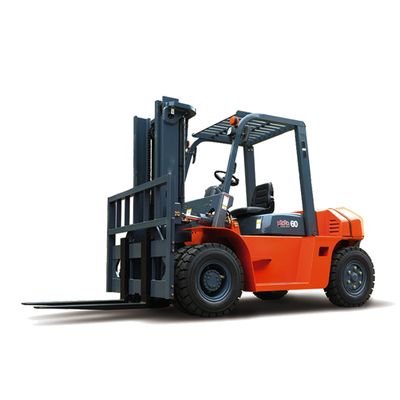
Choosing a forklift is an important investment for any warehouse, factory, or logistics operation. Many buyers either overspend on unnecessary features or choose a low-cost model that cannot handle daily workload—both leading to higher long-term costs.
As a China-based forklift supplier working with global buyers, we help customers match the right forklift with real operational needs, not just price tags. This guide will help you make a smarter purchasing decision and avoid unnecessary expenses.
Understand Your Real Working Requirements First
Before comparing forklift prices or brands, you need to clearly define how the equipment will be used.
Ask yourself:
- What is the maximum load weight you handle daily?
- Is the forklift used indoors, outdoors, or both?
- How many hours per day will it operate?
- What is the aisle width in your warehouse?
- Do you need lifting to high racking systems?
These basic factors determine everything—from forklift type to engine choice.
Choose the Right Forklift Type
Different forklift types are designed for different environments. Choosing the wrong one often leads to wasted budget and poor performance.
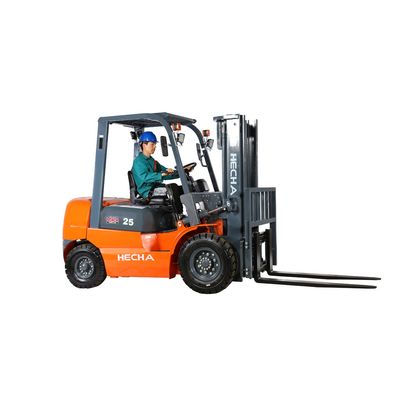
Electric Forklifts
Best for indoor warehouses, food storage, and clean environments.
- Low noise
- No emissions
- Lower daily operating cost
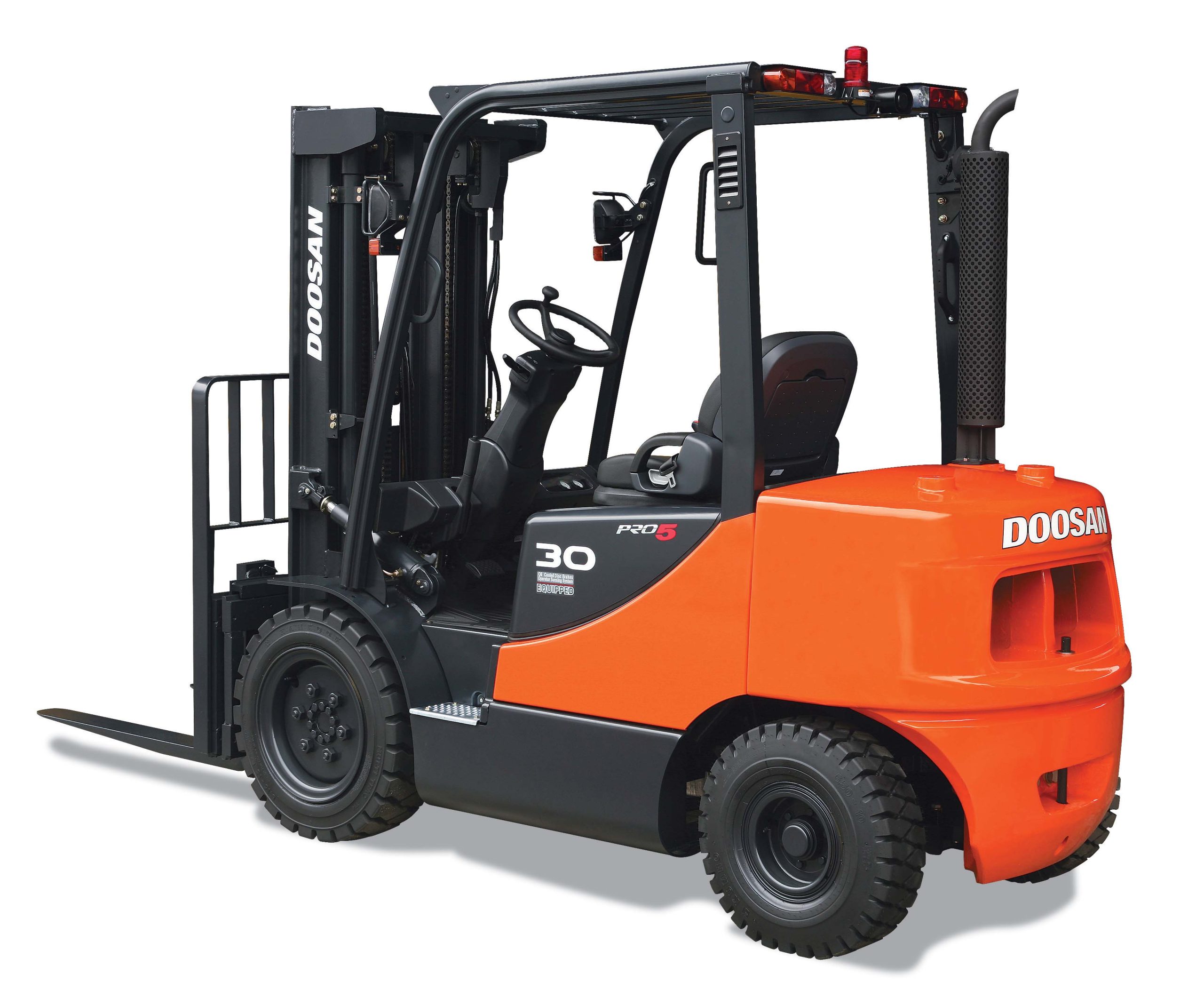
Diesel Forklifts
Suitable for outdoor and heavy-duty work.
- Strong power output
- Better for rough conditions
- Higher fuel consumption
LPG Forklifts
A balanced option for indoor/outdoor use.
- Faster refueling
- Cleaner than diesel
- Flexible usage scenarios
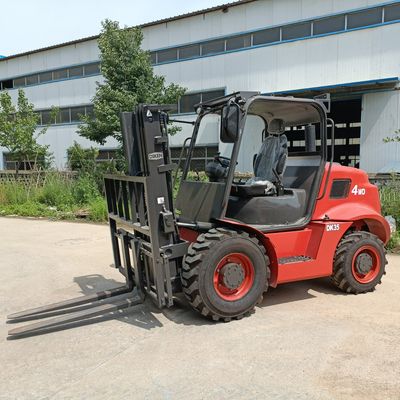
Rough Terrain Forklifts
Used in construction sites and uneven ground environments.
- Strong stability
- Large tires
- High durability
Don’t Overpay for Unnecessary Features
Many buyers spend extra on features they don’t actually need. To avoid overpaying, focus on essentials:
- Avoid oversized capacity if your load is light
- Don’t choose high-end mast height if your warehouse is low
- Skip advanced features if your operation is simple and repetitive
- Choose standard configurations unless customization is required
A practical forklift always performs better than an over-engineered one in the wrong environment.
Focus on Total Cost, Not Just Purchase Price
A common mistake is choosing the cheapest forklift. However, real cost includes:
- Fuel or electricity consumption
- Maintenance frequency
- Spare parts availability
- Downtime losses
- Service life duration
A slightly higher-quality forklift often saves significantly more over time.
Work With a Reliable Supplier
A professional supplier helps you avoid costly mistakes by recommending the right configuration based on your application.
As a forklift supplier from China, we provide:
- Full range of forklift models
- Customized solutions based on industry needs
- Factory pricing without middle costs
- Export support for global customers
- Spare parts and after-sales guidance
Our goal is not just to sell equipment, but to help customers build efficient and cost-effective operations.
FAQ
1. What is the most cost-effective forklift for small warehouses?
Electric forklifts are usually the most cost-effective for small indoor warehouses due to low running and maintenance costs.
2. Should I choose electric or diesel forklift?
If you work indoors, choose electric. If you handle outdoor heavy loads, diesel is more suitable.
3. How do I avoid buying an oversized forklift?
Always calculate your maximum load weight and add a small safety margin—do not overestimate.
4. Is it better to buy a new or used forklift?
New forklifts are more reliable and have lower maintenance risk, especially for long-term operations.
5. Can I customize a forklift for my warehouse layout?
Yes, mast height, fork length, and tire type can all be customized based on your working environment.


No reply content