Selecting the right forklift supplier is a critical decision for any warehouse, manufacturing plant, or logistics facility. Material handling equipment directly impacts daily efficiency, worker safety, and long-term operating costs.
Because buying or leasing a forklift is a significant investment, partnering with a dependable supplier requires evaluating far more than just the upfront price of the machine. Below is a guide on what to prioritize, followed by answers to common procurement questions.
Key Factors to Evaluate in a Forklift Supplier
1. Equipment Range and Power Source Options
A top-tier supplier should offer a diverse lineup of material handling equipment tailored to different operational environments:
- Electric Forklifts (Lithium-ion / Lead-acid): Best for indoor use, cold storage, and eco-conscious facilities requiring zero emissions and low noise levels.
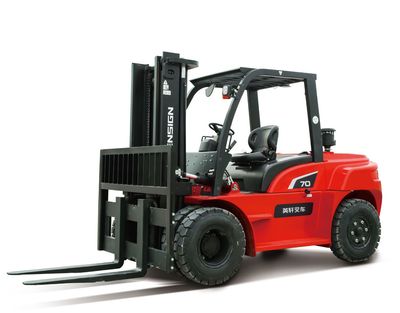
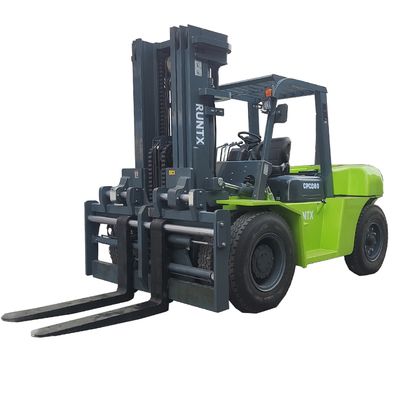
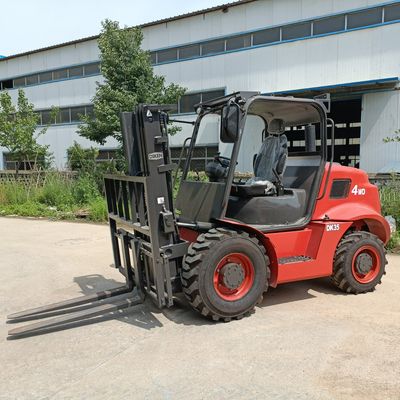
- Internal Combustion (IC) Forklifts (Diesel / LPG): Ideal for heavy-duty outdoor applications, rough terrain, and long shifts requiring quick refueling.
- Specialized Equipment: Reach trucks, order pickers, pallet jacks, and narrow-aisle trucks for high-density storage.
2. Tailored Solutions and Attachment Options
Not every cargo load fits standard pallets. A flexible supplier helps you customize equipment with specialized attachments, such as paper roll clamps, side shifters, bale clamps, or rotators, ensuring the machinery matches your specific cargo handling needs.
3. After-Sales Support and Spare Parts Availability
Downtime kills productivity. Before signing a contract, evaluate the supplier’s maintenance network. Key questions to ask:
- Do they carry a reliable stock of OEM spare parts?
- What is their average emergency response time for field repairs?
- Do they offer planned preventive maintenance (PM) programs?
4. Safety Standards and Certifications
Ensure all machinery complies with international safety standards (such as CE, ISO 9001, or ANSI/ITSDF specifications). Reliable suppliers also provide safety training resources or certified operator training programs to help you reduce workplace accidents.
Frequently Asked Questions (FAQ)
Q1: Should I choose a Lithium-ion or Lead-acid battery for an electric forklift?
A: Lithium-ion batteries offer fast charging (opportunity charging during breaks), zero battery maintenance, longer overall lifespan, and consistent power delivery. Lead-acid batteries have a lower initial purchase price but require regular watering, dedicated charging rooms, and longer charge times.
Q2: What information do I need to provide a supplier to get an accurate quote?
A: You should specify your maximum load capacity (e.g., 2.5 tons), maximum lifting height, aisle width in your warehouse, indoor vs. outdoor operating conditions, floor surface type, and average operating hours per day.
Q3: Is it better to buy, lease, or rent forklifts?
A: Purchasing is ideal for long-term operations with steady budget capabilities. Leasing works well for businesses that want updated technology with fixed monthly operational costs. Short-term renting is best for seasonal demand spikes or temporary projects.
Q4: How often should a forklift undergo routine maintenance?
A: Generally, internal combustion forklifts require maintenance every 250 to 300 operating hours, while electric forklifts typically require servicing every 500 operating hours. Regular inspections should also be performed by operators daily before each shift.


No reply content