
China Professional Hair Clipper Manufacturing Co., Ltd.
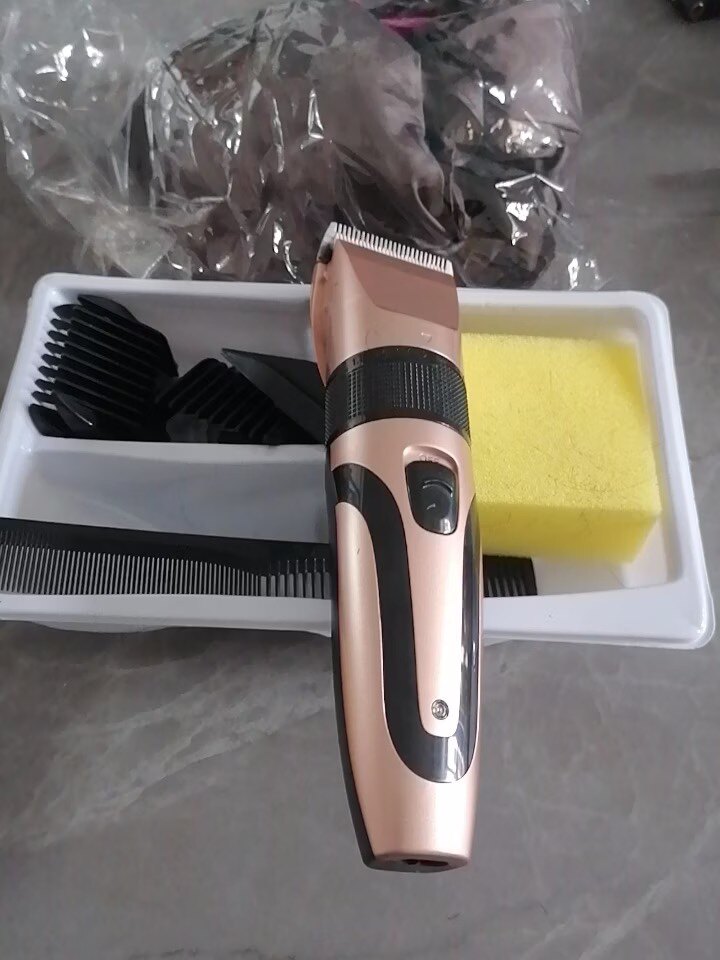
Choosing the right hair clipper depends on how the product will be used. A professional barber may need a powerful motor and long operating time, while a home user may care more about simplicity, low noise, comfort, and price.
For salons, barbershops, distributors, retailers, and private-label brands, selecting the right configuration is even more important because product performance directly affects customer satisfaction and repeat purchases.
This guide explains how to choose a suitable hair clipper for barbershops, salons, and home use, and what buyers should consider when sourcing from a Chinese manufacturer.
1. Start With the Intended Use
Before comparing brands or specifications, determine who will use the clipper.
There are three common applications:
Professional Barbershops
Professional barbers may use a clipper continuously throughout the day.
Important requirements include:
-
Strong motor performance
-
Durable blades
-
Long battery runtime
-
Fast charging
-
Comfortable grip
-
Low vibration
-
Reliable heat management
-
Easy maintenance
-
Replacement parts
Salons
Salons may need versatile equipment because different customers require different hairstyles and cutting techniques.
A salon clipper may need:
-
Adjustable cutting lengths
-
Multiple guide combs
-
Reliable battery life
-
Comfortable handling
-
Good cutting precision
-
Easy cleaning
-
Professional appearance
Home Use
Home users typically have different priorities.
Important features may include:
-
Easy operation
-
Lightweight design
-
Low noise
-
Safe operation
-
Affordable price
-
Simple cleaning
-
Sufficient battery life
-
Convenient charging
The most expensive professional clipper is not necessarily the best choice for home use.
2. Choose Between Corded and Cordless Clippers
The first major decision is whether you need a corded, cordless, or hybrid model.
Cordless Hair Clippers
Cordless models provide greater freedom of movement.
They are useful for:
-
Barbers
-
Stylists
-
Mobile grooming services
-
Home users
-
Travel
Their main advantages include:
-
No power cable during operation
-
Easier movement
-
Better flexibility
-
Convenient storage
-
Cleaner working environment
However, buyers must pay attention to battery capacity, charging time, battery lifespan, and charging reliability.
Corded Hair Clippers
Corded models can provide continuous operation without needing to recharge the battery.
They may be suitable for users who prioritize:
-
Long operating sessions
-
Consistent power
-
Simpler maintenance
-
Continuous professional use
Corded and Cordless Models
Some professional models support both operating modes.
This can be useful in busy barbershops because the clipper can continue working if the battery becomes low.
3. Check the Motor
The motor is one of the most important components of a hair clipper.
A good motor should provide stable cutting performance without excessive noise, vibration, or heat.
When comparing models, consider:
-
Motor speed
-
Torque
-
Cutting power
-
Energy efficiency
-
Heat generation
-
Noise
-
Vibration
-
Continuous operating capability
Do not choose a clipper based only on the highest advertised RPM.
A well-designed motor and blade combination can perform better than a high-speed motor paired with an unsuitable blade.
Professional Use
Barbers generally need motors that can maintain stable performance during repeated use.
Home Use
Home users may prefer a quieter motor with moderate power and easier operation.
4. Evaluate the Blade
The blade has a direct effect on cutting quality.
Potential blade materials and configurations include:
-
Stainless steel
-
Carbon steel
-
Ceramic
-
Titanium-coated blades
-
Other specialized materials
When choosing a clipper, look at:
-
Blade sharpness
-
Blade alignment
-
Cutting precision
-
Corrosion resistance
-
Adjustment range
-
Replacement availability
-
Maintenance requirements
For professional users, the ability to purchase replacement blades can be particularly important.
A high-quality clipper should maintain consistent blade performance over repeated use.
5. Consider Cutting Length
Different customers require different cutting lengths.
A clipper may support multiple cutting lengths through:
-
Adjustable blades
-
Taper levers
-
Guide combs
-
Interchangeable attachments
For barbershops, flexibility is usually more important because professionals may perform fades, short cuts, trims, and different styles.
Home users may not need as many cutting options.
Before purchasing, check the actual cutting-length range rather than assuming that more guide combs automatically mean more flexibility.
6. Check Battery Capacity and Runtime
Battery performance is especially important for cordless clippers.
Common specifications include:
-
Battery capacity
-
Voltage
-
Charging time
-
Runtime
-
Battery type
-
Charging interface
However, battery capacity alone does not determine performance.
A clipper with a smaller battery can sometimes achieve similar runtime to a larger battery if the motor and electronics are more efficient.
For professional use, consider both:
Battery capacity + actual operating time
rather than looking only at mAh.
Recommended Planning Approach
For a busy barbershop, consider a model that can provide sufficient runtime for multiple customers between charges.
For home use, a shorter runtime may be perfectly adequate if the clipper is used only occasionally.
7. Consider Charging Speed
Charging time can affect convenience.
For example, a clipper that requires many hours to charge may be inconvenient for professional users.
Useful charging features can include:
-
Fast charging
-
USB-C charging
-
Charging stand
-
Charging indicator
-
Battery percentage display
-
Overcharge protection
For professional products, a charging stand can also make it easier to keep the clipper ready for use.
8. Check Weight and Ergonomics
A clipper may look excellent on paper but still be uncomfortable after prolonged use.
Consider:
-
Total weight
-
Balance
-
Handle shape
-
Grip surface
-
Button placement
-
Center of gravity
-
Cable position if applicable
This is especially important for barbers and stylists.
If a professional uses a clipper for several hours per day, excessive weight or poor balance can reduce comfort.
For home users, a lightweight clipper may be more convenient.
9. Evaluate Noise and Vibration
Noise is often overlooked during product selection.
A very noisy clipper may be uncomfortable for:
-
Children
-
Home users
-
Professional barbers
-
Customers in quiet salons
Excessive vibration can also affect precision and comfort.
During sample testing, operate the clipper for several minutes and evaluate:
-
Sound level
-
Vibration
-
Motor stability
-
Heat
Do not rely only on marketing claims.
10. Check Heat Management
Heat can become an issue during long operating sessions.
Professional barbers may use the same clipper repeatedly throughout the day.
During testing, check whether:
-
The motor becomes excessively hot
-
The blade becomes uncomfortable
-
The housing heats up
-
Performance decreases during continuous use
Good product engineering should balance motor power, battery efficiency, ventilation, and heat management.
11. Consider Waterproof or Washable Design
Some hair clippers are designed for easier cleaning or limited water exposure.
Depending on the product’s actual rating, features may include:
-
Washable blade
-
Water-resistant housing
-
Removable blade
-
Easy-clean design
However, buyers should not assume that a product is fully waterproof just because the manufacturer describes it as washable.
Always check the manufacturer’s specific instructions and applicable rating.
12. Look at Accessories
Accessories can increase product versatility.
Common accessories include:
-
Guide combs
-
Cleaning brush
-
Lubricating oil
-
Protective cap
-
Charging cable
-
Charging stand
-
Storage case
-
Replacement blade
For professional barber kits, more accessories may be useful.
For home users, unnecessary accessories can increase the price without adding much value.
13. Compare Features by Application
Feature |
Barbershop |
Salon |
Home Use |
|---|---|---|---|
Powerful motor |
Very important |
Important |
Moderate |
Long battery life |
Very important |
Important |
Moderate |
Fast charging |
Important |
Important |
Moderate |
Low noise |
Important |
Very important |
Very important |
Ergonomic design |
Very important |
Very important |
Important |
Multiple cutting lengths |
Very important |
Very important |
Important |
Replacement blades |
Very important |
Important |
Useful |
Premium appearance |
Important |
Very important |
Optional |
Simple operation |
Important |
Important |
Very important |
Low weight |
Important |
Very important |
Very important |
The ideal specification depends on the user’s priorities.
14. Consider Your Budget
A hair clipper can range from an affordable consumer product to a premium professional tool.
For B2B buyers sourcing directly from China, broad factory-level planning ranges might look like:
Product Category |
Approximate Factory Price |
|---|---|
Basic home-use clipper |
US$5–10 |
Standard rechargeable clipper |
US$8–15 |
Professional clipper |
US$15–30 |
Premium professional model |
US$25–50+ |
Customized private-label model |
US$8–35+ |
These are indicative ranges rather than fixed market quotations.
The actual price depends on:
-
Motor
-
Battery
-
Blade
-
Housing
-
Electronics
-
Accessories
-
Packaging
-
MOQ
-
Branding
-
Certifications
-
Order quantity
15. Choose According to Customer Type
If you are a distributor or private-label brand, think about your target customer before selecting a factory model.
Budget Customers
Prioritize:
-
Competitive price
-
Basic reliability
-
Simple design
-
Sufficient battery life
Professional Barbers
Prioritize:
-
Motor power
-
Blade quality
-
Runtime
-
Ergonomics
-
Durability
-
Replacement parts
Premium Consumers
Prioritize:
-
Design
-
Materials
-
Quiet operation
-
Advanced display
-
Packaging
-
Brand experience
Matching the product to the target customer is often more important than simply adding more features.
16. Test Before Buying in Bulk
A sample should be tested before placing a large order.
A useful test includes:
Battery Test
Measure actual operating time.
Cutting Test
Test different hair types.
Charging Test
Check charging speed and stability.
Heat Test
Run the clipper continuously.
Noise Test
Evaluate sound during operation.
Vibration Test
Check comfort during prolonged use.
Ergonomic Test
Hold and operate the product for an extended period.
Cleaning Test
Determine how easy it is to remove hair and maintain the blade.
This testing process can identify problems before they affect a large shipment.
17. What Should Professional Barbers Look For?
Professional barbers should generally prioritize performance and durability.
Important characteristics include:
-
Powerful and stable motor
-
High-quality blade
-
Long battery runtime
-
Fast charging
-
Comfortable grip
-
Low vibration
-
Good heat management
-
Adjustable cutting length
-
Replaceable parts
-
Reliable long-term performance
A professional clipper is a working tool rather than simply a consumer electronic product.
18. What Should Salons Look For?
Salons may need a balance between performance, appearance, comfort, and versatility.
A suitable salon clipper may include:
-
Multiple guide combs
-
Adjustable cutting length
-
Comfortable design
-
Long battery runtime
-
Fast charging
-
Low noise
-
Professional appearance
-
Easy maintenance
Because salons often serve different customer groups, versatility can be particularly valuable.
19. What Should Home Users Look For?
Home users generally do not need the most powerful professional clipper.
Important factors may include:
-
Ease of use
-
Comfortable grip
-
Lightweight design
-
Low noise
-
Safe operation
-
Easy cleaning
-
Reasonable battery life
-
Affordable price
A simple and reliable clipper can be a better choice than a complicated professional model.
20. How to Choose a Hair Clipper Manufacturer
If you are purchasing for a business, selecting the right manufacturer is just as important as selecting the product.
Look for a manufacturer that can provide:
-
Consistent quality
-
OEM services
-
Private-label production
-
Stable battery suppliers
-
Reliable motors
-
Quality blades
-
Product testing
-
Appropriate compliance documents
-
Custom packaging
-
Replacement parts
-
Stable production capacity


No reply content