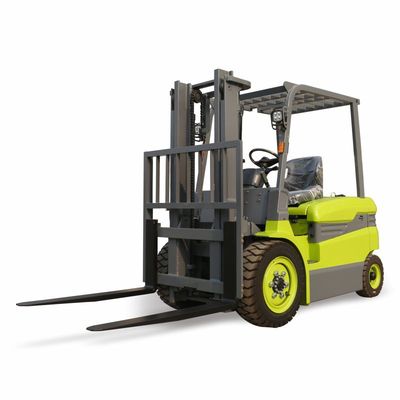
Selecting the right material handling equipment is one of the most critical operational decisions for industrial warehouse managers, logistics coordinators, and fleet procurement officers. A heavy-duty forklift is not merely a tool; it is the core engine of your facility’s material workflow. Choosing the wrong equipment can lead to severe operational bottlenecks, elevated maintenance expenses, safety hazards, and unnecessary capital expenditure.
With a wide variety of load capacities, power sources, mast designs, and specialized attachments available in today’s industrial market, evaluating your exact operational requirements is essential. This comprehensive buyer’s guide breaks down the primary technical and environmental factors you must evaluate to choose the ideal heavy-duty forklift for your industrial warehouse.
1. Define Your Load Requirements: Capacity, Size, and Center
The primary function of any heavy-duty forklift is moving massive tonnage safely. Determining the correct capacity requires looking beyond basic weight numbers.
- Rated Capacity vs. Actual Capacity: The rated capacity is the maximum weight a forklift can handle under standard conditions. However, actual capacity decreases as lifting height increases or when using special attachments.
- Load Center Distance: Heavy industrial loads rarely feature perfect weight distribution. Standard load centers are typically 24 inches (600 mm) or 36 inches (900 mm). If you move oversized machinery, steel coils, or elongated timber, account for how the extended load center reduces your safe operational threshold.
- Peak Tonnage Planning: Select a forklift that comfortably exceeds your average load weight by 15–20%. Operating a machine constantly at its maximum threshold leads to accelerated hydraulic wear and increased safety risks.
2. Evaluate the Operating Environment: Indoor, Outdoor, or Hybrid
Your warehouse configuration and operating environment dictate the physical footprint and component engineering required for your equipment.
A. Floor Surface & Ground Conditions
Smooth, polished concrete surfaces inside modern distribution centers require solid rubber or polyurethane cushion tires, which offer tight turning radii and high stability. Conversely, outdoor yards, rough concrete, or gravel loading zones demand pneumatic tires (air-filled or solid pneumatic) to absorb impact, protect internal components, and maintain traction.
B. Aisle Width and Overhead Clearances
Measure your operational layout carefully before specifying equipment dimensions:
- Aisle Width: Standard counterbalanced forklifts require aisle clearance between 12 to 14 feet. Narrow-aisle (NA) or Very Narrow-aisle (VNA) configurations require specialized articulated or reach trucks.
- Doorway & Overhead Clearance: Verify the collapsed height of the forklift mast to ensure it safely clears warehouse doorways, low-hanging pipes, and container entries.
3. Power Source Selection: Electric vs. Internal Combustion (IC)
The choice between electric drive systems and internal combustion (Diesel / LPG) engines impacts both your upfront investment and ongoing operational costs.
                              ┌────────────────────────┐
                              │  Power Source Selection│
                              └───────────┬────────────┘
                                          │
                   ┌──────────────────────┴──────────────────────┐
                   ▼                                             ▼
        ┌─────────────────────┐                       ┌─────────────────────┐
        │  Electric (Li-ion)  │                       │   Diesel / LPG      │
        ├─────────────────────┤                       ├─────────────────────┤
        │ • Zero Emissions    │                       │ • Unlimited Duty    │
        │ • Low Maintenance   │                       │ • Outdoor Roughing  │
        │ • Best for Indoor   │                       │ • High Torque Load  │
        └─────────────────────┘                       └─────────────────────┘
Electric Forklifts (Lithium-ion / Lead-Acid)
- Best For: Indoor facilities, food/pharmaceutical warehousing, and operations prioritizing sustainability.
- Advantages: Zero tailpipe emissions, ultra-low noise levels, and minimal routine maintenance (no engine oil, filters, or spark plugs). Modern Lithium-ion technology enables fast opportunity charging during operator shifts.
- Considerations: Higher initial purchasing cost, though offset by lower long-term fuel and service costs.
Internal Combustion (Diesel & LPG)
- Best For: Heavy-duty outdoor yards, ports, construction material warehouses, and continuous multi-shift operations without charging downtime.
- Advantages: Exceptional raw torque, fast refueling, and robust performance in extreme weather or uneven outdoor terrain.
- Considerations: Produces exhaust emissions (requiring high-capacity ventilation if used indoors) and involves higher long-term fuel and mechanical maintenance costs.
4. Mast Selection and Lifting Height Requirements
The mast mechanism directly governs your reach capabilities and vertical storage efficiency.
- Single-Stage / Simplex Mast: Suitable for low-lift applications or flat transport where vertical stacking is minimal.
- Two-Stage / Duplex Mast: Ideal for loading and unloading flatbed trucks or single-tier racking.
- Three-Stage / Triplex Mast: The industry standard for high-bay warehousing. Features a free-lift cylinder that allows forks to raise without elevating the overall mast structure, making it perfect for stacking inside shipping containers.
- Four-Stage / Quad Mast: Designed for ultra-high stacking environments up to 20 feet or higher, requiring specialized operator visibility packages and overhead guards.
5. Ergonomics, Operator Safety, and Technology Integration
Operator safety and comfort directly correlate with daily productivity and reduced accident rates. Heavy-duty material handling requires advanced safety controls and intuitive user ergonomics.
- Cabin Ergonomics: Look for fully adjustable suspension seats, intuitive joystick controls, wide-angle rear view mirrors, and anti-vibration cabin mountings to reduce operator fatigue over long shifts.
- Visibility Features: High-visibility clear-view masts, overhead guard grid layouts, and integrated LED lighting systems ensure safety in dim warehouse corridors.
- Smart Safety Systems: Modern industrial forklifts should feature Automatic Speed Reduction on turns, Operator Presence Systems (OPS), reverse radar sensors, and integrated camera setups for high-mast placement.
6. Total Cost of Ownership (TCO) and Supplier Evaluation
When purchasing heavy-duty machinery, the purchase price represents only a portion of total lifetime costs. Procurement teams must calculate Total Cost of Ownership (TCO) across the equipment’s operational lifecycle.
| Cost Element | Primary Factors to Evaluate |
|---|---|
| Initial Acquisition | Unit price, custom attachment costs, import tariffs, and freight shipping. |
| Energy & Fuel | Electricity consumption rates vs. Diesel/LPG consumption per operating hour. |
| Routine Servicing | Availability of factory spare parts, warranty coverage, and maintenance intervals. |
| Downtime Risks | Manufacturer build quality, component reliability (e.g., Curtis/Zapi controllers), and technical support responsiveness. |
Key Questions for Your OEM / Manufacturer:
- Does the manufacturer supply direct OEM custom attachments tailored to your specific materials (e.g., paper roll clamps, side shifters, rotator heads)?
- What international quality and safety certifications (e.g., CE, ISO9001) does the machinery hold?
- How quickly can replacement parts and spare hydraulic components be dispatched to your facility?
Summary Checklist for B2B Buyers
Before issuing a Request for Quotation (RFQ) to a forklift manufacturer, ensure you have gathered the following core specifications:
- Maximum Weight & Load Center: Exact parameters of your heaviest loads.
- Maximum Stacking Height: Clear height of your top warehouse rack level.
- Aisle Dimensions: Width of your tightest working aisles and door clearances.
- Duty Cycle: Daily operating hours and shift turnover frequency.
- Environmental Factors: Indoor/outdoor usage, floor surface type, and temperature conditions.
Selecting the right heavy-duty forklift is an investment in your facility’s long-term operational efficiency. Partnering with a specialized factory-direct manufacturer ensures you receive tailored equipment configurations, full engineering support, and maximum commercial value.
Need Custom Heavy-Duty Forklift Solutions for Your Warehouse? Contact our engineering and export team today at www.vlefooena.com to receive comprehensive product spec sheets, factory-direct wholesale quotes, and OEM customization consultation.


No reply content