
Power Strip Supplier in China
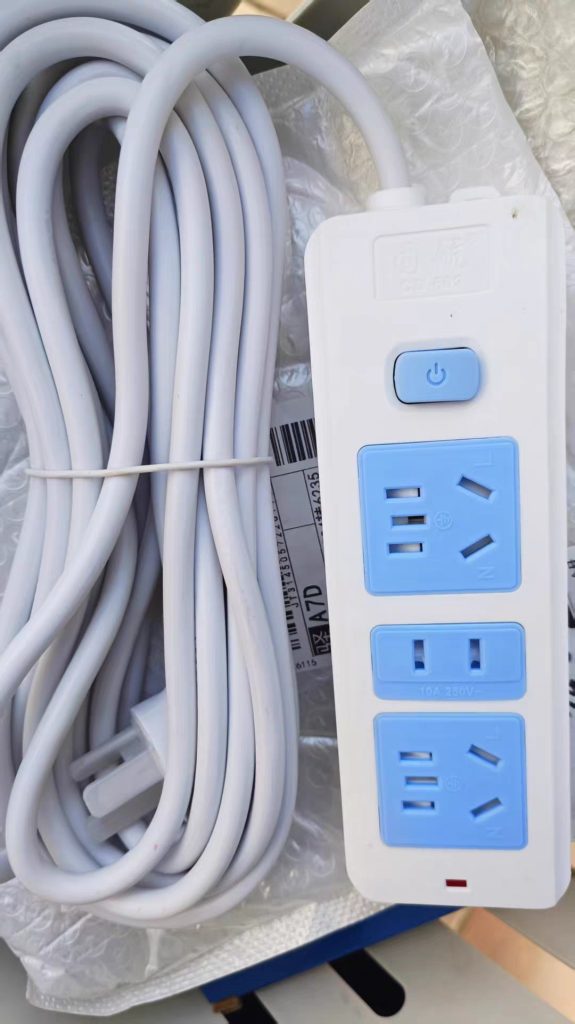
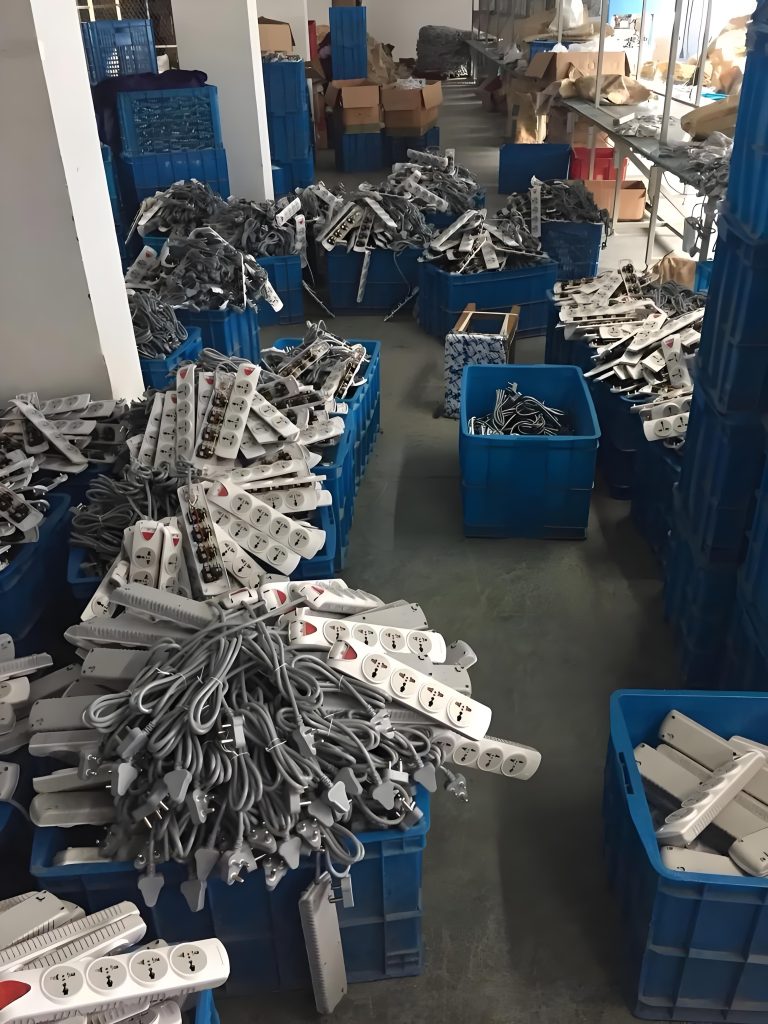

In a world powered by technology, the humble power strip has evolved from a simple accessory into a critical piece of infrastructure. For offices, workshops, and industrial environments, not all power strips are created equal. Using a light-duty residential strip in a heavy-duty setting is a recipe for disaster—leading to overheating, equipment failure, or even fire.
Choosing the right heavy-duty power strip requires a clear understanding of electrical specifications and environmental demands. This guide will walk you through the key factors to consider before placing your next bulk order.
1. Decoding Wire Gauge: The Thickness Matters
The most critical factor in a power strip is the thickness of the internal copper wire, measured by the American Wire Gauge (AWG). The lower the AWG number, the thicker the wire and the more current it can safely handle.
-
14 AWG (Heavy-Duty): Ideal for industrial equipment, servers, and high-power tools. It supports up to 15-20 Amps.
-
16 AWG (Medium-Duty): Suitable for office printers, desktop computers, and monitors.
-
18 AWG (Light-Duty): Only suitable for low-power devices like lamps or phone chargers. Avoid this for business use.
2. Matching the Cord Length to the Workspace
One of the most common complaints in office and warehouse settings is the “cord reach problem.” A short power strip forces users to daisy-chain multiple strips together, which is a major fire hazard.
-
Office Desks: A 6ft (1.8m) to 10ft (3m) cord allows the strip to reach from the wall to the center of the desk.
-
Industrial/Workshop: Longer cords (15ft to 25ft / 5m to 8m) are essential for reaching distant machinery without needing extension cords.
3. Outlet Count and Spacing
Modern offices and factories use bulky adapters (wall warts) that can block adjacent sockets. When choosing a power strip:
-
Opt for Wide-Spaced Outlets: Ensure there is enough room between sockets to accommodate large AC/DC adapters without wasting space.
-
Right-Sizing: Don’t overbuy. A 6-outlet strip is usually sufficient for a workstation, while an 8-outlet or 12-outlet strip is better for server racks or assembly lines.
4. Durability and Safety Features
In demanding environments, the physical build quality is non-negotiable. Look for these features:
| Feature | Why It Matters for Offices & Industry |
|---|---|
| Flame-Retardant Housing | Must be made of PC or ABS material rated V0 or V2 to prevent fire spread. |
| Surge Protection | Essential for protecting expensive computers and POS systems from voltage spikes. |
| Master Control Switch | Allows users to quickly cut power to all devices, saving energy and preventing standby drain. |
| Mounting Options | Keyhole slots on the back allow the strip to be securely mounted under desks or on walls. |
5. Real-World Application Checklist
Before you buy, ask yourself: Where will this be used?
-
For Open Plan Offices: Choose a slim, black or white strip with 6 outlets and a 10ft cord. USB ports are a plus for modern employees.
-
For Manufacturing Floors: Choose a robust, yellow or orange heavy-duty strip with 14 AWG wiring, metal housing, and waterproof covers (IP rating).
-
For IT Server Rooms: Choose a rack-mountable power strip with surge protection and a 90-degree angled plug to save space.
Conclusion: Invest in Reliability
Selecting the right power strip is about matching the tool to the task. By prioritizing wire gauge, cord length, and build quality, you protect your equipment, your employees, and your bottom line.


No reply content