As global electricity prices rise and grid instability becomes more frequent, the demand for residential energy storage systems (RESS) has surged worldwide. Pairing solar panels with a reliable battery system allows homeowners to achieve energy independence, reduce electricity bills through peak shaving, and secure emergency backup power.
However, selecting the right residential energy storage supplier involves navigating complex safety standards, battery chemistries, system integration, and long-term warranty commitments. Below is a detailed guide on what to evaluate when choosing a manufacturing partner, followed by answers to common procurement questions.
Essential Criteria for Selecting a Home Energy Storage Supplier
1. Battery Chemistry and Thermal Safety
Safety is the paramount consideration for indoor or residential battery installations. Modern home energy storage relies almost exclusively on Lithium Iron Phosphate (LiFePO4 / LFP) technology over Nickel Manganese Cobalt (NMC).
- LFP Advantages: High thermal stability, lower risk of thermal runaway, non-toxic components, and longer cycle life (typically 6,000+ cycles at 80% Depth of Discharge).
- BMS Integration: Ensure the supplier equips their batteries with an advanced, multi-layer Battery Management System (BMS) that monitors voltage, current, and temperature in real time to prevent overcharging, deep discharging, and short circuits.
2. System Architecture: All-in-One vs. Modular Designs
Different markets and installation sites require different physical configurations:
- All-in-One Systems: Integrate the hybrid inverter, BMS, and battery modules into a sleek, single cabinet. They offer clean aesthetics and faster installation times.
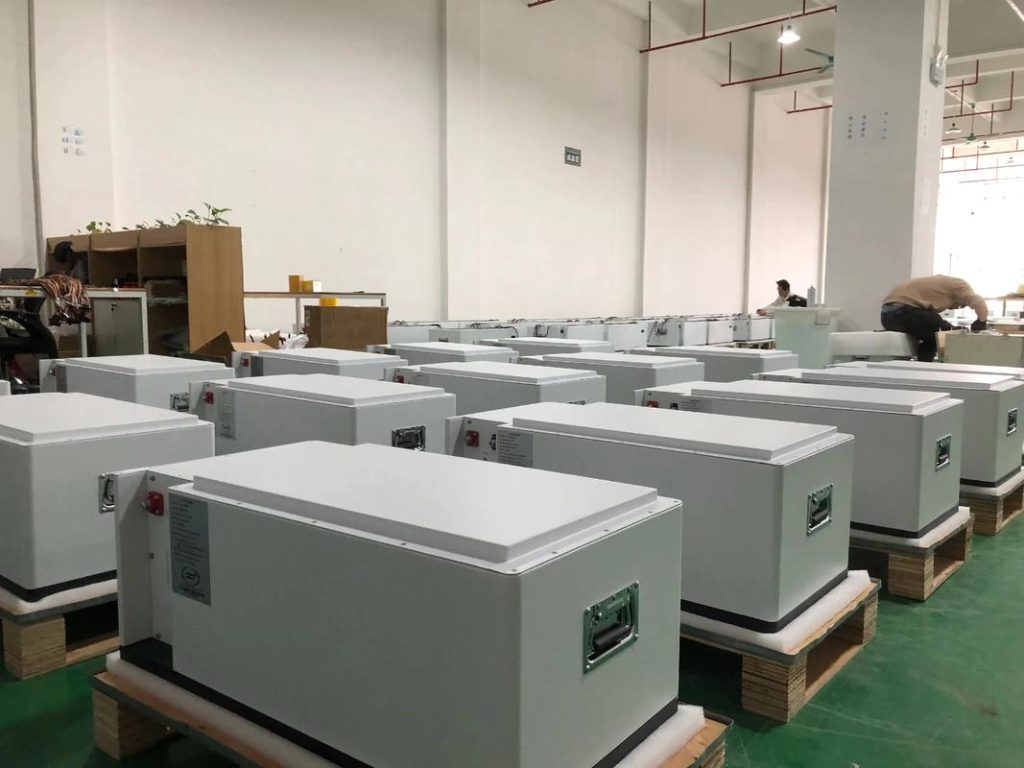
- Modular Stackable Systems: Allow flexible expansion from 5 kWh up to 20 kWh or more. This architecture allows homeowners to scale their storage capacity over time as energy needs grow (e.g., adding an EV charger or heat pump).
3. Inverter Compatibility and Smart Energy Management
A top-tier supplier should offer broad compatibility with major hybrid inverter brands (or supply fully integrated proprietary inverters). Key features to verify include:
- On-Grid / Off-Grid Switching Speed: Automatic transfer switch (ATS) reaction time should be under 10 milliseconds to ensure uninterrupted power during grid outages.
- Smart App & Cloud Monitoring: User-friendly mobile apps allowing real-time monitoring of energy production, consumption, battery state of charge (SOC), and customizable charging schedules (e.g., charging from the grid during off-peak hours).
4. Global Certifications and Local Grid Compliance
Batteries cannot be legally imported or connected to the grid without strict compliance credentials. Ensure your supplier holds updated certifications for your target region:
- International Safety: UL 1973, UL 9540, UL 9540A (fire testing), IEC 62619, UN38.3 (transportation safety).
- Grid Interconnection: CE, VDE-AR-N 4105, G99, or local utility grid codes.
Frequently Asked Questions (FAQ)
Q1: What is the typical lifespan and cycle count of a home energy storage battery?
A: Premium LiFePO4 home batteries are engineered to last 10 to 15 years, with a cycle life rating between 6,000 and 10,000 cycles (based on 1 daily charge/discharge cycle under standard operating temperatures). Most reputable suppliers provide a performance warranty guaranteeing at least 70% remaining capacity after 10 years.
Q2: What capacity (kWh) does a typical home require?
A: A standard single-family home generally uses a 5 kWh to 15 kWh system depending on daily energy consumption and backup goals:
- Essential Loads (5–8 kWh): Keeps lights, Wi-Fi, refrigeration, and small electronics running during a blackout.
- Whole-Home Backup (10–20+ kWh): Powers heavy appliances, including central air conditioning, induction stoves, and water heaters.
Q3: What is the difference between Low Voltage (LV) and High Voltage (HV) residential battery systems?
A:
- Low Voltage Systems (48V / 51.2V): Highly stable, cost-effective, safer for DIY or simpler installations, but require thicker cables and have higher line losses over long distances.
- High Voltage Systems (100V–500V+): Offer higher conversion efficiency, smaller cable cross-sections, faster charging/discharging rates, and are better suited for medium-to-large residential solar installations.
Q4: How do suppliers handle warranty claims and technical support for overseas buyers?
A: Reliable OEM/ODM suppliers maintain dedicated technical support teams offering remote firmware updates (OTA), troubleshooting via online portals, and localized RMA (Return Merchandise Authorization) service centers or local spare-parts warehousing in key markets (such as Europe, Australia, and North America).


No reply content