
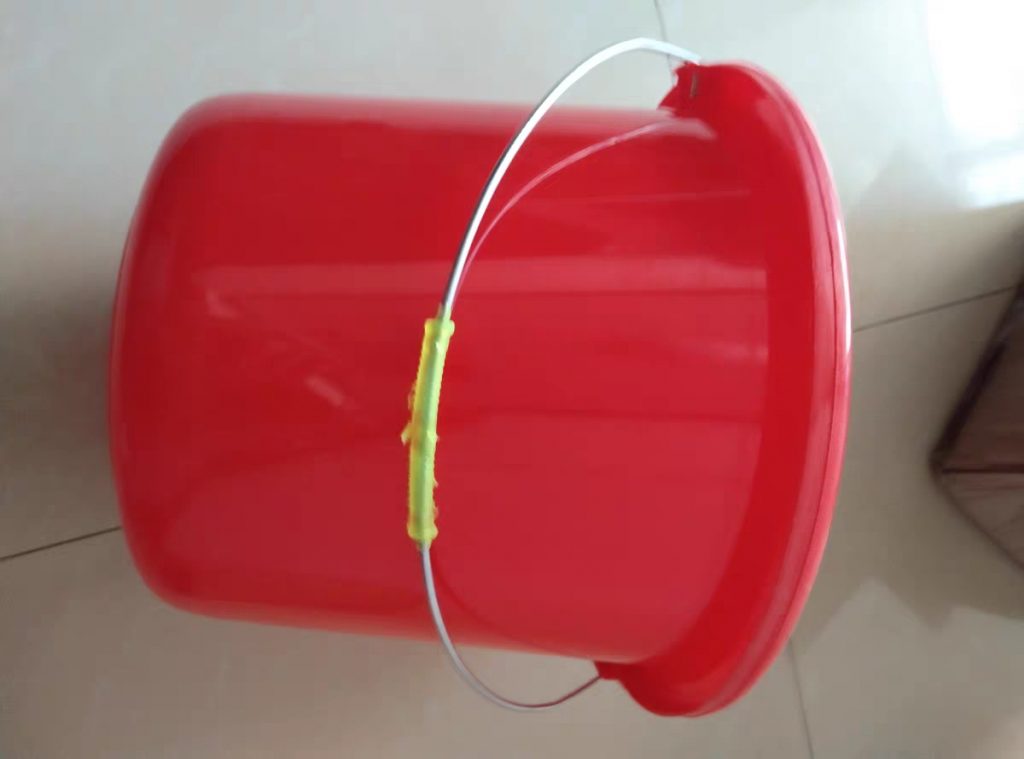
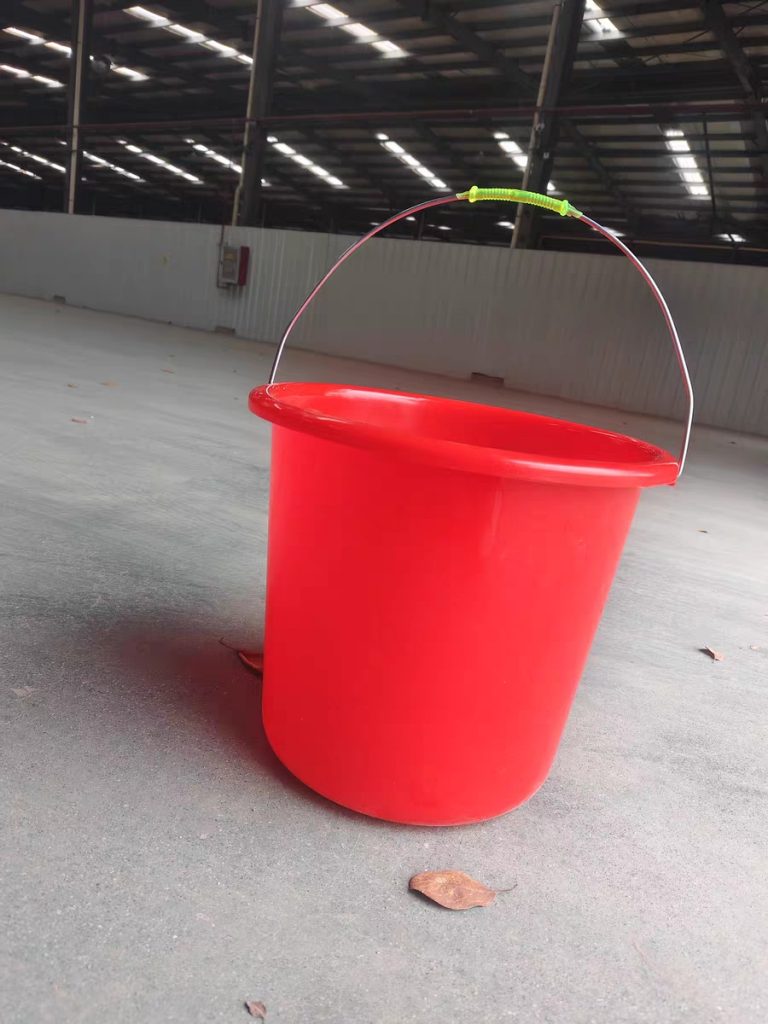
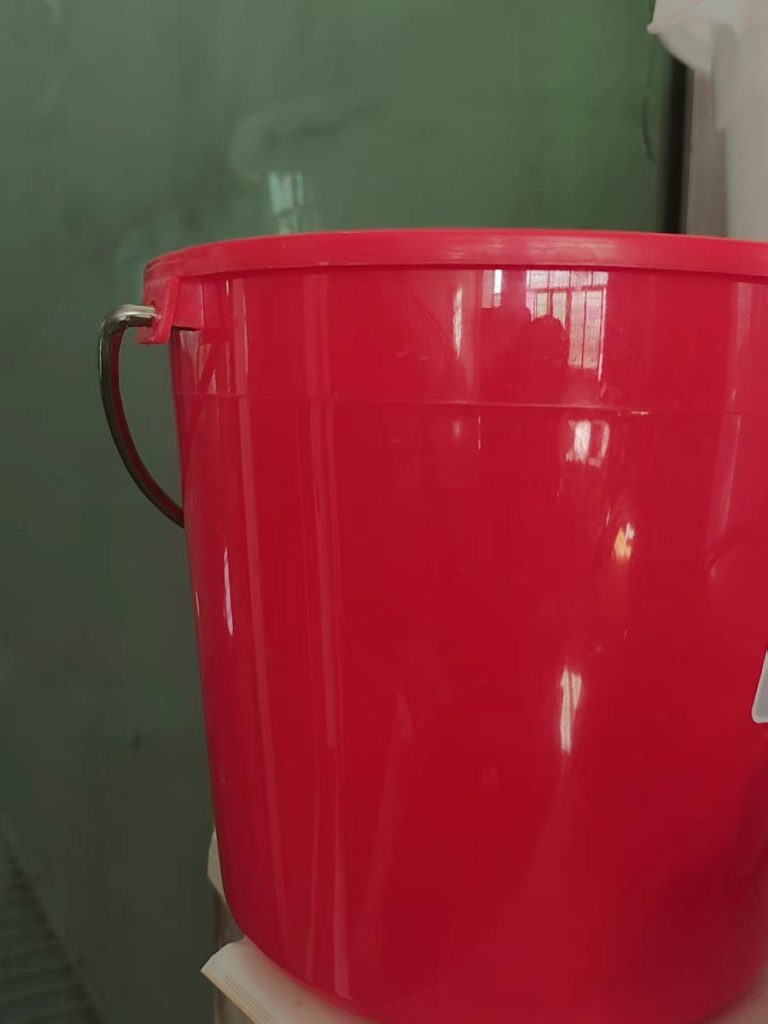
Whether you are preparing an emergency survival kit, gearing up for weekend camping trips, or simply looking for a reliable drinking water storage solution for your household, finding the right home water bucket supplier is crucial.
Not all plastic containers are created equal. Storing water in substandard containers can lead to chemical leaching, unpleasant odors, or structural failures. In this guide, we’ll walk you through everything you need to know to select a trustworthy supplier and the perfect water storage products for your home.
1. Key Features of a Quality Home Water Bucket
Before evaluating suppliers, you need to know what makes a water bucket safe and durable. Here are the non-negotiables:
- Food-Grade & BPA-Free Materials: Always opt for HDPE (High-Density Polyethylene, Resin Code #2) or PET/PETG (Resin Code #1). These materials do not leach harmful chemicals like Bisphenol A (BPA) or phthalates into your drinking water over time.
- Airtight & Leak-Proof Seals: Look for suppliers that feature heavy-duty screw caps, silicone gaskets, or tamper-evident seals to prevent contamination and spills.
- Ergonomic Design: Features like reinforced handles, built-in spigots (faucets), and stackable grooves make everyday use and storage significantly easier.
- UV Resistance: If you plan to store water outdoors or near windows, choose opaque or UV-treated buckets to prevent algae growth.
2. Types of Home Water Buckets to Consider
A good supplier should offer a variety of options tailored to different lifestyle needs:
3. How to Evaluate a Reliable Water Container Supplier
When searching for a supplier—whether local or online—keep these crucial metrics in mind:
A. Certifications & Compliance
A reputable manufacturer or supplier will proudly display compliance certificates on their products or website. Look for certifications from recognized standard bodies such as the FDA (U.S. Food and Drug Administration), NSF International, or ISO 9001 quality standards.
B. Material Transparency
Steer clear of suppliers that fail to specify the exact type of plastic used. Vague descriptions like “heavy-duty plastic” without mentioning BPA-free HDPE or food-grade plastic are red flags.
C. Customer Reviews & Testing
Check third-party reviews to see how the buckets perform in real life. Look for feedback regarding:
- Is the spigot prone to leaking after repeated use?
- Does the plastic impart a chemical taste to the water?
- Are the handles strong enough to support a full load? (Remember: 1 gallon of water weighs approximately 8.34 lbs / 3.8 kg).
4. Maintenance Tips for Long-Lasting Water Storage
Even the highest-quality bucket from the best supplier requires proper care:
- Sanitize Before First Use: Wash the container thoroughly with warm, soapy water, rinse well, and sanitize with a dilute chlorine solution (1 teaspoon of unscented liquid household bleach per quart of water) before filling.
- Store in a Cool, Dark Place: Keep your stored water away from direct sunlight, gasoline, pesticides, or other harsh chemicals, as fumes can permeate certain plastics over time.
- Rotate Your Supply: For long-term emergency drinking water, clean and refill your containers every 6 to 12 months.
Final Thoughts
Investing in a high-quality water container gives you peace of mind, whether for daily hydration or unexpected emergencies. When choosing a home water bucket supplier, prioritize safety certifications, durable materials like BPA-free HDPE, and user-friendly features like leak-proof spigots.
Always remember: Clean water is essential for life, but safe containers are essential for clean water.


No reply content