
Dongguan PremiumGift BoxPackaging
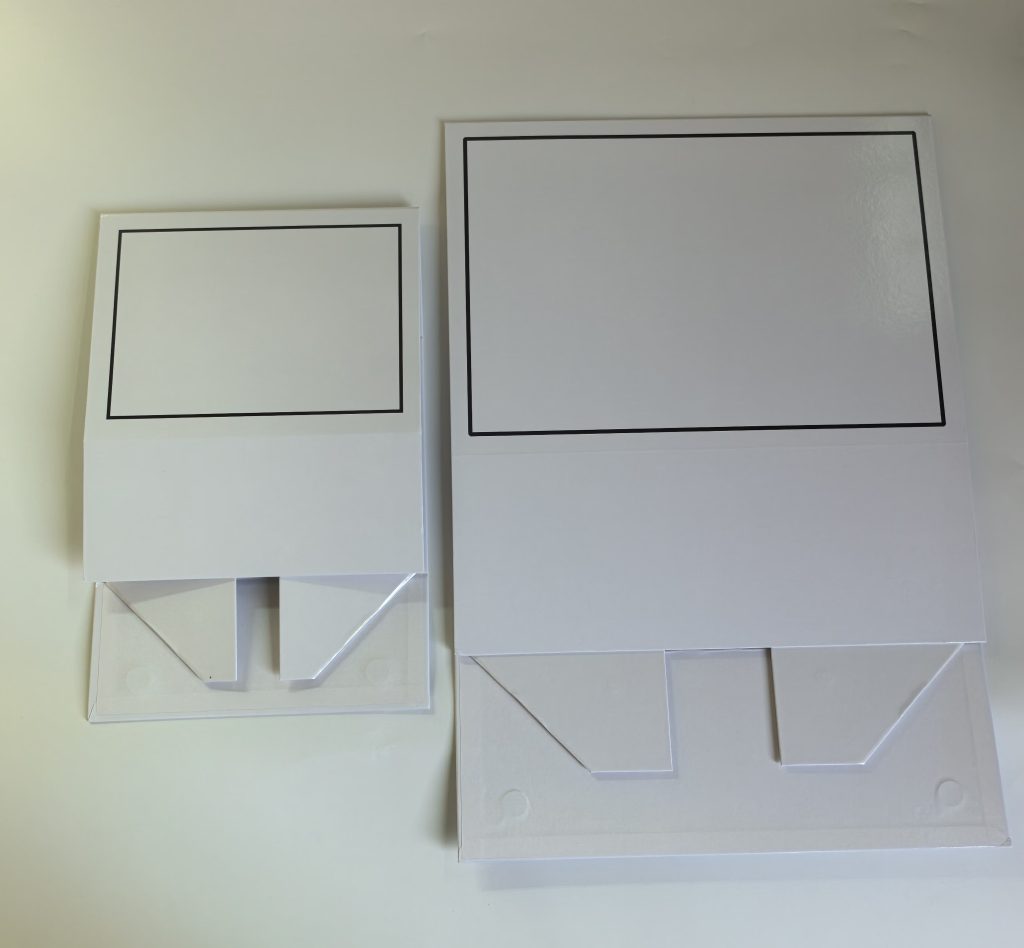

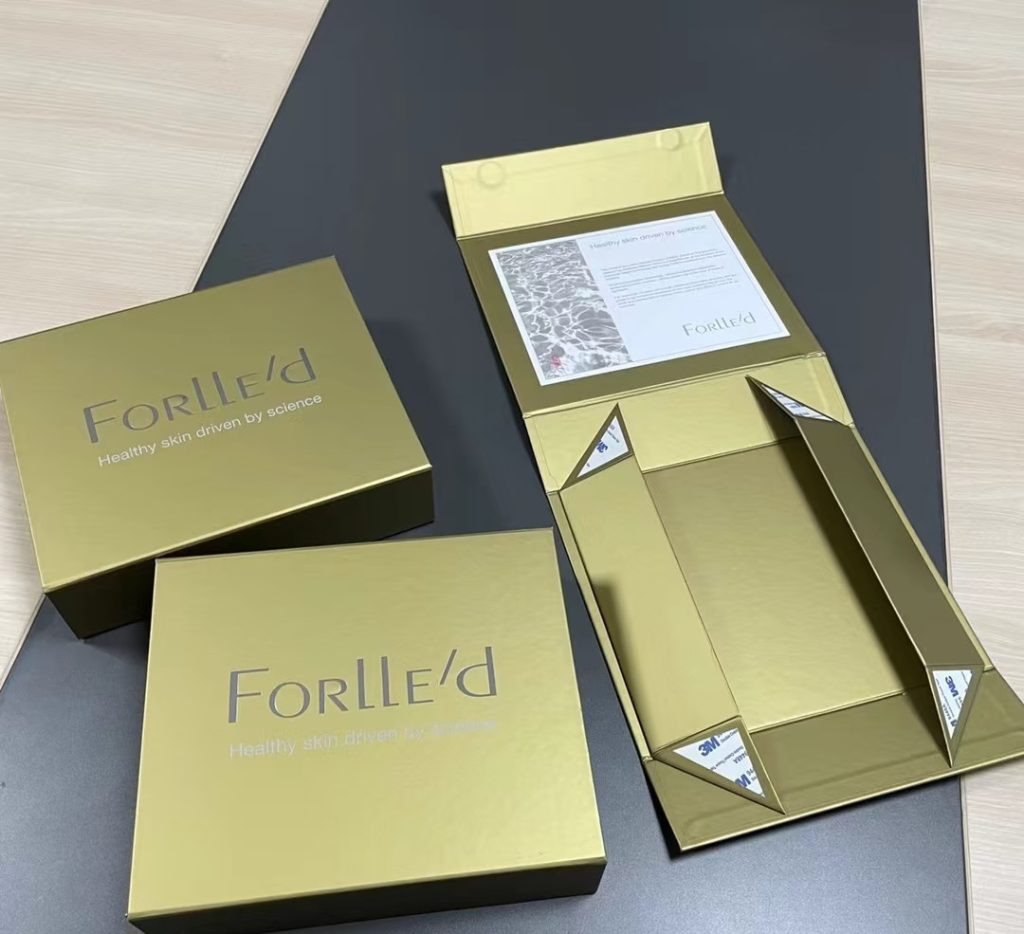
In the competitive world of retail and e-commerce, product packaging is no longer just a protective shell; it is a critical touchpoint in the customer journey. The unboxing experience can define brand perception, influence social media shares, and drive repeat purchases. However, achieving that perfect presentation starts long before the product hits the shelf—it begins with selecting the right packaging gift box supplier.
Choosing a partner in this industry is not merely a procurement task; it is a strategic decision. Whether you are a startup launching a niche skincare line or an established brand refreshing your luxury line, here is what sets top-tier suppliers apart from the rest.
1. Material Integrity and Sustainability
The modern consumer is eco-conscious. A reliable supplier must offer more than just standard cardboard. Look for partners who provide a range of sustainable options, such as FSC-certified paper, recycled rigid board, or biodegradable laminates.
A great supplier doesn’t just sell boxes; they consult on material weight (gsm), rigidity, and environmental impact. They should be transparent about their supply chain and able to provide certifications that prove their materials are sourced responsibly.
2. Customization Capabilities: Beyond the Template
Your brand is unique, and your packaging should reflect that. The best suppliers act as an extension of your creative team. This goes beyond simple logo printing.
-
Structural Design: Can they create custom inserts (magnetic closures, foam trays, or shredded paper) that hold your product securely?
-
Finishing Techniques: Do they offer high-end finishes like hot foil stamping, embossing/debossing, spot UV, or soft-touch lamination? These details elevate a “box” to a “gift.”
-
Prototyping: Never order in bulk without a physical sample. A trustworthy supplier will always provide a prototype (even if it costs a fee) to ensure dimensions and colors (Pantone matching) are perfect.
3. Production Capacity vs. Minimum Order Quantity (MOQ)
There is often a tension between scalability and flexibility. Large-scale manufacturers might require MOQs of 10,000 units, which is impossible for small businesses. Conversely, boutique workshops might have high per-unit costs.
The ideal supplier offers a tiered approach. They should be able to handle low-volume runs for market testing while possessing the machinery (like automated gluing machines and Heidelberg presses) to scale up production rapidly when your sales spike.
4. Quality Control and Lead Times
In the packaging industry, “lead time” is the biggest pain point. A supplier might promise 15 days but deliver in 30, causing stockouts.
When vetting a supplier, ask about their quality control process. Do they have in-line QC during printing? How do they check for color consistency across batches? Reliable suppliers provide clear timelines with buffer periods and proactive communication if delays occur due to raw material shortages.
5. The Partnership Mindset
Finally, look for a supplier who asks questions about your logistics. Do they offer FBA (Fulfillment by Amazon) compliant packaging? Can they ship directly to multiple distribution centers? A supplier who understands the logistical challenges of your business is more valuable than one who simply offers the lowest price.
Conclusion
Finding the perfect packaging gift box supplier requires balancing cost, quality, and ethics. By prioritizing sustainability, demanding high-level customization, and ensuring they can grow with your brand, you secure a partnership that protects your product and elevates your brand identity.
Frequently Asked Questions (FAQ)
-
What is the average lead time for custom rigid boxes?
Typically, it ranges from 15 to 30 days after proof approval, excluding shipping time. Complex structures may take longer.
-
Is it better to use a local or overseas supplier?
Local suppliers offer faster turnaround and easier communication but come at a higher cost. Overseas suppliers (like those in China or Vietnam) often provide better pricing for large volumes but require careful vetting regarding quality and ethical standards.


No reply content