
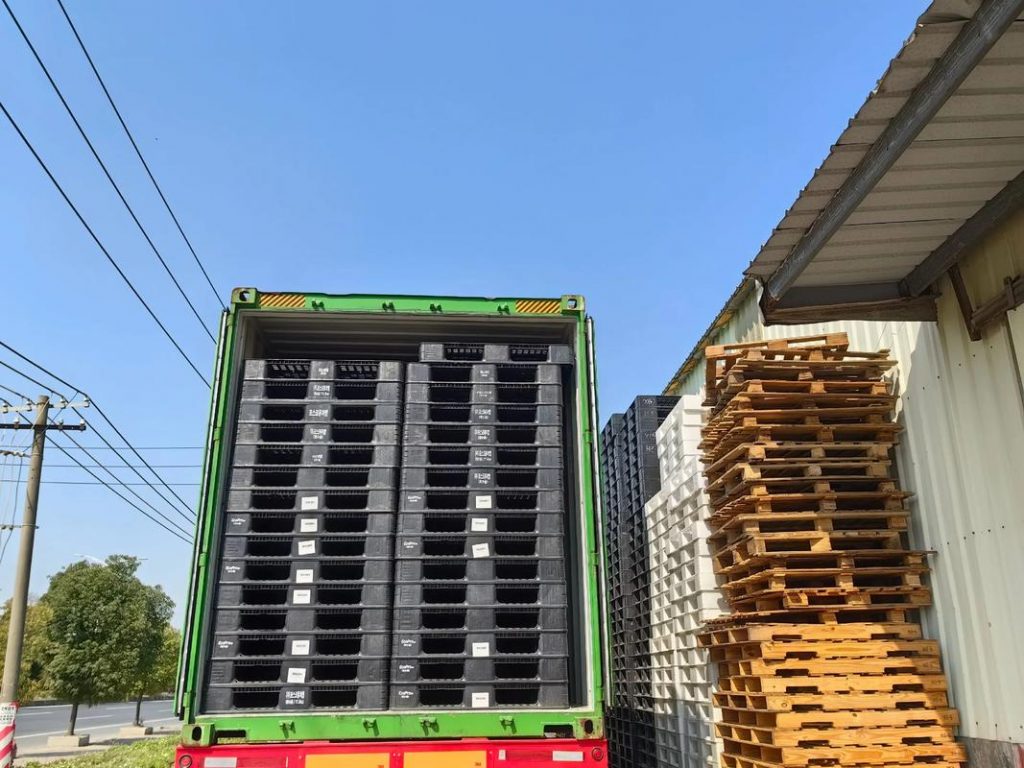
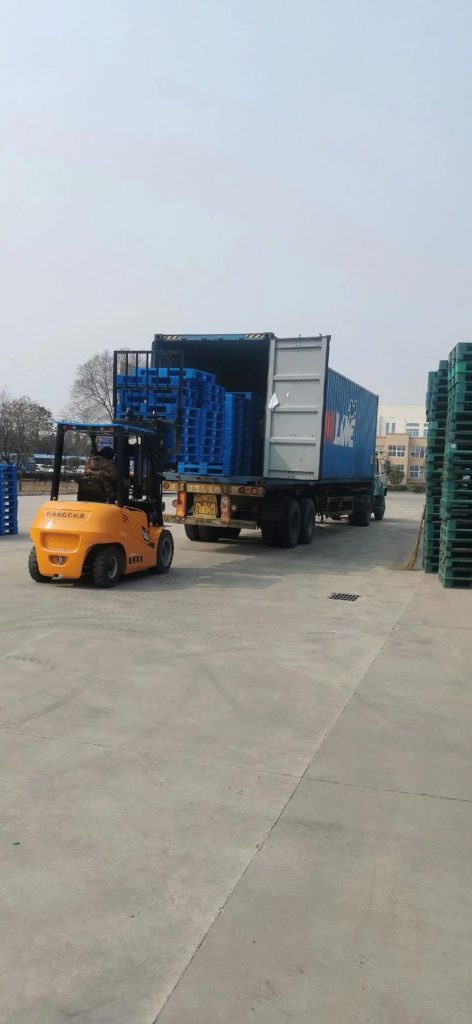
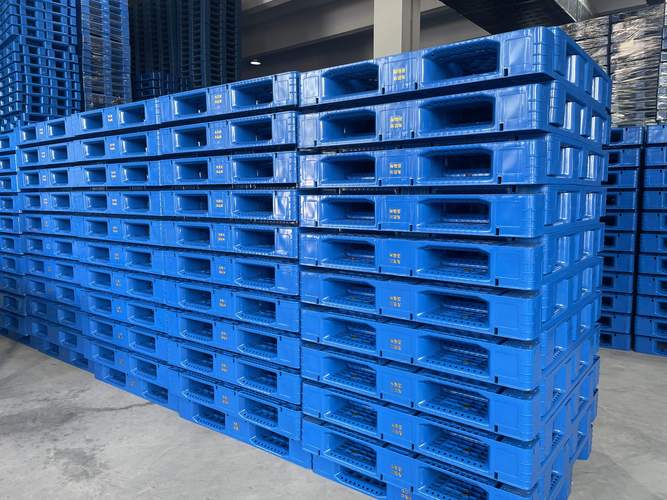
Whether you are managing a warehouse, optimizing a global supply chain, or upgrading industrial storage, selecting the right plastic pallet supplier is a decision that impacts both operational efficiency and overall safety.
While traditional wood pallets were once the standard, plastic pallets have become the preferred choice across pharmaceuticals, food processing, manufacturing, and export logistics. They offer superior hygiene, longer lifespans, and consistent dimensions. However, choosing the wrong material, weight capacity, or supplier can lead to costly supply chain disruptions. This guide breaks down everything you need to know to make an informed decision.
1. Key Features of High-Quality Plastic Pallets
Before evaluating vendors, it helps to understand the technical factors that dictate a plastic pallet’s durability and performance:
- Material Selection: Quality plastic pallets are primarily made from HDPE (High-Density Polyethylene) or PP (Polypropylene). HDPE provides excellent impact resistance and cold-temperature endurance, while PP offers higher stiffness and heat resistance.
- Virgin Plastic vs. Recycled Plastic: Virgin resin is essential for food-grade, pharmaceutical, and heavy-duty rackable applications. Recycled plastic offers an eco-friendly, cost-effective solution for one-way export or general-purpose shipping.
- Load Capacity Metrics: Always check three distinct load ratings:
- Static Load: Weight supported when the pallet is stationary on the floor.
- Dynamic Load: Weight supported during forklift transport.
- Racking Load: Weight supported when placed on open warehouse rack beams.
- Hygienic & Easy-to-Clean Design: Smooth, non-porous surfaces prevent moisture absorption, bacteria growth, and pest infestation, eliminating the need for ISPM 15 heat treatment required for wood export pallets.
2. Main Types of Plastic Pallets to Consider
A comprehensive supplier should offer several design variations tailored to different material handling needs:
A. Nestable Pallets
- Best For: Space-saving, low-cost export, and return-trip shipping.
- Key Advantage: Hollow feet fit into one another when empty, significantly reducing storage and freight costs.
B. Rackable Pallets
- Best For: Automated high-bay warehouses and selective pallet racking systems.
- Key Advantage: Reinforced with internal steel tubes or heavy-duty bottom runners to support heavy loads safely without sagging.
C. Stackable Pallets
- Best For: Block stacking loaded goods on top of each other.
- Key Advantage: Solid bottom bases (cross-bottom or perimeter base) evenly distribute weight without damaging the cargo underneath.
D. Hygiene / Cleanroom Pallets
- Best For: Pharmaceutical manufacturing, cleanrooms, and direct food handling.
- Key Advantage: Fully closed decks with no crevices, making them effortless to wash, sanitize, and sterilize.
3. How to Evaluate a Reliable Plastic Pallet Supplier
When vetting manufacturers or distributors, prioritize vendors that meet these essential operational standards:
- Material Transparency: A trustworthy supplier clearly specifies whether a pallet is made from 100% virgin HDPE/PP, a re-grind blend, or post-consumer recycled plastic.
- Quality Control & Testing: Inquire about their load testing protocols, such as corner drop tests, bending tests, and compression testing according to ISO 8611 standards.
- Customization Options (OEM/ODM): Check if the supplier offers color coding, custom logo printing/embossing, RFID tag embedding, or custom structural molds.
- Supply Chain Stability: Look for manufacturers with scalable production capacity and clear delivery lead times to prevent unexpected logistics bottlenecks.
Frequently Asked Questions (FAQ)
Q1: Are plastic pallets compliant with international ISPM 15 export regulations?
Yes. Unlike wood pallets, plastic pallets are entirely exempt from ISPM 15 regulations. They do not require heat treatment or fumigation certificates, making international customs clearance faster and less expensive.
Q2: What is the average lifespan of a plastic pallet compared to a wood pallet?
Under normal handling conditions, a high-quality plastic pallet can last 10 to 15 years—often serving 30 to 50+ trips. In contrast, standard wood pallets typically require repair or replacement after only 3 to 5 trips.
Q3: Can plastic pallets be recycled at the end of their lifespan?
Yes. Most industrial HDPE and PP plastic pallets are 100% recyclable. Many reputable suppliers even offer buy-back or recycling programs, where worn-out pallets are ground down to manufacture new plastic storage products.
Q4: How do I choose between solid-deck and grid/open-deck plastic pallets?
Solid-deck pallets feature a continuous flat surface, preventing small items or liquids from leaking onto goods below, making them ideal for pharmaceuticals and clean environments. Grid/open-deck pallets are lighter, cool faster in cold storage, and allow water drainage, making them ideal for fresh produce and general shipping.
Summary
Choosing the right plastic pallet supplier requires matching your load requirements, storage environment, and budget with a vendor that prioritizes certified material quality. By focusing on verified load ratings, hygienic design, and supplier reliability, you can optimize your supply chain and protect your valuable cargo for years to come.


No reply content