
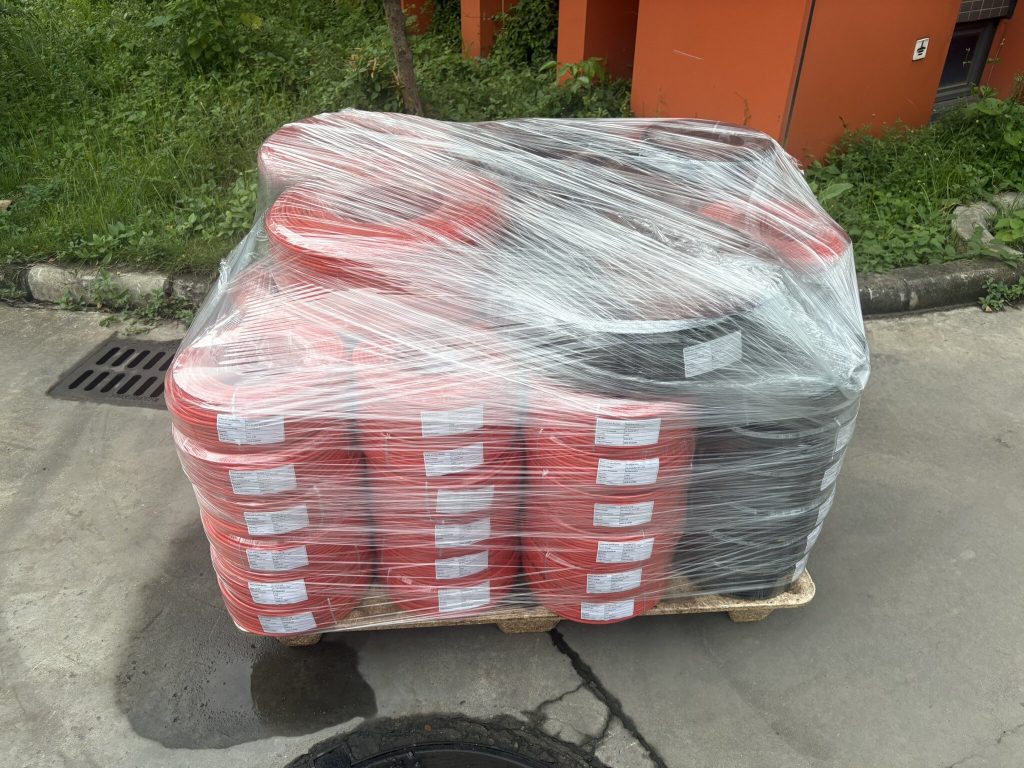
When selecting electrical wire for residential, commercial, or industrial construction projects, many buyers focus first on price and conductor size. However, choosing the correct **PVC insulated building wire** requires a clear understanding of voltage rating, conductor type, insulation performance, applicable standards, and installation conditions.
This guide explains the key factors international buyers and project contractors should consider when sourcing PVC insulated building wires from China.
### 1. Understand the Voltage Rating: Why 450/750V Matters
Most standard PVC insulated building wires used in fixed installation are rated **450/750V**. This means:
– 450V between conductor and earth
– 750V between conductors
These wires are designed for permanent installation in low-voltage systems and are commonly used in lighting circuits, socket wiring, distribution boards, and internal building power distribution.
For a detailed explanation of this voltage rating and its typical applications, you can refer to our earlier article:
[What Is 450/750V Electrical Wire and Where Is It Used?](https://www.vlefooena.com/what-is-450-750v-electrical-wire-and-where-is-it-used-2/)
### 2. Choose the Correct Conductor Construction
PVC insulated building wires are available in different conductor structures:
| Type | Conductor | Typical Use |
|——|———–|————-|
| BV / H07V-U | Solid copper | Fixed installation in conduits and trunking |
| BVR / H07V-R | Stranded copper | Fixed installation requiring moderate flexibility |
| H07V-K | Fine stranded (flexible) | Situations needing higher flexibility |
Solid conductors (BV) are the most common and cost-effective choice for standard building wiring. Stranded versions offer easier handling in tight spaces or when some flexibility is needed during installation.
### 3. Evaluate PVC Insulation Performance
PVC remains the most widely used insulation material for building wires because of its balance of cost, processability, and electrical performance. Standard PVC insulation is typically rated for continuous operation up to 70°C.
However, not all PVC compounds are the same. Buyers should confirm:
– Temperature rating
– Flame-retardant properties
– Color coding requirements
– Compliance with the relevant standard (IEC 60227, GB/T 5023, BS, etc.)
For a comparison between PVC and other insulation materials such as XLPE, PE, and rubber compounds, see:
[PVC Insulation vs Other Cable Insulation Materials: What Buyers Should Know](https://www.vlefooena.com/pvc-insulation-vs-other-cable-insulation-materials-what-buyers-should-know-2/)
### 4. Match Wire Size to Project Requirements
Common cross-sectional areas for PVC insulated building wires include 1.5 mm², 2.5 mm², 4 mm², 6 mm², 10 mm² and above. The correct size depends on:
– Current-carrying capacity required
– Installation method (conduit, trunking, surface, etc.)
– Ambient temperature
– Voltage drop limits
– Local electrical codes
Always specify the exact cross-section in your inquiry. Undersized wire can cause overheating and safety risks, while oversized wire increases unnecessary cost.
### 5. Confirm Applicable Standards and Certifications
Reliable manufacturers produce wires according to recognized standards such as:
– IEC 60227 (particularly 60227 IEC 01)
– GB/T 5023
– BS or other national equivalents
Request test reports and clear confirmation of the manufacturing standard. For more guidance on evaluating Chinese manufacturers, refer to:
[How to Find a Reliable Electrical Wire Manufacturer in China: Buyer’s Guide](https://www.vlefooena.com/how-to-find-a-reliable-electrical-wire-manufacturer-in-china-buyers-guide-2/)
### 6. Prepare a Clear RFQ
A precise request for quotation significantly improves the quality of responses you receive. Include:
– Product type (BV, BVR, H07V-U, etc.)
– Voltage rating (450/750V)
– Conductor material and construction
– Cross-sectional area
– Insulation material and temperature rating
– Color requirements
– Quantity and packaging preference
– Destination market and required certifications
A complete RFQ template and practical advice can be found here:
[How to Request a Quotation for Electrical Wire: Complete RFQ Guide for Importers](https://www.vlefooena.com/how-to-request-a-quotation-for-electrical-wire-complete-rfq-guide-for-importers-2/)
### 7. Watch for Common Quality Risks
When sourcing overseas, pay attention to potential red flags such as unclear specifications, unusually low prices, missing test reports, or reluctance to provide samples. A practical checklist is available in:
[7 Red Flags to Avoid When Sourcing Industrial Cables Overseas](https://www.vlefooena.com/7-red-flags-to-avoid-when-sourcing-industrial-cables-overseas-2/)
### Conclusion
Choosing the right PVC insulated building wire is not only about finding the lowest price. It requires matching voltage rating, conductor type, insulation performance, wire size, and standards to the actual requirements of the construction project.
By clearly defining these technical details and working with manufacturers who can provide consistent quality and proper documentation, buyers can reduce project risk and ensure reliable long-term performance.
If you are currently preparing specifications or need quotations for PVC insulated building wires (BV, BVR, 60227 IEC 01 series, etc.), feel free to share your requirements. We are a professional Chinese manufacturer specializing in high-quality PVC insulated building wires and cables that meet international standards.


No reply content