
China EV Charging Station Manufacturer
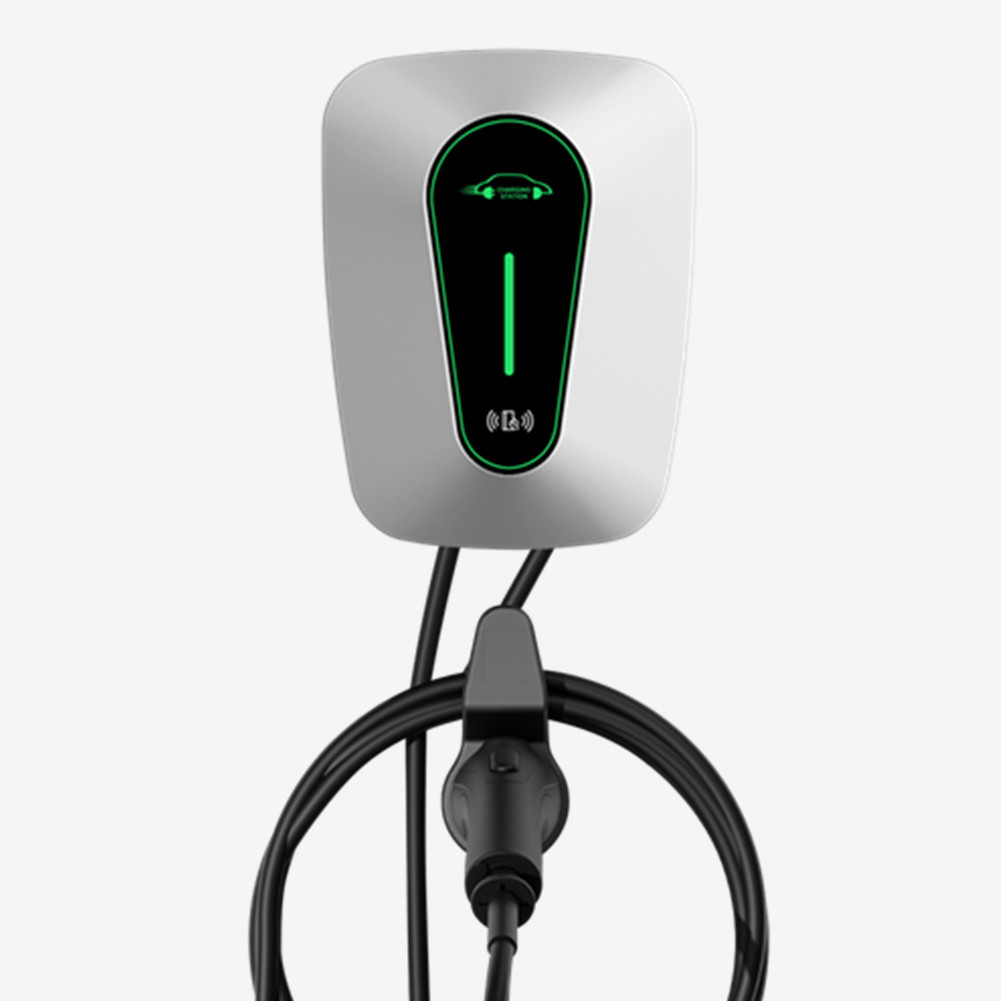
Choosing the right China EV charging station manufacturer is an important step for importers, distributors, charging operators, contractors, and companies planning commercial EV infrastructure projects.
A supplier offering the lowest quotation is not necessarily the best choice. EV charging equipment involves electrical specifications, safety requirements, software, certifications, quality control, installation conditions, and after-sales support.
Before placing a bulk order, buyers should compare manufacturers using the same technical and commercial requirements.
1. Start With a Clear Product Specification
The first step is to define exactly what you need.
Your purchasing specification may include:
-
AC or DC charging
-
Charging power
-
Input voltage
-
Input frequency
-
Output voltage
-
Maximum output current
-
Connector type
-
Number of connectors
-
Cable length
-
Indoor or outdoor installation
-
Communication functions
-
Display requirements
-
Networking requirements
-
Certification requirements
-
Quantity
-
OEM requirements
Without a clear specification, supplier quotations can be difficult to compare.
One manufacturer may quote a basic configuration while another includes additional functions, making the prices appear very different even though the products are not equivalent.
2. Check Whether the Supplier Is Actually a Manufacturer
Not every company selling EV chargers is necessarily the factory producing them.
For a serious wholesale or OEM project, buyers can ask the supplier about:
-
Manufacturing location
-
Production facilities
-
Main product categories
-
Engineering capabilities
-
Production capacity
-
Quality-control procedures
-
Testing equipment
-
Product development
-
OEM experience
A supplier should be able to explain the product structure and technical specifications clearly.
If a company cannot answer basic technical questions about its own products, buyers should investigate further before placing a large order.
3. Compare the Product Range
A manufacturer’s product range can provide useful information about its capabilities.
For example, a supplier may specialize in:
-
Residential AC chargers
-
Commercial AC charging stations
-
DC fast chargers
-
High-power DC chargers
-
Portable EV chargers
-
Fleet charging equipment
-
Charging accessories
-
Customized charging systems
The ideal supplier depends on the project.
A manufacturer specializing in residential AC chargers may not necessarily be the best choice for a large public DC charging project.
4. Compare Technical Specifications
When comparing manufacturers, use the same technical requirements.
For AC chargers, check:
-
Power rating
-
Input voltage
-
Phase
-
Connector
-
Cable
-
Protection functions
-
Communication
-
Enclosure protection
For DC chargers, additionally check:
-
Output voltage range
-
Maximum output current
-
Power distribution
-
Cooling system
-
Number of charging connectors
-
Communication system
-
Operating temperature
-
Installation requirements
The comparison should be based on the actual specification rather than the product title.
5. Verify the Certification Documentation
Certification requirements vary by destination market.
Tell each manufacturer the target country before asking for the final quotation.
Then ask for the applicable documentation for the exact product configuration.
Important documents may include:
-
Certificates
-
Test reports
-
Technical datasheets
-
User manuals
-
Installation instructions
-
Safety documentation
-
EMC-related documentation where applicable
Buyers should verify that the documents correspond to the actual model and configuration being purchased.
A certificate for one product should not automatically be treated as certification for every product produced by the same company.
6. Evaluate Quality-Control Procedures
Quality control is particularly important for bulk EV charger orders.
Ask the manufacturer how products are tested during production.
Potential quality-control stages include:
Incoming inspection
Components and materials are checked before entering production.
Assembly inspection
The production team checks wiring, components, mechanical assembly and other manufacturing details.
Functional testing
The finished charger is tested according to the manufacturer’s quality procedures.
Final inspection
The finished product, accessories, labeling and packaging are checked before shipment.
For large orders, buyers may also arrange independent pre-shipment inspection.
7. Request a Sample
A sample is one of the most practical ways to evaluate a new supplier.
Before placing a large order, buyers can inspect:
-
Product appearance
-
Housing quality
-
Cable quality
-
Connector
-
Display
-
User interface
-
Charging performance
-
Communication functions
-
Installation method
-
Packaging
The approved sample should then become the reference for mass production.
8. Compare OEM and ODM Capabilities
For distributors and EV charging brands, customization can be important.
Potential OEM options may include:
-
Company logo
-
Product labels
-
Packaging
-
User manuals
-
Product colors
-
Cable configuration
-
Connector configuration
More advanced ODM projects may involve product design, software functions, enclosure design and engineering changes.
Before selecting a manufacturer, ask which customization options are standard and which require additional engineering work.
9. Compare Production Capacity
A manufacturer may be suitable for a small order but unable to support a large project.
Ask about:
-
Normal production capacity
-
Peak production capacity
-
Current production schedule
-
Lead time
-
Component availability
-
Quality-control capacity
-
Packaging capacity
For large orders, production planning should be discussed before signing the purchase agreement.
10. Evaluate Communication and Technical Support
Good communication can make a major difference during an international procurement project.
Pay attention to whether the supplier can clearly answer questions about:
-
Product specifications
-
Installation
-
Electrical requirements
-
Certification
-
Testing
-
Packaging
-
Shipping
-
Software
-
Warranty
A manufacturer that responds quickly but cannot provide precise technical information may still present problems later.
The goal is not simply fast communication but accurate communication.
11. Compare Warranty and After-Sales Support
EV charging equipment is infrastructure that may operate for years.
Before ordering, confirm:
-
Warranty period
-
Warranty coverage
-
Spare parts
-
Replacement procedures
-
Remote technical support
-
Software support
-
Troubleshooting
-
Maintenance requirements
For overseas buyers, ask how technical support will be provided when the equipment is installed outside China.
12. Compare the Total Cost
Do not compare manufacturers only by unit price.
Consider the complete purchasing cost:
Product + customization + packaging + testing + inspection + spare parts + inland transportation + international shipping + installation requirements
For example, one manufacturer may offer a lower charger price but charge more for OEM packaging, special connectors, software functions or spare parts.
Another supplier may offer a slightly higher unit price but include more functions and better technical support.
The final comparison should therefore be based on total project cost.
13. Check Packaging and Export Experience
EV charging equipment can be damaged if packaging is not suitable for international transportation.
Ask manufacturers about:
-
Carton or wooden-case packaging
-
Palletization
-
Package dimensions
-
Gross weight
-
Net weight
-
Shipping marks
-
Moisture protection
-
Loading requirements
For larger DC chargers, transportation dimensions and weight can have a significant effect on logistics costs.
14. Check Spare Parts Availability
For commercial charging projects, spare parts can reduce downtime.
Depending on the product, spare parts may include:
-
Charging cables
-
Connectors
-
Control components
-
Fans
-
Fuses
-
Protection components
-
Display components
-
Communication modules
The exact spare-parts list depends on the charger design.
Before placing a large order, ask the manufacturer which parts are normally available and how replacement parts can be purchased.
15. Use a Supplier Comparison Table
A simple comparison table can help buyers make a more objective decision.
Evaluation Area |
Supplier A |
Supplier B |
Supplier C |
|---|---|---|---|
Product specification |
|||
AC charger range |
|||
DC charger range |
|||
Certification |
|||
Sample quality |
|||
OEM capability |
|||
Production capacity |
|||
Quality control |
|||
Lead time |
|||
Warranty |
|||
Technical support |
|||
Spare parts |
|||
Packaging |
|||
Total cost |
The buyer can assign greater importance to the factors that matter most to the project.
16. Do Not Choose a Supplier Based on Price Alone
Price is important, but it should be evaluated together with the complete product specification.
Before accepting a low quotation, check:
-
Is the charging power the same?
-
Is the connector the same?
-
Are communication functions included?
-
Are certification documents included?
-
Is the warranty comparable?
-
Is the packaging the same?
-
Are OEM requirements included?
-
Are spare parts included?
-
Is the production lead time comparable?


No reply content