
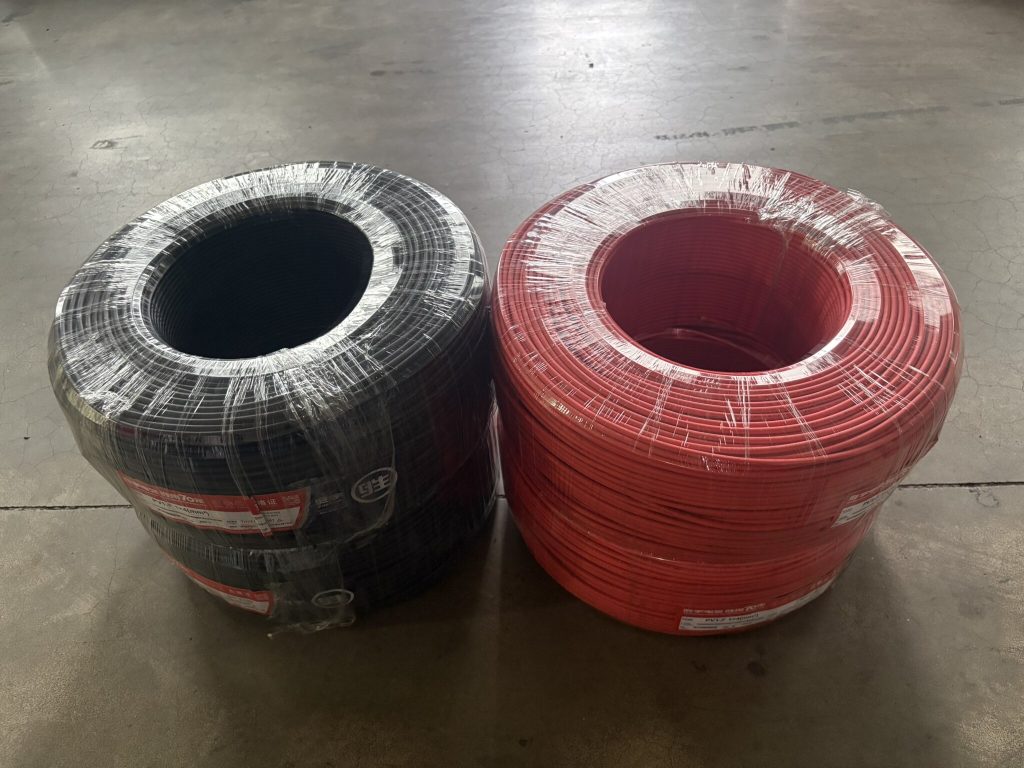
How to Compare Electrical Wire Manufacturer Quotations: Price, Quality and Specifications
Introduction
When purchasing electrical wire from China, importers often receive quotations from several manufacturers. At first glance, one supplier may offer a lower price per meter, while another provides a higher quotation for what appears to be the same product.
However, electrical wire quotations should never be compared by price alone.
Differences in copper conductor specifications, insulation thickness, electrical resistance, manufacturing standards, packaging, and testing requirements can significantly affect the final product cost.
For wholesalers, electrical distributors, construction companies, and international importers, understanding how to compare manufacturer quotations helps reduce purchasing risks and avoid unexpected expenses.
This guide explains how to evaluate electrical wire quotations, compare technical specifications, calculate material costs, and select a suitable supplier.
1. Check Whether the Product Specifications Are Identical
The first step is to confirm that all suppliers are quoting for the same product.
For example, two quotations may both describe a product as 2.5 mm² PVC insulated copper wire. However, the actual specifications may differ.
Important comparison items include:
- Conductor material: copper or aluminum
- Copper material specifications
- Conductor construction: solid or stranded
- Nominal cross-sectional area
- Conductor resistance
- Insulation material
- Insulation thickness
- Rated voltage
- Temperature rating
- Applicable technical standards
- Product color and marking
- Packaging method
A quotation should clearly identify the product specification rather than relying on a general product name.
2. Compare Electrical Wire Manufacturer Quotations
The following is an illustrative comparison between three suppliers.
Assume all three suppliers are quoting for the same requested product: 2.5 mm² PVC insulated copper wire.
| Comparison Item | Supplier A | Supplier B | Supplier C |
|---|---|---|---|
| Quoted price | $0.34/m | $0.37/m | $0.39/m |
| Conductor material | Copper | Copper | Copper |
| Conductor size | 2.5 mm² | 2.5 mm² | 2.5 mm² |
| Construction | Solid | Solid | Solid |
| Insulation | PVC | PVC | PVC |
| Technical documents | To be confirmed | Available for review | Available for review |
| Packaging | Coil | Coil | Reel |
| Inspection | Not specified | Subject to agreement | Subject to agreement |
These prices are hypothetical examples for comparison purposes, not actual market prices or manufacturer quotations.
Before selecting a supplier, buyers should confirm that the three products meet exactly the same technical requirements.
A lower quotation may not represent better value if it excludes required testing, packaging, or documentation.
3. Understand the Main Factors Affecting Electrical Wire Prices
3.1 Copper Raw Material Costs
Copper is a major cost component of copper electrical wire.
When copper prices change, manufacturers may adjust their quotations according to their raw material purchasing costs.
Buyers should confirm:
- Whether the quotation uses a fixed copper price.
- Whether the price is linked to a market reference.
- How long the quotation remains valid.
- Whether price adjustments are possible before production.
3.2 Conductor Cross-Sectional Area
The conductor size directly influences copper consumption.
For example, a 10 mm² copper conductor requires approximately four times as much theoretical copper per meter as a 2.5 mm² conductor.
This affects the material cost and finished product quotation.
3.3 Conductor Construction
Solid and stranded copper conductors have different manufacturing structures.
Stranded conductors consist of multiple smaller copper wires and may involve different processing requirements.
Buyers should confirm the required conductor class and construction.
3.4 Insulation Materials
Common electrical wire insulation materials include PVC, XLPE, and rubber.
Their costs and performance characteristics differ.
The correct insulation material should be selected according to the electrical application, operating environment, and relevant standards.
3.5 Order Quantity
Manufacturers may provide different prices for different order quantities.
Request quotations based on realistic purchasing volumes rather than comparing unrelated quantities.
4. Calculate Copper Material Costs Before Comparing Prices
A useful way to evaluate quotations is to estimate the theoretical copper material value.
The formula is:
Copper Weight (kg/m) = Cross-sectional Area (mm²) × 0.00896
Copper Material Cost per Meter = Copper Weight per Meter × Copper Price per kg
For example, consider 2.5 mm² copper wire with an assumed copper material price of USD 10/kg.
2.5 × 0.00896 = 0.0224 kg/m.
0.0224 × USD 10 = USD 0.224/m.
This means the theoretical copper material cost is USD 0.224 per meter.
The finished wire price will also include insulation, manufacturing, testing, packaging, overhead, and supplier margin.
5. Copper Material Cost Reference Table
The following table uses an illustrative copper price of USD 10/kg.
| Conductor Size | Copper Weight per Meter | Copper Material Cost per Meter |
|---|---|---|
| 1.0 mm² | 8.96 g | $0.0896 |
| 1.5 mm² | 13.44 g | $0.1344 |
| 2.5 mm² | 22.40 g | $0.2240 |
| 4 mm² | 35.84 g | $0.3584 |
| 6 mm² | 53.76 g | $0.5376 |
| 10 mm² | 89.60 g | $0.8960 |
| 16 mm² | 143.36 g | $1.4336 |
| 25 mm² | 224.00 g | $2.2400 |
| 35 mm² | 313.60 g | $3.1360 |
| 50 mm² | 448.00 g | $4.4800 |
These figures represent theoretical copper material costs only.
They are not finished wire prices, live copper market prices, or supplier quotations.
6. Compare the Total Purchasing Cost, Not Just the Unit Price
A manufacturer may offer a lower product price but charge separately for packaging, inspection, or other agreed services.
Buyers should calculate the total purchasing cost.
Total Purchasing Cost = Product Cost + Packaging Cost + Inspection Cost + Other Applicable Charges
For international purchases, the landed cost may also include:
- International freight
- Insurance, where applicable
- Destination customs clearance
- Import duties and taxes
- Local transportation
- Port or terminal charges
Illustrative Order Cost Comparison
Assume a buyer orders 10,000 meters of the same electrical wire specification.
| Cost Item | Supplier A | Supplier B |
|---|---|---|
| Unit price | $0.34/m | $0.37/m |
| Product quantity | 10,000 m | 10,000 m |
| Product value | $3,400 | $3,700 |
| Packaging | $120 | Included |
| Inspection | $100 | $80 |
| Total before freight | $3,620 | $3,780 |
In this example, Supplier A has a lower total cost before freight.
However, the buyer must still verify whether both products meet the same electrical and quality requirements.
The comparison is meaningful only when specifications and commercial terms are equivalent.
7. Evaluate Manufacturer Quality and Production Capabilities
Price is important, but supplier reliability also affects purchasing decisions.
Before placing an order, ask the manufacturer about:
Manufacturing Facilities
Confirm whether the supplier operates its own factory or purchases products from other manufacturers.
Production Equipment
Ask whether its equipment supports the requested conductor sizes, insulation materials, and product construction.
Quality Control
Review the factory’s inspection procedures, electrical testing capabilities, and production quality management.
Product Documentation
Request relevant datasheets, technical specifications, and applicable test reports.
Production Schedule
Confirm the production lead time and whether the manufacturer can meet the required delivery schedule.
For larger orders, consider a factory audit or independent pre-shipment inspection.
8. Check Certificates and Applicable Standards
Electrical wire requirements vary by destination market and application.
Depending on the product, buyers may encounter IEC, EN, BS, UL, or other national standards.
Before accepting a quotation, verify:
- The exact standard required by the buyer.
- Whether the offered product complies with that standard.
- Whether the certificate covers the specific product.
- Whether the certificate is valid and verifiable.
- Whether the technical documents match the quotation.
CE marking should only be used where the relevant product is subject to applicable European legislation and conformity requirements. It is not a universal electrical wire quality certificate.
9. Confirm Packaging, Weight, and Delivery Terms
Packaging and shipping details can influence the final purchasing cost.
Common electrical wire packaging includes:
- Plastic coils
- Reels
- Cartons
- Wooden drums
Before confirming an order, request:
- Net product weight
- Gross shipment weight
- Number of packages
- Package dimensions
- Total shipment volume
- Packaging photographs
- Loading arrangements
Also confirm the agreed Incoterms.
EXW, FOB, and CIF quotations cover different responsibilities and costs. They should not be compared directly without adjusting for the services included.
10. A Practical Checklist for Comparing Electrical Wire Suppliers
Before selecting a manufacturer, review the following items:
- [ ] Product type and application confirmed.
- [ ] Conductor material specified.
- [ ] Cross-sectional area confirmed.
- [ ] Solid or stranded construction confirmed.
- [ ] Conductor resistance requirements confirmed.
- [ ] Insulation material and thickness confirmed.
- [ ] Rated voltage and temperature requirements confirmed.
- [ ] Applicable standards identified.
- [ ] Technical documents reviewed.
- [ ] Unit price and quotation validity confirmed.
- [ ] Order quantity and production lead time confirmed.
- [ ] Packaging and gross weight confirmed.
- [ ] Inspection requirements agreed.
- [ ] Delivery terms and additional charges confirmed.
A completed checklist makes supplier comparisons more reliable and helps prevent misunderstandings.
11. Frequently Asked Questions
Q1: Why do electrical wire manufacturers offer different prices for the same wire size?
Prices may differ because of copper material costs, conductor construction, insulation specifications, manufacturing processes, packaging, order quantity, and included services.
Q2: Should I always choose the lowest electrical wire quotation?
No. The lowest quotation may not meet the required technical specifications or include the necessary documentation and services. Compare equivalent products before making a decision.
Q3: How can I compare copper wire prices per meter?
Confirm the conductor size, material, insulation, and applicable standards first. Then compare the unit price and total purchasing costs.
Q4: What documents should I request from a Chinese electrical wire manufacturer?
Common documents include product datasheets, technical specifications, applicable certificates, conductor resistance reports, insulation test reports, and agreed quality inspection records.
Q5: Can I request samples before placing a bulk order?
Many manufacturers can provide samples depending on product availability and customization requirements. Confirm sample costs and whether the sample matches the final production specifications.
Q6: What is the difference between product price and landed cost?
Product price refers to the agreed goods price. Landed cost includes additional expenses such as freight, insurance where applicable, customs duties, taxes, clearance, and local delivery.
Q7: How can I check whether a supplier is a real manufacturer?
Request factory information, production equipment details, business documentation, manufacturing photographs, and inspection access. An independent factory audit can provide further verification.
Q8: How should I request an accurate electrical wire quotation?
Provide the product type, conductor material, cross-sectional area, construction, insulation, voltage rating, standard, quantity, packaging requirements, and destination country.
12. Request an Electrical Wire Manufacturer Quotation
Are you comparing electrical wire suppliers in China for wholesale distribution, construction projects, industrial applications, or electrical installation?
To receive a more accurate quotation, prepare the following information:
- Product type: BV, BVR, H07V-U, H07V-R, PVC wire, or another specification.
- Conductor material: Copper or aluminum.
- Cross-sectional area: For example, 1.5 mm², 2.5 mm², 4 mm², or 6 mm².
- Conductor construction: Solid or stranded.
- Insulation material.
- Rated voltage and applicable standards.
- Required quantity in meters or kilometers.
- Packaging requirements.
- Destination country.
Providing complete specifications helps manufacturers evaluate material requirements, production capabilities, and pricing.
Contact the supplier to request an electrical wire quotation, technical specifications, and product documentation for your purchasing requirements.


No reply content