
China Custom Clothing Manufacturer
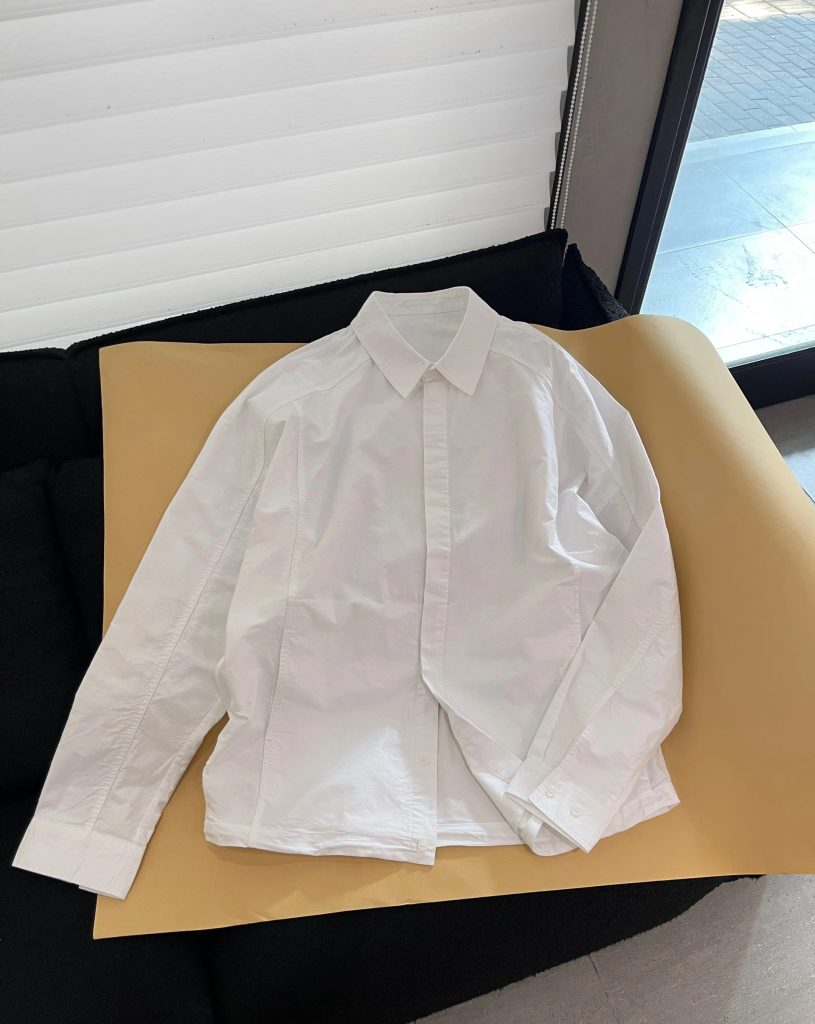
Quality control is one of the most important parts of importing clothing from China. A garment may look perfect in photographs or on a sample, but problems can appear during mass production if materials, measurements, stitching, printing, or packaging are not properly controlled.
For clothing brands, wholesalers, retailers, and importers, inspecting products before shipment can significantly reduce the risk of receiving defective goods and can help ensure that the finished garments match the approved specifications.
This guide explains how to control clothing quality before your order leaves China.
1. Establish Clear Quality Standards Before Production
Quality control should begin before the factory starts production.
Do not simply tell the manufacturer that you want “high-quality clothing.” This is too subjective.
Instead, provide measurable requirements such as:
-
Fabric composition
-
Fabric weight
-
Color
-
Garment measurements
-
Stitch density
-
Seam construction
-
Logo size
-
Logo position
-
Printing quality
-
Embroidery requirements
-
Label specifications
-
Packaging requirements
-
Acceptable defect levels
For example, instead of saying “make the T-shirt thick,” specify the required fabric weight and composition.
Clear specifications make it much easier to determine whether the finished product meets your requirements.
2. Approve a Pre-Production Sample
Before mass production, the manufacturer should provide a final sample for approval.
This sample should represent the product that will be manufactured in bulk.
Check:
-
Fabric
-
Color
-
Size
-
Fit
-
Stitching
-
Logo
-
Printing
-
Embroidery
-
Labels
-
Accessories
-
Overall appearance
Once approved, the sample can serve as a reference for bulk production.
If possible, keep photographs and written specifications together with the approved sample.
3. Inspect the Fabric Before Cutting
Fabric defects can become expensive problems once the material has been cut.
Before production, inspect the fabric for:
-
Holes
-
Stains
-
Uneven dyeing
-
Color differences
-
Weaving defects
-
Incorrect fabric composition
-
Incorrect GSM
-
Excessive shrinkage
-
Surface defects
Color consistency is especially important when producing large quantities.
If different batches of fabric have noticeable color differences, the finished garments may not look consistent.
4. Check Garment Measurements
Measurement problems are among the most common issues in clothing manufacturing.
Depending on the garment, measurements may include:
-
Chest width
-
Shoulder width
-
Sleeve length
-
Garment length
-
Waist
-
Hip
-
Cuff
-
Collar
-
Inseam
-
Rise
Do not rely only on visual inspection.
Use a measurement chart and compare finished garments against the approved specifications.
A garment can look good while still being outside the required measurement tolerance.
5. Check Stitching and Seams
Stitching affects both appearance and durability.
Inspect:
-
Loose threads
-
Broken stitches
-
Uneven stitching
-
Skipped stitches
-
Open seams
-
Excessive thread
-
Weak seam construction
-
Incorrect seam allowance
Pay particular attention to areas that experience stress, such as:
-
Shoulders
-
Armholes
-
Crotch
-
Pockets
-
Waistbands
-
Zipper areas
-
Sleeve openings
For products designed for frequent washing or heavy use, seam strength becomes particularly important.
6. Inspect Printing Quality
If your garments contain printed graphics or logos, inspect the printing carefully.
Check for:
-
Incorrect colors
-
Blurred graphics
-
Cracks
-
Peeling
-
Uneven printing
-
Incorrect positioning
-
Missing details
-
Poor adhesion
Compare the finished garment with the approved artwork and sample.
For branded clothing, even a small logo-position error can affect the appearance of the product.
7. Check Embroidery
Embroidery should also be inspected carefully.
Look for:
-
Missing stitches
-
Uneven stitching
-
Loose threads
-
Incorrect colors
-
Distorted logos
-
Poor positioning
-
Excessive thread density
The embroidery should match the approved design in both size and placement.
8. Inspect Zippers, Buttons, and Accessories
For garments containing accessories, check their functionality and appearance.
Examples include:
-
Zippers
-
Buttons
-
Snaps
-
Buckles
-
Drawstrings
-
Elastic
-
Metal hardware
-
Plastic components
Test zippers several times and check that buttons are securely attached.
A garment may pass a visual inspection but still have functional problems.
9. Check Colors and Color Consistency
Color consistency is important for branded clothing collections.
Compare the finished garments with the approved color standard.
Check for:
-
Incorrect shade
-
Uneven dyeing
-
Color variation between garments
-
Color variation between panels
-
Printing color differences
If the order contains multiple colors, each color should be checked separately.
10. Check Washing and Shrinkage Requirements
Some clothing products may shrink after washing.
If shrinkage is important to your product, testing should be performed according to the agreed requirements before shipment.
For example, buyers may need to consider:
-
Length shrinkage
-
Width shrinkage
-
Colorfastness
-
Fabric distortion
-
Print durability
-
Seam changes
This is particularly important for cotton garments and other fabrics that may respond differently to washing and drying conditions.
11. Inspect Labels
Private-label clothing requires careful label inspection.
Check:
-
Brand name
-
Logo
-
Size
-
Care instructions
-
Fabric composition
-
Country-of-origin information where required
-
Label position
-
Label quality
Incorrect labels can create problems for retailers and importers, especially when garments are sold in regulated markets.
Make sure labeling requirements for your destination market are reviewed before production.
12. Check Packaging
Packaging should also be part of quality control.
Inspect:
-
Folding method
-
Polybags
-
Size stickers
-
Barcode labels
-
Hangtags
-
Carton markings
-
Quantity per carton
For e-commerce brands, packaging is particularly important because damaged or poorly packed garments can affect the customer experience.
13. Perform In-Process Quality Inspection
Quality control should not happen only at the end of production.
It can also be performed during manufacturing.
For example:
Fabric inspection → Cutting inspection → Sewing inspection → Printing inspection → Finished garment inspection → Packing inspection
Checking quality during production allows problems to be corrected earlier.
If a problem is discovered after thousands of garments have been completed, correcting it may be much more expensive.
14. Conduct a Final Pre-Shipment Inspection
Before shipment, conduct a final inspection of the finished goods.
The inspection should verify:
-
Product appearance
-
Measurements
-
Fabric
-
Color
-
Stitching
-
Printing
-
Embroidery
-
Labels
-
Accessories
-
Packaging
-
Quantity
The goal is to determine whether the completed order matches the approved specifications.
For large or high-value orders, buyers can consider using an independent third-party inspection company.
15. Use a Representative Sample
Inspecting only one or two garments from a large shipment is generally not enough.
A proper inspection should use a representative sample of the production lot.
The inspection quantity depends on factors such as:
-
Total order quantity
-
Product value
-
Risk level
-
Customer requirements
-
Quality standard
For larger orders, an established statistical inspection method such as an AQL-based inspection may be used.
AQL is a sampling approach commonly used in manufacturing quality control. The specific acceptance criteria should be agreed upon before inspection rather than decided after problems are found.
16. Classify Defects
Not every defect has the same importance.
A practical quality-control system can classify defects into categories such as:
Critical Defects
Problems that may create safety risks or make the product unsuitable for sale.
Major Defects
Problems that significantly affect appearance, function, durability, or usability.
Minor Defects
Small imperfections that may not significantly affect the product’s function or overall appearance.
The acceptable limits should be agreed upon before production.
17. Compare the Finished Goods With the Purchase Order
The final inspection should not focus only on product quality.
Quantity and specifications should also be verified.
Check:
-
Ordered quantity
-
Actual quantity
-
Style
-
Color
-
Size ratio
-
Packaging quantity
-
Carton quantity
For example, a factory may produce the correct total number of garments but have the wrong size distribution.
That can create serious problems for retailers.
18. Take Photographs During Inspection
Photographs can provide useful evidence of the production condition.
Useful inspection photographs may include:
-
Full garment
-
Fabric close-up
-
Stitching
-
Labels
-
Printing
-
Embroidery
-
Measurement process
-
Packaging
-
Cartons
-
Product quantity
For international buyers who cannot visit the factory personally, detailed inspection photographs can provide additional visibility.
19. Do Not Automatically Approve Shipment
If significant defects are discovered, do not automatically approve the shipment simply because the factory has completed production.
Discuss the problem with the manufacturer and determine an appropriate solution.
Depending on the situation, solutions may include:
-
Rework
-
Replacement
-
Repair
-
Re-inspection
-
Partial shipment
-
Price adjustment
-
Production correction
The appropriate solution depends on the severity of the problem and the terms of your agreement.
20. Maintain a Quality Control Checklist
A written checklist can make inspections more consistent.
A basic clothing inspection checklist may include:
Product
-
Correct style
-
Correct fabric
-
Correct color
-
Correct size
-
Correct quantity
Construction
-
Stitching
-
Seams
-
Threads
-
Buttons
-
Zippers
-
Pockets
Branding
-
Logo
-
Printing
-
Embroidery
-
Labels
-
Hangtags
Packaging
-
Folding
-
Polybags
-
Cartons
-
Barcodes
-
Shipping marks
Documentation
-
Packing list
-
Commercial invoice
-
Inspection report
-
Shipping information
Common Clothing Quality Problems
Some common issues include:
Incorrect Measurements
The garments do not match the approved size chart.
Fabric Variation
Different production batches have different colors or textures.
Loose Threads
Threads remain after sewing or finishing.
Printing Defects
The logo is blurred, cracked, incorrectly positioned, or uneven.
Sewing Problems
Seams are uneven, open, or poorly finished.
Packaging Errors
Wrong sizes, quantities, labels, or cartons are used.
Color Differences
Different garments or panels have noticeably different shades.
Identifying these problems before shipment is much easier than dealing with them after the goods arrive at the destination.
Should You Hire a Third-Party Inspection Company?
For small trial orders, buyers may choose to inspect the goods themselves through photographs, video calls, or factory visits.
For larger orders, a third-party inspection can provide an additional level of independent verification.
This can be especially useful when:
-
The order value is high
-
You have never worked with the factory before
-
The product is technically complicated
-
The goods are being shipped to a new market
-
Quality requirements are strict
-
You cannot visit China personally


No reply content