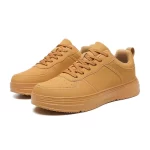


How to Create a Shoe Tech Pack for OEM Manufacturing in China
A shoe tech pack is one of the most important documents in OEM footwear manufacturing. It provides a factory with the technical information needed to develop samples, estimate production costs, select materials, and manufacture shoes according to a buyer’s requirements.
For brands planning to manufacture custom sneakers, casual shoes, sports footwear, or private-label footwear in China, a clear tech pack can reduce misunderstandings, shorten the sampling process, and improve consistency during mass production.
This guide explains what to include in a shoe tech pack, how to prepare one for a Chinese footwear manufacturer, and what buyers should check before approving production.
1. What Is a Shoe Tech Pack?
A shoe tech pack, or footwear technical specification package, is a document that describes how a particular shoe should be designed and manufactured.
It typically includes technical drawings, measurements, material specifications, color references, construction details, logos, packaging requirements, and quality standards.
Unlike a simple product photograph, a tech pack communicates measurable requirements that a manufacturer can use during product development and production.
A complete tech pack helps buyers and manufacturers establish a common reference before sampling and bulk manufacturing begin.
2. What Should a Shoe Tech Pack Include?
2.1 Technical Drawings and Shoe Design
Include clear drawings or images showing the shoe from multiple angles, such as:
- Lateral and medial side views
- Top and bottom views
- Front and rear views
- Outsole tread design
- Important construction details
Mark specific design features, including stitching lines, panels, overlays, eyelets, straps, and decorative elements.
If you are developing custom sneakers, the drawings should clearly distinguish between the upper design, midsole structure, and outsole pattern.
2.2 Material Specifications
Identify the materials required for each shoe component.
| Shoe component | Information to specify |
|---|---|
| Upper | Leather, synthetic leather, mesh, canvas, or other material |
| Lining | Material type, color, and relevant performance requirements |
| Insole | Material, thickness, shape, and cushioning requirements |
| Midsole | Material, hardness requirements if applicable, and design |
| Outsole | Rubber, EVA, TPR, or another specified compound |
| Laces | Material, length, color, and construction |
| Packaging | Shoe box, labels, inserts, and export cartons |
Whenever possible, provide material samples, reference codes, or approved swatches. Terms such as “high quality” or “premium material” are not precise enough for consistent manufacturing.
2.3 Size Chart and Measurements
Provide a complete size chart covering the sizes required for your target market.
Depending on the product, measurements may include foot length reference, insole length, outsole length, upper dimensions, opening circumference, and other relevant points of measurement.
Specify the sizing system, such as US, UK, or EU, and explain how measurements should be taken.
Ask the manufacturer to identify the measurement tolerance for each critical dimension. Do not assume that all shoe styles share the same sizing rules.
2.4 Colors, Logos, and Branding
For private-label footwear, include:
- Approved color references or physical color swatches
- Logo artwork in a suitable production format
- Logo placement and dimensions
- Printing, embroidery, embossing, or other branding methods
- Tongue labels, heel labels, and insole branding
- Packaging artwork and label requirements
For brand-sensitive colors, approve a physical sample under suitable lighting before mass production. A screen image alone may not reproduce the final material color accurately.
2.5 Construction and Assembly Details
Describe the intended construction method wherever it affects the product.
For example, specify relevant stitching details, bonding requirements, reinforcement areas, seam placement, outsole attachment, and decorative finishing.
If the shoe requires special performance characteristics, such as slip resistance or water resistance, define the required test method and acceptance criteria instead of relying on general descriptions.
2.6 Packaging and Labeling
Packaging requirements should be confirmed before production begins.
Include shoe-box dimensions where necessary, box artwork, size labels, barcode requirements, individual shoe protection, carton markings, and any destination-market labeling requirements.
For export orders, confirm the packing configuration and carton dimensions with the manufacturer before calculating freight costs.
3. How to Prepare a Shoe Tech Pack for a Chinese Manufacturer
A practical workflow helps both parties reduce avoidable revisions.
Step 1: Define the product. Specify the footwear category, target customer, intended use, price positioning, and target market.
Step 2: Prepare the design files. Provide drawings, reference images, material details, color specifications, and branding artwork.
Step 3: Confirm technical requirements. Agree on the size range, critical measurements, materials, construction methods, and applicable testing requirements.
Step 4: Request a feasibility review. Ask the manufacturer to identify design issues, material limitations, tooling requirements, and information that is still missing.
Step 5: Develop and evaluate samples. Check fit, appearance, construction, materials, logos, and measurements against the specification.
Step 6: Approve a reference sample. Record the approved sample version and document any changes before authorizing bulk production.
Step 7: Establish production quality checks. Agree on inspection points, acceptable tolerances, defect classifications, and packaging requirements.
This process is especially useful for buyers developing a new footwear design or working with a manufacturer for the first time.
4. Common Shoe Tech Pack Mistakes to Avoid
Using Only Reference Photos
Photos can communicate appearance, but they rarely provide sufficient information about materials, measurements, construction, or tolerances.
Better approach: Combine reference photos with technical drawings and written specifications.
Leaving Materials Undefined
A request for a “rubber sole” or “soft upper” may allow different interpretations.
Better approach: Specify the required material, relevant performance properties, and approved reference sample.
Changing the Design After Sample Approval
Late changes to colors, materials, logos, or construction may affect cost, tooling, and delivery schedules.
Better approach: Use revision numbers and document all approved changes.
Ignoring Packaging and Export Requirements
Buyers may focus on the shoe itself while overlooking cartons, labels, barcodes, and destination-market requirements.
Better approach: Include packaging and labeling in the technical specification before production starts.
Approving Samples Without Written Records
Verbal approval can create disagreements about which version should be manufactured.
Better approach: Keep dated sample photos, written approval, measurement records, and the final specification together.
5. How a Tech Pack Helps Control OEM Footwear Costs
A detailed tech pack gives a manufacturer a clearer basis for preparing a quotation.
The final price may depend on material selection, construction complexity, order quantity, tooling, branding, packaging, quality requirements, and other project-specific factors.
When requesting quotations, provide the same technical information to each shortlisted manufacturer. This makes the offers easier to compare and reduces the risk of comparing products with different specifications.
Ask each supplier to clarify which materials, components, packaging items, tooling charges, and inspection requirements are included in the quoted price.
Do not evaluate a footwear supplier on unit price alone. Material consistency, sample accuracy, production quality, communication, and delivery performance are also important purchasing considerations.
6. Shoe Tech Pack Checklist for Buyers
Before sending your project to a footwear manufacturer, confirm that your package includes:
- [ ] Product name and style number
- [ ] Technical drawings and reference photos
- [ ] Upper, lining, insole, midsole, and outsole specifications
- [ ] Color references and branding artwork
- [ ] Size chart and measurement tolerances
- [ ] Construction and assembly requirements
- [ ] Packaging and labeling specifications
- [ ] Required quality tests and acceptance criteria
- [ ] Target quantity and target delivery date
- [ ] Revision number and sample approval process
Not every shoe requires the same level of detail. Performance footwear, safety footwear, and technically complex designs may need additional testing and compliance documentation.
7. Frequently Asked Questions
What is the difference between a shoe tech pack and a shoe sample?
A tech pack is the written and visual specification for the product. A shoe sample is a physical product developed using those specifications. The sample helps the buyer evaluate whether the design and construction meet the intended requirements.
Can I request an OEM shoe quotation without a tech pack?
Yes. A manufacturer may provide an initial assessment using reference images and basic requirements. However, a complete tech pack generally makes quotations more accurate and easier to compare.
Do I need CAD files to manufacture custom shoes?
Not always. Technical drawings, clear reference images, and detailed written specifications may be sufficient for some projects. More complex designs may require specialized digital files or additional development work.
How many samples should I approve before bulk production?
There is no universal number. The process depends on design complexity, materials, fit requirements, and the manufacturer’s development workflow. Approve the final production reference only after the required revisions and checks are complete.
Can one tech pack cover multiple shoe sizes?
Yes. A tech pack can include a size range and grading specifications. The manufacturer should confirm how dimensions change across sizes and which measurements require particular attention.
What should I send when contacting a Chinese OEM shoe manufacturer?
Provide your shoe design, intended materials, target size range, branding requirements, estimated order quantity, target market, and expected timeline. If available, attach your tech pack and reference samples or photos.
8. Request an OEM Footwear Manufacturing Assessment
Preparing a clear shoe tech pack is an important step toward successful OEM footwear production in China. It helps buyers communicate their expectations, compare supplier quotations, evaluate samples, and establish consistent quality requirements.
If you are developing custom sneakers, casual shoes, or private-label footwear, prepare your technical specifications before requesting a detailed quotation.
When contacting a potential supplier through VLEFOOENA, provide your product drawings, material preferences, estimated order quantity, target market, and branding requirements. Ask the supplier to confirm its manufacturing capabilities, sample-development process, quality-control procedures, and quotation scope before proceeding.
Recommended next step: Review the related guide, What Is the Minimum Order Quantity for Custom Shoes?, to understand how order quantity can affect your OEM footwear project.


No reply content