
China Surfboard Yacht Customization Factory
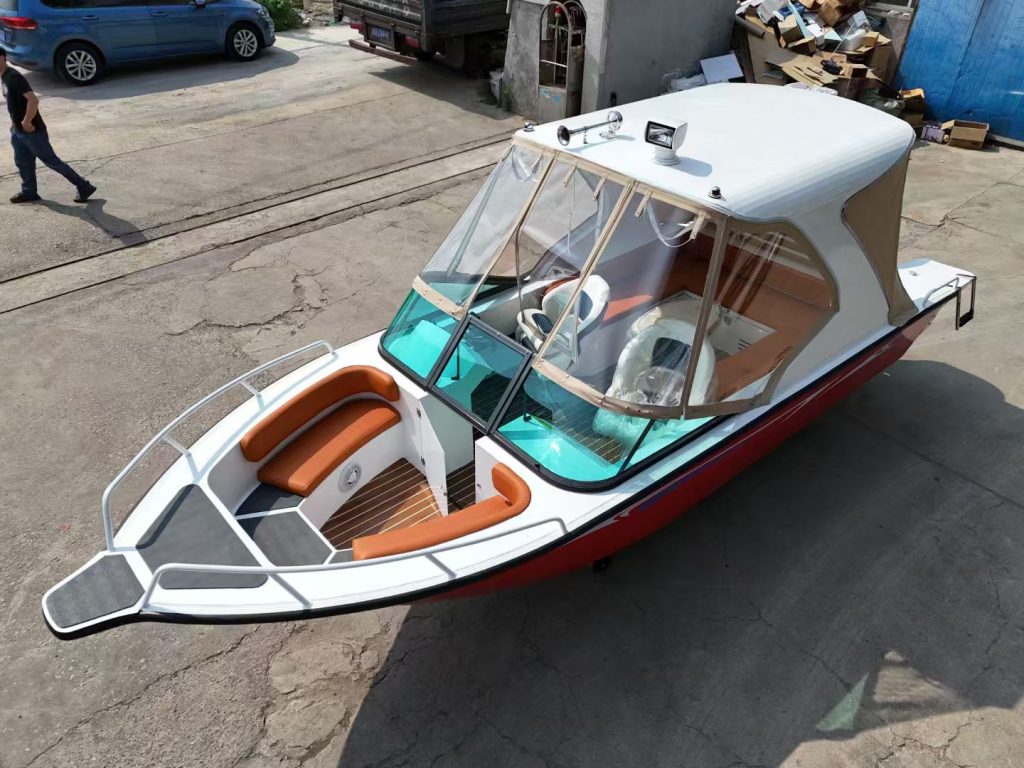
Customizing a yacht allows buyers to create a vessel that matches their specific cruising style, passenger capacity, operating environment, and performance requirements. However, yacht customization is not simply a matter of changing the interior or selecting different colors. Major modifications can affect weight distribution, stability, propulsion, fuel consumption, range, and overall safety.
For buyers working with a yacht manufacturer, the best approach is to define the requirements before production and have the manufacturer evaluate every major modification from an engineering perspective.
1. Start with the Intended Use
The first step is deciding how the yacht will be used.
Different applications require different configurations:
-
Family cruising
-
Private leisure
-
Fishing
-
Diving
-
Island cruising
-
Long-distance cruising
-
Charter operations
-
Passenger transportation
-
Resort operations
-
Sport and recreation
For example, a family yacht may prioritize comfortable cabins and storage, while a fishing yacht may require larger deck areas, additional refrigeration, stronger electrical capacity, and specialized equipment.
2. Select the Appropriate Yacht Size
Yacht size affects almost every other design decision.
Important dimensions include:
-
Overall length
-
Beam
-
Draft
-
Air draft
-
Displacement
-
Passenger capacity
A larger yacht can provide more cabin space, storage, fuel capacity, and onboard facilities, but it can also require larger engines, more fuel, greater maintenance, and potentially more complicated transportation.
When selecting the size, consider not only the number of passengers but also the waters where the yacht will operate.
3. Customize the Interior Layout
Interior layout is one of the most popular customization areas.
Possible configurations include:
Cabins
You can specify:
-
Number of cabins
-
Double or twin beds
-
Owner’s cabin
-
Guest cabins
-
Crew cabins
Bathrooms
The layout can include:
-
Private bathrooms
-
Shared bathrooms
-
Separate shower areas
-
Additional guest bathrooms
Living Areas
Depending on the yacht, you can customize:
-
Salon
-
Dining area
-
Kitchen
-
Bar
-
Entertainment area
-
Lounge
-
Storage spaces
The manufacturer should verify that the proposed layout is compatible with the yacht’s structure, ventilation, plumbing, electrical system, and weight distribution.
4. Customize the Exterior
Exterior customization can include:
-
Hull color
-
Superstructure color
-
Deck materials
-
Railings
-
Windows
-
Sunshade systems
-
Swimming platforms
-
Boarding ladders
-
Exterior seating
-
Flybridge configuration
Buyers can also request custom branding or decorative elements.
However, large changes to windows, superstructure structures, or deck equipment may require engineering review.
5. Select the Right Engine Configuration
Engine selection should be based on the yacht’s intended performance rather than simply choosing the highest available horsepower.
Consider:
-
Engine power
-
Number of engines
-
Propulsion system
-
Fuel consumption
-
Cruising speed
-
Maximum speed
-
Range
-
Maintenance requirements
A manufacturer should calculate whether the selected engine configuration is suitable for the yacht’s displacement and hull design.
Overpowered or improperly matched propulsion systems can increase fuel consumption and operating costs without providing useful benefits.
6. Define Your Desired Performance
Before production, tell the manufacturer your target performance.
For example:
-
Desired cruising speed
-
Maximum speed
-
Cruising range
-
Fuel economy
-
Acceleration
-
Maneuverability
There is usually a balance between speed and efficiency.
A yacht optimized for high speed may require more powerful engines and greater fuel consumption, while a yacht optimized for efficient cruising may use a different hull and propulsion configuration.
7. Consider the Operating Environment
Where the yacht will operate is extremely important.
Tell the manufacturer whether the yacht will primarily operate in:
-
Coastal waters
-
Rivers
-
Lakes
-
Islands
-
Offshore waters
-
Tropical climates
-
Cold climates
The manufacturer may need to consider:
-
Hull structure
-
Corrosion protection
-
Insulation
-
Air conditioning
-
Heating
-
Ventilation
-
Fuel capacity
-
Navigation equipment
-
Safety equipment
A yacht designed for tropical coastal cruising may require a different configuration from an expedition yacht operating in colder or more remote waters.
8. Customize Fuel and Water Capacity
Fuel and freshwater capacity should match the yacht’s expected operating range.
Consider:
-
Fuel tank capacity
-
Freshwater tank capacity
-
Wastewater capacity
-
Watermaker
-
Fuel filtration
-
Tank monitoring
If the yacht is expected to spend several days away from port, larger capacities and additional water-production equipment may be appropriate.
However, additional tank capacity also adds weight, so the manufacturer should include it in the overall design calculations.
9. Upgrade the Electrical System
Modern yachts often require substantial electrical capacity.
Potential equipment includes:
-
Generator
-
House batteries
-
Lithium battery systems
-
Inverters
-
Battery chargers
-
Solar panels
-
Shore power
-
Energy-management systems
When customizing the electrical system, calculate the expected loads of:
-
Air conditioning
-
Refrigerators
-
Kitchen equipment
-
Watermakers
-
Lighting
-
Entertainment systems
-
Navigation equipment
This prevents the electrical system from being undersized.
10. Customize Navigation and Communication Equipment
Depending on your operating requirements, you can select:
-
GPS
-
Chartplotter
-
Radar
-
AIS
-
VHF radio
-
Autopilot
-
Depth sounder
-
Marine cameras
-
Satellite communication
The exact equipment should be selected according to the yacht’s intended operating area and applicable regulations.
11. Select Interior Materials Carefully
Interior materials should be suitable for the marine environment.
Important considerations include:
-
Moisture resistance
-
Corrosion resistance
-
UV resistance
-
Ease of cleaning
-
Weight
-
Fire performance
-
Durability
Luxury materials may improve appearance but can also increase weight and maintenance requirements.
A good yacht manufacturer should help balance appearance, durability, weight, and budget.
12. Plan Storage Areas
Storage is often overlooked during yacht customization.
Think about where you will store:
-
Food
-
Clothing
-
Diving equipment
-
Fishing equipment
-
Tools
-
Spare parts
-
Water sports equipment
-
Cleaning supplies
-
Safety equipment
For family or charter use, adequate storage can significantly improve onboard comfort.
13. Consider Weight Distribution
One of the most important engineering considerations is weight distribution.
Adding:
-
Larger batteries
-
Additional fuel
-
More furniture
-
Larger engines
-
Extra equipment
-
Heavy stone or wood materials
can change the yacht’s weight distribution.
The manufacturer should evaluate how these changes affect:
-
Stability
-
Trim
-
Draft
-
Performance
-
Fuel consumption
-
Handling
This is why major customization should always be reviewed by the yacht manufacturer’s engineering team.
14. Discuss Safety Equipment
Depending on the yacht and its intended operation, safety equipment may include:
-
Life jackets
-
Liferafts
-
Fire extinguishers
-
Fire suppression systems
-
Bilge pumps
-
Emergency lighting
-
Navigation lights
-
Emergency communication equipment
-
First-aid equipment
The required equipment depends on the vessel and applicable regulations.
15. Create a Detailed Customization Specification
Before signing the production contract, create a detailed specification document.
It should include:
Basic Dimensions
-
Length
-
Beam
-
Draft
-
Passenger capacity
Performance
-
Engine power
-
Cruising speed
-
Maximum speed
-
Range
Interior
-
Cabin layout
-
Bathroom layout
-
Kitchen
-
Furniture
-
Flooring
-
Lighting
Exterior
-
Hull color
-
Deck materials
-
Seating
-
Swimming platform
-
Sunshade
Electronics
-
Radar
-
GPS
-
AIS
-
VHF
-
Autopilot
Electrical
-
Generator
-
Batteries
-
Inverter
-
Solar system
Other Equipment
-
Air conditioning
-
Watermaker
-
Refrigerator
-
Entertainment system
-
Safety equipment
The more precise the specification, the easier it is to control the final yacht cost and production result.
16. Approve Technical Drawings Before Production
Do not rely only on verbal discussions.
Ask the manufacturer to provide drawings showing the agreed configuration.
Depending on the project, these may include:
-
General arrangement
-
Cabin layout
-
Engine-room layout
-
Electrical layout
-
Plumbing layout
-
Exterior configuration
Review the drawings carefully before production begins.
Changes made after production has started can be significantly more expensive and may cause delays.
17. Test the Finished Yacht
Customization should not end when construction is completed.
Before final acceptance, arrange a detailed inspection and, where applicable, a sea trial.
Check:
-
Engine performance
-
Steering
-
Navigation systems
-
Electrical systems
-
Air conditioning
-
Pumps
-
Plumbing
-
Cabin equipment
-
Interior finishing
-
Safety equipment


No reply content