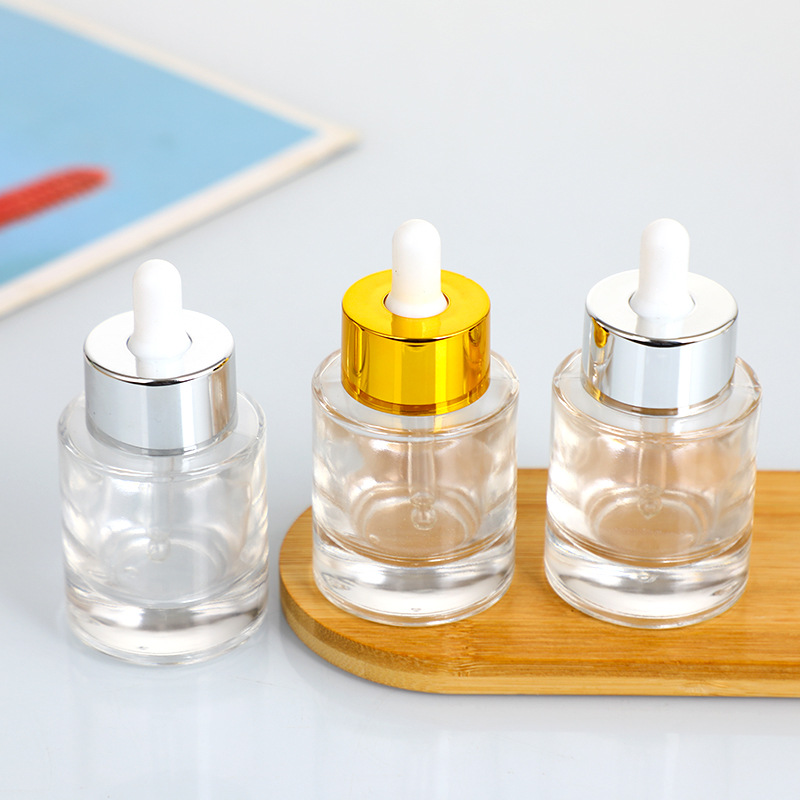
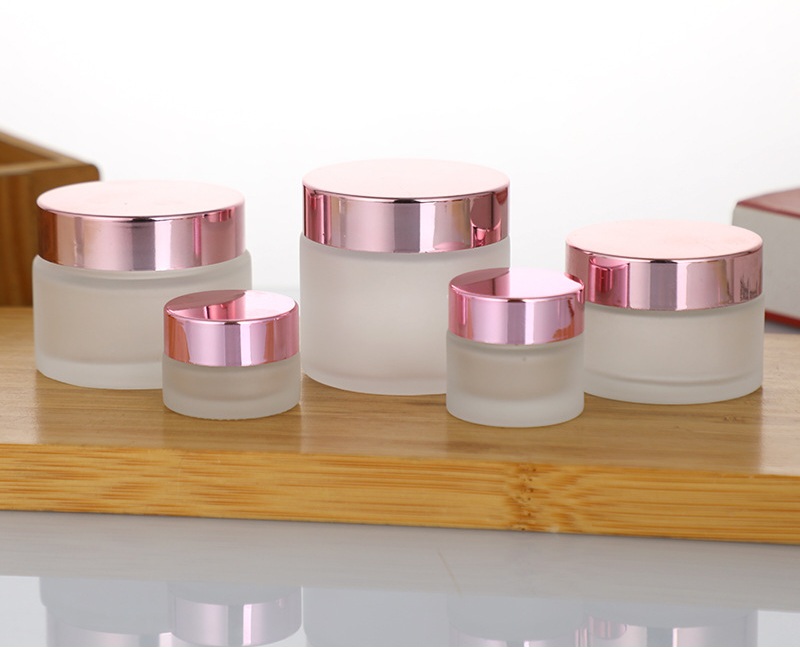
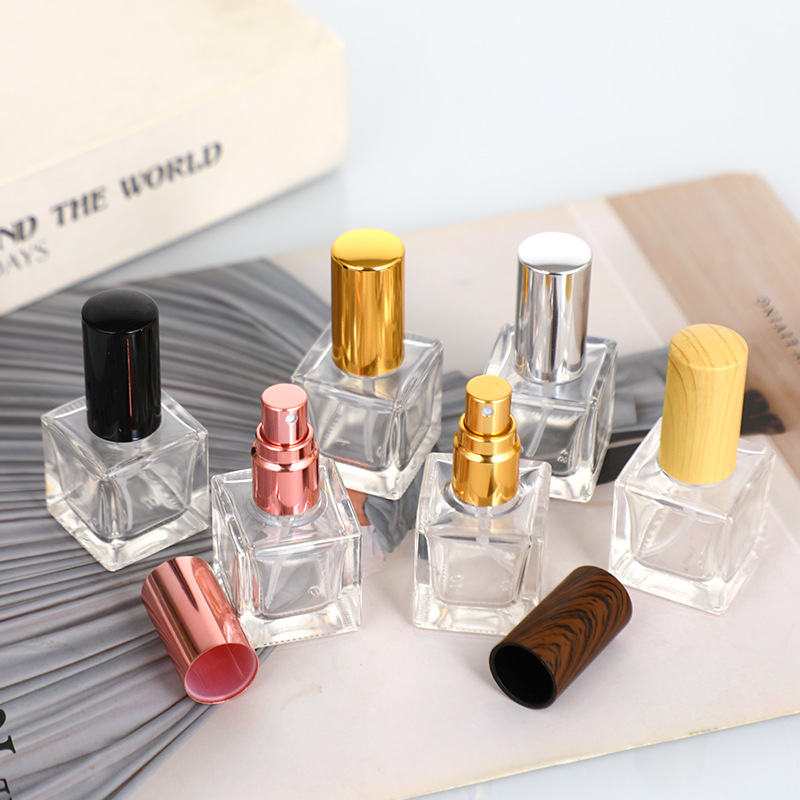
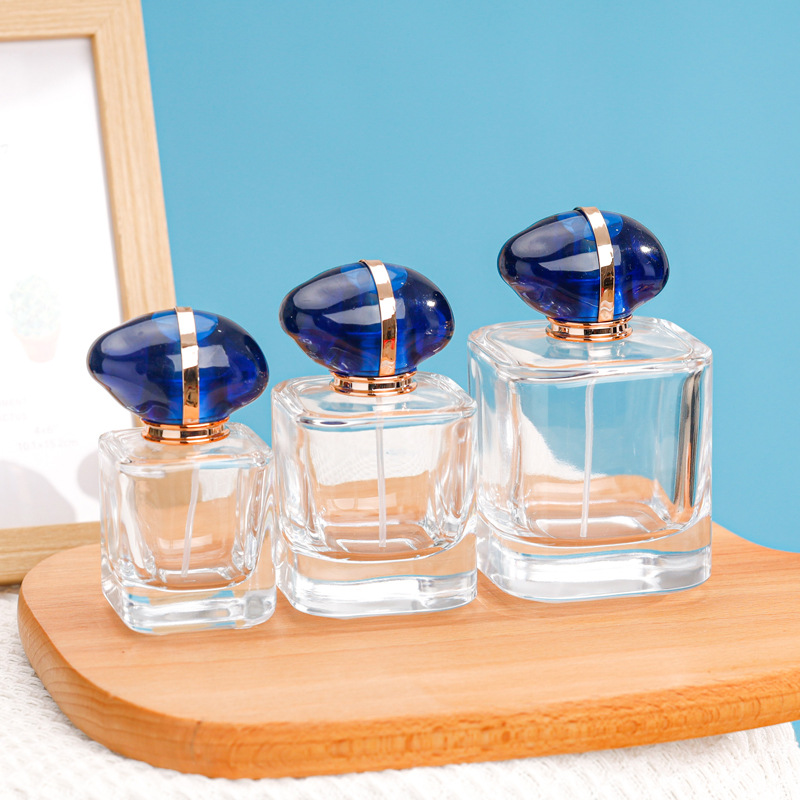
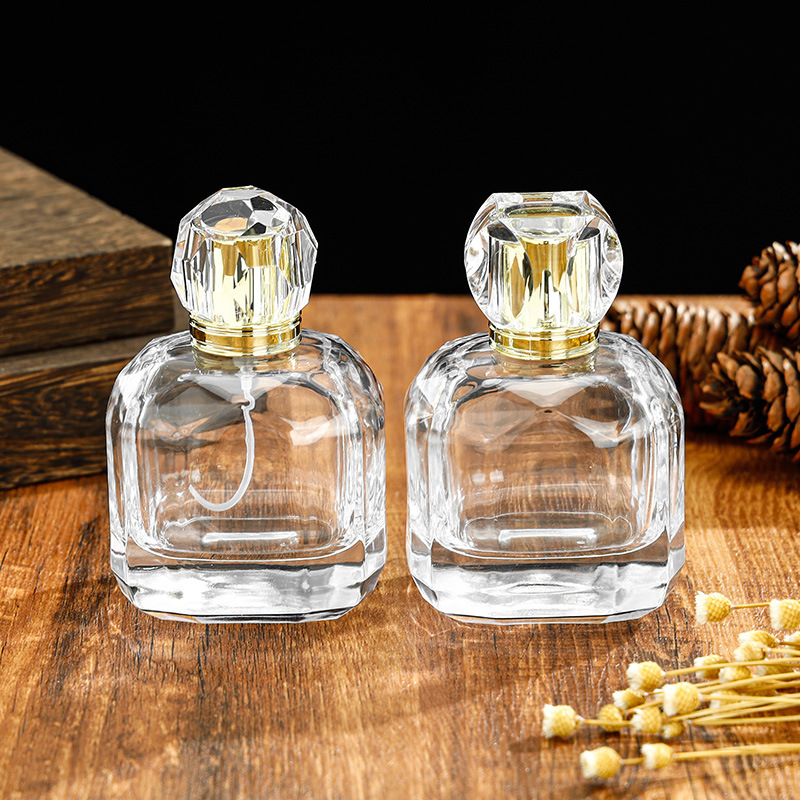
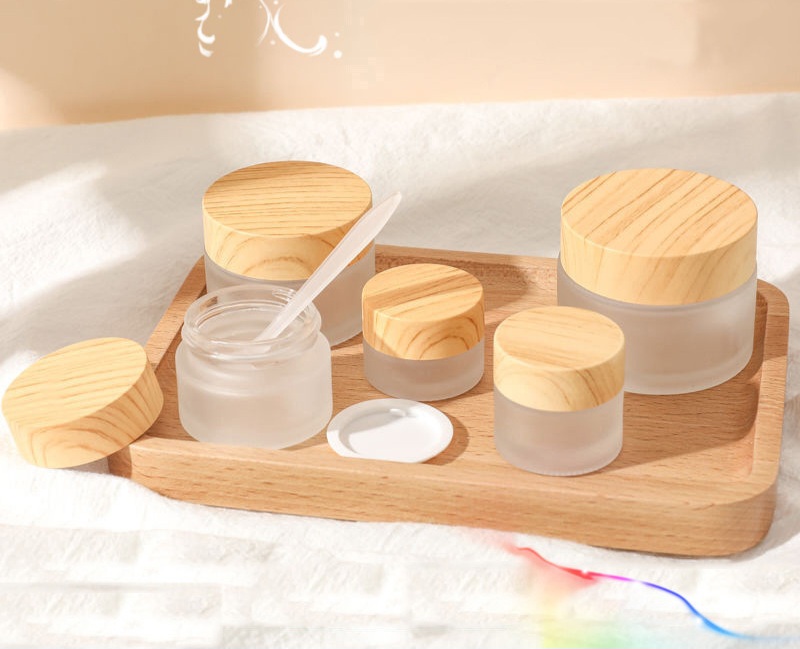
Glass bottles come in many shapes, sizes, weights, and applications. From small essential oil bottles to heavy liquor bottles, each product requires a packaging solution that fits its structure, transportation method, and market positioning.
Many overseas buyers face the same challenge:
How can different glass bottle sizes be packaged safely without increasing shipping damage or unnecessary packaging costs?
Poor packaging design often results in broken bottles, scratched surfaces, leaking products, shipping claims, and unhappy customers.
A professional custom glass bottle packaging supplier in China can help businesses create safe and cost-effective packaging solutions through customized engineering, sampling, testing, and mass production support.
Whether you import cosmetic bottles, perfume containers, wine bottles, candle jars, beverage bottles, or pharmaceutical glass packaging, customized protection matters.
Why Standard Packaging Often Fails for Different Bottle Sizes
Many buyers initially choose universal packaging to reduce cost.
However, standard packaging usually creates problems because glass bottles vary greatly in:
- Height
- Diameter
- Neck shape
- Weight
- Wall thickness
- Fragility level
- Product category
For example, a tall perfume bottle and a wide candle jar cannot safely share the same packaging structure.
When packaging does not match bottle dimensions, common problems include:
- Bottle movement during transportation
- Surface scratches
- Internal collisions
- Carton deformation
- Broken caps or closures
- High breakage rates
This is why professional packaging customization is important.
Step 1: Bottle Analysis and Packaging Assessment
Professional suppliers normally begin with product analysis.
Before developing packaging, they evaluate:
Bottle Dimensions
Exact size measurements are required to create stable internal support.
Even a few millimeters of extra space may allow dangerous movement during shipping.
Weight Distribution
Heavy glass bottles require stronger structural support than lightweight containers.
Packaging engineers calculate pressure resistance to avoid collapse during stacking.
Product Fragility
Thin decorative bottles often require stronger cushioning than industrial containers.
Luxury products may also require scratch protection and premium presentation.
Transportation Conditions
Packaging requirements change depending on shipping method:
- Sea freight
- Air freight
- Courier shipping
- Retail distribution
- Warehouse storage
Each logistics scenario introduces different risks.
Step 2: Customized Internal Protection Design
After evaluation, suppliers design customized inserts to secure bottles inside the carton.
The main goal is simple:
Prevent movement and absorb impact.
Common protective solutions include:
Corrugated Dividers
Suitable for:
- Beverage bottles
- Bulk transportation
- Medium-risk shipments
This method separates bottles individually and lowers collision risk.
Foam Inserts
Often used for premium or fragile products.
Foam protects against:
- Shock
- Scratches
- Vibration
- Impact pressure
Common for:
- Perfume bottles
- Cosmetic packaging
- Essential oil products
Molded Pulp Trays
An environmentally friendly option.
Benefits include:
- Good protection
- Sustainable materials
- Stable positioning
Often chosen by eco-conscious brands.
EVA or EPE Cushioning
Suitable for luxury products and fragile glass items needing stronger protection.
These materials reduce direct pressure during transportation.
Step 3: Outer Carton Engineering
Safe glass bottle packaging is not only about internal inserts.
The outer carton also matters.
Professional export cartons are selected according to:
- Bottle weight
- Packing quantity
- Shipping distance
- Stacking height
- Destination market
Packaging engineers may recommend:
Single-Wall Cartons
Suitable for lightweight products and local transportation.
Double-Wall Corrugated Cartons
Common for export glass packaging.
They provide stronger compression resistance and better stacking performance.
Reinforced Cartons
Recommended for:
- Heavy bottles
- Long sea freight routes
- High-value products
These cartons help reduce pressure-related breakage.
Step 4: Sampling and Packaging Testing
Before mass production, professional suppliers often produce packaging samples.
This stage is extremely important.
Testing may include:
Fit Testing
Checking whether bottles stay firmly positioned.
Drop Resistance Testing
Evaluating protection during accidental impacts.
Compression Testing
Checking stacking safety during storage and transportation.
Shipping Simulation
Testing packaging performance under real logistics conditions.
This process helps buyers avoid expensive shipping failures later.
Step 5: Mass Production and Quality Control
After sample approval, packaging enters production.
Reliable suppliers normally implement quality control measures such as:
- Material inspection
- Dimensional verification
- Carton strength testing
- Insert consistency inspection
- Packing performance checks
Production consistency is essential because packaging variations can increase damage risk.
How Customized Packaging Saves Money
Many buyers assume custom packaging costs more.
In reality, poor packaging is often more expensive.
Broken products lead to:
- Replacement costs
- Refunds
- Shipping claims
- Customer complaints
- Brand reputation damage
Customized packaging reduces long-term losses by improving transportation safety and shipping efficiency.
Better carton sizing can also reduce wasted shipping space and lower logistics costs.
Which Industries Need Customized Glass Bottle Packaging?
Customized glass bottle packaging is widely used in:
- Cosmetics and skincare
- Perfume packaging
- Essential oils
- Wine and liquor bottles
- Beverage products
- Candle jars
- Pharmaceutical containers
- Luxury gift packaging
Each product type requires a different protection strategy.
How to Prepare for a Custom Packaging Project
Before contacting a supplier, buyers should prepare:
- Bottle dimensions
- Weight information
- Product photos or samples
- Shipping destination
- Transportation method
- Packaging preferences
- Logo or branding requirements
Providing clear information helps speed up development and improve quotation accuracy.
Conclusion
Different glass bottle sizes require different packaging solutions.
Safe transportation depends on more than strong materials — it requires proper structure, engineering, testing, and logistics planning.
A professional Chinese custom glass bottle packaging supplier can help businesses create tailored solutions from bottle analysis and sampling to testing and mass production.
The right packaging protects products, reduces complaints, lowers logistics risk, and supports long-term business growth.
FAQ
1. Why do different glass bottle sizes require custom packaging?
Different sizes, weights, and shapes affect stability during transportation. Custom packaging prevents movement and reduces damage.
2. What materials are commonly used for glass bottle protection?
Foam inserts, molded pulp trays, corrugated dividers, EVA foam, and reinforced cartons are commonly used.
3. Is packaging sampling necessary before mass production?
Yes. Sampling helps test protection, fit, drop resistance, and shipping safety before large production runs.
4. Can customized packaging lower shipping costs?
Yes. Optimized carton dimensions improve loading efficiency and reduce wasted shipping volume.
5. What industries commonly use custom glass bottle packaging?
Cosmetics, perfume, essential oils, beverages, pharmaceuticals, candle products, and luxury packaging industries frequently use customized packaging.
6. What information should I provide to a packaging supplier?
You should provide bottle size, weight, quantity, shipping destination, transport method, branding needs, and packaging goals.


No reply content