
China Umbrella Customization Factory
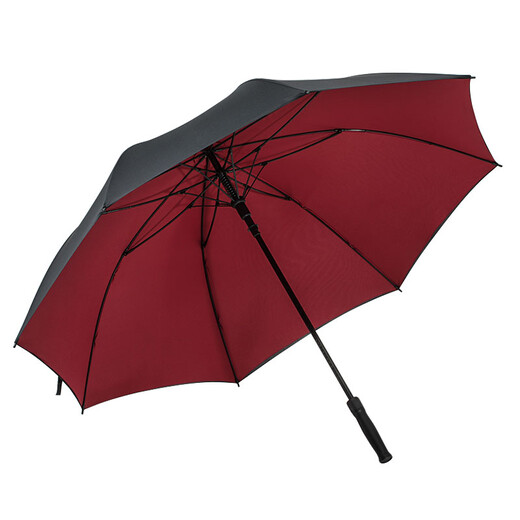
Custom umbrellas are widely used by brands, retailers, promotional companies, hotels, resorts, sports organizations, and distributors. Adding a company logo, brand colors, unique patterns, or customized packaging can turn a standard umbrella into a branded product.
However, successful umbrella customization requires more than simply printing a logo on the canopy. Buyers need to consider the umbrella model, fabric, printing method, artwork, colors, handle, frame, packaging, quantity, sample approval, and production requirements.
This guide explains how to customize umbrellas professionally from the initial design to mass production.
1. What Parts of an Umbrella Can Be Customized?
Depending on the manufacturer and order quantity, customization may include:
-
Canopy color
-
Canopy pattern
-
Company logo
-
Printed artwork
-
Number of printed panels
-
Handle
-
Handle color
-
Frame color
-
Shaft
-
Sleeve
-
Carrying case
-
Product label
-
Hang tag
-
Retail packaging
-
Shipping carton
Not every manufacturer offers every option, so confirm the available customization range before placing an order.
2. Start With the Right Umbrella Model
The first step is selecting the basic umbrella structure.
Common choices include:
-
Folding umbrellas
-
Automatic folding umbrellas
-
Straight umbrellas
-
Golf umbrellas
-
Children’s umbrellas
-
Promotional umbrellas
-
Wind-resistant umbrellas
-
Premium umbrellas
For example, a promotional company may prefer a cost-effective folding umbrella, while a golf brand may need a large canopy with a stronger frame.
Starting with an existing model can usually make customization faster and more cost-efficient than developing a completely new umbrella.
3. Customize the Canopy Color
Canopy color is one of the easiest ways to create a branded product.
You may choose:
-
Standard colors
-
Brand colors
-
Multiple colors
-
Two-tone designs
-
Gradient effects
-
Printed patterns
If exact brand-color matching is important, provide the manufacturer with a recognized color reference or approved artwork.
Do not rely only on a screen image because colors can appear different on different displays.
4. Add Your Company Logo
Logo printing is one of the most common umbrella customization requirements.
A logo can potentially be placed on:
-
One canopy panel
-
Multiple canopy panels
-
Several positions
-
Handle
-
Sleeve
-
Carrying case
-
Packaging
The best position depends on the umbrella design and intended use.
For corporate promotional products, a clear logo with good visibility is usually more effective than overly complicated artwork.
5. Prepare Professional Artwork
Before production, provide the manufacturer with high-quality artwork.
Common file formats may include:
-
AI
-
EPS
-
PDF
-
SVG
-
High-resolution PNG
Vector artwork is generally preferable when available because it can be scaled without losing sharpness.
The manufacturer may also ask for:
-
Logo dimensions
-
Printing position
-
Color information
-
Number of colors
-
Artwork orientation
Providing complete artwork can reduce production delays.
6. Choose the Printing Method
The appropriate printing method depends on:
-
Fabric
-
Artwork
-
Number of colors
-
Printing area
-
Order quantity
-
Required appearance
Different printing processes can provide different results.
For simple logos, a straightforward printing process may be sufficient.
For detailed full-color artwork, a more suitable textile printing method may be required.
Ask the manufacturer which process they recommend for the selected fabric.
7. Customize Multiple Panels
An umbrella canopy is divided into several panels.
Instead of printing only one logo, buyers can create a more comprehensive design using multiple panels.
Possible designs include:
-
Repeated logos
-
Alternating colors
-
Brand patterns
-
Different graphics
-
Large central artwork
-
Promotional messages
Multi-panel customization can create a stronger visual effect but may also increase printing and production costs.
8. Create a Full-Canopy Design
Brands looking for a distinctive product can customize the entire canopy.
A full-canopy design can include:
-
Brand colors
-
Patterns
-
Illustrations
-
Text
-
Logos
-
Product graphics
This approach is popular for:
-
Fashion brands
-
Sports brands
-
Events
-
Promotional campaigns
-
Hotels
-
Resorts
Before mass production, always approve a sample or production proof to confirm that the design appears correctly across the umbrella panels.
9. Customize the Handle
The handle is another important branding opportunity.
Possible customization includes:
-
Shape
-
Material
-
Color
-
Texture
-
Logo
-
Surface finish
Common materials include:
-
Plastic
-
ABS
-
EVA
-
Rubber
-
Wood
-
Aluminum
Using an existing handle shape with a custom color or logo can be more cost-effective than developing a completely new handle mold.
10. Customize the Frame and Shaft
Some manufacturers can customize the appearance of the frame.
Potential options include:
-
Frame color
-
Shaft color
-
Coating
-
Metal finish
-
Decorative details
However, the structural function of the frame should not be compromised for appearance.
Any change to structural components should be reviewed by the manufacturer to ensure that it remains suitable for the umbrella design.
11. Customize the Umbrella Sleeve
The sleeve or carrying case can be customized to match the umbrella.
Options may include:
-
Brand logo
-
Brand colors
-
Fabric
-
Printing
-
Zipper
-
Drawstring
-
Label
A branded sleeve can create a more complete product appearance without requiring major changes to the umbrella itself.
12. Customize Packaging
Packaging is especially important for retail products.
Possible packaging options include:
-
Individual paper sleeve
-
Fabric pouch
-
Retail box
-
Gift box
-
Printed polybag
-
Branded insert
-
Product label
-
Instruction card
For e-commerce brands, packaging should also protect the umbrella during transportation.
For promotional orders, simple packaging may be sufficient.
For premium products, customized gift packaging can increase perceived product value.
13. Use Brand Colors Consistently
A professional branded umbrella should have consistent colors across:
-
Canopy
-
Logo
-
Handle
-
Sleeve
-
Packaging
-
Product label
Inconsistent colors can make the product look less professional.
Provide the manufacturer with clear color references and approve a physical sample when color accuracy is important.
14. Customize for Different Brand Positions
Different brands need different levels of customization.
Promotional umbrella
Focus on:
-
Logo visibility
-
Competitive cost
-
Simple packaging
-
Practical materials
Retail umbrella
Focus on:
-
Product appearance
-
Packaging
-
Fabric quality
-
Brand identity
-
Consumer experience
Premium umbrella
Focus on:
-
High-grade materials
-
Refined handle
-
Frame quality
-
Detailed finishing
-
Premium packaging
Hotel or resort umbrella
Focus on:
-
Brand colors
-
Logo
-
Outdoor appearance
-
Durability
-
Consistent product design
15. OEM vs. Standard Customization
There are two common approaches.
Standard customization
The manufacturer already has an umbrella model.
You customize:
-
Logo
-
Color
-
Printing
-
Packaging
This is generally easier and faster.
OEM product development
The buyer provides a new design or requests major structural changes.
This may involve:
-
Product drawings
-
Engineering
-
Prototype development
-
Custom molds
-
Special materials
-
Sample testing
-
Production approval
OEM development provides more control but normally requires more time and budget.
16. Understand MOQ Requirements
Customization often comes with MOQ requirements.
A manufacturer may allow:
-
Small quantity for standard products
-
Medium quantity for logo printing
-
Higher quantity for custom colors
-
Higher MOQ for custom fabrics
-
Higher MOQ for custom handles
-
Higher MOQ for new molds
Ask for separate MOQ information for each customization option.
This is especially important for startups and small brands.
17. Sample Approval Is Essential
A digital design does not always represent the final physical product perfectly.
Before mass production, check a sample for:
-
Logo size
-
Logo position
-
Color
-
Printing quality
-
Canopy appearance
-
Handle
-
Frame
-
Packaging
If the design includes multiple colors, inspect the physical sample carefully.
Once the sample is approved, use it as the reference for mass production.
18. Confirm the Final Specification
Before production begins, create a final product specification.
It should include:
Umbrella type
Canopy size
Fabric
Frame material
Handle
Opening system
Canopy color
Logo
Printing position
Printing method
Packaging
Quantity
Carton specification
This document helps prevent misunderstandings between the buyer and manufacturer.
19. Consider Transportation When Designing the Product
Customization can affect packaging dimensions and shipping costs.
For example:
-
Larger umbrellas require larger packaging.
-
Premium boxes may increase carton volume.
-
Additional accessories increase weight.
-
Special packaging can reduce the number of units per carton.
Before finalizing packaging, ask the manufacturer for the finished carton dimensions and packing quantity.
This information can help you estimate the total logistics cost.
20. How to Reduce Customization Costs
Customization does not have to be expensive.
Consider these strategies:
Start with an existing model
Avoid unnecessary product development.
Use standard frame components
Customized structural components can require additional engineering.
Use standard handles
Change the color or add branding instead of creating a new mold.
Simplify artwork
Simple branding can reduce printing complexity.
Use standard packaging
Custom boxes can increase both packaging and shipping costs.
Order larger quantities
Higher volumes may make customized materials and printing more economical.
21. Common Customization Mistakes
Several mistakes can create unnecessary problems.
Using low-resolution artwork
This can lead to poor printing quality.
Not specifying colors
Different suppliers may interpret colors differently.
Changing the design after sample approval
Late changes can increase cost and delay production.
Focusing only on the logo
The umbrella should also have appropriate materials and construction.
Ignoring packaging
Retail products require suitable packaging for transportation and presentation.
Not checking the final sample
A digital rendering cannot replace physical sample inspection.
22. How to Request a Custom Umbrella Quote
A professional inquiry should include:
-
Umbrella type
-
Quantity
-
Canopy size
-
Fabric preference
-
Frame preference
-
Logo artwork
-
Logo position
-
Color requirements
-
Handle requirements
-
Packaging requirements
-
Delivery destination
-
Required delivery date
Example:
We are looking for a manufacturer to produce 3,000 customized folding umbrellas. We require an automatic opening system, black canopy, printed company logo on two panels, customized handle color, and individual branded packaging. Please provide the MOQ, sample cost, production lead time, packaging details, and quotation.
A detailed request allows the manufacturer to calculate the project more accurately.
23. Customization Checklist
Before approving production, confirm:
-
[ ] Umbrella model
-
[ ] Dimensions
-
[ ] Canopy fabric
-
[ ] Frame material
-
[ ] Handle
-
[ ] Opening mechanism
-
[ ] Canopy color
-
[ ] Logo
-
[ ] Logo position
-
[ ] Printing method
-
[ ] Artwork
-
[ ] Sleeve
-
[ ] Packaging
-
[ ] Carton quantity
-
[ ] Final sample
-
[ ] Production quantity
-
[ ] Delivery schedule


No reply content