
China Guangzhou custom curtains OEM
China
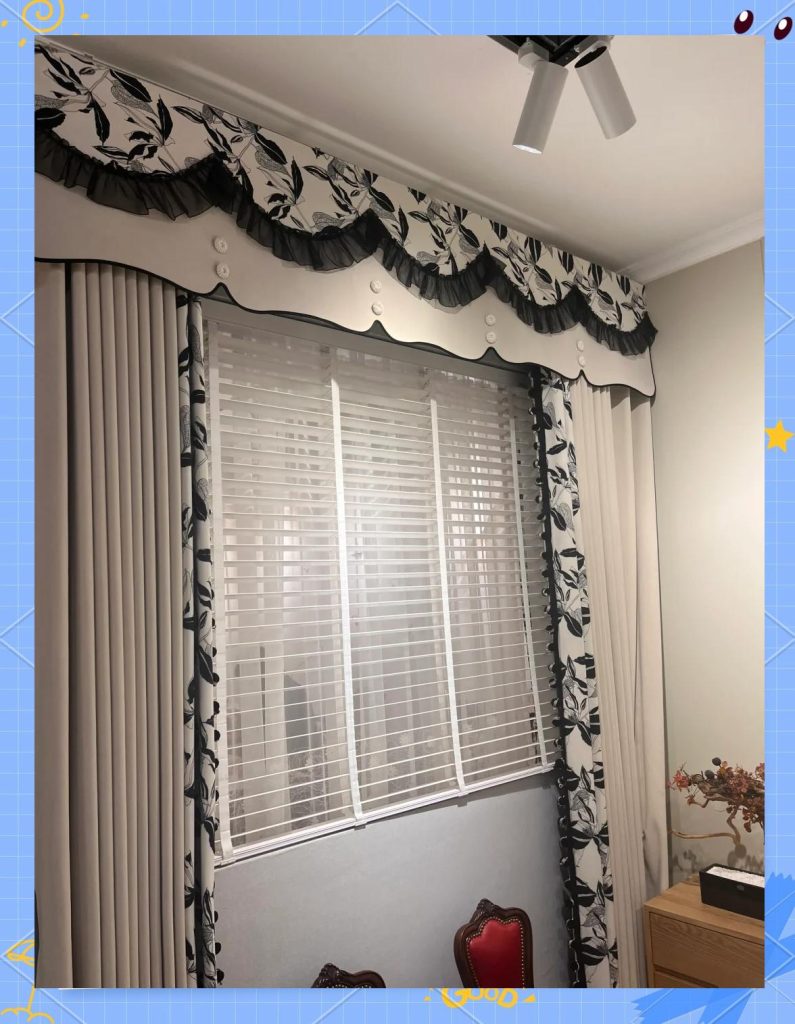
Buying curtains in bulk from a manufacturer can reduce costs, but quality problems can become expensive when thousands of pieces have already been produced.
Before placing a large order, buyers should establish clear specifications, evaluate samples, verify fabric quality, inspect workmanship, and agree on quality standards with the manufacturer.
1. Define the Product Specifications
Before requesting a quotation, create a clear product specification.
Include:
-
Curtain type
-
Finished width
-
Finished length
-
Fabric composition
-
Fabric weight
-
Color
-
Pattern
-
Header style
-
Lining
-
Accessories
-
Logo
-
Packaging
-
Acceptable tolerances
A detailed specification ensures that different manufacturers are quoting the same product.
2. Request a Physical Sample
Never rely entirely on product photographs when evaluating curtains.
Request a physical sample and inspect:
-
Fabric texture
-
Thickness
-
Weight
-
Color
-
Transparency
-
Draping
-
Stitching
-
Hemming
-
Header construction
-
Lining
-
Overall appearance
If you plan to order a customized product, the sample should be as close as possible to the final production specification.
3. Check Fabric Composition
Ask the manufacturer for the exact fabric composition.
For example:
-
100% polyester
-
Polyester/linen blend
-
Cotton blend
-
Velvet
-
Other specified textile composition
Do not rely only on descriptions such as “linen style” or “premium fabric.”
The exact composition can affect appearance, durability, maintenance, and regulatory requirements.
4. Check Fabric Weight and Thickness
Fabric weight is an important specification when comparing suppliers.
A manufacturer offering a much lower price may be using a lighter fabric.
Ask for:
-
Fabric weight
-
Fabric width
-
Finished curtain weight
-
Lining weight if applicable
Compare these specifications between suppliers rather than comparing unit prices alone.
5. Inspect Sewing Quality
Examine the sample carefully for manufacturing defects.
Look for:
-
Straight seams
-
Consistent stitching
-
Loose threads
-
Uneven hems
-
Missing stitches
-
Poor corners
-
Uneven pleats
-
Incorrect header attachment
Good sewing quality is particularly important for curtains that will be opened and closed frequently.
6. Check Curtain Dimensions
Measure the sample yourself when possible.
Check:
-
Finished width
-
Finished length
-
Panel dimensions
-
Header position
-
Hem dimensions
Agree on acceptable dimensional tolerances with the manufacturer before mass production.
For example, the purchase specification could define the acceptable tolerance for finished length rather than leaving it unspecified.
7. Test Color Consistency
Color differences can create serious problems for retail products and interior projects.
Compare the finished sample with the approved color reference.
For larger orders, inspect different production batches to ensure that the color remains consistent.
This is particularly important when curtains are produced using different fabric batches.
8. Test Light-Blocking Performance
If you are purchasing blackout curtains, don’t judge performance only by the product name.
Test the sample in front of a strong light source or under realistic room conditions.
For commercial projects, ask the manufacturer for applicable test information or performance documentation.
Also check whether the blackout performance comes from:
-
Fabric construction
-
Coating
-
Lining
-
Multiple layers
9. Check Shrinkage and Washing Performance
Curtains may change dimensions after washing.
Ask the manufacturer about:
-
Washing method
-
Shrinkage
-
Colorfastness
-
Dry-cleaning requirements
-
Ironing requirements
-
Recommended maintenance
If washing performance is important, conduct an appropriate test before placing a large order.
10. Inspect Curtain Accessories
Curtain quality is not limited to the fabric.
Check:
-
Eyelets
-
Hooks
-
Rings
-
Curtain tape
-
Labels
-
Tiebacks
-
Other included accessories
Make sure the accessories are consistent with the approved sample.
11. Check Packaging Quality
Poor packaging can damage otherwise good curtains during transportation.
Inspect whether the packaging provides adequate protection from:
-
Moisture
-
Dust
-
Dirt
-
Compression
-
Scratching
-
Handling damage
For retail products, also check barcode labels, product labels, instructions, and other packaging requirements.
12. Establish an Approved Sample
Once the sample meets your requirements, keep it as the approved production sample.
The sample should become the reference for:
-
Fabric
-
Color
-
Size
-
Stitching
-
Header
-
Lining
-
Logo
-
Packaging
This is especially useful if the manufacturer produces multiple batches.
13. Create a Quality Inspection Checklist
Before mass production, prepare a quality-control checklist.
For example:
Appearance: No obvious defects
Color: Matches approved sample
Fabric: Matches specified composition and weight
Dimensions: Within agreed tolerance
Stitching: Consistent and secure
Header: Correct design
Lining: Correct material and attachment
Logo: Correct position and appearance
Packaging: Meets approved specification
This makes inspection more objective.
14. Consider Pre-Shipment Inspection
For large orders, consider arranging a pre-shipment inspection before the goods leave the factory.
An inspection can verify:
-
Quantity
-
Dimensions
-
Fabric
-
Color
-
Workmanship
-
Packaging
-
Labels
-
Random samples
-
Visible defects
This can help identify major problems before the shipment reaches your warehouse.
15. Don’t Make the Price the Only Selection Criterion
A very low quotation can be attractive, but it may come with differences in:
-
Fabric weight
-
Material composition
-
Sewing quality
-
Packaging
-
Quality control
-
Production consistency


No reply content