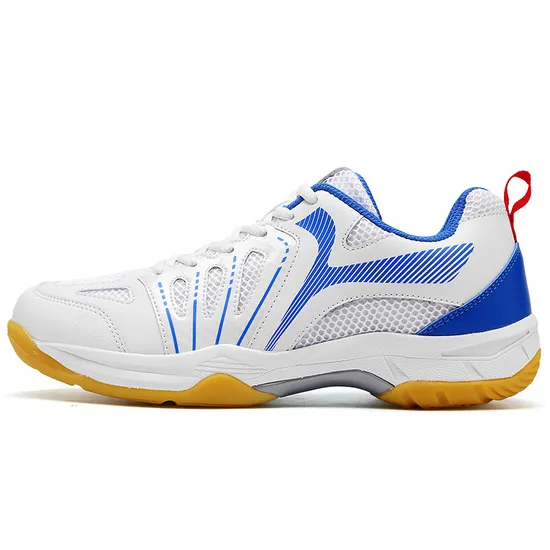
Custom Shoe OEM Manufacturer China | Low MOQ & Fast Sample

A Complete Quality Control Guide for Global Buyers
Introduction
China is one of the world’s largest manufacturers and exporters of sports shoes, supplying products to international brands, retailers, wholesalers, distributors, and e-commerce businesses. With a mature supply chain, advanced manufacturing technology, skilled labor, and competitive pricing, China remains a preferred sourcing destination for custom sports shoes.
However, product quality varies from one manufacturer to another. Poor communication, inadequate quality control, unclear specifications, or choosing suppliers based only on price can result in defective products, shipment delays, customer complaints, and financial losses.
Ensuring quality is not the responsibility of the factory alone. Buyers also play an important role by defining clear product requirements, selecting experienced manufacturers, approving samples, and monitoring production.
This guide explains how to ensure consistent quality when ordering custom sports shoes from China, helping buyers reduce risk and build long-term partnerships with reliable manufacturers.
Choose an Experienced Manufacturer
Quality begins with selecting the right manufacturing partner.
A professional sports shoe manufacturer should have:
-
Several years of footwear manufacturing experience
-
Export experience to international markets
-
Modern production equipment
-
Skilled technicians
-
Dedicated research and development team
-
Stable material suppliers
-
Comprehensive quality management system
Before placing an order, ask about:
-
Main export markets
-
Factory size
-
Production capacity
-
Years in business
-
Types of sports shoes produced
-
Existing certifications
Factories with proven export experience generally understand international quality standards and buyer expectations.
Clearly Define Product Specifications
Many quality problems arise because product requirements are not clearly communicated.
A complete specification sheet should include:
Product Information
-
Shoe style
-
Target market
-
Gender
-
Size range
-
Intended sports application
Materials
-
Upper material
-
Midsole material
-
Outsole material
-
Insole material
-
Lining fabric
Appearance
-
Colors
-
Logo position
-
Printing method
-
Stitching style
-
Packaging design
Performance Requirements
-
Lightweight construction
-
Breathability
-
Cushioning
-
Slip resistance
-
Wear resistance
-
Waterproof performance (if required)
The more detailed the specifications, the lower the risk of misunderstandings during production.
Verify Material Quality
Materials determine the comfort, durability, and performance of sports shoes.
Common upper materials include:
-
Engineered mesh
-
Flyknit
-
PU leather
-
Genuine leather
-
Recycled fabrics
Midsole materials include:
-
EVA
-
Phylon
-
TPU
-
PU Foam
Outsole materials include:
-
Natural rubber
-
Carbon rubber
-
TPR
Request material samples before production and confirm that the manufacturer uses the approved materials consistently throughout the entire order.
Evaluate Sample Quality Carefully
Never skip the sampling stage.
The production sample should be thoroughly inspected before approving mass production.
Check the following:
-
Overall appearance
-
Color consistency
-
Material texture
-
Stitching quality
-
Logo accuracy
-
Sole bonding
-
Weight
-
Flexibility
-
Comfort
-
Packaging
Wear-test the sample whenever possible to evaluate real-world performance.
If improvements are needed, request revisions before production begins.
Confirm Manufacturing Processes
Understanding the factory’s production process helps identify potential quality risks.
Typical production steps include:
-
Material inspection
-
Cutting
-
Stitching
-
Printing
-
Embroidery
-
Sole molding
-
Lasting
-
Bonding
-
Cleaning
-
Final inspection
-
Packaging
Ask the manufacturer how quality is monitored at each stage.
Factories with standardized procedures generally achieve more consistent results.
Establish a Quality Control Plan
Quality inspection should take place throughout production, not only after completion.
A complete quality control system includes:
Incoming Material Inspection
Raw materials are checked before entering production.
Inspection includes:
-
Color
-
Thickness
-
Density
-
Flexibility
-
Surface defects
In-Process Inspection
Production staff monitor every manufacturing stage, including:
-
Cutting accuracy
-
Stitching alignment
-
Logo placement
-
Bonding quality
-
Assembly precision
Problems identified early can be corrected before affecting large quantities.
Final Product Inspection
Finished shoes should be inspected for:
-
Appearance
-
Size accuracy
-
Weight consistency
-
Color matching
-
Sole adhesion
-
Stitching quality
-
Packaging
Random sampling is commonly used to verify production consistency.
Check Factory Certifications
Although certifications do not guarantee perfect products, they demonstrate that a manufacturer follows recognized management standards.
Common certifications include:
-
ISO 9001 Quality Management System
-
BSCI
-
Sedex
-
REACH Compliance
-
OEKO-TEX
-
GRS (Global Recycled Standard)
Verify certificates directly and ensure they are current.
Arrange Third-Party Inspections
Independent inspection companies provide an objective assessment of product quality before shipment.
Typical inspection services include:
-
Pre-production inspection
-
During-production inspection
-
Pre-shipment inspection
-
Container loading supervision
These inspections help identify defects before products leave the factory, reducing the risk of costly disputes.
Test Product Performance
For sports shoes, appearance alone is not enough.
Performance testing may include:
-
Sole adhesion strength
-
Flex resistance
-
Abrasion resistance
-
Slip resistance
-
Cushioning performance
-
Compression testing
-
Water resistance
-
Color fastness
Testing ensures the shoes meet both customer expectations and market requirements.
Communicate Effectively
Good communication is one of the most effective quality control tools.
Maintain regular contact with your manufacturer and confirm:
-
Production schedule
-
Material approval
-
Sample status
-
Packaging details
-
Shipping arrangements
Respond quickly to questions and document all changes in writing to avoid misunderstandings.
Monitor Mass Production
Do not assume everything will proceed perfectly after sample approval.
Request:
-
Production photos
-
Factory videos
-
Progress reports
-
Inspection records
This allows you to identify potential issues before production is completed.
Balance Price and Quality
Choosing the lowest quotation can increase the risk of poor-quality products.
Very low prices may indicate:
-
Inferior materials
-
Inexperienced workers
-
Inadequate quality control
-
Outdated equipment
-
Unstable supply chains
Evaluate manufacturers based on overall value rather than price alone.
Build Long-Term Relationships
Reliable manufacturers are valuable business partners.
Long-term cooperation often leads to:
-
Better pricing
-
Priority production scheduling
-
More consistent quality
-
Faster communication
-
Improved product development
-
Greater flexibility for future orders
Treat your supplier as a strategic partner instead of simply a vendor.
Common Quality Problems and How to Prevent Them
Problem |
Prevention Method |
|---|---|
Incorrect colors |
Approve physical color samples before production |
Weak sole bonding |
Perform adhesion testing and monitor production |
Uneven stitching |
Conduct in-process inspections |
Wrong logo placement |
Provide detailed artwork and production drawings |
Incorrect sizing |
Confirm grading specifications before mass production |
Packaging errors |
Approve packaging samples and conduct final inspections |


No reply content