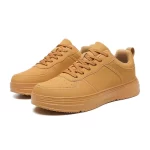
China Jinjiang shoe manufacturer in

For footwear importers, wholesalers, retailers, and private-label brands, product quality is one of the most important factors in building customer trust. Even a well-designed shoe can lead to returns, negative reviews, and financial losses if quality issues are discovered after shipment.
A professional quality control (QC) process helps identify defects before products leave the factory. This guide explains how to ensure shoe quality before shipment, what inspections should be performed, and what buyers should look for when sourcing shoes from China.
Why Quality Inspection Matters
Quality inspection protects both buyers and manufacturers by ensuring that products meet agreed specifications before shipment.
Benefits include:
-
Reduce defective products
-
Minimize customer complaints
-
Lower return rates
-
Protect your brand reputation
-
Avoid costly rework and delays
-
Ensure consistent product quality
-
Improve customer satisfaction
For large orders, even a small defect rate can result in significant financial losses, making quality control an essential investment.
Establish Clear Product Specifications
Before production begins, prepare a detailed product specification sheet.
It should include:
-
Shoe style
-
Materials
-
Color codes
-
Size range
-
Logo position
-
Sole material
-
Insole specifications
-
Stitching requirements
-
Packaging details
-
Labeling requirements
The more detailed your specifications, the easier it is for the factory to manufacture products accurately.
Inspect Raw Materials
Quality starts with the materials.
Check the following before production:
-
Leather quality
-
Mesh fabric consistency
-
Rubber outsole hardness
-
EVA or PU midsole quality
-
Insole density
-
Shoelace strength
-
Adhesive quality
-
Packaging materials
Rejecting poor-quality materials at the beginning prevents larger problems later.
Monitor Production During Manufacturing
Instead of waiting until production is complete, inspect products during manufacturing.
Key production stages include:
-
Material cutting
-
Upper stitching
-
Sole molding
-
Lasting
-
Gluing
-
Assembly
-
Finishing
Regular inspections help detect issues before they affect the entire production batch.
Check Shoe Appearance
Every finished shoe should be inspected for visual defects.
Look for:
-
Scratches
-
Glue stains
-
Uneven stitching
-
Loose threads
-
Color differences
-
Material wrinkles
-
Surface damage
-
Deformation
-
Logo placement errors
Products with visible cosmetic defects should be repaired or rejected.
Verify Shoe Dimensions
Measure important dimensions such as:
-
Shoe length
-
Shoe width
-
Heel height
-
Sole thickness
-
Insole size
All measurements should match the approved sample and size chart.
Test Comfort and Fit
Comfort is essential for customer satisfaction.
Evaluate:
-
Foot support
-
Cushioning
-
Flexibility
-
Breathability
-
Weight
-
Fit consistency
-
Lace performance
Wear testing can identify issues that are not visible during visual inspections.
Check Sole Bonding Strength
One of the most common footwear defects is sole separation.
Inspect:
-
Bonding strength
-
Glue coverage
-
Sole alignment
-
Flex resistance
Poor bonding may cause the sole to separate after limited use, leading to customer complaints.
Inspect Stitching Quality
Examine all stitching carefully.
Look for:
-
Straight stitch lines
-
Even stitch spacing
-
No skipped stitches
-
No loose threads
-
Reinforced stress points
Strong stitching improves durability and overall product quality.
Test Functional Performance
Depending on the shoe type, additional tests may include:
-
Slip resistance
-
Waterproof performance
-
Abrasion resistance
-
Flex testing
-
Compression testing
-
Color fastness
-
Tensile strength
These tests help ensure the shoes perform as intended.
Inspect Packaging
Packaging protects products during transportation and enhances brand presentation.
Check:
-
Shoe boxes
-
Carton quality
-
Barcodes
-
Product labels
-
Size labels
-
Care instructions
-
Hang tags
-
Packing quantity
Incorrect packaging can result in shipping damage or customs issues.
Conduct a Pre-Shipment Inspection
Before shipment, perform a final inspection.
This typically includes:
-
Quantity verification
-
Appearance inspection
-
Size measurement
-
Packaging inspection
-
Carton inspection
-
Random sampling
Many buyers use the AQL (Acceptable Quality Limit) standard to determine whether a shipment should be accepted.
Use Third-Party Inspection Services
Independent inspection companies can provide unbiased reports.
Typical services include:
-
Factory audits
-
During-production inspections
-
Pre-shipment inspections
-
Container loading supervision
-
Laboratory testing
Third-party inspections are especially useful for first-time suppliers or large orders.
Common Shoe Defects
Some of the most frequent quality issues include:
-
Sole separation
-
Glue overflow
-
Uneven stitching
-
Incorrect sizes
-
Color inconsistency
-
Material scratches
-
Loose logos
-
Damaged packaging
-
Missing accessories
-
Poor finishing
Identifying these defects before shipment helps avoid expensive returns.
Build a Long-Term Quality Control System
Rather than inspecting only one order, establish an ongoing quality management process.
Recommended practices include:
-
Approve a “golden sample” before production.
-
Use detailed inspection checklists.
-
Schedule regular factory visits.
-
Review quality reports after every order.
-
Track defect rates over time.
-
Communicate improvement requirements with your supplier.
Long-term quality management improves consistency and strengthens supplier relationships.
Why Work with an Experienced Shoe Manufacturer?
Professional manufacturers usually provide:
-
Strict quality management systems
-
Skilled production workers
-
Modern manufacturing equipment
-
Stable raw material suppliers
-
Comprehensive testing procedures
-
Export experience
-
Reliable customer support


No reply content